


High-profile figures, including politicians and celebrities, have been implicated in the ongoing discussions, leading to a flurry of speculation about their roles in Epstein’s operations. Notably, the recent unsealing of documents has led to renewed scrutiny of Epstein’s ties to influential individuals, raising questions about accountability and transparency within elite circles. This situation is reminiscent of other high-profile cases, such as the Noel Clarke arrest, where the complexities of power dynamics come into play.
The emergence of new evidence has also fueled online discourse, with various platforms becoming hotbeds for conspiracy theories related to Epstein’s network. Social media users are actively sharing theories that connect Epstein to a range of global elites, suggesting a larger cover-up at play. This trend highlights the intersection of real-world events and digital misinformation, as the public grapples with the complexities of the case and the implications of the newly revealed information.
As investigations progress, the implications of these developments extend beyond the Epstein case itself, touching on broader themes of justice and systemic corruption. The continuing revelations serve as a reminder of the challenges faced by law enforcement and the judicial system in addressing high-profile cases that involve powerful individuals. With each new piece of evidence, the public’s appetite for answers grows, further entrenching conspiracy theories in the narrative surrounding Epstein’s legacy.
Understanding the background of the Epstein scandal
The Jeffrey Epstein scandal has become a focal point of public intrigue and conspiracy theories, largely due to the complex web of powerful individuals and institutions involved. Epstein, a financier and convicted sex offender, had connections with numerous high-profile figures, including politicians, royalty, and celebrities. His 2019 arrest for sex trafficking reignited public interest in his past and the circumstances surrounding his 2008 plea deal, which many viewed as a miscarriage of justice.
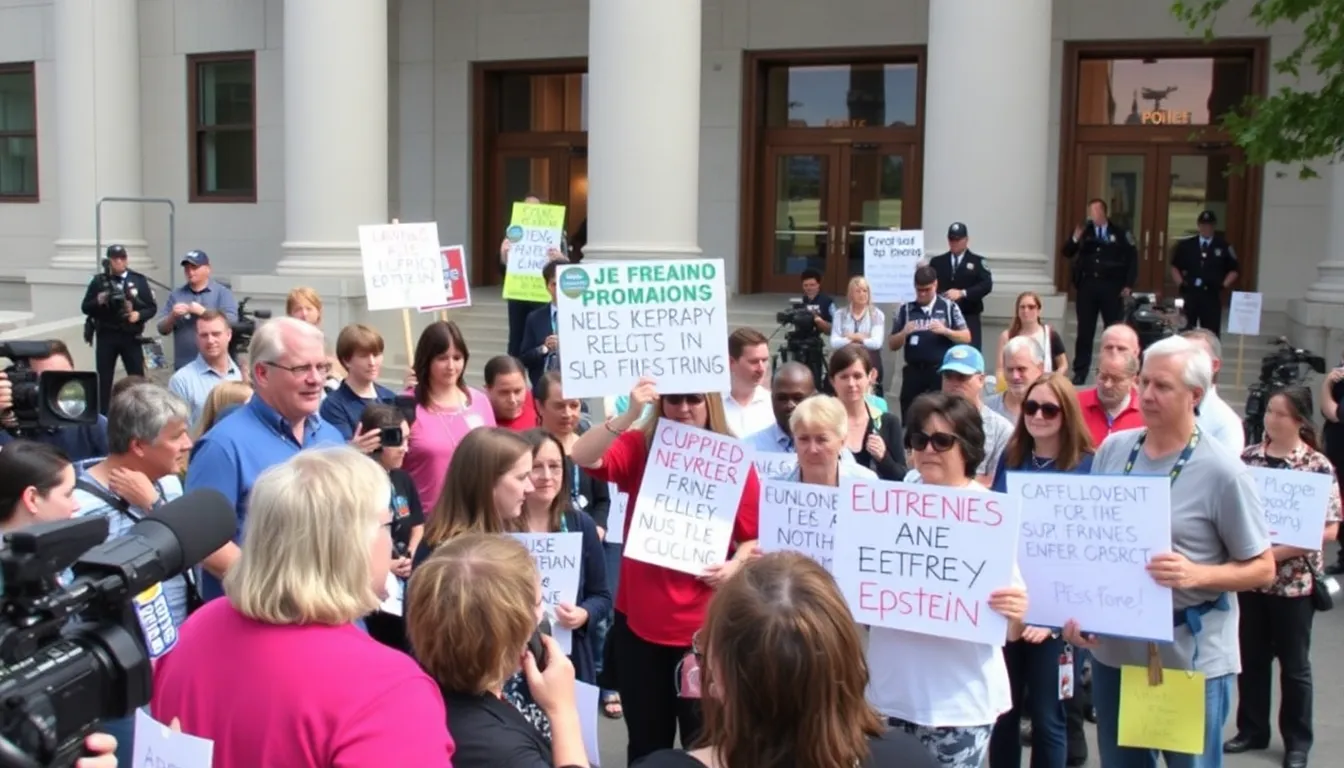
Historically, Epstein’s 2008 plea deal allowed him to serve just 13 months in a work-release program for charges related to underage prostitution. This lenient sentence raised questions about the influence of wealth and power in the judicial system. The deal was struck with federal prosecutors in Florida, who faced criticism for their handling of the case and the apparent lack of accountability for Epstein’s actions.
The Role of Media and Public Perception
As new evidence and allegations emerged following Epstein’s death in 2019, conspiracy theories proliferated. The media played a crucial role in shaping public perception, often highlighting the connections between Epstein and influential figures. This coverage has fueled speculation about the extent of his network and whether more significant crimes were concealed. The lack of transparency in investigations further contributed to the rise of conspiracy theories, as many sought to fill the gaps in information with their narratives, similar to the way sports events can captivate public attention and provoke intense discussions.
The economic implications of the Epstein case are also significant. His wealth allowed him to navigate legal challenges and maintain a facade of legitimacy. The revelations of his activities have sparked discussions about the intersection of money, power, and justice, prompting calls for reforms in how sexual abuse cases are prosecuted and handled, especially when high-profile individuals are involved.
In summary, the Epstein scandal illustrates the interplay of historical, political, and social factors that contribute to the proliferation of conspiracy theories. As more evidence comes to light, the public’s demand for accountability and transparency continues to grow, ensuring that the conversation around Epstein and his connections remains relevant.
Key stakeholders and the implications of conspiracy theories
The ongoing discourse surrounding Jeffrey Epstein and the emerging evidence related to his activities has drawn the attention of various stakeholders, each with distinct interests and motivations. These actors include government entities, media organizations, victims’ advocacy groups, and the general public. Their interactions and the narratives they promote can significantly influence the proliferation of conspiracy theories.
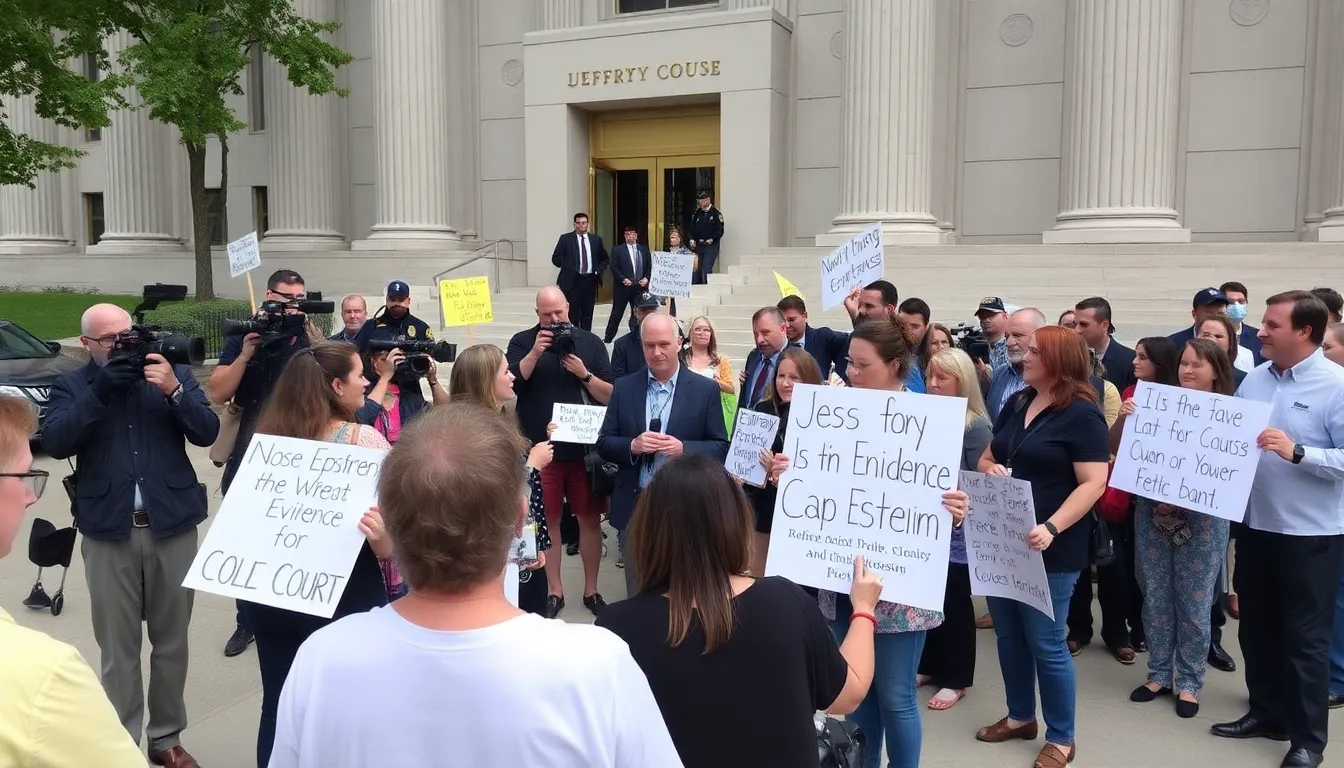
Government agencies, such as the FBI and other law enforcement bodies, are primarily concerned with upholding the rule of law and ensuring justice for victims. Their investigations into Epstein’s network can either validate or debunk conspiracy theories, depending on the outcomes of their findings. As evidence continues to surface, the credibility of these agencies may be called into question, leading to public distrust if perceived as ineffective or complicit.
Media organizations play a crucial role in shaping public perception by reporting on the evidence and theories surrounding Epstein. While some outlets strive for journalistic integrity, others may sensationalize stories for viewership, potentially exacerbating the spread of conspiracy theories. This conflict between responsible reporting and the pursuit of ratings can create a landscape where misinformation thrives, paralleling the challenges faced in discussions about cultural narratives and the representation of diverse voices.
- Victims’ Advocacy Groups: These organizations aim to support survivors and seek accountability, pushing for transparency in investigations.
- Public Interest: The general public’s desire for answers and closure can lead to the acceptance of conspiracy theories, especially when official narratives seem inadequate.
- Legal Implications: Ongoing legal proceedings related to Epstein’s associates may reveal information that alters public understanding and fuels further speculation.
- Political Ramifications: Politicians may leverage the Epstein case to address broader issues such as human trafficking, which can influence public policy and funding.
In the realm of economics, the Epstein case has broader implications, particularly for entities involved in the finance and social elite sectors. The potential for reputational damage can lead to shifts in investments and public trust in institutions. As more evidence comes to light, the stakes rise for all parties involved, often leading to a complex web of interests and conflicts that can perpetuate conspiracy theories.
The impact of conspiracy theories on public perception and trust
The proliferation of conspiracy theories, particularly in the context of new evidence related to Jeffrey Epstein, affects various groups and industries. Individuals who have been directly impacted by Epstein’s actions, including survivors and their families, may experience renewed trauma and distress as these theories circulate. Additionally, media organizations are caught in a complex web of responsibility as they navigate between reporting facts and addressing the sensationalism that conspiracy theories often engender.
In the short term, the impact on public perception can lead to increased skepticism towards legitimate news sources. This skepticism can result in a decline in trust for institutions such as the media, law enforcement, and the judiciary. As conspiracy theories gain traction, they may also influence public policy discussions, prompting lawmakers to address misinformation and its implications on societal trust.
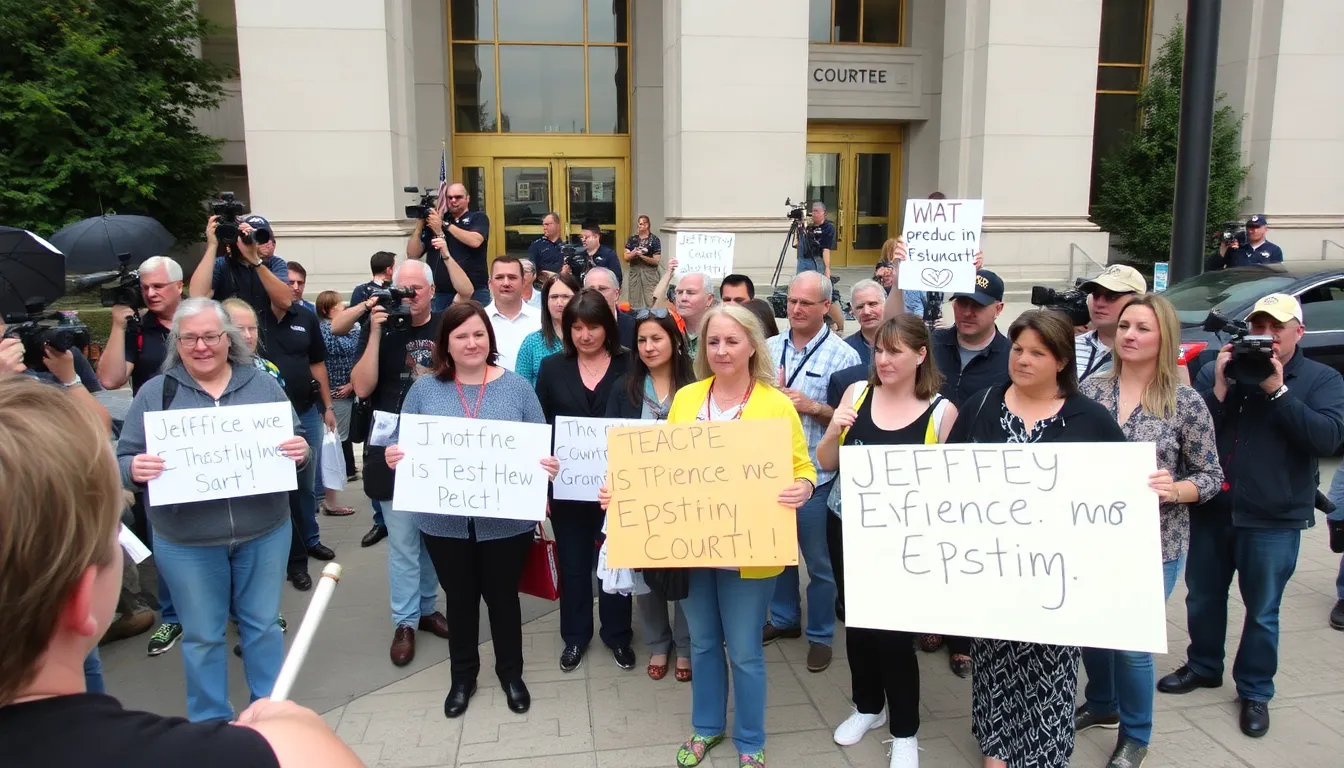
In the mid-term, businesses, particularly those in the media and technology sectors, may face challenges related to content moderation and the spread of misinformation. Companies may need to invest in more robust fact-checking mechanisms and develop strategies to counteract the effects of conspiracy theories on their platforms. This could lead to both increased operational costs and potential shifts in advertising revenue as brands reassess their association with controversial content.
- Increased skepticism towards media and institutions.
- Potential for policy reforms addressing misinformation.
- Challenges for businesses in content moderation.
- Opportunities for companies specializing in fact-checking and misinformation solutions.
Moreover, conspiracy theories can create a polarized environment, affecting social interactions and community dynamics. As individuals align themselves with differing beliefs, the potential for social fragmentation increases, which can have long-lasting effects on community cohesion. However, this also opens avenues for dialogue and education, as organizations may seek to promote critical thinking and media literacy in response to the growing influence of conspiracy theories.
A: Recent investigations have uncovered documents and testimonies that shed light on Epstein’s connections, leading to renewed interest and speculation. A: Conspiracy theories often flourish in high-profile cases due to the complexity and secrecy surrounding the events, which can lead to distrust in official narratives. A: They can polarize opinions, leading some to dismiss credible information while others may become more skeptical of mainstream media. A: Yes, they can lead to misinformation, social division, and even incite harmful actions among individuals who believe in them. A: Social media amplifies conspiracy theories by allowing rapid sharing and discussion, often without fact-checking.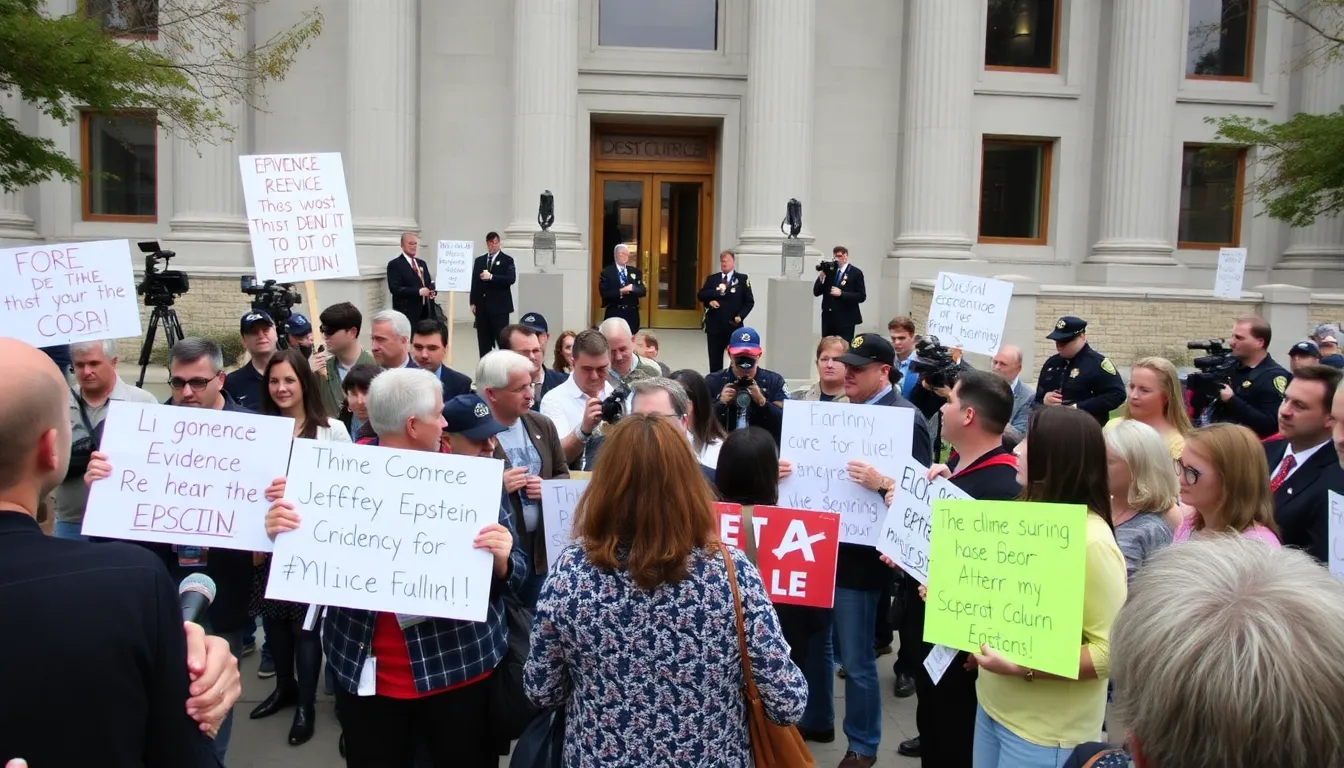
Frequently asked questions about Epstein and conspiracy theories
Key insights and future outlook on Epstein-related conspiracy theories
The ongoing revelations surrounding Jeffrey Epstein continue to fuel a complex web of conspiracy theories, reflecting deeper societal anxieties about power, corruption, and accountability. As new evidence emerges, it becomes increasingly clear that these theories thrive not only on sensationalism but also on a collective desire for transparency in a world where trust in institutions is waning. The implications of this phenomenon are multifaceted, affecting public discourse, media narratives, and even policy discussions.
Moving forward, it is essential to monitor how these conspiracy theories evolve in response to new information. The intersection of social media dynamics, public sentiment, and investigative journalism will play a critical role in shaping the narrative. Understanding these elements can provide valuable insights into the broader implications for society and governance.
- Increased scrutiny of powerful individuals: The Epstein case may lead to heightened public demand for accountability among influential figures.
- Impact on media narratives: As new evidence surfaces, media outlets will need to navigate the fine line between reporting facts and sensationalism.
- Potential for policy reform: Ongoing discussions about Epstein could prompt legislative changes aimed at preventing abuse of power.
- Rise of alternative information sources: The proliferation of conspiracy theories may lead individuals to seek out alternative news platforms, impacting traditional media consumption.