


Overview of the E.P.A.’s Current Actions
In recent months, the Environmental Protection Agency (E.P.A.) has accelerated efforts to repeal the Endangerment Finding, a critical determination made in 2009 that identified greenhouse gases as harmful to public health and the environment. This decision has significant implications for climate policy in the United States, as it forms the foundation for numerous regulations aimed at reducing emissions from various sectors, including initiatives such as the Clean Power Plan.
The E.P.A., under the current administration, has initiated a review process that could lead to the formal withdrawal of this finding. This move has sparked controversy among environmental advocates, who argue that it undermines decades of scientific consensus on climate change and its impacts. The agency’s actions have the potential to reshape regulatory frameworks governing air quality and emissions standards.
As of October 2023, public comments on the proposed repeal are being collected, with a deadline set for November 30. Stakeholders, including industry representatives, environmental groups, and scientists, are weighing in on the potential consequences of this shift. The outcome of this process will not only affect federal regulations but may also influence state-level policies and initiatives aimed at combating climate change.
Critics of the E.P.A.’s actions emphasize the urgency of addressing climate-related issues, citing recent extreme weather events and rising global temperatures as evidence of the pressing need for robust environmental protections. The agency’s decision to reconsider the Endangerment Finding raises questions about the future of U.S. climate leadership and international commitments to reduce greenhouse gas emissions.
Background on the Endangerment Finding and Its Significance
The Endangerment Finding, established by the Environmental Protection Agency (EPA) in 2009, marked a significant turning point in U.S. environmental policy. This ruling concluded that greenhouse gases, including carbon dioxide and methane, pose a threat to public health and welfare. The finding was a response to a Supreme Court decision in 2007, which mandated that the EPA assess whether these gases endangered human health or the environment, a pivotal moment that laid the groundwork for regulatory measures aimed at curbing emissions and addressing climate change.
Historically, the Endangerment Finding was influenced by growing scientific consensus on climate change and its impacts. Reports from the Intergovernmental Panel on Climate Change (IPCC) and various studies indicated a direct link between human activity, particularly fossil fuel combustion, and rising global temperatures. This scientific backing propelled the EPA’s decision and solidified the agency’s role in climate regulation, leading to initiatives such as the Clean Power Plan under the Obama administration.
However, the political landscape surrounding environmental regulation has shifted dramatically since then. The election of Donald Trump in 2016 brought a wave of deregulation, with the administration prioritizing economic growth and energy independence over environmental concerns. This political shift culminated in the announcement to repeal the Endangerment Finding, a move that sparked significant debate about the implications for public health and climate policy.
Key Milestones in Climate Regulation
Several key milestones have shaped the trajectory of climate regulation in the U.S. The 2007 Supreme Court case, Massachusetts v. EPA, was pivotal in affirming the EPA’s authority to regulate greenhouse gases. Following the Endangerment Finding, the Clean Power Plan aimed to reduce emissions from power plants, though it faced numerous legal challenges. The recent push to repeal the Endangerment Finding represents a critical juncture, as it could undermine the foundation of climate regulations established over the past decade.
Key Stakeholders and Issues Surrounding the Repeal
The debate over the repeal of the Endangerment Finding by the Environmental Protection Agency (E.P.A.) involves a complex web of stakeholders, each with distinct interests. These include government agencies, environmental organizations, industry groups, and the general public, all of whom are impacted by the implications of this significant regulatory change.
At the forefront are the E.P.A. and the current administration, which argue that repealing the finding will reduce regulatory burdens on businesses and stimulate economic growth. This perspective is often supported by industry groups, particularly those in fossil fuels and manufacturing, who claim that stringent environmental regulations hinder their operations and competitiveness.
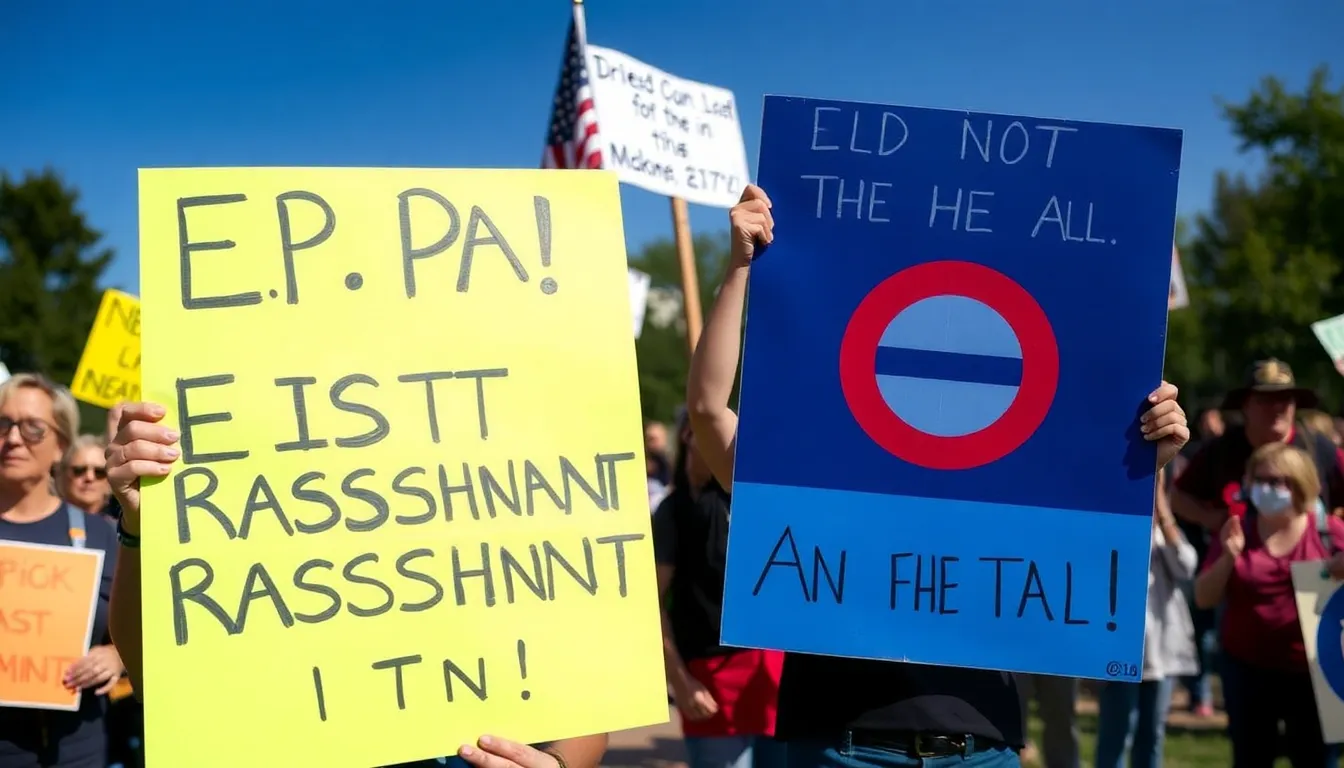
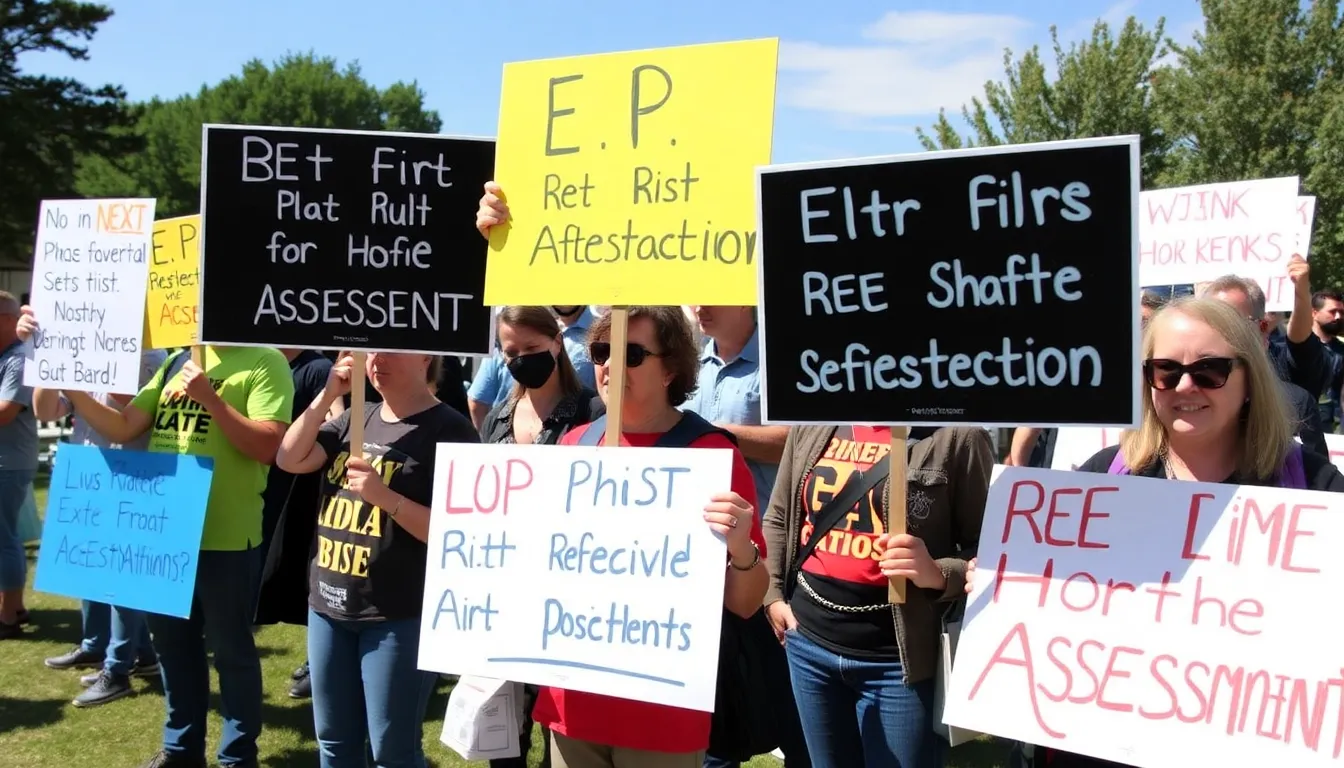
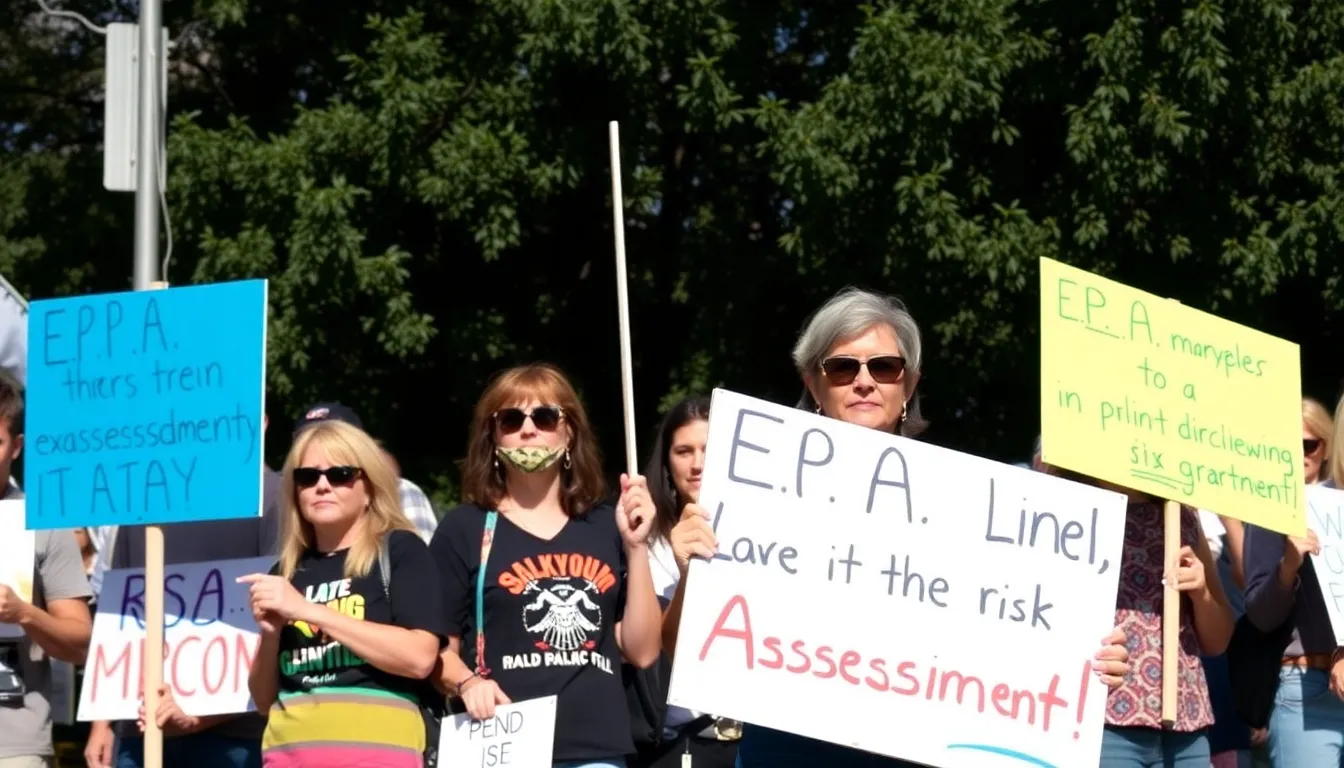
Conversely, environmental organizations and public health advocates strongly oppose the repeal, emphasizing the potential risks to air quality and climate stability. They argue that the Endangerment Finding is crucial for protecting public health and the environment, and its repeal could lead to increased greenhouse gas emissions and exacerbate climate change effects.
- Economic Interests: Industries favor repeal for reduced costs, while environmental groups highlight the long-term economic benefits of a healthy environment.
- Legal Challenges: The repeal could face significant legal hurdles, as environmental laws often require scientific evidence to support regulatory changes.
- Public Health Concerns: The potential rise in pollutants poses risks not only to environmental health but also to public health, raising ethical questions about the administration’s priorities.
- Political Dynamics: The repeal reflects broader political ideologies regarding environmental regulation, with implications for future policy directions.
- International Implications: The U.S. stance on climate regulations affects global efforts to combat climate change, potentially isolating the country from international agreements.
As these stakeholders navigate their interests, the conflicts and trade-offs become increasingly pronounced, revealing the larger implications of the E.P.A.’s decision on environmental policy and public health. Understanding these dynamics is essential for grasping the full impact of the repeal on society and the environment.
Potential Impacts on Public Health and the Environment
The repeal of the Endangerment Finding by the E.P.A. is poised to affect various groups, including environmental advocacy organizations, public health agencies, and vulnerable communities. Industries such as fossil fuels, transportation, and manufacturing may also experience significant changes in regulatory oversight. Regions heavily reliant on coal and oil production could see immediate economic shifts.
In the short term, communities may face increased air pollution levels, leading to heightened respiratory issues and other health risks. Vulnerable populations, including children and the elderly, are particularly susceptible to the adverse effects of air quality deterioration. This could result in increased healthcare costs and a strain on public health systems.
Mid-term impacts may include shifts in business practices as companies navigate the changing regulatory landscape. While some industries might benefit from reduced regulations, others, especially those focused on sustainability, could find themselves at a competitive disadvantage. This could lead to a broader debate about environmental responsibility and corporate accountability.
- Increased health risks for vulnerable populations
- Economic shifts in fossil fuel-dependent regions
- Potential growth opportunities for renewable energy sectors
- Changes in public policy and advocacy efforts
While the repeal may present risks, it also opens the door for potential opportunities in innovation and investment in cleaner technologies. As public awareness of climate issues grows, companies that pivot towards sustainable practices may gain a competitive edge, fostering new economic growth and job creation in the green sector.
A: The Endangerment Finding is a legal determination by the E.P.A. that greenhouse gases pose a threat to public health and welfare. It serves as a foundation for regulating emissions under the Clean Air Act. A: The E.P.A. is pursuing the repeal as part of a broader agenda to roll back environmental regulations that they argue hinder economic growth. This move has sparked significant debate among environmentalists and public health advocates. A: Key stakeholders include the E.P.A., environmental advocacy groups, industry representatives, and the general public. Each group has differing perspectives on the implications of the repeal. A: Repealing the finding could lead to increased greenhouse gas emissions, potentially worsening climate change and public health issues. It may also affect regulatory frameworks that rely on this finding. A: Public opinion is divided, with some supporting the repeal for economic reasons while others express concern over environmental and health impacts. Polls indicate a growing awareness of climate issues.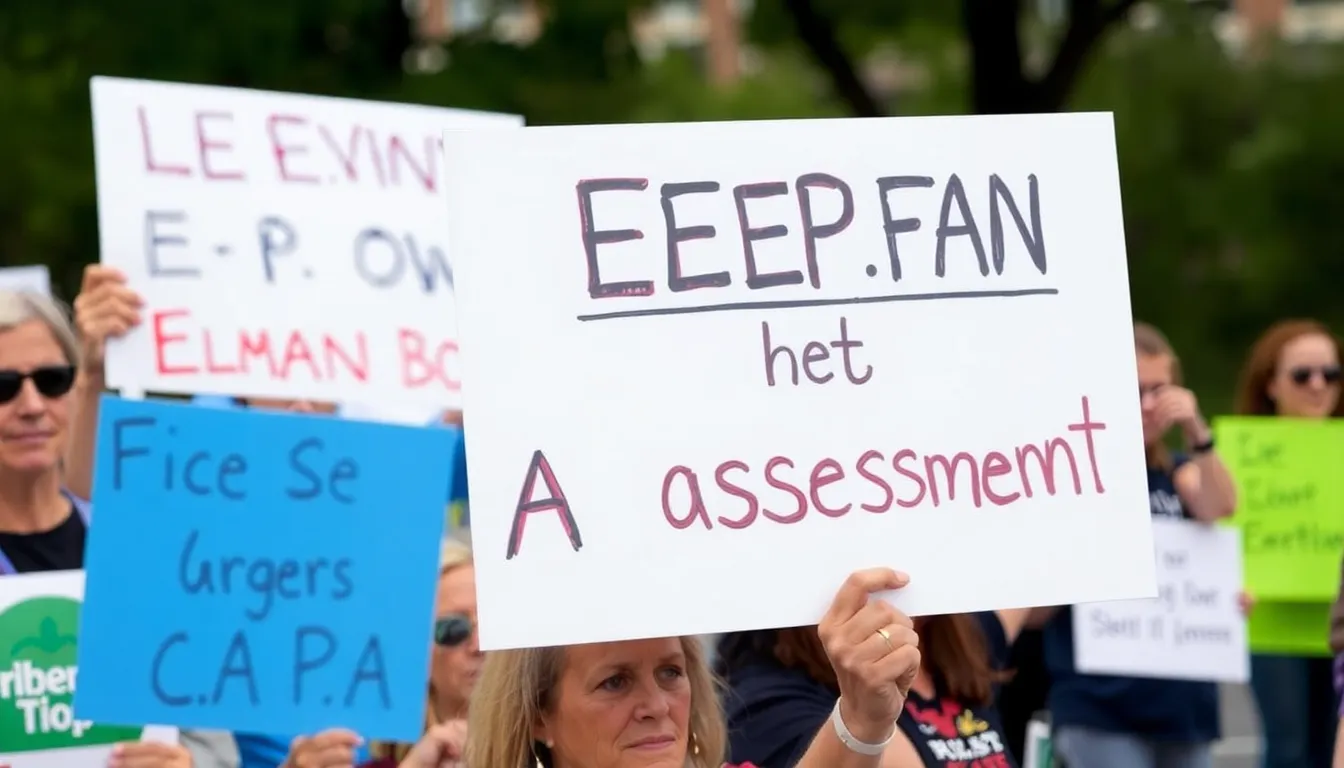
Frequently Asked Questions About the Repeal
Key Insights and Future Outlook on Environmental Policy
The recent efforts by the E.P.A. to repeal the Endangerment Finding signify a pivotal moment in U.S. environmental policy. This move not only reflects the current administration’s stance on climate change but also raises questions about the long-term implications for public health and environmental protection. As the regulatory landscape shifts, stakeholders must remain vigilant in monitoring the potential consequences of these changes.
Looking ahead, it is essential to consider how this repeal may influence both federal and state-level environmental initiatives. The interplay between regulatory frameworks and public sentiment will likely shape future legislative actions and policy debates.
- Increased State-Level Action: States may take the lead in implementing their own environmental regulations, especially if federal standards are rolled back.
- Public Health Concerns: The repeal could have significant implications for air quality and public health, prompting increased advocacy for stronger protections.
- Market Responses: Businesses may need to adapt to changing regulations, potentially leading to innovation in clean technologies and sustainable practices.
- Legal Challenges: Expect a rise in litigation as environmental groups and states may challenge the E.P.A.’s decisions in court.
- Global Implications: The U.S. stance on climate policy could affect international agreements and global efforts to combat climate change.