


The anticipated model is expected to be positioned below Ford’s current electric offerings, such as the F-150 Lightning, which has gained popularity but comes with a higher price tag. Ford executives have indicated that the new truck will feature essential capabilities and technologies that appeal to both traditional pickup truck owners and new electric vehicle buyers.
This initiative is part of Ford’s broader strategy to invest over $50 billion in electric vehicle development by 2026, a move that aligns with the industry’s shift towards electrification and the growing demand for sustainable transportation solutions.
With the growing demand for sustainable transportation solutions, Ford’s upcoming electric pickup is positioned to capture the interest of environmentally conscious consumers. The launch is particularly timely as the U.S. government continues to promote electric vehicle adoption through various incentives and infrastructure investments. Ford’s commitment signals its recognition of the changing landscape in the automotive sector.
The rise of electric vehicles and market demand
In recent years, the automotive industry has experienced a profound transformation, largely driven by the increasing demand for electric vehicles (EVs). This shift is fueled by a combination of environmental concerns, advancements in battery technology, and changing consumer preferences. As governments around the world implement stricter emissions regulations and offer incentives for EV purchases, manufacturers are racing to develop affordable and efficient electric options to meet this new market demand.
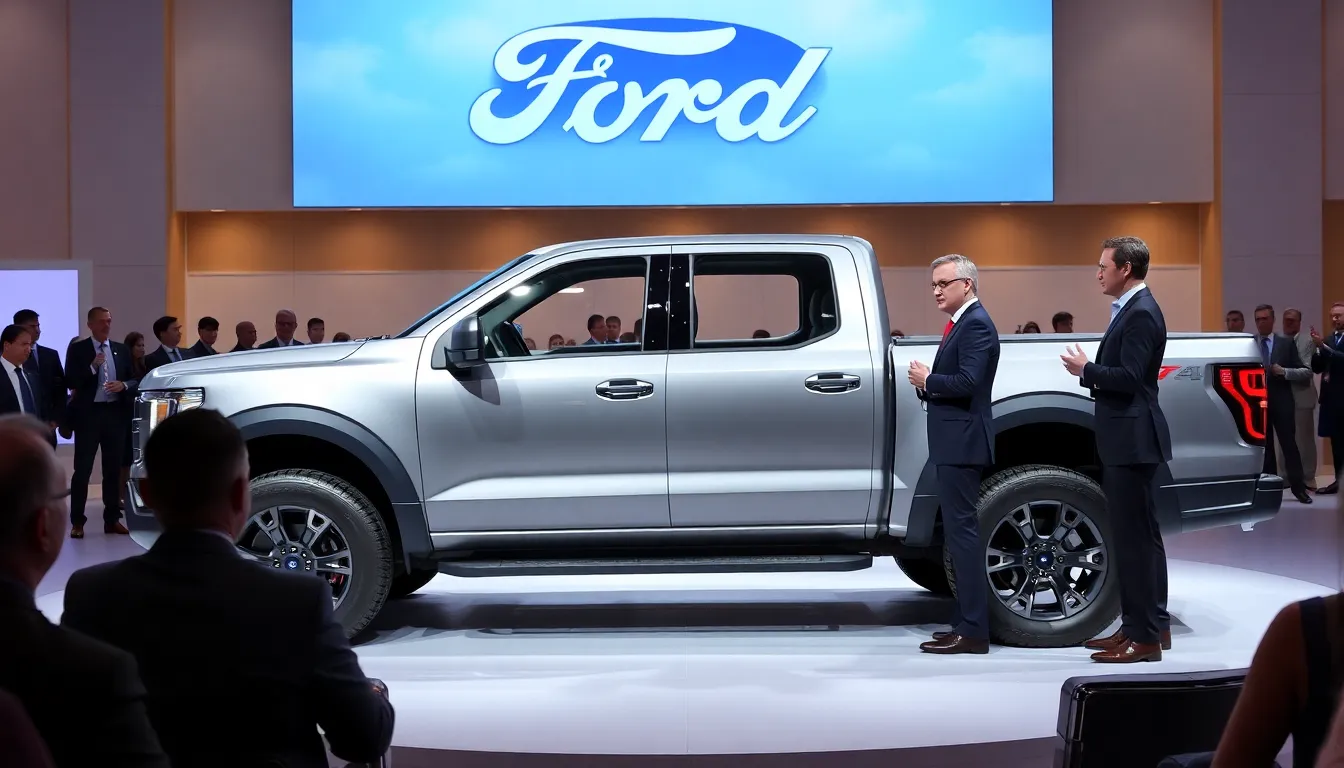
Ford, one of the oldest and most iconic American automakers, has been navigating this transition with a keen eye on the future, similar to the broader trends seen in the electric vehicle market.
Key milestones in Ford’s electric vehicle strategy
One of the significant milestones in Ford’s electric vehicle journey was the launch of the Mustang Mach-E in late 2020, which was pivotal as it showcased Ford’s ability to blend its legacy with modern technology.
Despite these advancements, Ford has faced challenges in delivering an affordable electric pickup truck. Supply chain disruptions, particularly during the COVID-19 pandemic, have impacted production timelines and costs. However, Ford’s recent assurances that an affordable electric pickup is still on track for release next year reflect the company’s commitment to overcoming these obstacles and meeting consumer expectations.
As the competition intensifies and consumer awareness grows, the success of Ford’s electric pickup will hinge on its ability to balance affordability with performance and range. The automotive landscape is evolving rapidly, and Ford’s forthcoming model could play a crucial role in shaping the future of electric pickups in a market that is increasingly leaning towards sustainability.
Key stakeholders and the competitive landscape in the electric pickup market
The announcement from Ford regarding an affordable electric pickup truck set to launch next year highlights a complex interplay of stakeholders in the automotive industry. Key players include Ford itself, competing automakers, consumers, environmental advocacy groups, and regulatory bodies. Each of these stakeholders has distinct interests that shape the market dynamics.
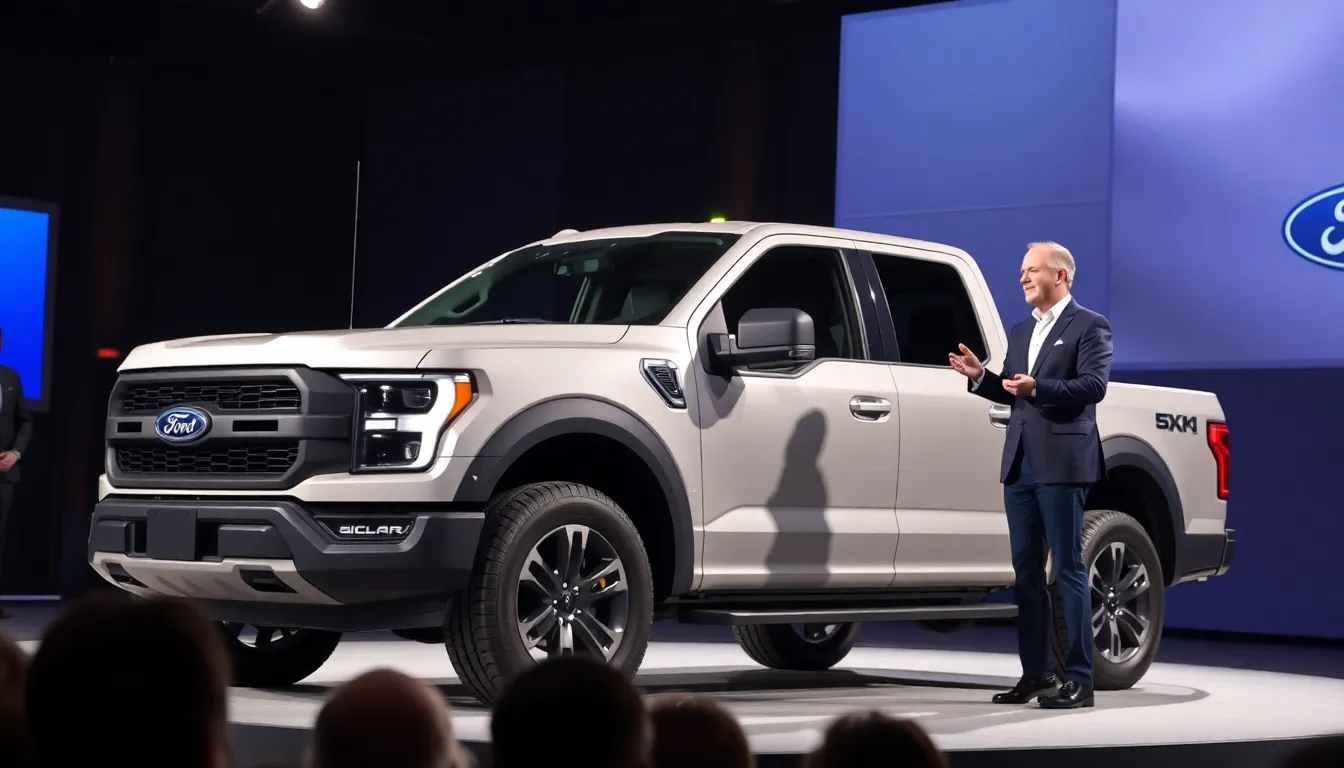
Ford’s primary interest lies in maintaining its competitive edge in the rapidly evolving electric vehicle (EV) market. As traditional automakers pivot towards electrification, Ford aims to capture a significant share of the growing demand for electric pickups, which have become increasingly popular among consumers. This initiative also aligns with Ford’s broader strategy to reduce carbon emissions and enhance sustainability.
Competing automakers, such as Tesla, General Motors, and Rivian, are closely monitoring Ford’s moves. Each company has invested heavily in electric vehicle technology and is vying for dominance in the electric pickup segment. The competitive landscape is marked by a race to innovate and deliver vehicles that meet consumer expectations in terms of price, range, and features.
- Consumer Demand: There is a strong consumer demand for affordable electric pickups, driven by rising fuel prices and increased environmental awareness.
- Economic Considerations: The pricing strategy for Ford’s electric pickup will be crucial, especially as consumers weigh the total cost of ownership against traditional gasoline vehicles.
- Regulatory Pressure: Governments are implementing stricter emissions regulations, which may influence the speed and scale of electric vehicle production.
- Technological Advancements: Continuous advancements in battery technology and charging infrastructure will play a significant role in shaping consumer acceptance and market growth.
- Environmental Impact: Advocacy groups are pushing for more sustainable practices in vehicle manufacturing, which could affect Ford’s production methods and materials used.
Legal and economic issues also loom large in this competitive environment. Patent disputes over battery technology or EV design could hinder progress, while fluctuating raw material costs for batteries may impact pricing strategies. Moreover, as Ford seeks to balance affordability with profitability, it must navigate the challenges of scaling production while maintaining quality and safety standards.
Potential market impact and consumer response to Ford’s announcement
The announcement from Ford regarding an affordable electric pickup truck slated for next year has significant implications for various stakeholders, including consumers, automotive manufacturers, and the broader electric vehicle (EV) market. This move is particularly crucial for regions heavily reliant on the automotive industry, such as the Midwest in the United States, where Ford has a strong manufacturing presence.
In the short term, consumers may experience increased interest and excitement around electric vehicles, especially among pickup truck enthusiasts who have previously been hesitant to make the switch from traditional gas-powered trucks. The affordability of Ford’s upcoming model could lead to a surge in EV adoption among cost-conscious buyers who prioritize utility and value.
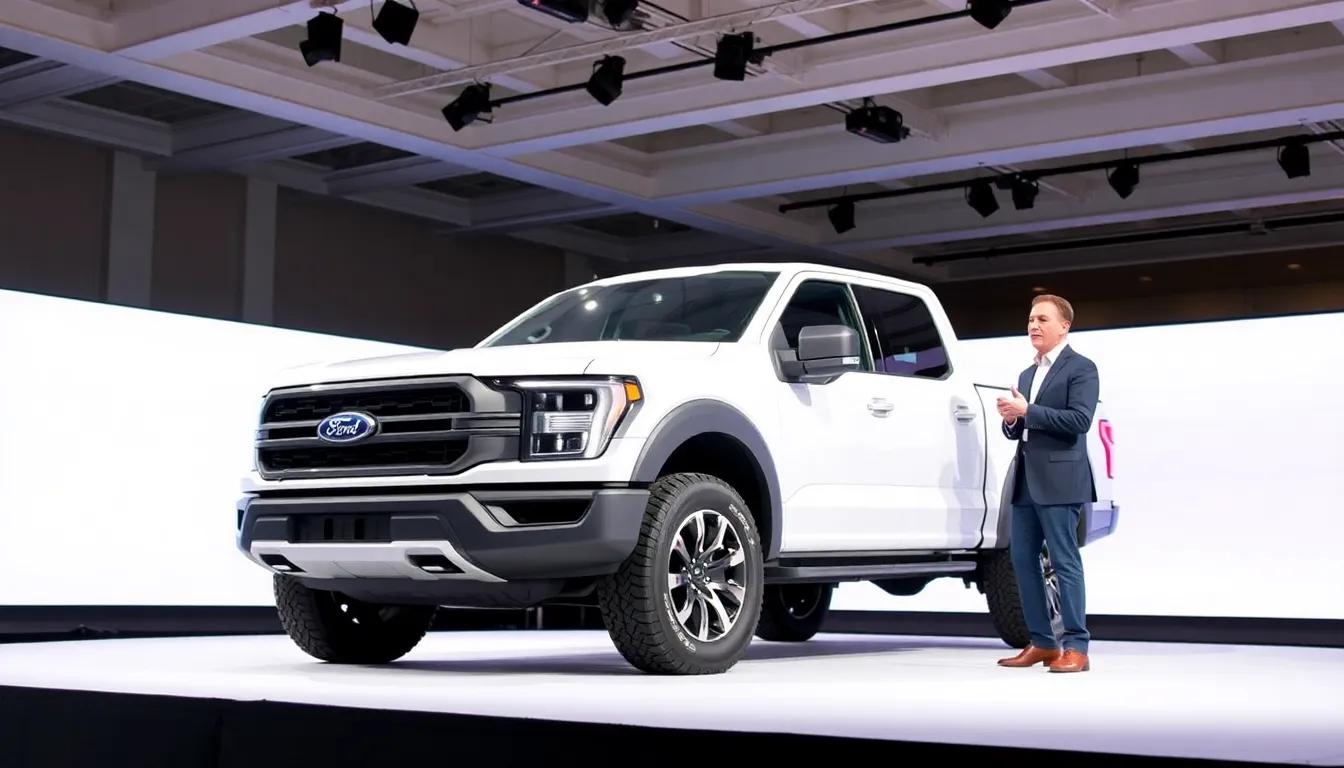
On the business side, Ford’s announcement could pressure other automakers to accelerate their own electric vehicle offerings, particularly in the pickup segment. This competitive landscape may drive innovation and lower prices across the industry, benefiting consumers. However, it also poses risks for companies that are slow to adapt, potentially leading to market share losses.
- Opportunities: Increased job creation in EV manufacturing and supporting industries.
- Risks: Traditional automakers may face financial strain if they cannot pivot quickly enough to meet changing consumer preferences.
- Market Dynamics: A potential shift in consumer loyalty as more affordable EV options become available.
In the mid-term, the impact of Ford’s electric pickup could extend to policy discussions surrounding environmental regulations and incentives for EV adoption. Policymakers may be encouraged to support infrastructure development, such as charging stations, to accommodate the expected increase in electric vehicle usage. This could lead to more robust investment in green technologies and sustainable practices within the automotive sector.
A: Ford has announced that the electric pickup truck is expected to be available next year, although a specific release date has not yet been provided. A: While specific features have not been disclosed, the truck is anticipated to include advanced technology, competitive range, and pricing aimed at affordability. A: Ford’s electric pickup is expected to compete with other brands in terms of price, performance, and features, aiming to capture a significant share of the growing electric vehicle market. A: Ford is focusing on expanding its electric vehicle lineup, investing heavily in EV technology, and aiming to meet increasing consumer demand for sustainable transportation. A: While specific incentives have not been announced, buyers may benefit from federal or state tax credits for electric vehicles, depending on local regulations.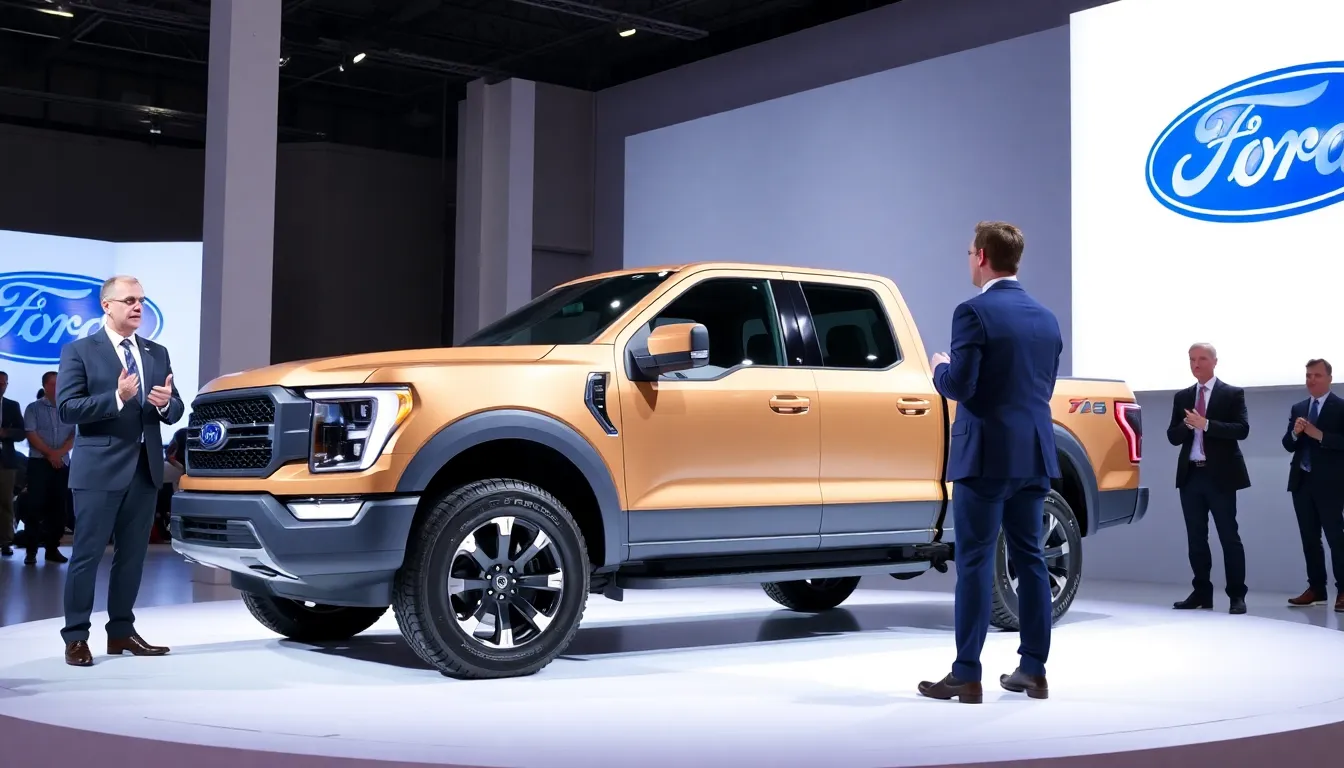
Frequently asked questions about Ford’s electric pickup truck
Looking ahead: The future of affordable electric trucks
Ford’s commitment to introducing an affordable electric pickup truck next year signals a significant shift in the automotive landscape. As competition intensifies among manufacturers, the emphasis on cost-effective electric vehicles may reshape consumer expectations and market dynamics. The anticipated launch could not only attract a broader audience to electric vehicles but also challenge other automakers to accelerate their own plans for affordable options.
As the automotive industry navigates the transition to electric mobility, the success of Ford’s upcoming model will be closely monitored. Key factors such as pricing, range, and consumer adoption will play critical roles in determining its impact on the market. Observers should pay attention to how Ford positions this vehicle against established gas-powered pickups and the responses from competitors in the coming months.
- Market Demand: Watch for consumer interest and sales figures as Ford’s electric pickup enters the market, which could indicate broader acceptance of electric vehicles.
- Competitive Landscape: Monitor how other manufacturers respond with their own affordable electric models, potentially shifting the market dynamics.
- Technological Advancements: Keep an eye on innovations in battery technology and charging infrastructure that may enhance the appeal of electric trucks.
- Government Policies: Consider the influence of regulatory incentives and environmental policies that could support the adoption of electric pickups.
- Consumer Education: Note the importance of consumer awareness and education on the benefits of electric trucks, which will be crucial for widespread acceptance.