


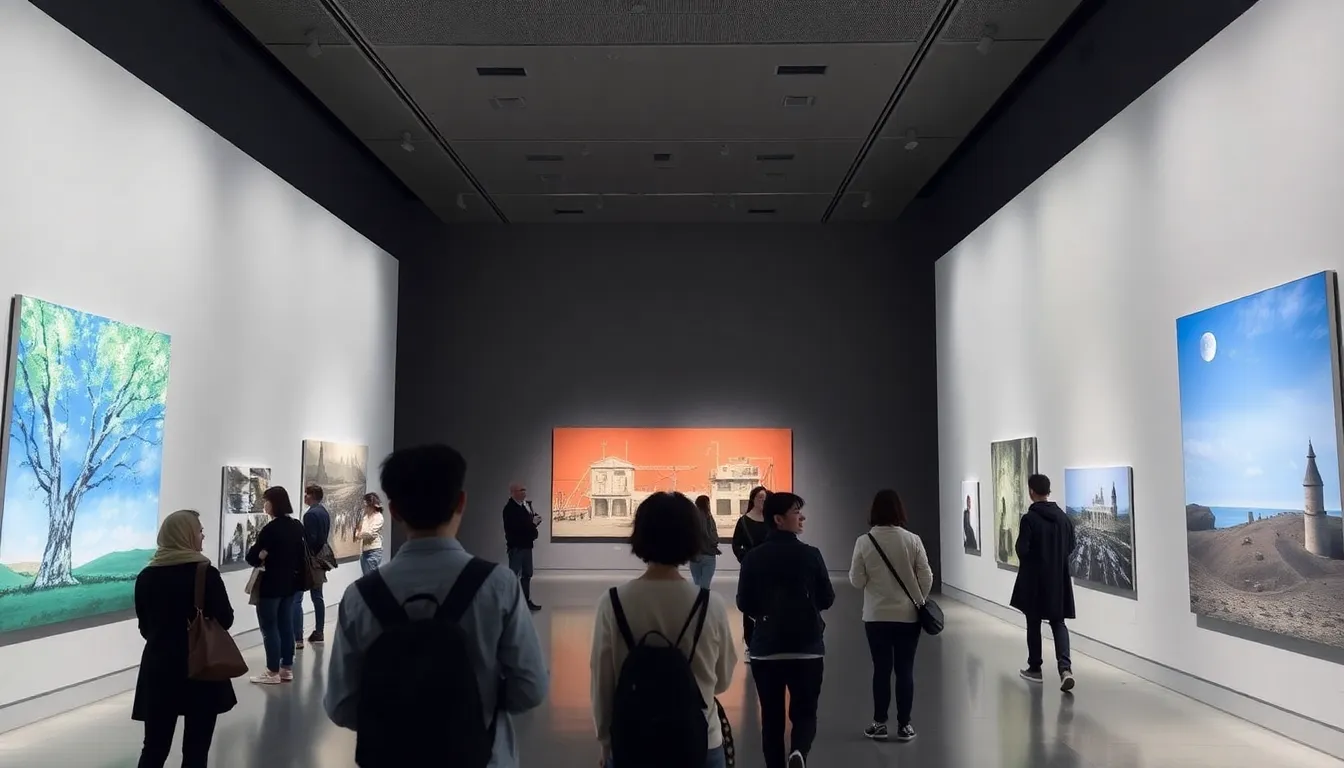
On October 10, 2023, the opening of an exhibition titled “The Weight of Oil” at the Museum of Modern Art featured pieces that integrate oil and plastic, emphasizing the paradox of beauty and pollution. This exhibition has drawn attention from critics and environmentalists alike, sparking debates about the ethics of using such materials in artistic expressions. The juxtaposition of art and environmental degradation raises questions about the responsibilities of artists and institutions in addressing climate issues, similar to how artistic endeavors can reflect and address societal concerns.
Simultaneously, a new installation in Paris titled “Moonlight and Shadows” explores the darker side of lunar exploration, linking it to the extraction of resources on Earth. This installation, which opened on October 12, 2023, has been praised for its innovative approach but criticized for its ties to industries that contribute to ecological harm. The connection between space exploration and fossil fuel dependency serves as a reminder of the complex relationship between progress and environmental responsibility, similar to the artistic shifts seen throughout different genres.
As discussions around fossil fuels in art gain momentum, the role of artists as activists is becoming increasingly prominent. Many creators are using their platforms to advocate for change, urging audiences to reconsider their relationship with the environment. This week’s exhibitions serve as a critical reflection of our times, prompting a broader discourse on sustainability in the arts.
Understanding the environmental backdrop of the current art scene
The intersection of art and environmental issues has become increasingly pronounced in recent years, as artists grapple with the implications of climate change and the exploitation of natural resources. The art world has historically mirrored societal concerns, and today, the urgent discourse surrounding fossil fuels and ecological degradation is no exception. The rise of environmental art can be traced back to the 1960s and 1970s, when artists began to use their platforms to address the growing awareness of environmental crises, paving the way for contemporary artists to engage with these themes in innovative ways, much like how various social movements have shaped public consciousness.

Political and economic factors have significantly influenced the relationship between art and the environment. The fossil fuel industry, long a cornerstone of global economies, has faced increasing scrutiny as the consequences of climate change become more apparent. This scrutiny has sparked a cultural shift, prompting artists to respond to the devastating effects of pollution, habitat destruction, and climate-related disasters. As public sentiment shifts towards sustainability, art has emerged as a powerful tool for advocacy, pushing for awareness and action against the backdrop of corporate greed and environmental negligence.
The role of exhibitions in shaping discourse
Exhibitions focused on environmental themes have gained traction, serving as platforms for artists to challenge viewers and provoke thought. Notable events, such as the Venice Biennale’s recent focus on climate change and sustainability, exemplify how art institutions are responding to global crises. These exhibitions not only showcase artworks that critique environmental policies but also create spaces for dialogue on the future of our planet. As artists collaborate with scientists and activists, their work often transcends aesthetics, becoming a vital part of the environmental movement.
Key milestones in this evolving narrative include the establishment of organizations dedicated to environmental art, such as the Center for Art + Environment, which archives and promotes art that engages with ecological issues. Furthermore, the rise of digital art and social media has enabled artists to reach broader audiences, amplifying their messages about the urgent need for environmental stewardship. As the art world continues to adapt and respond to these pressing challenges, it remains a critical arena for exploring the complexities of humanity’s relationship with the planet.
Examining the key stakeholders in the art and fossil fuel debate
The intersection of art and fossil fuels brings together a diverse array of stakeholders, each with distinct interests and perspectives. Artists, galleries, environmental organizations, and government entities are at the forefront of this complex dialogue. Their interactions often reveal underlying conflicts and trade-offs that merit closer examination.
Artists are increasingly aware of the environmental implications of their materials and methods, leading to a growing movement towards sustainable practices. However, the allure of fossil fuel sponsorship in the art world presents a significant dilemma. Many artists grapple with the ethical considerations of accepting funding from companies associated with environmental degradation.

Environmental organizations play a crucial role in advocating for change within the art community. They often highlight the negative impacts of fossil fuels on climate change and biodiversity. These groups may pressure artists and institutions to sever ties with fossil fuel sponsors, emphasizing the importance of aligning artistic values with ecological responsibility.
- Government regulations on fossil fuel emissions can influence funding for the arts.
- The art market’s dependence on fossil fuel sponsorship raises questions about the integrity of artistic expression.
- Public sentiment regarding climate change can sway the decisions of galleries and museums.
- Artists face the challenge of balancing financial support with ethical considerations.
- Collaborations between art and environmental advocacy can lead to innovative solutions.
In this context, the legal and economic implications are significant. As governments implement stricter environmental policies, the financial landscape for fossil fuel companies may shift, impacting their ability to sponsor art initiatives. This evolving scenario requires stakeholders to navigate a delicate balance between financial viability and ethical responsibility.
The effects of fossil fuel discussions on artists and audiences
The ongoing conversation around fossil fuels has a profound impact on various groups, particularly artists, environmental activists, and the general public. Artists are increasingly using their platforms to address climate change and the consequences of fossil fuel dependency. This shift not only influences the themes and messages in their work but also engages audiences who are becoming more aware of environmental issues.
In the short term, artists integrating themes of climate change into their work may experience heightened interest and attendance at exhibitions or performances. This could lead to increased sales and funding opportunities for projects that emphasize sustainability. However, the backlash from fossil fuel industries could also pose risks, as these companies may withdraw sponsorship or support from art institutions that take a strong stance against them.
In the mid-term, the impacts extend beyond the art world. As public discourse around fossil fuels intensifies, businesses in sectors reliant on fossil fuels may face greater scrutiny and pressure to adopt sustainable practices. This could lead to policy changes that favor renewable energy sources, creating opportunities for innovation and growth in green technologies.
- Risks: Potential loss of funding from fossil fuel companies.
- Opportunities: Increased public interest in sustainable art and practices.
- Policy Changes: Shift towards renewable energy that could benefit artists and businesses focused on sustainability.
Regions heavily dependent on fossil fuel industries may experience economic shifts as the demand for cleaner energy alternatives grows. This could lead to job losses in traditional sectors but also create new employment opportunities in renewable energy and sustainable practices. Artists and cultural institutions in these areas can play a pivotal role in facilitating this transition, using their influence to advocate for change and support local economies.
A: Fossil fuels often serve as both a subject and a medium in contemporary art, prompting discussions about environmental impact and sustainability. A: Several exhibitions have recently highlighted themes of climate change and pollution, showcasing works that challenge the viewer’s perception of fossil fuels. A: Artists like Olafur Eliasson and Ai Weiwei are known for their works that engage with environmental issues, including the implications of fossil fuel consumption. A: As public awareness of climate change grows, artists are increasingly using their platforms to critique fossil fuel dependency and advocate for sustainable practices. A: Art serves as a powerful tool for raising awareness, inspiring action, and fostering dialogue about environmental issues and the fossil fuel industry.
Frequently asked questions about art and environmental issues
Key insights and future outlook on art’s relationship with fossil fuels
The intersection of art and environmental issues has become increasingly prominent, particularly as artists grapple with the implications of fossil fuel dependency. This week’s exhibitions and installations highlight not only the aesthetic dimensions but also the ethical considerations surrounding the use of materials derived from fossil fuels. As the art world navigates these complex themes, the dialogue around sustainability and responsibility continues to evolve.
Looking ahead, the art community is poised to play a crucial role in shaping public perception and encouraging action against climate change. The integration of eco-conscious practices into artistic expression may influence future trends, prompting both artists and audiences to reconsider their relationship with the environment.
- Artists are likely to increasingly explore themes of sustainability, prompting a shift in how materials are sourced and utilized.
- Exhibitions that address environmental issues may attract wider audiences, bridging the gap between art and activism.
- Collaboration between artists and environmental organizations could lead to innovative projects that raise awareness about fossil fuel impacts.
- As public interest in climate issues grows, art institutions may prioritize eco-friendly practices in their operations and programming.
- The exploration of alternative materials could inspire new artistic movements focused on sustainability and ecological responsibility.