


Johansson’s remarks come as part of a growing conversation about the treatment of women in Hollywood, particularly during a time when public figures were often objectified. The early 2000s saw a wave of young actresses, including Lindsay Lohan and Britney Spears, facing relentless media attention that focused on their looks rather than their talents. This era is now being reevaluated in light of contemporary discussions about mental health and self-image, which have been extensively covered in various articles.
Her statements resonate with many who have experienced similar pressures, highlighting the need for change in how society perceives and discusses women’s appearances. The conversation is particularly timely as the entertainment industry continues to grapple with issues of representation and the impact of social media on self-esteem. Johansson’s candidness serves as a reminder of the challenges that persist for women in the spotlight, much like those faced by celebrities in recent reports.
As public awareness grows around these issues, Johansson’s insights could inspire further dialogue on the responsibilities of media and audiences in shaping a more supportive environment for young women in the industry. This moment reflects a critical shift towards acknowledging and addressing the harmful effects of societal expectations on personal well-being.
Understanding the societal norms of the early 2000s
The early 2000s were marked by a distinct set of societal norms that heavily influenced the entertainment industry, particularly for young actresses. During this period, a prevailing culture of hyper-criticism regarding physical appearance emerged, largely fueled by tabloid media and a burgeoning internet culture. This era saw the rise of celebrity gossip websites and magazines that often focused on the physical attributes of actresses, leading to an environment where young women were frequently judged and scrutinized for their looks.
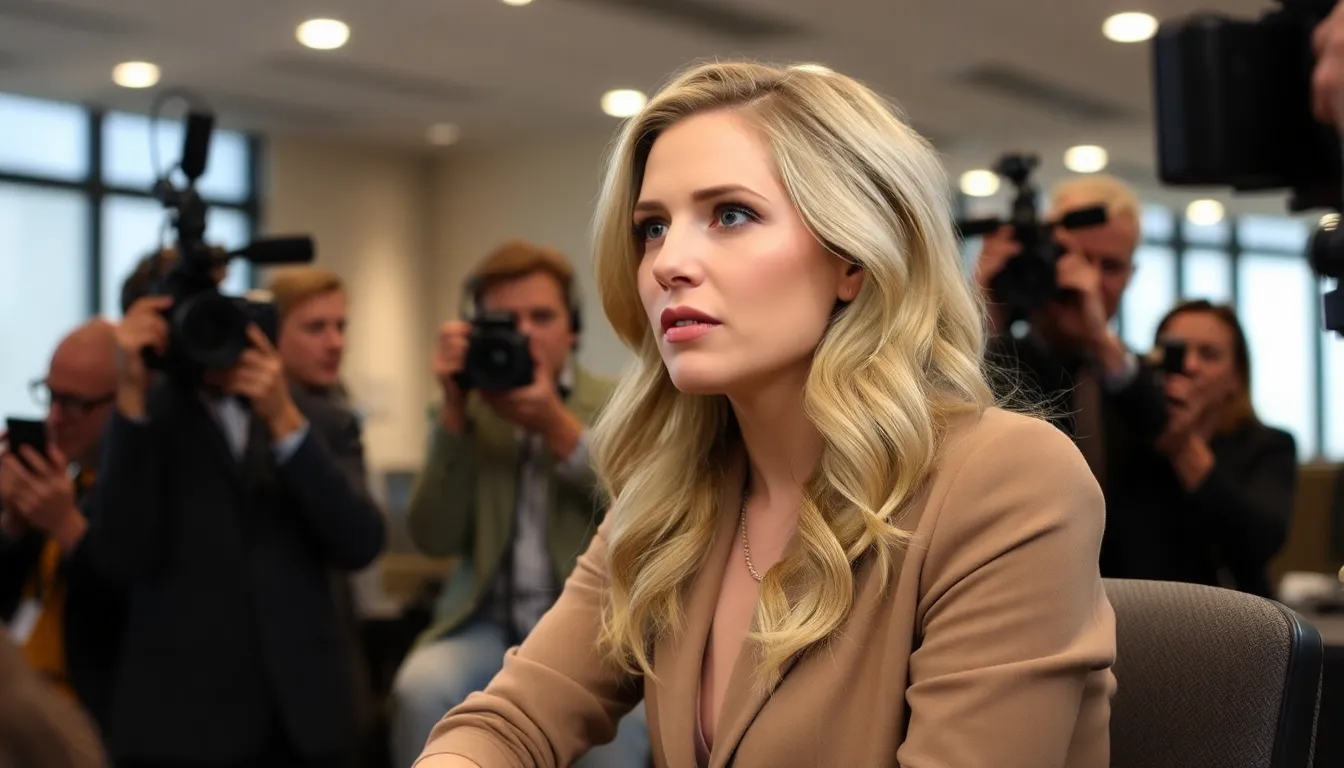
In the context of Hollywood, this scrutiny was not only commonplace but also socially acceptable. Actresses like Scarlett Johansson, who rose to fame during this time, found themselves at the center of intense media attention. The pressure to conform to narrow beauty standards was immense, with many actresses feeling the need to fit into a specific mold to succeed. This environment fostered a culture where it was deemed acceptable to “pull apart” young actresses, critiquing their appearances in a way that would likely be considered unacceptable today.
The role of media and public perception
The media played a significant role in shaping public perception of beauty and success in Hollywood. The early 2000s saw a shift toward a more sensationalist approach to celebrity news, where the personal lives and appearances of actresses were often dissected and discussed in detail. This not only affected how actresses viewed themselves but also influenced the expectations placed upon them by producers, directors, and the public. The pervasive nature of this scrutiny contributed to a toxic environment that prioritized looks over talent, making it difficult for young actresses to navigate their careers without facing harsh judgments.
Moreover, the lack of diversity in representation during this time meant that there were limited role models for young women in the industry. The focus was predominantly on a specific type of beauty, which marginalized those who did not fit within these narrow confines. As a result, many actresses experienced a sense of isolation and pressure to conform, leading to a challenging and often painful journey in their careers.
As society has evolved, so too has the conversation around beauty standards and the treatment of women in the entertainment industry. The reflections of actresses like Scarlett Johansson serve as a reminder of the progress that has been made, as well as the ongoing need for change in how women are perceived and celebrated in Hollywood.
The impact of media and public perception on young female stars
Scarlett Johansson’s recent remarks highlight a significant issue that has long plagued young actresses in Hollywood. During the early 2000s, the entertainment industry was marked by a culture that often scrutinized and objectified female talent based on their physical appearance. This phenomenon not only affected the mental health and self-esteem of these young women but also shaped the broader narrative around beauty standards in media, similar to the themes discussed in articles about contemporary public figures.

Key stakeholders in this issue include:
- Actresses: Young female stars like Johansson who faced intense scrutiny and pressure to conform to specific beauty ideals.
- Media Outlets: Publications and entertainment news channels that perpetuated harmful narratives about female appearances.
- Production Companies: Organizations that often prioritize marketability based on looks over talent and skill.
- Audiences: Consumers of media content who play a role in shaping public perception through their preferences and reactions.
The conflicts arising from this dynamic are multifaceted. Young actresses often found themselves at the mercy of an industry that valued their physical appearance above their talent. This created a trade-off where many felt compelled to conform to unrealistic beauty standards to secure roles, leading to a cycle of self-doubt and anxiety. Additionally, the pressure to maintain a certain image can result in long-term psychological impacts, affecting their careers and personal lives.
From a legal and economic standpoint, the implications of Johansson’s statements are noteworthy. The entertainment industry has seen calls for greater accountability regarding the treatment of women, leading to discussions about potential reforms in hiring practices and representation. Furthermore, the economic interests of production companies may conflict with the need for a more inclusive and diverse portrayal of women, which could ultimately affect their bottom line as audiences increasingly demand authenticity and relatability in media.
In summary, Johansson’s insights shed light on the broader issues of representation, mental health, and industry standards that continue to resonate today. As society evolves, the conversation around these topics remains crucial in shaping a healthier environment for future generations of actresses.
How these pressures affected the careers of young actresses
The early 2000s marked a challenging era for young actresses in Hollywood, where societal pressures and unrealistic beauty standards dominated the narrative. This environment not only affected the individuals directly involved but also had far-reaching implications for the entertainment industry as a whole. Young actresses often found themselves scrutinized and judged based on their appearances, leading to a toxic culture that prioritized looks over talent.
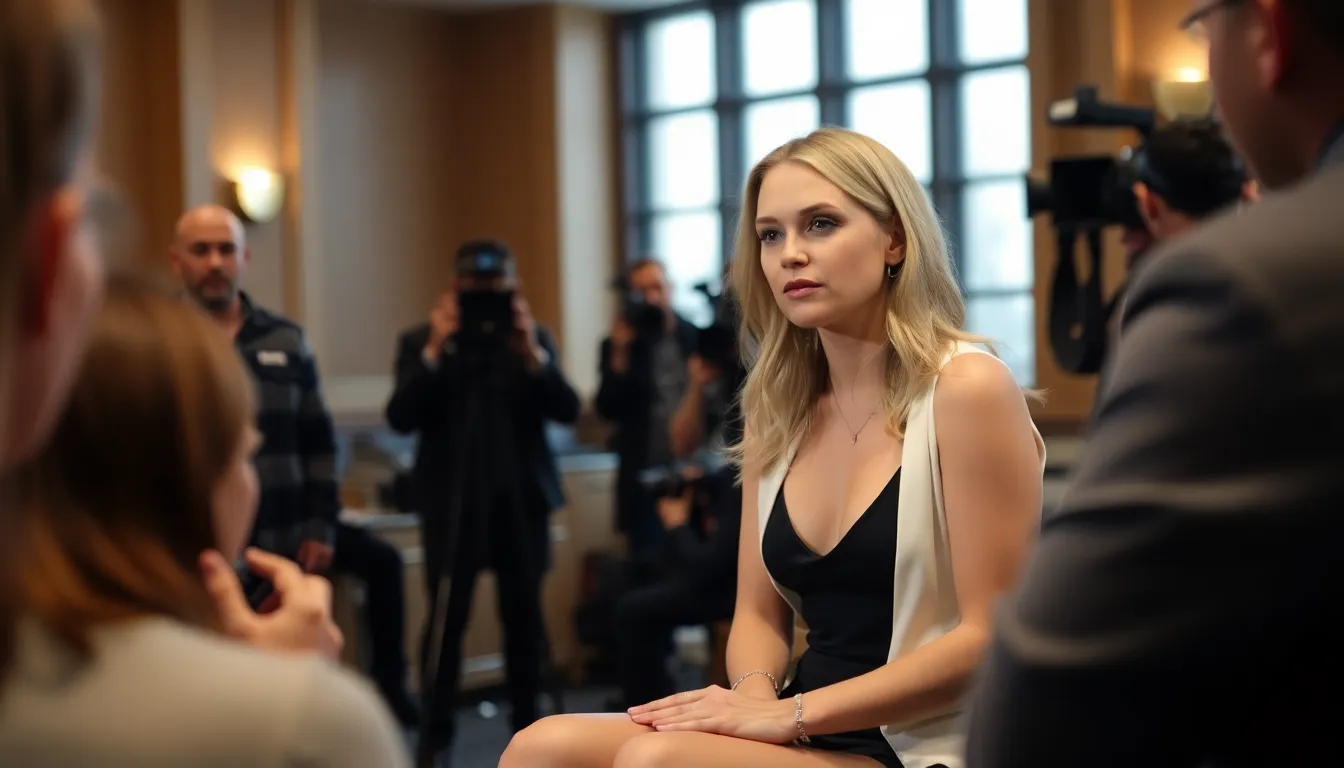
One of the primary groups affected by these pressures were young women in the entertainment industry. Many faced intense media scrutiny, which could result in damaging public perceptions and personal struggles with self-esteem. This environment fostered a cycle of competition among actresses, often leading to mental health issues and impacting their career trajectories. The focus on physical appearance over skill contributed to a lack of diverse roles for women, limiting their opportunities in the industry.
In the short term, the impact on daily life for these actresses included heightened anxiety and the pressure to conform to specific beauty standards. This scenario often led to unhealthy practices, such as extreme dieting or cosmetic procedures, to meet industry expectations. The business side of Hollywood also felt the effects, as studios and production companies prioritized casting based on appearance rather than acting ability, potentially stifling creativity and innovation in storytelling.
In the mid-term, the repercussions of these pressures could lead to policy changes within the industry. As awareness grows around the mental health implications and the need for greater representation, there is an opportunity for advocacy groups to push for more inclusive practices in casting and production. This could ultimately reshape the landscape of Hollywood, allowing for a broader range of stories and characters that reflect the diversity of real-life experiences.
- Risks: Mental health issues among young actresses, perpetuation of unhealthy beauty standards, limited career opportunities.
- Opportunities: Advocacy for inclusive casting practices, promotion of mental health awareness, potential for diverse storytelling.
A: Scarlett Johansson mentioned that it was socially acceptable for young actresses to be harshly judged based on their appearance during the early 2000s. A: The intense scrutiny often led to mental health issues and impacted the careers of many young actresses, making it a challenging environment. A: This topic remains relevant as discussions about body image and the treatment of women in Hollywood continue to evolve. A: There has been a growing awareness and push for more positive representation and less judgment based on appearance in the entertainment industry.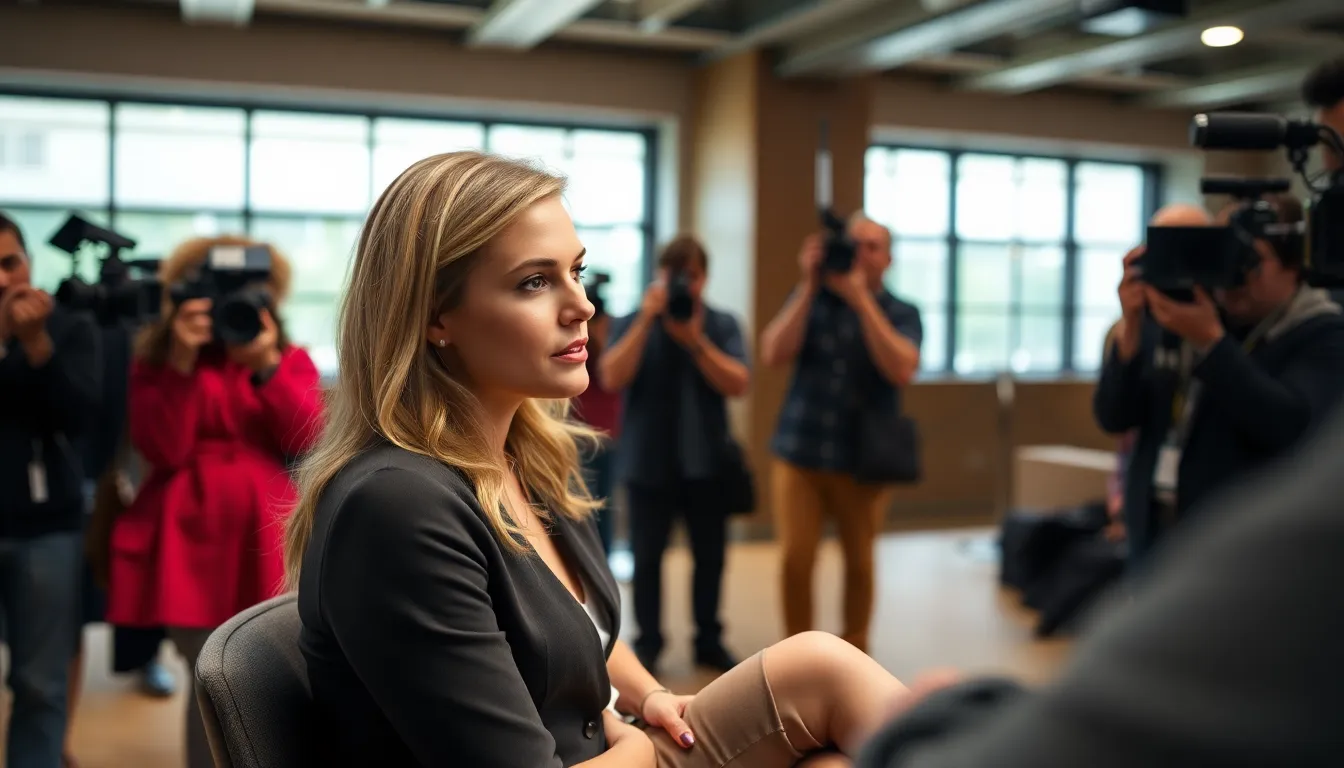
Frequently asked questions about Scarlett Johansson’s comments
Key takeaways from Johansson’s reflections on the past
Scarlett Johansson’s recent comments shed light on the harsh realities faced by young actresses in the early 2000s, highlighting a culture that often prioritized appearance over talent. This reflection not only underscores the challenges of that era but also prompts a broader discussion about the evolution of societal standards and the treatment of women in the entertainment industry.
As the industry continues to evolve, it is essential to recognize the progress made while acknowledging the lingering effects of past practices. Johansson’s insights serve as a reminder of the importance of fostering a more supportive and inclusive environment for all performers, particularly young women navigating the complexities of fame and public scrutiny.
- The entertainment industry must prioritize mental health and well-being, ensuring that young actresses are supported rather than judged based on appearance.
- There is a growing need for a cultural shift that values talent and character over superficial standards, promoting a healthier dialogue around body image.
- Continued advocacy for diversity and representation can help dismantle harmful stereotypes and create a more equitable industry.
- Educational initiatives aimed at young performers can equip them with tools to navigate fame and public perception more effectively.
- Industry stakeholders should actively engage in conversations about the impact of past practices to prevent repeating history and to foster a more positive environment moving forward.