


During the show, Bieber made a notable return to his roots by revisiting his early hits, including the iconic track “Baby.” This choice resonated with the audience, many of whom grew up listening to his music, and prompted a wave of nostalgia as fans shared their favorite memories online. For more on the importance of nostalgia in music, check out our article on Asha Bhosle, the legendary voice of Bollywood.
The artist’s decision to focus on a minimalist aesthetic during his Coachella set reflects a broader trend in the music industry, where simplicity and authenticity are increasingly valued. By stripping down his performance, Bieber allowed his vocal talent and stage presence to take center stage, further engaging the crowd.
In the days leading up to the festival, Bieber was seen binge-watching old YouTube clips of his early performances, a move that sparked discussions among fans and critics alike. This retrospective approach not only highlights his journey in the music industry but also emphasizes the importance of his earlier work in shaping his current identity as an artist.
The significance of Coachella in the music industry
Coachella, officially known as the Coachella Valley Music and Arts Festival, has evolved into one of the most significant cultural events in the music industry since its inception in 1999. Initially a small gathering, it has transformed into a global phenomenon that attracts music lovers, artists, and influencers from around the world. The festival serves as a platform for both established and emerging artists, often setting trends that ripple through the music scene for years to come.
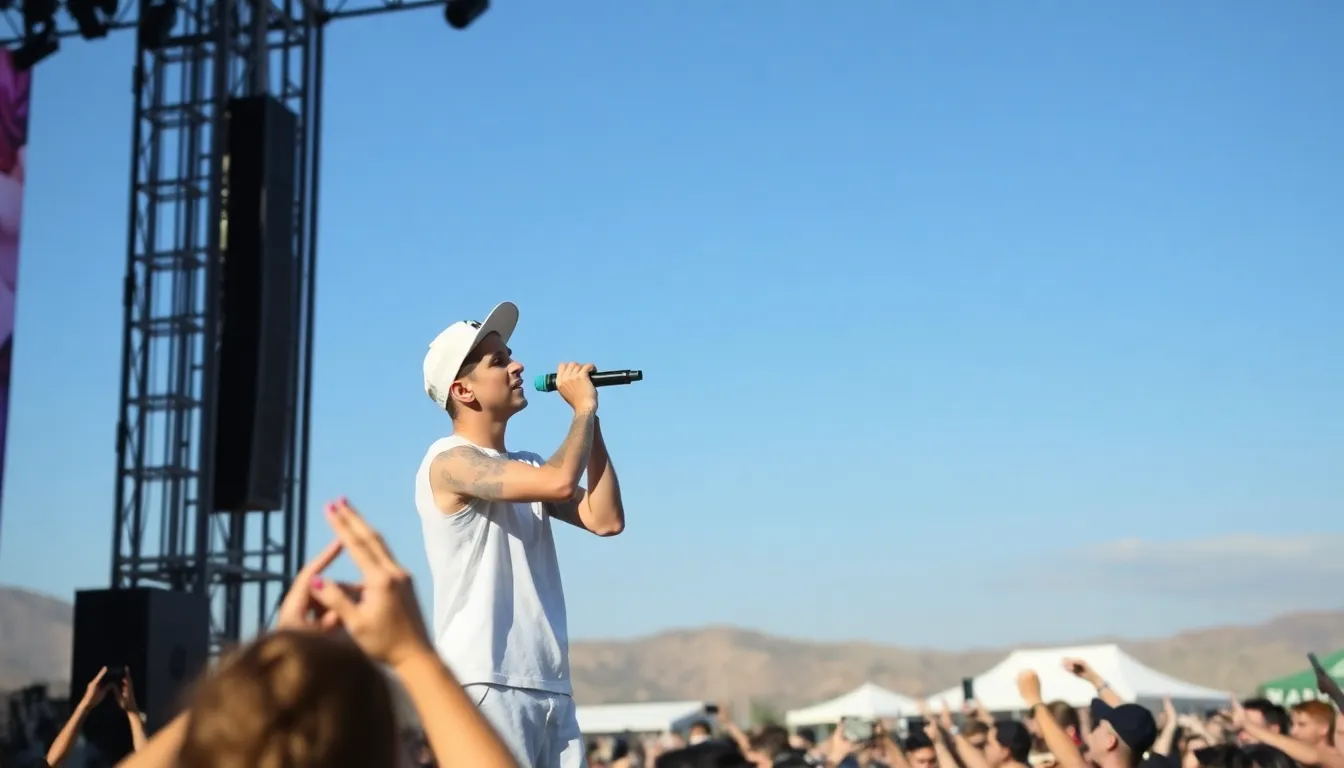
Historically, Coachella has played a pivotal role in shaping the careers of numerous artists. Major acts like Radiohead, Beyoncé, and Prince have graced its stages, while many lesser-known performers have gained international recognition following their appearances. This has created a unique environment where the music industry converges, allowing artists to showcase their work and connect with fans in a vibrant setting, similar to the recent impact seen with BTS launching their $1 billion world tour.
In recent years, the festival has also become a cultural touchstone, influencing fashion, social media, and even politics. The rise of influencer culture has seen celebrities and social media personalities attend Coachella, often documenting their experiences online, which has further amplified the festival’s reach. This intersection of music and social media has allowed artists like Justin Bieber to engage with their audience in innovative ways, reflecting the changing dynamics of the music industry.
Justin Bieber’s Musical Evolution
Justin Bieber’s career trajectory exemplifies the impact of Coachella on an artist’s evolution. Since his debut with the hit single “Baby” in 2010, Bieber has navigated a complex landscape of fame, personal struggles, and musical reinvention. His recent Coachella performance, which favored ‘swag’ songs while also revisiting his early hits, highlights a nostalgic connection to his roots while embracing contemporary sounds. Dive deeper into the pressures faced by artists like Bieber by reading our piece on Scarlett Johansson discussing young actresses in the early 2000s.
This blend of old and new in his setlist not only resonates with long-time fans but also showcases his growth as an artist. By reflecting on his past through old YouTube clips, Bieber taps into a collective memory that many of his fans share, bridging the gap between different phases of his career and emphasizing the importance of Coachella as a backdrop for this artistic expression.
Exploring the blend of modern swag and nostalgic hits
Justin Bieber’s recent performance at Coachella has sparked discussions among fans and industry analysts alike. By favoring ‘swag’ songs that reflect contemporary musical trends while also revisiting his early hits like ‘Baby,’ Bieber is navigating a complex landscape of stakeholder interests. Key actors in this scenario include Bieber himself, his management team, record labels, and the fans who have followed his career from its inception.
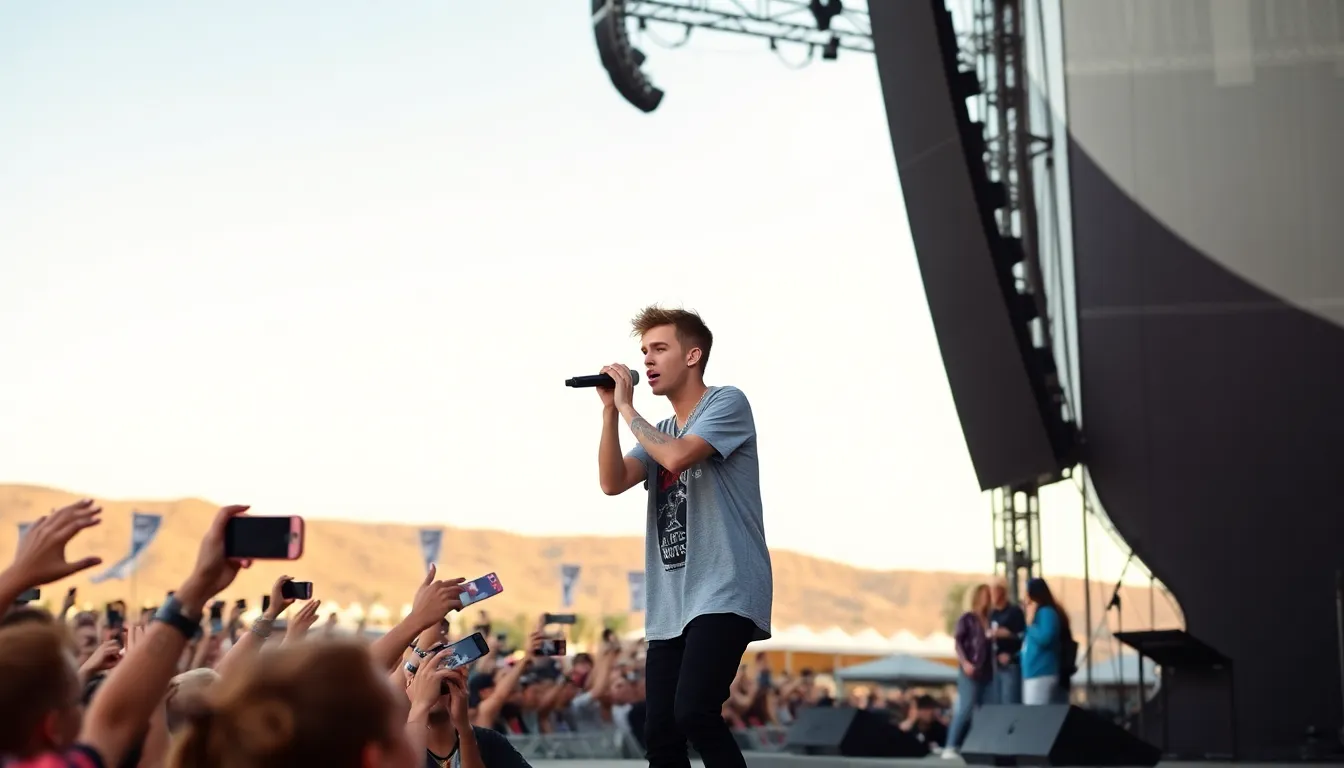
One of the primary interests of Bieber is to maintain relevance in a rapidly changing music industry. By incorporating modern swag elements into his set, he appeals to younger audiences who dominate streaming platforms. However, this approach may conflict with the expectations of long-time fans who cherish his earlier work. The balance between innovation and nostalgia is a tightrope that Bieber must walk to satisfy both demographics.
Record labels also play a significant role in this dynamic. They are interested in maximizing revenue through streaming and concert sales. As artists like Bieber experiment with their sound, labels must adapt their marketing strategies to highlight both new releases and classic hits. This presents a trade-off, as promoting a more diverse setlist could dilute the branding of individual songs.
- Audience Engagement: Fans’ reactions to a blend of new and old music can influence future performances and releases.
- Market Trends: The music industry is increasingly driven by trends in streaming, which can shift rapidly.
- Legal Considerations: Copyright issues may arise when revisiting older tracks, especially if samples or collaborations are involved.
- Economic Factors: The financial implications of touring and merchandise sales are closely tied to an artist’s current popularity.
Moreover, the rise of social media platforms like YouTube, where Bieber’s early hits gained traction, creates an additional layer of complexity. The nostalgia factor can be a powerful marketing tool, but it also raises questions about artistic evolution and the risks of being pigeonholed into a specific genre. As Bieber continues to evolve as an artist, the intersection of these interests will be crucial in shaping his future endeavors.
The impact of Bieber’s performance on fans and the music market
Justin Bieber’s recent performance at Coachella, where he favored ‘swag’ songs while revisiting his early hits like ‘Baby,’ has significant implications for various groups, particularly his fan base and the broader music industry. Fans who grew up with Bieber are likely to feel a sense of nostalgia, which can deepen their loyalty and engagement with his music. This emotional connection can also attract new listeners who are curious about his evolution as an artist.
In the short term, the music market may experience a surge in streaming numbers for Bieber’s classic tracks, as fans revisit his earlier work. This could lead to increased sales of merchandise and concert tickets, benefiting not only Bieber but also the associated brands and companies involved in his marketing. Additionally, platforms like YouTube might see an uptick in traffic as fans search for older clips, creating opportunities for ad revenue and partnerships.
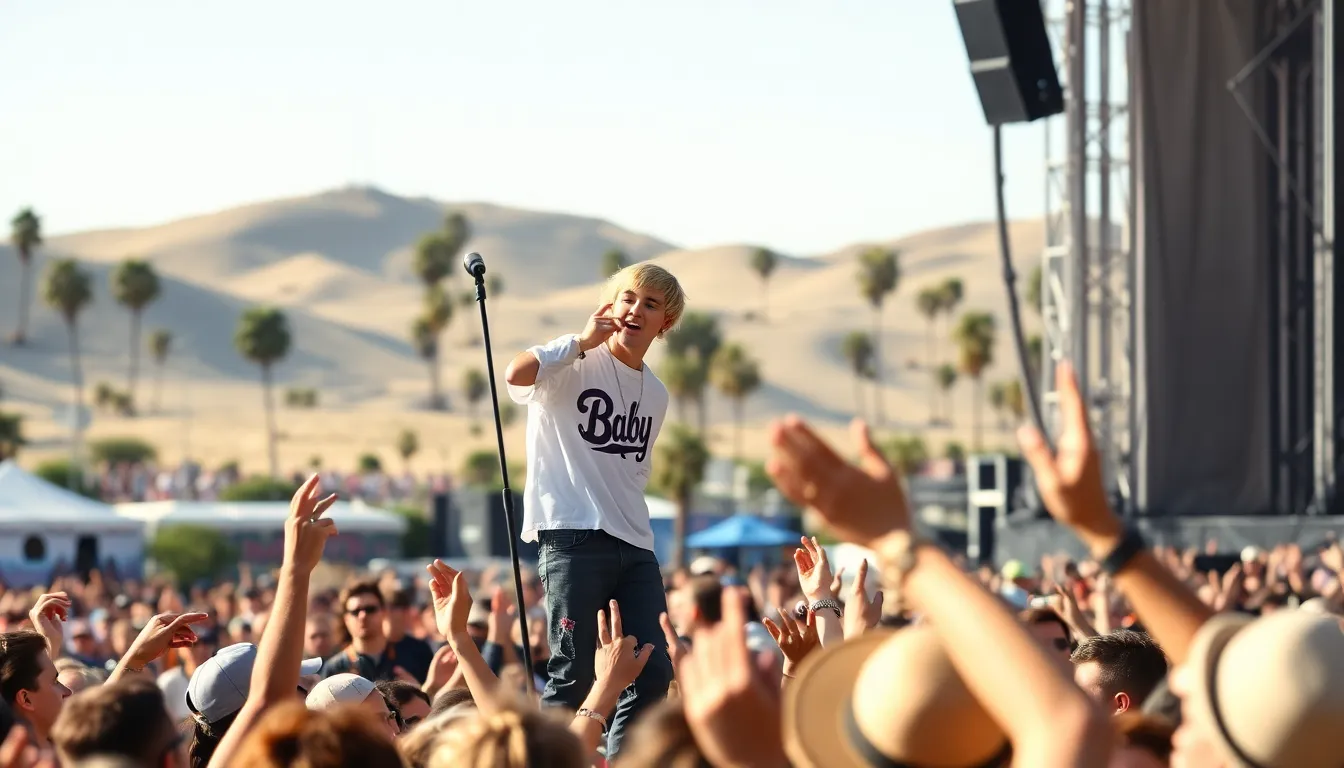
However, there are risks associated with this approach. While focusing on nostalgia can be a powerful tool, it may also alienate newer fans who prefer his current sound. If Bieber’s future releases do not resonate with a broader audience, it could hinder his marketability and lead to a decline in his overall influence. Moreover, the music industry must navigate the balance between catering to long-time fans and attracting a younger demographic.
- Short-term impacts: Increased streaming of classic tracks, heightened merchandise sales, and more concert ticket sales.
- Mid-term impacts: Potential shifts in audience demographics, risk of alienating newer fans, and evolving marketing strategies.
- Opportunities: Enhanced brand partnerships, increased ad revenue for platforms, and potential for new collaborations inspired by nostalgia.
Regions with a strong presence of Bieber’s fan base, particularly North America and parts of Europe, are likely to see a more pronounced impact. Local businesses, such as cafes and retail stores, may benefit from increased foot traffic during events related to his music, creating a ripple effect in the local economy.
A: Justin Bieber performed a mix of his newer swag songs along with classic hits like ‘Baby’, creating a nostalgic atmosphere for fans. A: Coachella is a major music festival that provides artists with a platform to reach a wide audience and showcase their latest work. A: Fans expressed excitement and nostalgia, particularly enjoying the blend of new and old songs during his minimalist set. A: Revisiting old hits allows artists to connect with long-time fans and introduces their earlier work to new audiences. A: While it’s uncertain, many artists often include fan-favorite older songs in their setlists to maintain audience engagement.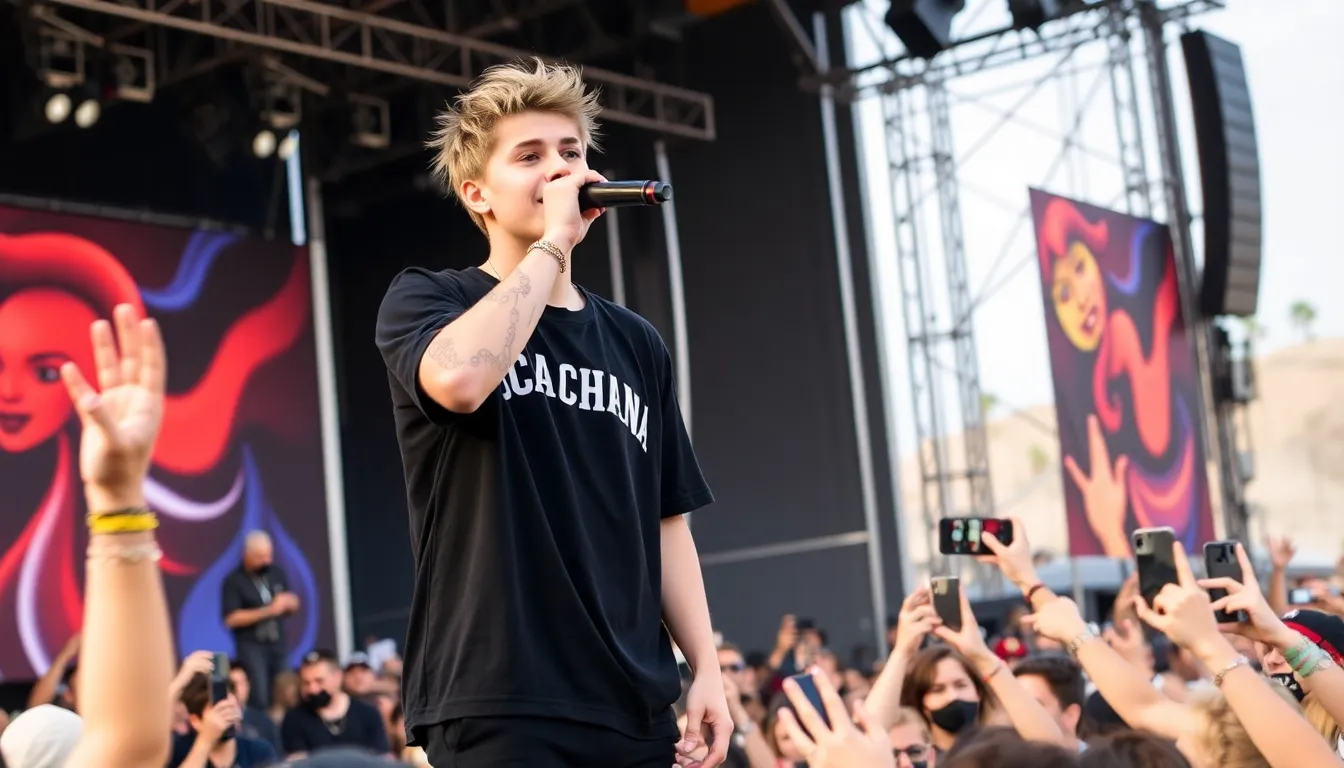
Frequently Asked Questions about Justin Bieber’s Coachella Performance
Key takeaways from Bieber’s Coachella experience
Justin Bieber’s recent performance at Coachella showcased a blend of his evolving musical identity and a nostalgic nod to his early career. By favoring ‘swag’ songs while revisiting hits like ‘Baby,’ Bieber demonstrated his ability to balance contemporary trends with his roots. This duality not only appeals to a diverse audience but also reinforces his relevance in an ever-changing music landscape.
As fans continue to consume content across platforms, Bieber’s reflection on his past through old YouTube clips highlights the importance of digital nostalgia in connecting with both new and long-time supporters. Observing how this interplay unfolds could provide insights into the future of artist-fan relationships and the evolving nature of music consumption.
- Watch for how Bieber’s nostalgic references influence younger artists seeking to establish their identities.
- Consider the impact of minimalist performances on audience engagement and artist expression.
- Observe the growing trend of artists revisiting their past work to strengthen connections with fans.
- Monitor the role of platforms like YouTube in shaping the narrative of an artist’s career.
- Evaluate how blending old and new styles can create a unique sound that resonates across generations.