


The decision to utilize the Bernabeu for tennis matches is part of a broader strategy to expand the visibility and appeal of the Madrid Open. With a seating capacity of over 81,000, the stadium offers a spectacular venue that can accommodate a large audience, potentially attracting new fans to the sport of tennis.
This initiative also highlights the growing trend of multi-sport venues adapting to host various events. By leveraging the Bernabeu’s facilities, organizers aim to create a memorable experience for both tennis enthusiasts and sports fans alike, blending the excitement of two different athletic worlds.
Notably, this year’s tournament will feature prominent players like Carlos Alcaraz and Aryna Sabalenka, who are expected to draw significant crowds. The intersection of football and tennis in such a renowned venue underscores the dynamic nature of modern sports events and their ability to innovate in response to audience interests.
Exploring the significance of the Bernabeu as a sports venue
The Santiago Bernabeu Stadium, home to Real Madrid, is not just a football arena but a landmark of Spanish sports culture. Opened in 1947, it has hosted countless historic matches and events, making it a symbol of athletic excellence in Madrid. The decision to host tennis events at this iconic venue marks a significant evolution in its use, reflecting broader trends in the sports industry and the growing popularity of tennis in Spain.
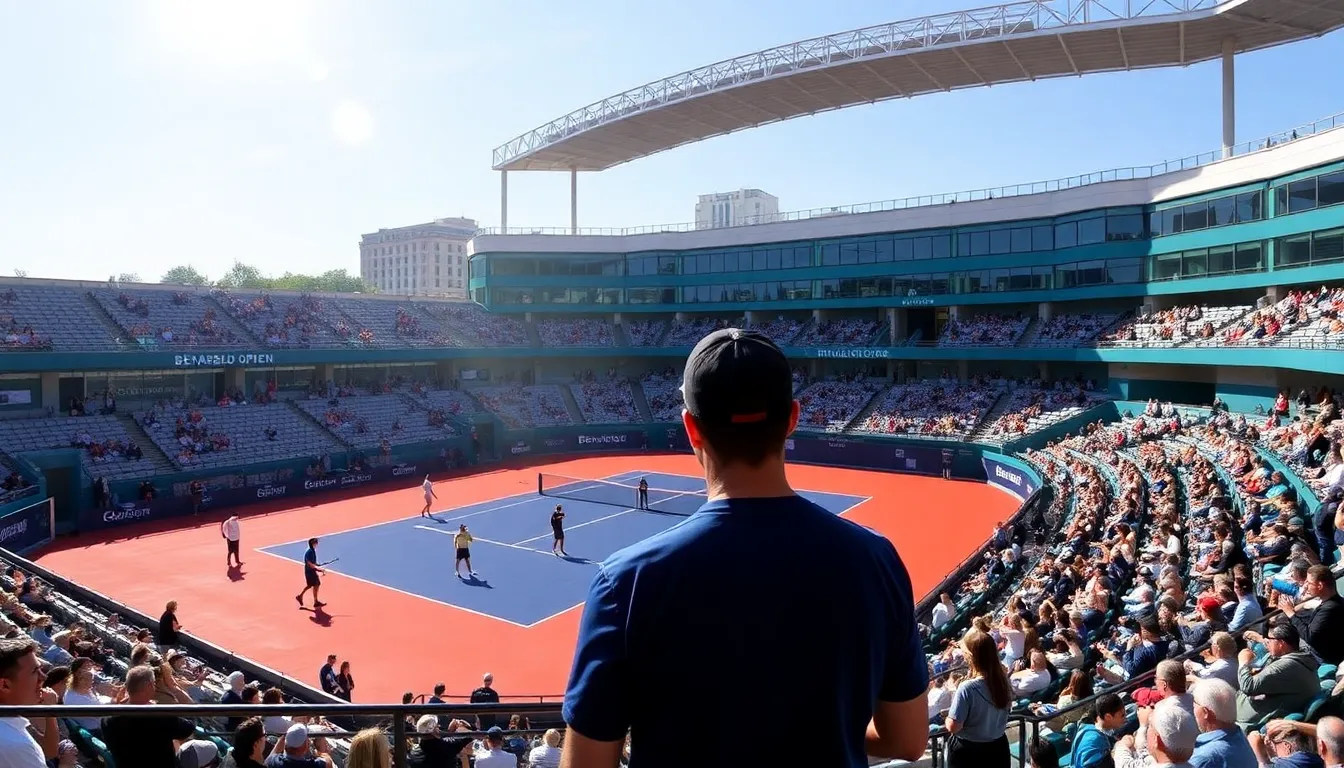
Historically, the Bernabeu has been primarily associated with football, but over the years, it has also adapted to accommodate various sporting events. This flexibility is partly due to the stadium’s extensive renovations, which have modernized its facilities and expanded its capacity. The economic potential of hosting diverse events has become increasingly attractive, especially as cities seek to maximize the use of their sports infrastructures.
The rise of tennis in Spain
The surge in tennis popularity in Spain can be traced back to the success of players like Rafael Nadal, who has transformed the sport into a national passion. This phenomenon has prompted organizers to seek venues that can accommodate large audiences and deliver a unique experience. The Bernabeu, with its impressive seating capacity and state-of-the-art amenities, presents an ideal backdrop for showcasing top-tier tennis talent.
Moreover, the decision to host tennis events at the Bernabeu can be seen as a strategic move to enhance the stadium’s profile on an international stage. By diversifying the types of events held at the venue, the organizers aim to attract a broader audience and generate additional revenue streams. This shift not only reinforces the Bernabeu’s status as a multi-sport venue but also highlights the evolving landscape of sports entertainment in Spain.
In conclusion, the Bernabeu’s role in hosting tennis stars reflects a convergence of historical significance, economic strategy, and the cultural embrace of tennis in Spain. As the landscape of sports continues to evolve, the Bernabeu stands at the forefront, ready to adapt and showcase the best of what the world of sports has to offer.
Analyzing the stakeholders involved in this unique event
The decision to host the Madrid Open at the Santiago Bernabéu Stadium has drawn attention from various stakeholders, each with distinct interests and concerns. The primary actors include the Madrid city government, the Real Madrid football club, the ATP and WTA tennis organizations, local businesses, and the fans themselves.
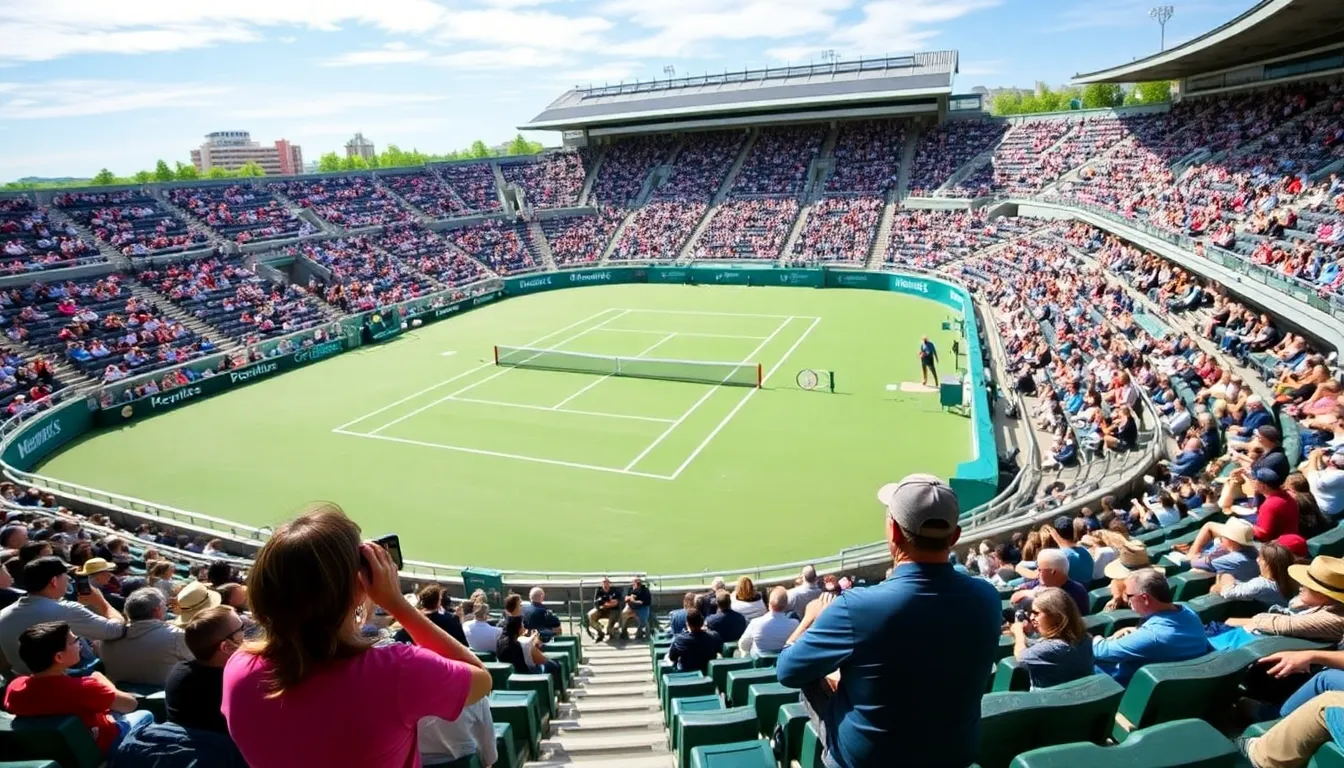
The Madrid city government is keen on promoting the city as a global sports hub. By allowing the Bernabéu to host tennis matches, they aim to attract international visitors, boost tourism, and enhance the city’s reputation. This initiative aligns with their broader economic strategy to leverage major sporting events for urban development and investment.
Real Madrid, as the owner of the Bernabéu, has a vested interest in maximizing the stadium’s usage and revenue. Hosting the Madrid Open not only diversifies their events portfolio but also generates additional income through ticket sales, hospitality, and sponsorship deals. However, this raises concerns about the potential impact on their traditional football schedule and the logistics of managing two major events concurrently.
- Conflicts of schedule: Balancing the football season with the tennis tournament may lead to scheduling conflicts, affecting both teams and players.
- Economic trade-offs: While the event promises economic benefits, there is a risk of over-saturation in the market, potentially diminishing returns for local businesses.
- Legal considerations: Compliance with regulations regarding venue capacity, safety, and security for large-scale events must be addressed to ensure a smooth operation.
- Fan experience: The integration of tennis into a football-centric venue may alter the fan experience, requiring careful planning to cater to diverse audiences.
Understanding these dynamics will be crucial for stakeholders as they navigate the complexities of this unique sports collaboration, especially as the Madrid Open draws attention from various actors with distinct interests and concerns.
The impact of hosting tennis at the Bernabeu on fans and the market
The decision to host the Madrid Open tennis stars at the iconic Bernabeu Stadium has far-reaching implications for various stakeholders. Fans, local businesses, and the sports industry are among the primary groups affected by this event. The unique setting of a football stadium for a tennis tournament is expected to draw significant attention and attendance, creating a buzz in the local and international sports community.
In the short term, local businesses, particularly those in the hospitality and retail sectors, are poised to experience a surge in activity. Hotels, restaurants, and shops in and around the stadium can expect increased foot traffic as fans flock to the event. This influx of visitors will likely lead to a boost in sales and revenue, providing a much-needed lift to businesses that may have struggled during previous economic downturns.

However, there are also potential risks associated with this event. The logistics of hosting a major tennis tournament in a football stadium may lead to challenges such as crowd management and accessibility. Local residents may experience disruptions due to increased traffic and noise levels, which could lead to dissatisfaction among those living near the stadium. Additionally, if the event does not meet expectations in terms of attendance or organization, it could tarnish the reputation of both the tournament and the venue.
In the mid-term, the success of the event could pave the way for more interdisciplinary sporting events, encouraging other venues to host diverse activities. This could foster a culture of innovation within the sports industry, where traditional boundaries between different sports begin to blur. Furthermore, a successful tournament could lead to increased investment in sports infrastructure and tourism initiatives in Madrid.
- Increased revenue for local businesses
- Potential for crowd management challenges
- Opportunities for future interdisciplinary events
- Impact on local residents’ daily life
Ultimately, the hosting of tennis at the Bernabeu represents a blend of opportunities and challenges that will shape the landscape of sports and business in Madrid for years to come.
A: The Bernabeu is a prestigious venue that offers a unique atmosphere for the Madrid Open, attracting more fans and media attention. A: Special arrangements will be made to create tennis courts within the stadium, ensuring an optimal experience for players and spectators. A: Hosting the Madrid Open at such a high-profile venue is expected to boost tourism and local business revenues significantly. A: While this is a unique event, its success may lead to similar collaborations in the future, depending on public and stakeholder response. A: Fans are generally excited about the opportunity to see tennis in such an iconic location, with many expressing enthusiasm on social media.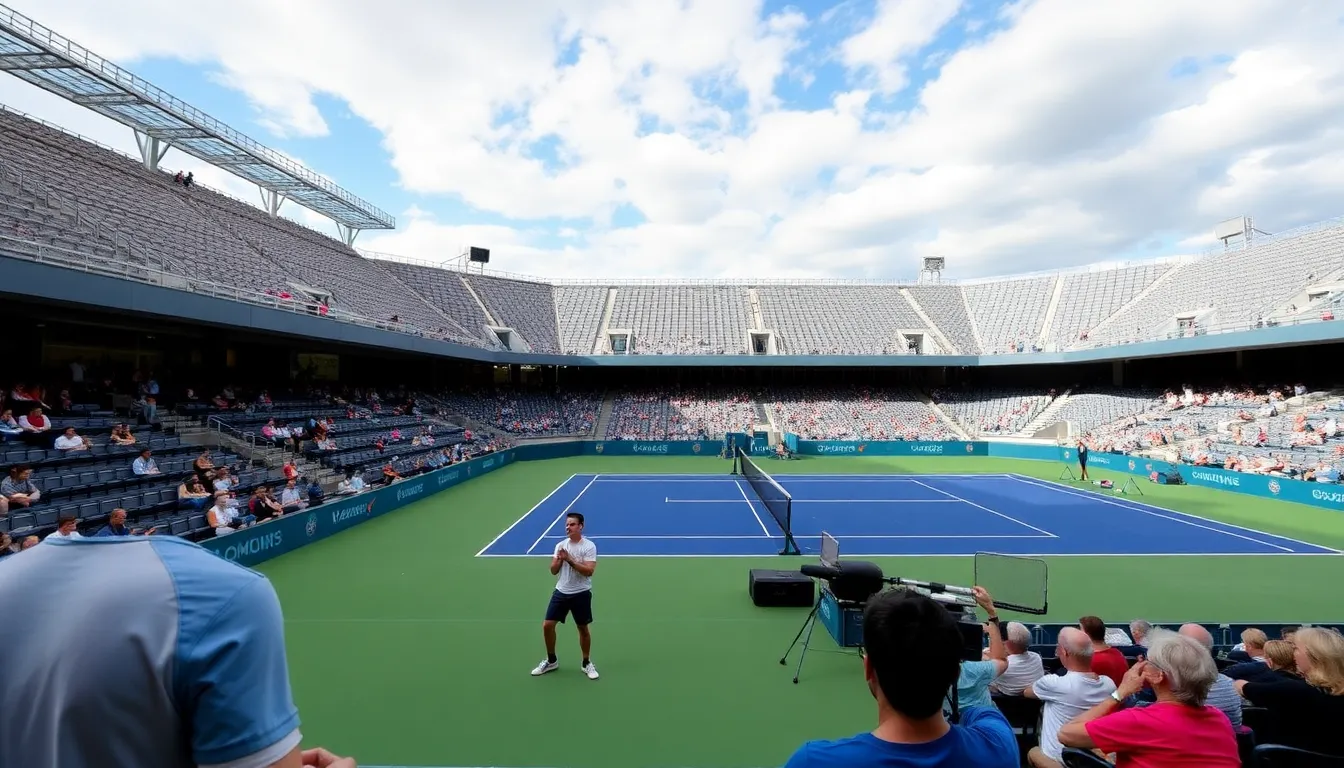
Frequently Asked Questions about the Madrid Open at the Bernabeu
Key insights and future outlook on the Bernabeu hosting tennis
The decision to host tennis events at the Bernabeu Stadium marks a significant shift in the venue’s utilization, blending the worlds of football and tennis in a unique way. This innovative approach not only attracts a diverse audience but also showcases the stadium’s versatility, potentially setting a precedent for other sports venues worldwide. As the Madrid Open continues to evolve, the implications for both sports and local tourism are profound.
Looking ahead, the integration of high-profile tennis matches at such a prestigious location could enhance the profile of the sport in Spain. It may also lead to increased collaboration between sports organizations, creating opportunities for cross-promotional events that benefit both tennis and football fans alike.
- Monitor the impact on local tourism as more international visitors flock to Madrid for combined sporting events.
- Watch for potential partnerships between tennis and football organizations that could lead to innovative event formats.
- Observe how the success of these events influences other stadiums to diversify their offerings beyond traditional sports.
- Consider the long-term effects on player exposure and sponsorship opportunities in a multi-sport environment.