


Among the riders affected was reigning champion Francesco Bagnaia, who experienced a crash that highlighted the potential hazards present on the circuit. Following the session, he and others called for immediate attention to the track’s layout and surface, suggesting that improvements are necessary to ensure rider safety. For more information on similar safety concerns, visit this article.
The incidents have prompted discussions among teams and officials regarding the adequacy of current safety measures. Some riders expressed that the existing barriers and run-off areas may not be sufficient to protect them during high-speed events, particularly given the unique challenges posed by the COTA track.
As the MotoGP community prepares for the upcoming race weekend, the focus on safety has intensified. Riders are advocating for a thorough review of the track conditions and urging organizers to prioritize their well-being in light of the recent events, which could have serious implications for the sport’s reputation and the safety of its participants.
Understanding the history of safety issues at COTA
The Circuit of the Americas (COTA), built in 2012, has quickly become a focal point for motorsport enthusiasts in the United States. However, its relatively short history has been marred by ongoing safety concerns, particularly highlighted during events like the US MotoGP. Riders have increasingly voiced their apprehensions about track safety, especially following incidents that have raised questions about the adequacy of safety measures in place, as discussed in this related piece.
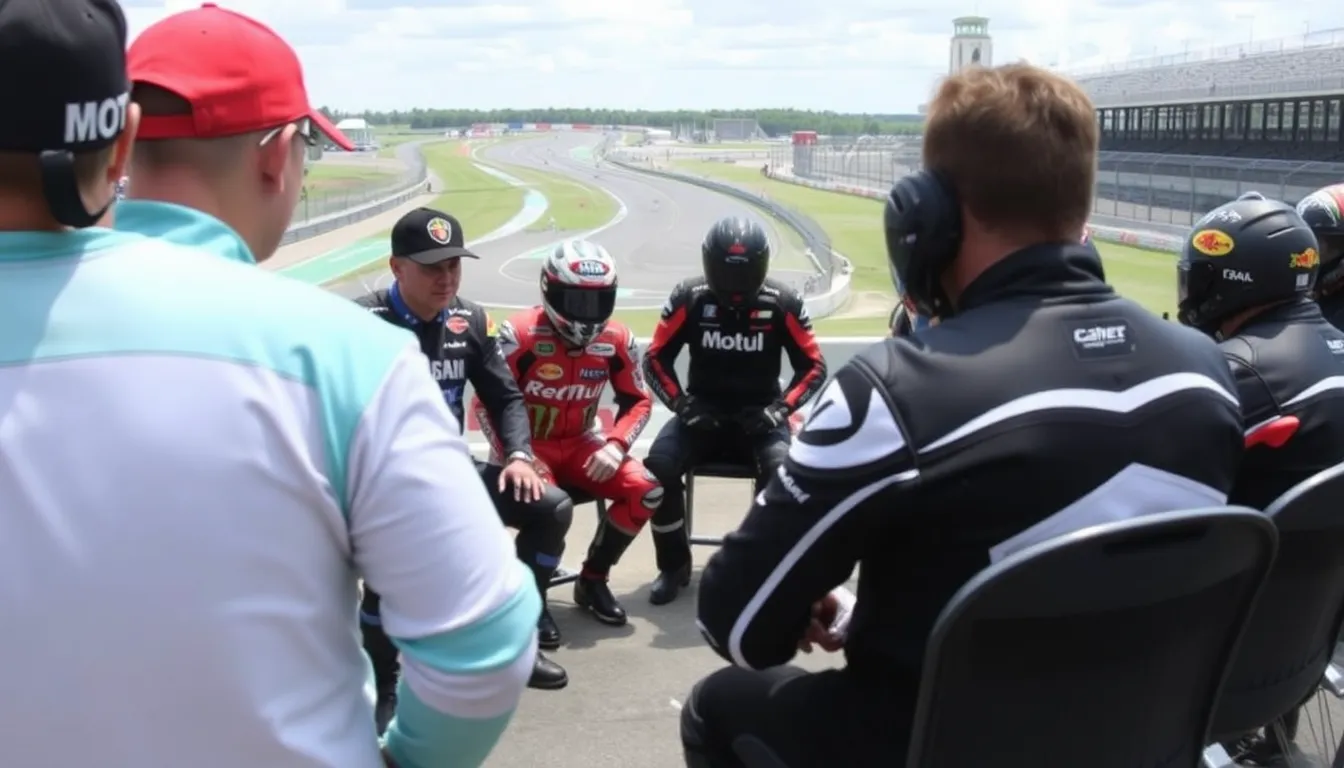
Historically, safety in motorsport has evolved significantly, driven by the need to protect athletes from the inherent dangers of high-speed racing. COTA was designed with modern safety standards in mind, yet the complexity of the track and its elevation changes have led to unique challenges. The layout, while celebrated for its technical demands, has also been criticized for certain sections that may not adequately protect riders during crashes.
Key incidents shaping safety perceptions
Several notable incidents have contributed to the growing concerns among riders. For instance, during the 2021 MotoGP event, a series of crashes prompted immediate discussions about track conditions and safety protocols. Riders reported that certain areas of the track were particularly hazardous, leading to calls for improvements. These events have not only affected the riders’ confidence but have also sparked broader conversations about the responsibilities of race organizers in ensuring a safe racing environment.
In response to these incidents, COTA management has made efforts to address safety issues, including track resurfacing and modifications to certain corners. However, the effectiveness of these measures remains a topic of debate among riders and teams. The ongoing dialogue about safety at COTA reflects a larger trend in motorsport where the balance between thrilling competition and rider safety continues to be a critical concern.
As the US MotoGP continues to draw attention, the pressure on COTA to enhance safety measures is likely to increase. The riders’ concerns serve as a reminder of the need for continuous evaluation and improvement of safety standards in motorsport, ensuring that the thrill of racing does not come at the expense of rider well-being.
Examining the perspectives of riders and officials on safety
The recent crash-strewn practice sessions at the US MotoGP have heightened safety concerns among riders, prompting a critical examination of the current safety protocols in place. Riders, as primary stakeholders, have voiced their apprehensions regarding track conditions and the adequacy of safety measures. Their main interest lies in ensuring a safe racing environment that minimizes the risk of injury while maintaining competitive integrity, similar to ongoing discussions in other sports, as seen in this article.
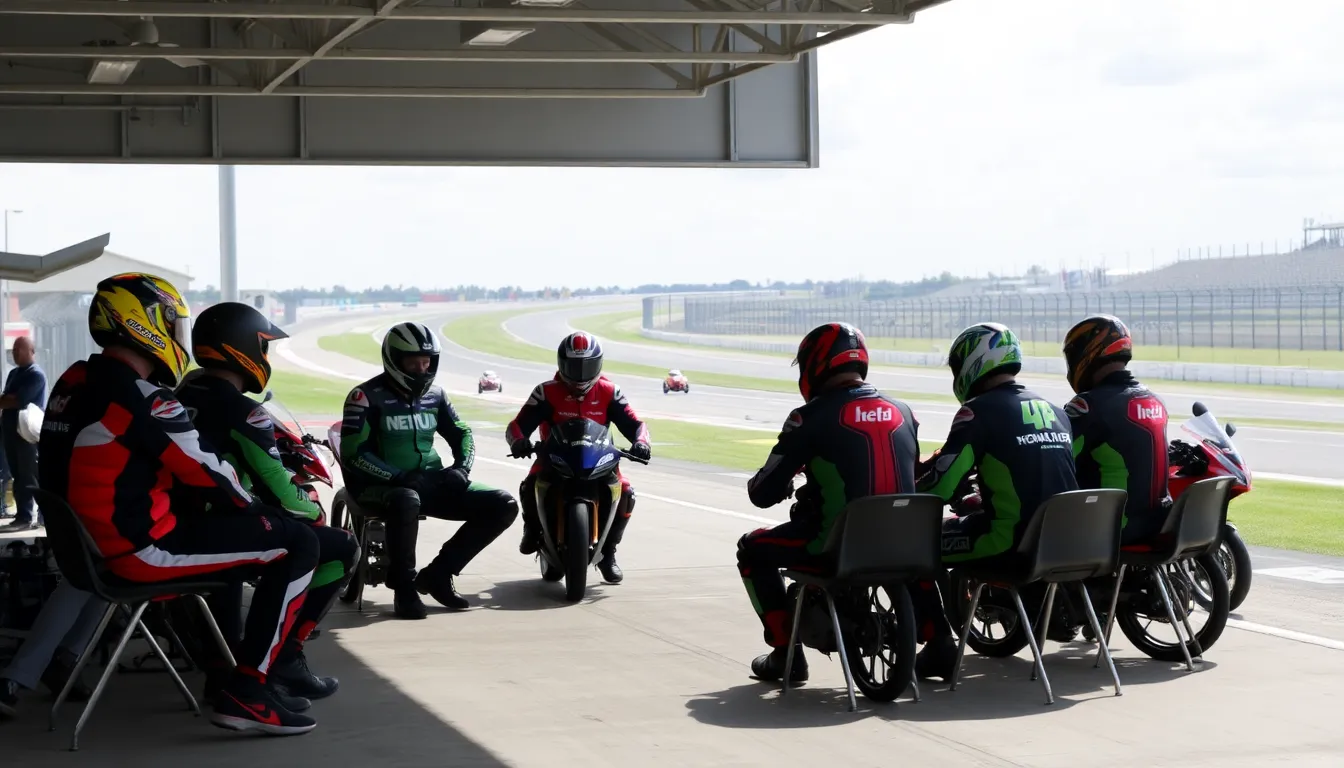
Officials from the Circuit of the Americas (COTA) and MotoGP organizers also play a crucial role in this dialogue. Their interests are multifaceted; they aim to uphold the reputation of the event, attract fans and sponsors, and ensure compliance with international safety standards. However, they face the challenge of balancing these interests with the financial implications of implementing extensive safety upgrades.
Key issues arise as both riders and officials navigate the complexities of safety regulations and economic constraints. Some of the notable points of contention include:
- Track Conditions: Riders have highlighted specific areas of the track that may require immediate attention to improve safety.
- Resource Allocation: Officials must decide how to allocate limited resources between safety improvements and other operational costs.
- Regulatory Compliance: Ensuring that safety measures align with international standards while accommodating local regulations can lead to conflicts.
- Stakeholder Communication: Effective dialogue between riders, teams, and officials is essential to address safety concerns proactively.
- Long-term Solutions: Developing sustainable safety initiatives that do not compromise the sport’s financial viability remains a critical challenge.
This situation illustrates the delicate balance that must be struck between the immediate safety concerns of riders and the broader operational realities faced by event organizers. As discussions continue, the outcomes will likely influence not only the current MotoGP season but also set precedents for future racing events.
The implications of safety concerns for riders and the MotoGP event
The recent safety concerns raised by riders during the US MotoGP practice at COTA have significant implications for various stakeholders. Primarily, the riders themselves are directly affected, as their safety on the track is paramount. Additionally, teams, sponsors, and the event organizers play crucial roles in addressing these issues.
In the short term, the heightened focus on safety may lead to increased scrutiny of track conditions and rider equipment. This could result in temporary disruptions to practice sessions and races as teams and organizers implement immediate safety measures. Riders may also feel increased pressure to voice their concerns, potentially leading to a more unified stance on safety protocols.
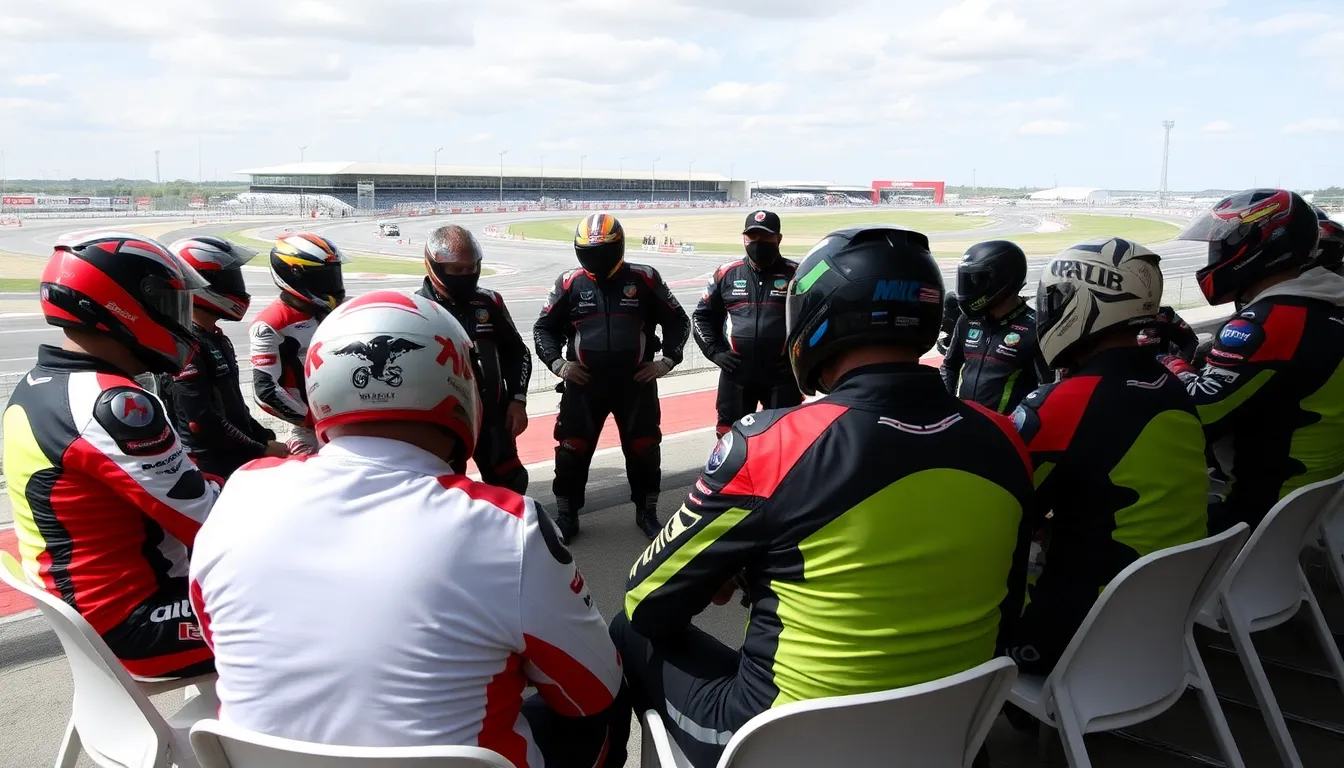
In the mid-term, these safety concerns could prompt changes in policies governing MotoGP events. Regulatory bodies may introduce stricter safety standards, impacting how tracks are designed and maintained. This shift could lead to a reevaluation of existing contracts with venues and sponsors, as safety becomes a more prominent factor in event planning.
- Risks: Increased injuries could deter participation, affecting attendance and viewership.
- Opportunities: Enhanced safety measures may attract new sponsors focused on rider welfare.
- Risks: Potential fines or sanctions for tracks failing to meet safety standards.
- Opportunities: Development of innovative safety technologies could emerge as a new market segment.
Regions hosting MotoGP events may also feel the impact, as local economies often rely on tourism generated by racing events. If safety concerns lead to cancellations or reduced attendance, businesses in the hospitality and retail sectors could experience a downturn. Conversely, a commitment to safety could enhance the reputation of venues, attracting more events in the future.
A: Riders have highlighted issues such as track surface conditions, visibility, and the adequacy of safety measures in place during practice sessions. A: Officials have acknowledged the concerns and are reviewing track conditions and safety protocols to ensure rider safety during the event. A: If safety issues persist, it could lead to increased risks for riders, potential cancellations of sessions, and negative impacts on the event’s reputation. A: Yes, there have been recurring safety concerns at various tracks, prompting ongoing discussions about improving safety standards in MotoGP. A: Possible measures include resurfacing the track, improving signage, and increasing medical support during events to ensure rider safety.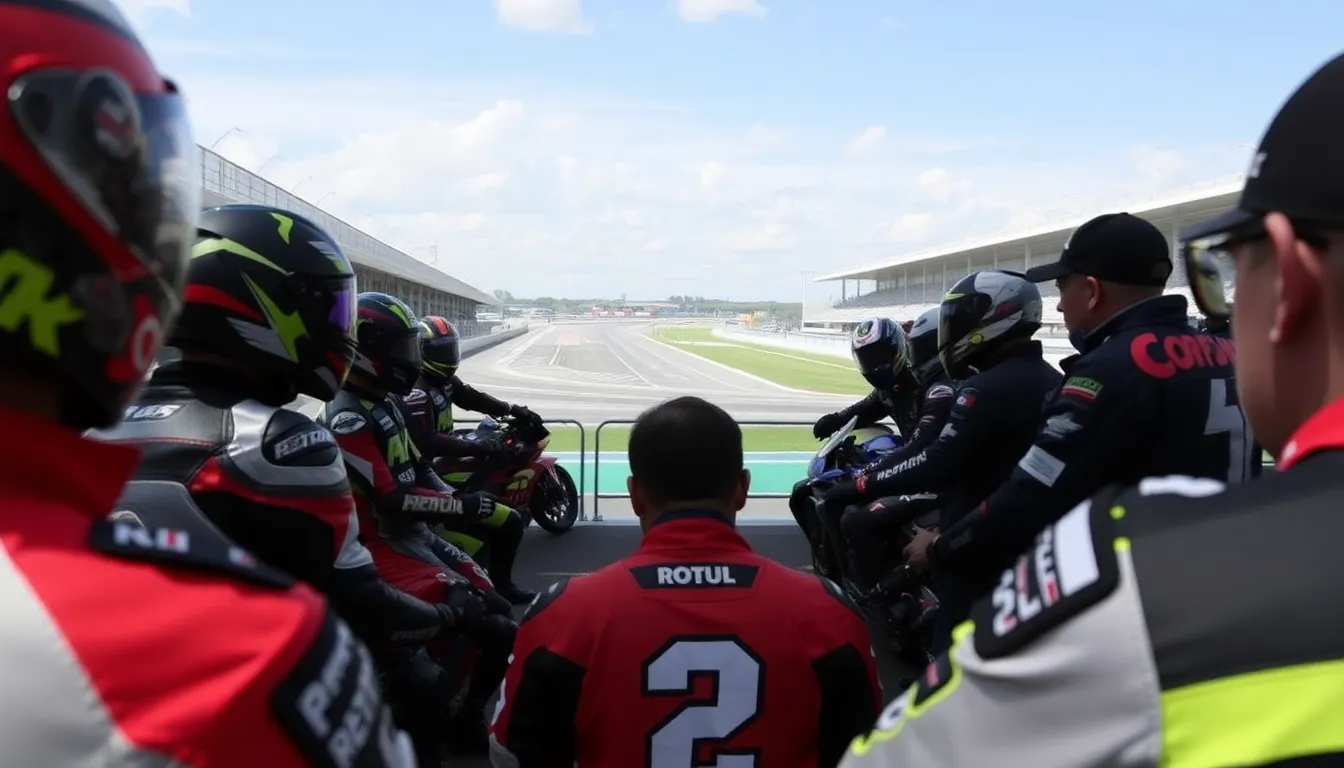
Frequently asked questions about MotoGP safety concerns
Key takeaways and future outlook on COTA safety
The recent incidents during the US MotoGP practice at Circuit of the Americas (COTA) have raised significant concerns regarding rider safety. As competitors voice their apprehensions, it is imperative for both the organizers and governing bodies to address these issues proactively. The focus should be on enhancing safety measures to prevent future accidents and ensure a secure environment for all participants.
Moving forward, stakeholders must prioritize a comprehensive review of the track’s safety protocols and infrastructure. Engaging with riders to gather their insights can provide valuable perspectives that may lead to effective improvements. The implications of these discussions could shape the future of racing at COTA and set a precedent for other circuits.
- Increased dialogue between riders and track officials is essential for identifying safety concerns.
- Potential modifications to track design and barriers may be necessary to enhance rider protection.
- Monitoring the implementation of safety recommendations will be critical for future events.
- Establishing a transparent reporting system for accidents could improve overall safety awareness.
- Long-term investments in safety technology and training could significantly reduce crash risks.