


In the United Kingdom, for instance, the government has mandated that all new homes must be equipped with heat pumps starting in 2025. This policy aims to phase out gas boilers, which are significant contributors to greenhouse gas emissions. The move is part of a broader strategy to enhance energy efficiency in buildings and promote the use of renewable energy sources.
Simultaneously, the integration of plug-in solar technology is becoming increasingly popular. These systems allow homeowners to generate their own electricity, further promoting energy independence and reducing reliance on fossil fuels. Major solar manufacturers have reported a surge in demand, with installations expected to double in the coming years as more consumers seek sustainable energy solutions.
Industry experts highlight that the combination of heat pumps and solar technology could significantly lower energy costs for homeowners while contributing to national and global sustainability goals. As these technologies become more accessible and affordable, their adoption is likely to reshape the housing market and influence construction practices moving forward.
Understanding the background of green technology initiatives
The push for green technology initiatives, particularly the integration of heat pumps in new homes and the adoption of plug-in solar systems, has its roots in a growing awareness of climate change and the need for sustainable energy solutions. Over the past few decades, the impact of fossil fuel consumption on the environment has become increasingly evident, prompting governments and organizations worldwide to seek alternatives that can reduce carbon emissions and promote energy efficiency.
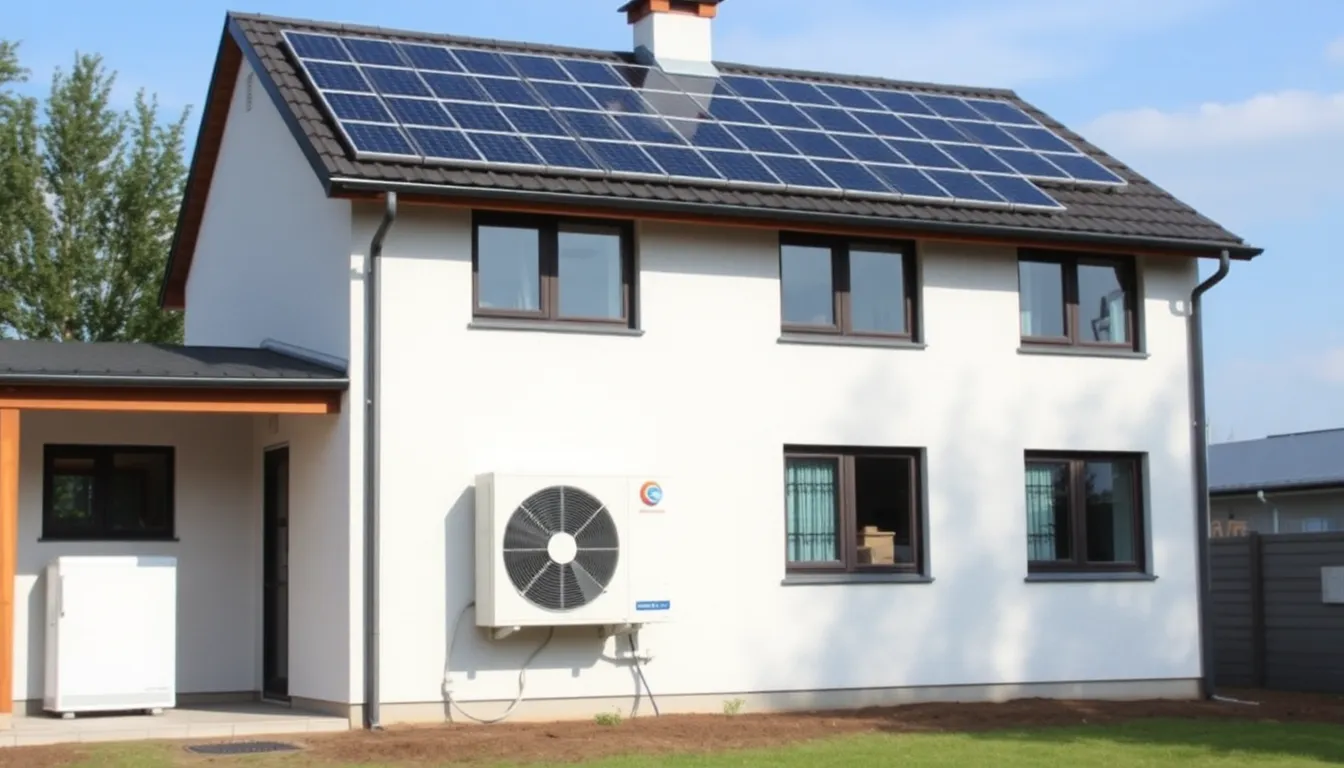
Historically, the late 20th century marked a significant turning point in environmental policy. The 1970s energy crisis highlighted vulnerabilities in reliance on oil, leading to increased interest in renewable energy sources. By the 1990s, international agreements such as the Kyoto Protocol began to formalize commitments to reduce greenhouse gas emissions, setting the stage for more aggressive climate action in subsequent years.
In the early 21st century, technological advancements made renewable energy solutions more viable and accessible. Heat pumps, which utilize electricity to transfer heat rather than generate it, have emerged as an efficient alternative to traditional heating systems. Simultaneously, the cost of solar technology has plummeted due to innovation and economies of scale, making plug-in solar systems a practical option for homeowners and businesses alike.
Policy Milestones and Incentives
Governments around the world have played a crucial role in promoting these technologies through various policies and incentives. For instance, many countries have introduced tax credits, rebates, and grants aimed at encouraging the installation of heat pumps and solar panels. The European Union’s Green Deal and the United States’ Inflation Reduction Act are examples of comprehensive strategies designed to accelerate the transition to renewable energy and improve energy efficiency in residential construction.
As public awareness and demand for sustainable living increase, the momentum behind heat pumps and solar energy continues to grow, shaping the future of home construction and energy consumption. These initiatives not only aim to mitigate climate change but also seek to create a more resilient and sustainable economy for future generations.
Key stakeholders in the green tech movement and their roles
The transition to heat pumps for all new homes and the integration of plug-in solar technology involves a diverse array of stakeholders, each with distinct interests and influences. Key actors include government bodies, environmental organizations, energy companies, builders, and homeowners. Understanding their roles is essential for grasping the complexities of this green tech drive.
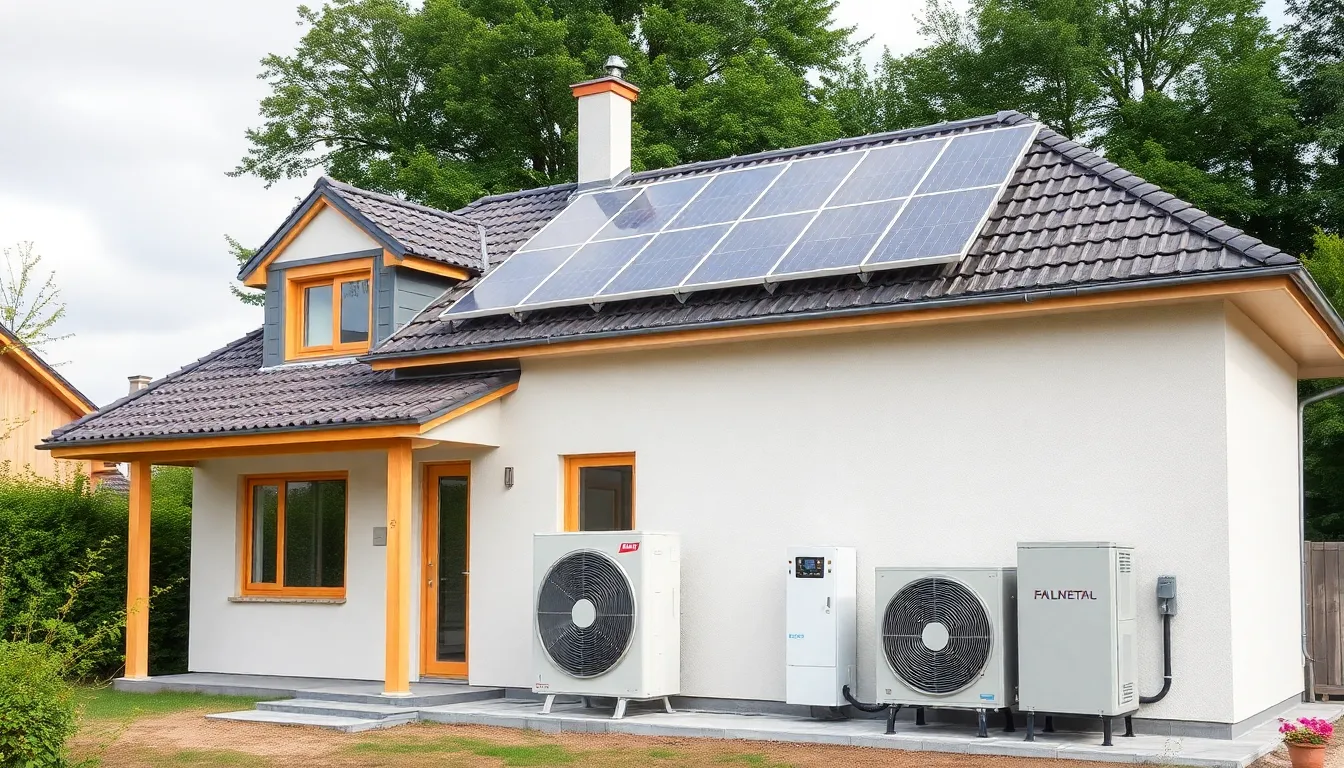
Government entities, at both local and national levels, play a pivotal role in shaping policies that promote sustainable technologies. Their interests often align with reducing carbon emissions and meeting climate targets. This can lead to conflicts with the construction industry, which may face increased costs due to regulatory compliance and the need for new building standards. Additionally, the push for heat pumps and solar integration may require significant investment in infrastructure and training.
Environmental organizations advocate for the adoption of green technologies, emphasizing the long-term benefits of energy efficiency and sustainability. They often work to influence public policy and raise awareness among consumers. However, their goals may conflict with those of energy companies that rely on traditional fossil fuels, leading to debates over energy sources and the pace of transition.
- Economic Implications: The initial cost of heat pumps and solar installations can be a barrier for homeowners, potentially leading to disparities in access to green technology.
- Technological Advancements: Ongoing innovation in heat pump efficiency and solar technology can create opportunities for new market entrants but may also disrupt existing businesses.
- Regulatory Challenges: Compliance with evolving standards can create uncertainty for builders and developers, impacting project timelines and budgets.
- Public Perception: Homeowners may be hesitant to adopt new technologies due to a lack of understanding or perceived reliability issues.
In summary, the interplay of interests among these stakeholders creates a dynamic landscape where conflicts and collaborations shape the future of green technology in housing. The successful implementation of heat pumps and solar solutions will depend on navigating these complexities while balancing economic, environmental, and social considerations.
How these technologies will affect homeowners and the market
The introduction of heat pumps for all new homes and the integration of plug-in solar technology will significantly impact various groups, including homeowners, builders, and the energy sector. Homeowners will benefit from reduced energy bills and increased home value, while builders will need to adapt to new regulations and construction methods. Additionally, the energy sector may see shifts in demand as renewable technologies gain traction.
In the short term, homeowners may experience an initial financial burden due to the upfront costs associated with installing heat pumps and solar systems. However, government incentives and subsidies may alleviate some of these expenses. As more homes adopt these technologies, the demand for skilled labor in installation and maintenance will rise, creating job opportunities within the green tech industry.
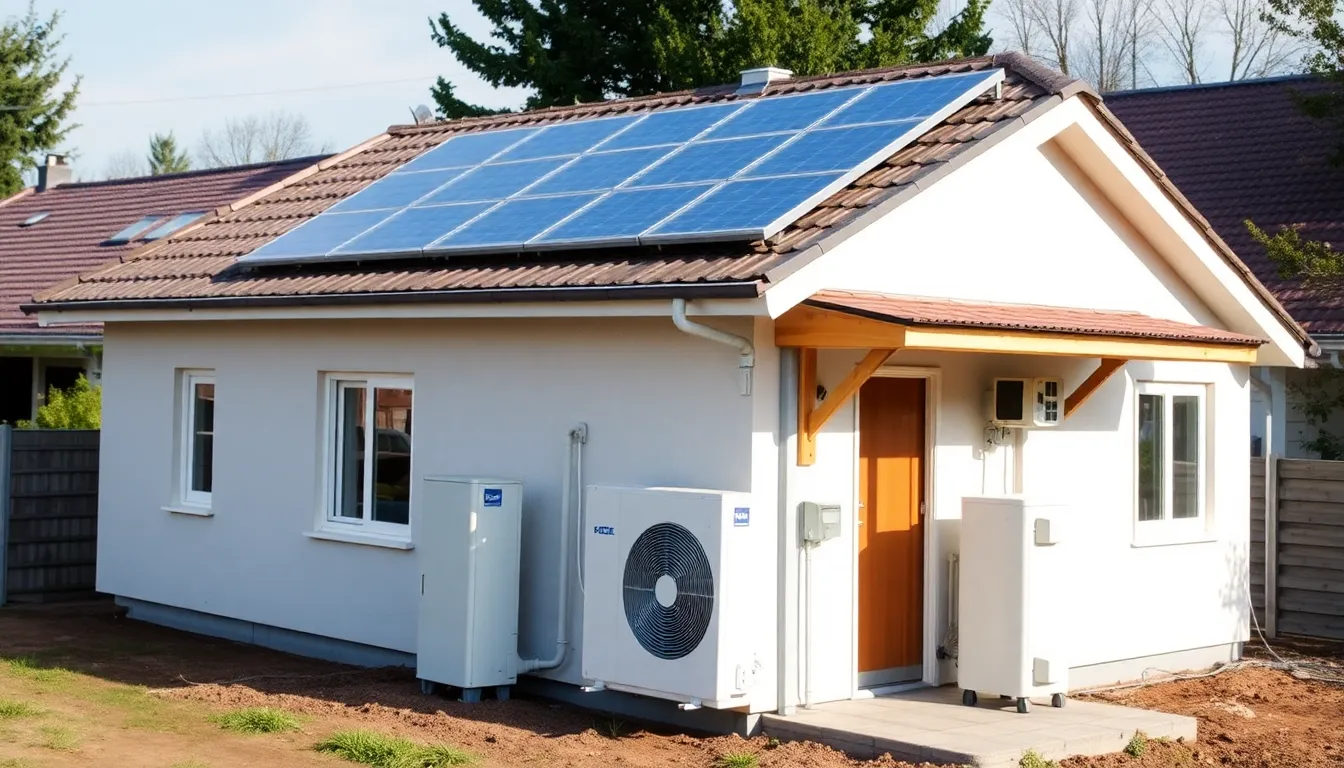
In the mid-term, the widespread adoption of heat pumps and solar technology is likely to lead to a significant reduction in carbon emissions, aligning with global sustainability goals. This shift may also influence local policies, prompting governments to implement stricter building codes and renewable energy mandates. Furthermore, energy providers may need to adapt their business models to accommodate the decentralized nature of energy production.
- Homeowners: Lower energy costs and increased home value.
- Builders: Need for adaptation to new technologies and regulations.
- Energy Sector: Potential shifts in demand and business models.
- Job Market: Increased demand for skilled labor in green technologies.
While the transition to heat pumps and solar energy presents numerous opportunities, it also carries risks. Homeowners may face challenges in financing installations, and builders may struggle with supply chain issues for new materials. Additionally, there is the potential for market volatility as the energy landscape transforms, which could impact long-term investments in traditional energy sources.
A: Heat pumps are devices that transfer heat from one place to another using a refrigeration cycle. They can provide both heating and cooling, making them versatile for year-round use. A: Heat pumps are being mandated to reduce carbon emissions and improve energy efficiency in residential buildings, aligning with global sustainability goals. A: Plug-in solar technology refers to solar panels that can be easily installed and connected to the grid, allowing homeowners to generate their own electricity and reduce reliance on traditional energy sources. A: Homeowners can save significantly on energy bills by using heat pumps and solar technology, with potential savings varying based on local energy costs and incentives. A: Yes, many governments offer tax credits, rebates, and grants to encourage the adoption of energy-efficient technologies like heat pumps and solar panels.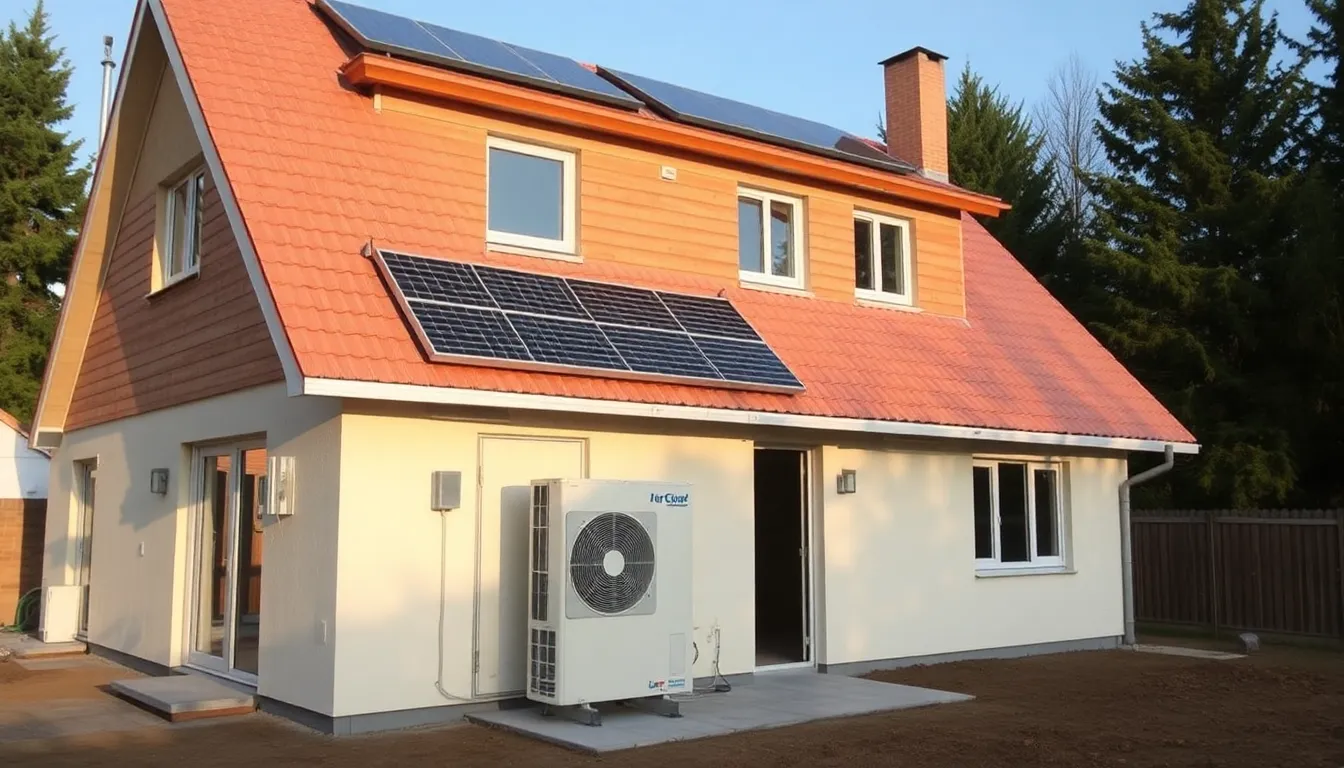
Frequently asked questions about heat pumps and solar technology
Looking ahead: the future of green technology in housing
The integration of heat pumps and plug-in solar technologies in new homes marks a significant shift towards sustainable living. As these technologies gain traction, they promise not only to reduce energy consumption but also to create a more resilient housing market that can adapt to the challenges posed by climate change. The implications for homeowners, builders, and policymakers are profound, signaling a collective move towards greener, more efficient living environments.
With legislative support and increasing consumer awareness, the adoption of these technologies is expected to accelerate. Stakeholders should remain vigilant in monitoring advancements in green tech, as well as shifts in market dynamics that may arise from this transition. The future of housing is poised to be more energy-efficient, reducing reliance on fossil fuels and promoting a sustainable lifestyle.
- Increased Property Value: Homes equipped with heat pumps and solar technologies are likely to see enhanced market value, appealing to eco-conscious buyers.
- Energy Independence: Homeowners will benefit from reduced energy bills and greater autonomy from traditional energy sources, fostering a move towards self-sufficiency.
- Regulatory Support: Anticipate more government incentives and regulations promoting green technologies, which could further drive adoption rates.
- Technological Innovations: Watch for advancements in efficiency and integration of these systems, which could lead to even greater energy savings.
- Community Impact: The proliferation of green technologies will likely encourage local economies and create jobs in installation and maintenance sectors.