


The new targets include a goal of installing 600,000 heat pumps annually by 2028, a substantial increase from the current installation rate. This shift is expected to play a crucial role in reducing reliance on fossil fuels for heating, as heat pumps utilize electricity to transfer heat rather than generate it through combustion. For a deeper understanding of energy efficiency, check out our article on energy bills and their impact.
Key figures in the government, including the Minister of Energy and the Minister of Environment, emphasized the importance of this initiative during the announcement. They highlighted that achieving these targets will not only contribute to national climate goals but also create thousands of jobs in the green technology sector.
As part of the plan, the government will also implement incentives for homeowners and businesses to adopt heat pump technology. This includes financial subsidies and tax breaks aimed at making the transition more affordable and accessible for all citizens.
Understanding the background of the climate plan and heat pump initiative
The push for heat pump technology in the context of climate action has been gaining momentum over the past decade, driven by the urgent need to reduce greenhouse gas emissions and transition towards sustainable energy sources. As countries grapple with the impacts of climate change, the focus on renewable energy solutions, particularly in the heating sector, has intensified. Heat pumps, which efficiently transfer heat from the environment for residential and commercial heating, have emerged as a key component of this strategy. For insights on policy shifts concerning energy, refer to our piece on mortgage costs and economic changes.

Historically, the reliance on fossil fuels for heating has contributed significantly to carbon emissions. In many regions, traditional heating methods such as gas and oil boilers have dominated, leading to increased calls for policy shifts. The political landscape surrounding climate policy has evolved, with many governments committing to ambitious targets under international agreements like the Paris Accord. These commitments have catalyzed the development of national climate plans that prioritize the adoption of technologies like heat pumps.
Key milestones in heat pump adoption
Several milestones have marked the journey towards the current heat pump targets. In 2015, the European Union set a precedent by introducing the Energy Efficiency Directive, which emphasized the importance of improving energy performance in buildings. This was followed by various national initiatives aimed at incentivizing the installation of heat pumps, such as grants and subsidies. More recently, in 2020, the UK government unveiled its Ten Point Plan for a Green Industrial Revolution, which specifically included heat pumps as a central element in decarbonizing homes and public buildings. To explore additional economic implications of energy initiatives, see our article on the effects of global conflicts on energy prices.
The economic implications of transitioning to heat pumps are significant. While the upfront costs can be higher than traditional heating systems, the long-term savings on energy bills and maintenance, coupled with government incentives, make heat pumps an attractive option for many homeowners. Furthermore, the shift towards heat pumps is expected to create jobs in manufacturing, installation, and maintenance, contributing to a green economy.
As the climate plan unfolds, the commitment to heat pump targets reflects a broader societal recognition of the need for sustainable energy solutions. With public awareness of climate issues at an all-time high, the political will to implement these technologies is stronger than ever, setting the stage for a transformative decade in energy policy and environmental stewardship.
Key stakeholders and issues surrounding the heat pump targets
The announcement of heat pump targets as part of the broader climate plan has brought several key stakeholders into focus. These include government ministers, environmental organizations, the heating and cooling industry, and consumers. Each of these groups has distinct interests that shape their perspectives on the implementation and impact of these targets.

Government ministers are primarily focused on meeting climate goals and reducing greenhouse gas emissions. They see heat pumps as a vital component of a sustainable energy transition. However, they must also navigate public opinion and the economic implications of such targets, including the potential for job creation in green technologies versus job losses in traditional energy sectors.
Environmental organizations advocate for aggressive climate action and view heat pumps as a necessary shift away from fossil fuels. Their support, however, is contingent on ensuring that the energy used to power these pumps is sourced from renewable resources. This creates a potential conflict with energy providers who may be slower to transition to greener alternatives.
- Economic implications: The cost of heat pump installation and maintenance can be a barrier for consumers, raising questions about subsidies and financial support.
- Regulatory challenges: The need for updated building codes and standards to accommodate heat pump technology may lead to conflicts among local governments and industry stakeholders.
- Public perception: There may be resistance from consumers unfamiliar with heat pumps, highlighting the importance of education and outreach efforts.
- Job market shifts: Transitioning to heat pump technology could lead to job displacement in traditional heating industries, necessitating workforce retraining programs.
In summary, while the commitment to heat pump targets is a step towards climate action, it is accompanied by a complex interplay of interests and challenges that stakeholders must navigate to ensure successful implementation and acceptance in society.
How the heat pump targets will affect consumers and the market
The recent announcement by ministers to set ambitious heat pump targets is poised to impact various groups significantly. Homeowners, particularly those in regions with colder climates, will be directly affected as they consider transitioning from traditional heating systems to more energy-efficient heat pumps. This shift is expected to be supported by government incentives, making it a more viable option for many households.
In the short term, businesses involved in the manufacturing and installation of heat pumps may experience a surge in demand. This could lead to increased job opportunities within the renewable energy sector, particularly in regions that are investing heavily in green technologies. However, there are also risks associated with this transition, such as the potential for supply chain disruptions or shortages of skilled labor to meet the rising demand.

Mid-term impacts will likely include changes in energy consumption patterns. As more homes adopt heat pumps, there could be a significant reduction in reliance on fossil fuels, contributing to lower greenhouse gas emissions. However, this transition may also result in higher electricity demand, raising concerns about grid capacity and energy prices.
- Homeowners: Potential savings on energy bills, but initial installation costs may be high.
- Businesses: Opportunities for growth in the renewable energy sector, but risks of labor shortages.
- Regions: Areas with strong government support may see faster adoption rates and economic benefits.
- Policy makers: Need to address infrastructure challenges to accommodate increased electricity demand.
Overall, while the heat pump targets present a pathway toward a more sustainable future, stakeholders must navigate the associated risks and seize the opportunities that arise during this transition.
A: The government aims to significantly increase the installation of heat pumps by 2030, with specific targets to enhance energy efficiency and reduce carbon emissions. A: Heat pumps are crucial as they provide an energy-efficient alternative to traditional heating methods, helping to lower greenhouse gas emissions. A: Homeowners may benefit from incentives and subsidies for installing heat pumps, leading to reduced energy bills and increased property value. A: Challenges include the need for skilled labor, supply chain issues, and potential resistance from consumers unfamiliar with heat pump technology. A: The implementation of the climate plan is set to begin immediately, with various phases rolling out over the next several years.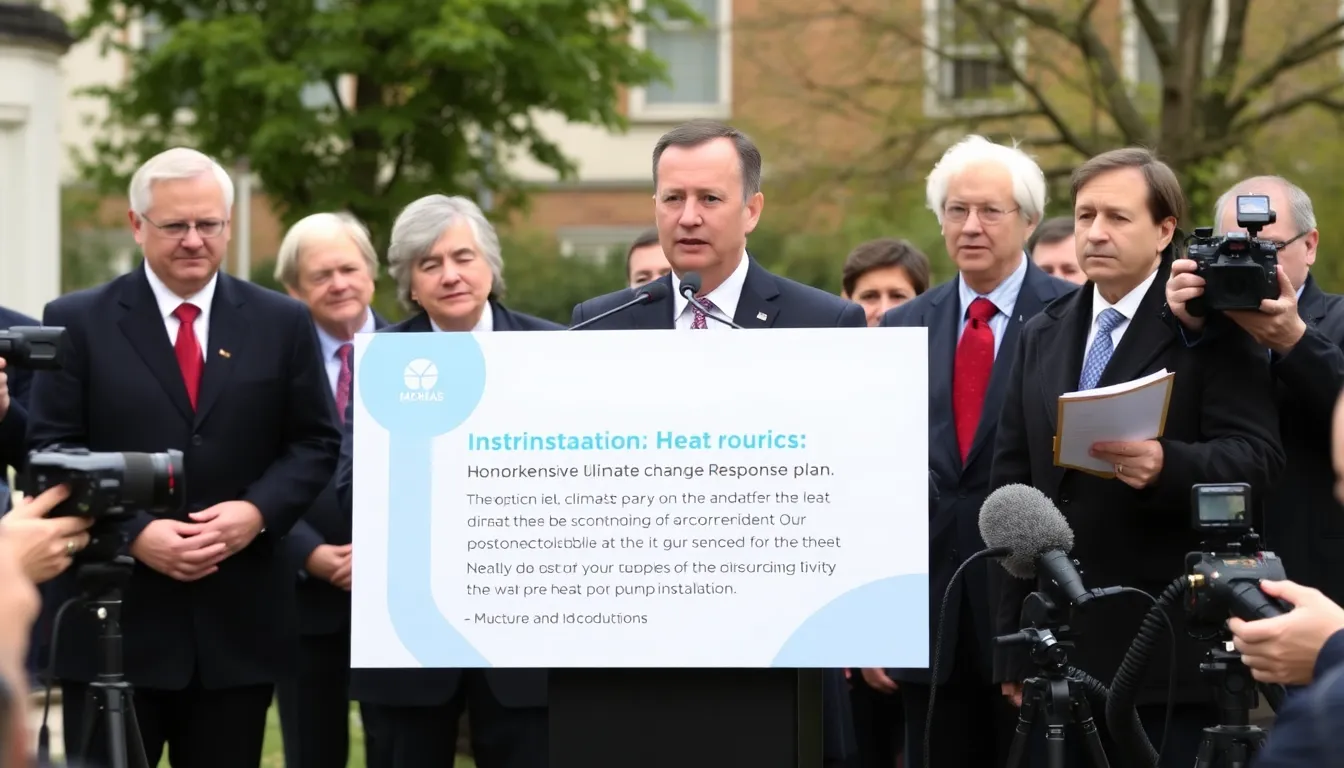
Frequently asked questions about the heat pump targets
Looking ahead: implications of the new climate plan
The recent announcement by ministers regarding heat pump targets marks a significant step in the broader climate strategy. As the government outlines its commitment to reducing carbon emissions, the emphasis on heat pumps indicates a shift towards more sustainable energy solutions. This move not only aims to enhance energy efficiency in homes but also reflects a growing recognition of the importance of renewable technologies in combating climate change.
Stakeholders across various sectors should prepare for the ripple effects of these targets. The push for heat pumps will likely drive innovation and investment in related technologies, while also influencing consumer behavior and market dynamics. As the implementation of this plan unfolds, monitoring its impact on energy prices, job creation in green sectors, and public acceptance will be crucial.
- The heat pump targets could stimulate job growth in the renewable energy sector, creating new opportunities for skilled labor.
- Expect increased investment in research and development as companies seek to innovate in heat pump technology and related fields.
- Consumers may see shifts in energy costs as the market adapts to the growing adoption of heat pumps.
- Public awareness and acceptance of heat pumps will play a critical role in the success of this initiative, necessitating effective communication strategies.
- Monitoring the environmental impact of heat pump installations will be essential to ensure that the targets contribute positively to overall climate goals.