


The Federal Reserve plays a crucial role in shaping monetary policy, and the transition to new leadership can have significant implications for economic stability and market confidence. Powell’s tenure has been marked by efforts to combat inflation and navigate the economic challenges posed by the COVID-19 pandemic. His decision to stay on will likely provide reassurance to investors and policymakers alike, especially as the global economy faces the prospect of another profound shock.
As the Biden administration prepares to nominate a successor, the timing of the transition remains uncertain. The confirmation process for a new Fed Chair typically involves extensive hearings and discussions in the Senate, which can take several months. Powell’s willingness to remain in his position during this period reflects a commitment to continuity in monetary policy.
In recent months, Powell has emphasized the importance of maintaining a cautious approach to interest rate adjustments, which will be a key focus for his successor. The Fed’s decisions in the coming months will be crucial as the economy continues to recover and inflation remains a concern. Powell’s leadership during this transitional phase will be closely watched by economists and market participants.
Understanding the significance of Powell’s tenure and potential successor
Jerome Powell has been at the helm of the Federal Reserve since February 2018, guiding the central bank through a tumultuous economic landscape marked by the COVID-19 pandemic, rising inflation, and subsequent interest rate hikes. His leadership has been characterized by a commitment to transparency and a dual mandate aimed at promoting maximum employment and stable prices. As Powell indicates his intention to remain in position until a successor is confirmed, it highlights the ongoing importance of stable leadership within the Fed during uncertain economic times.
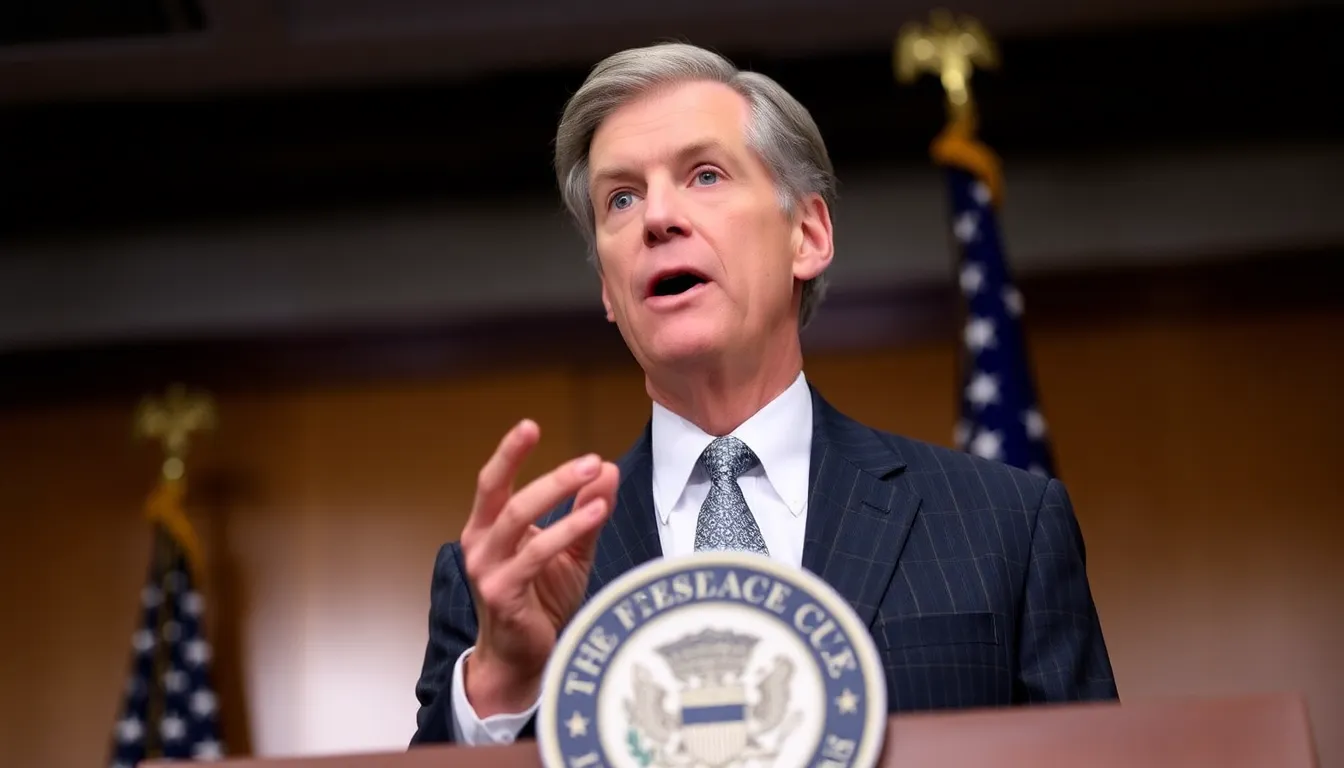
The Federal Reserve, established in 1913, plays a crucial role in shaping U.S. monetary policy and maintaining financial stability. Historically, the selection of a Fed chair has been a significant political event, often reflecting broader economic philosophies and priorities of the sitting administration. Powell’s appointment by President Trump was initially met with skepticism from some quarters, particularly given his background in investment banking. However, he has since garnered bipartisan support for his handling of various economic challenges, similar to the concerns being raised about economic stability.
One of the key milestones in Powell’s tenure has been the Fed’s response to the COVID-19 pandemic. In March 2020, the Fed implemented unprecedented measures, including slashing interest rates to near-zero and launching extensive asset purchase programs to stabilize the economy. These actions have drawn both praise and criticism, with some arguing that they have led to asset bubbles while others contend they were essential to prevent a deeper recession.
The Importance of a Smooth Transition
The process of confirming a new Fed chair is often complex and politically charged, as it involves Senate approval. The potential for a delay in this confirmation can create uncertainty in financial markets and among policymakers. Powell’s decision to remain in his role until a successor is confirmed underscores the importance of continuity in leadership, especially as the Fed navigates the challenges of inflation and economic recovery.
Key stakeholders and implications of Powell’s announcement
Jerome Powell, the current Chair of the Federal Reserve, has announced his intention to remain in his position until a successor is confirmed. This decision has significant implications for various stakeholders, including the Federal Reserve, the U.S. government, financial markets, and the general public.
The Federal Reserve, as the central banking system of the United States, is tasked with managing monetary policy, regulating banks, and maintaining financial stability. Powell’s continued leadership ensures continuity in these critical functions, particularly during a time of economic uncertainty. His approach to interest rates and inflation management will be closely watched by market participants and policymakers alike.
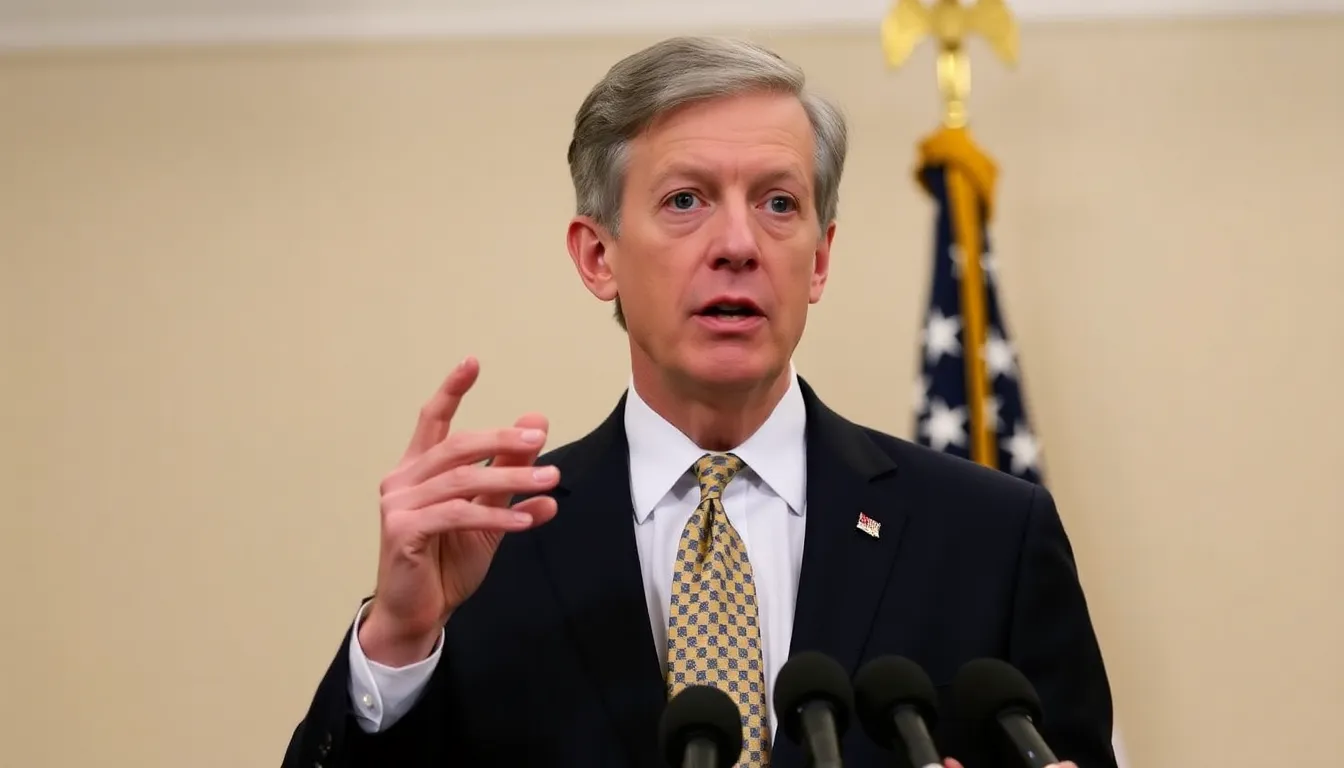
The U.S. government, particularly the executive branch, has a vested interest in the Fed’s policies. The administration may seek a successor who aligns with its economic agenda, which could lead to tensions over the independence of the Federal Reserve. The balance between political influence and the Fed’s autonomy is a key issue that could arise during the transition period.
- Market Stability: Powell’s presence may provide reassurance to investors, helping to stabilize financial markets amidst volatility.
- Policy Continuity: His commitment to remain in office allows for the continued implementation of existing policies, reducing uncertainty.
- Successor Selection: The process of selecting a new Fed Chair may be contentious, influencing the direction of monetary policy.
- Public Perception: The public’s trust in the Federal Reserve may fluctuate depending on the perceived effectiveness of Powell’s leadership and the eventual successor.
Moreover, the economic landscape presents several challenges, including inflation rates and employment figures, which will be pivotal in shaping the Fed’s future policies. Powell’s decision to stay on until a successor is confirmed could mitigate immediate concerns but also raises questions about the long-term vision for the Federal Reserve’s role in addressing these economic issues, much like the debates surrounding Burnham’s potential win in the byelection.
Market reactions and potential effects on economic policies
The announcement by Federal Reserve Chair Jerome Powell regarding his intention to remain in office until a successor is confirmed has significant implications for various groups and industries. Financial markets, businesses, and policymakers are all closely monitoring this situation, as it could influence economic stability and growth prospects.
In the short term, investors may react with volatility as they assess the implications of Powell’s continued leadership. Stock markets could experience fluctuations, particularly in sectors sensitive to interest rate changes, such as real estate and utilities. Additionally, businesses relying on stable borrowing costs might face uncertainty, leading to cautious investment decisions.
In the mid-term, the prolonged presence of Powell could lead to more consistent monetary policy, which may benefit industries such as banking and finance. A steady hand at the Fed could help maintain investor confidence, potentially fostering a more favorable environment for economic growth. However, the lack of a confirmed successor could also create a vacuum in leadership, leading to speculation and uncertainty in economic policymaking.
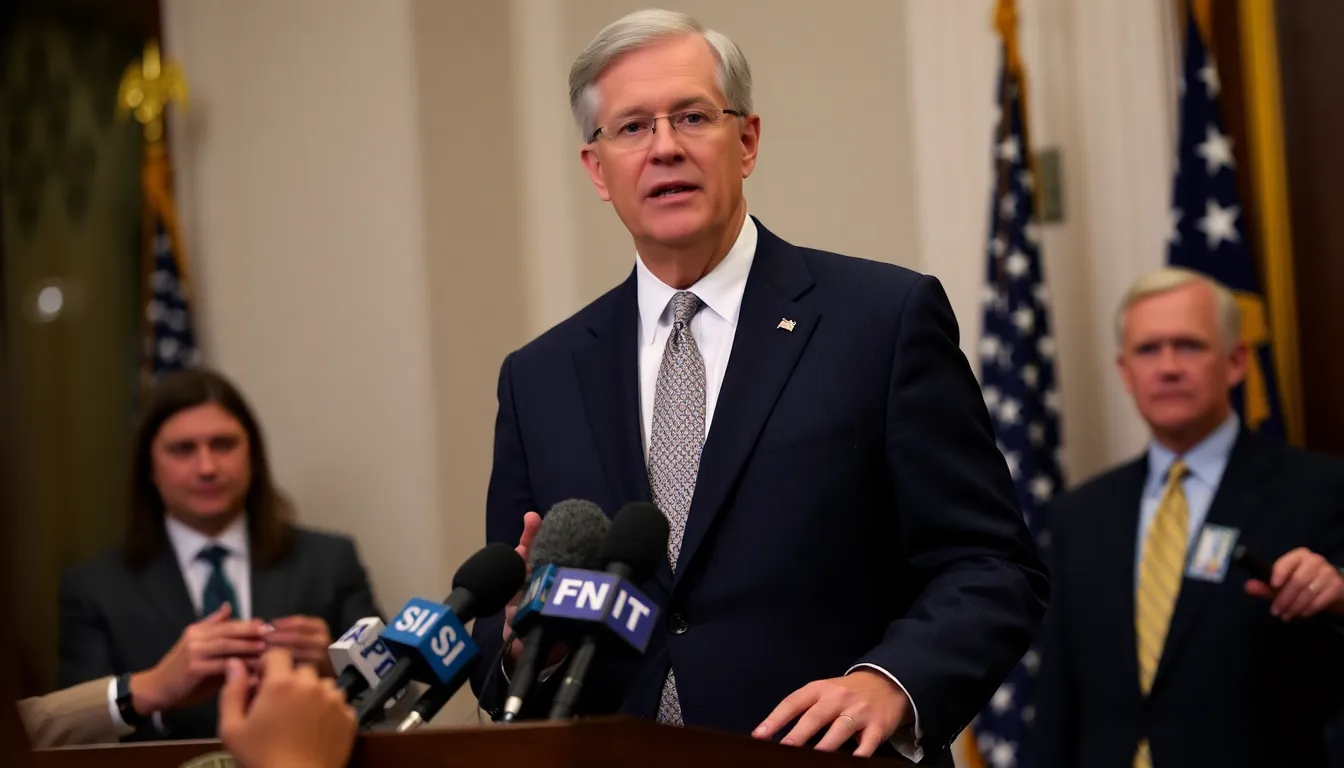
- Short-term impacts: Market volatility, cautious business investments, fluctuations in interest rates.
- Mid-term impacts: Potential for consistent monetary policy, increased investor confidence, risks of leadership vacuum.
While there are risks associated with uncertainty in leadership, there are also opportunities for businesses to adapt to changing economic conditions. Companies that can navigate the evolving landscape may find new avenues for growth, particularly in sectors that thrive on innovation and flexibility. Overall, the ongoing situation surrounding Powell’s tenure will continue to shape the economic environment for various stakeholders.
A: Powell’s announcement is crucial as it provides clarity on leadership stability at the Federal Reserve during a critical economic period. A: Powell can remain as Fed Chair until a new successor is confirmed and takes over, which could take several months. A: Powell’s continued leadership may ensure consistency in monetary policy as the Fed navigates economic challenges. A: Potential successors include various economists and current Fed officials, but no official candidates have been announced yet. A: Markets may react positively to the news of Powell’s continued leadership, as it suggests stability in economic policy.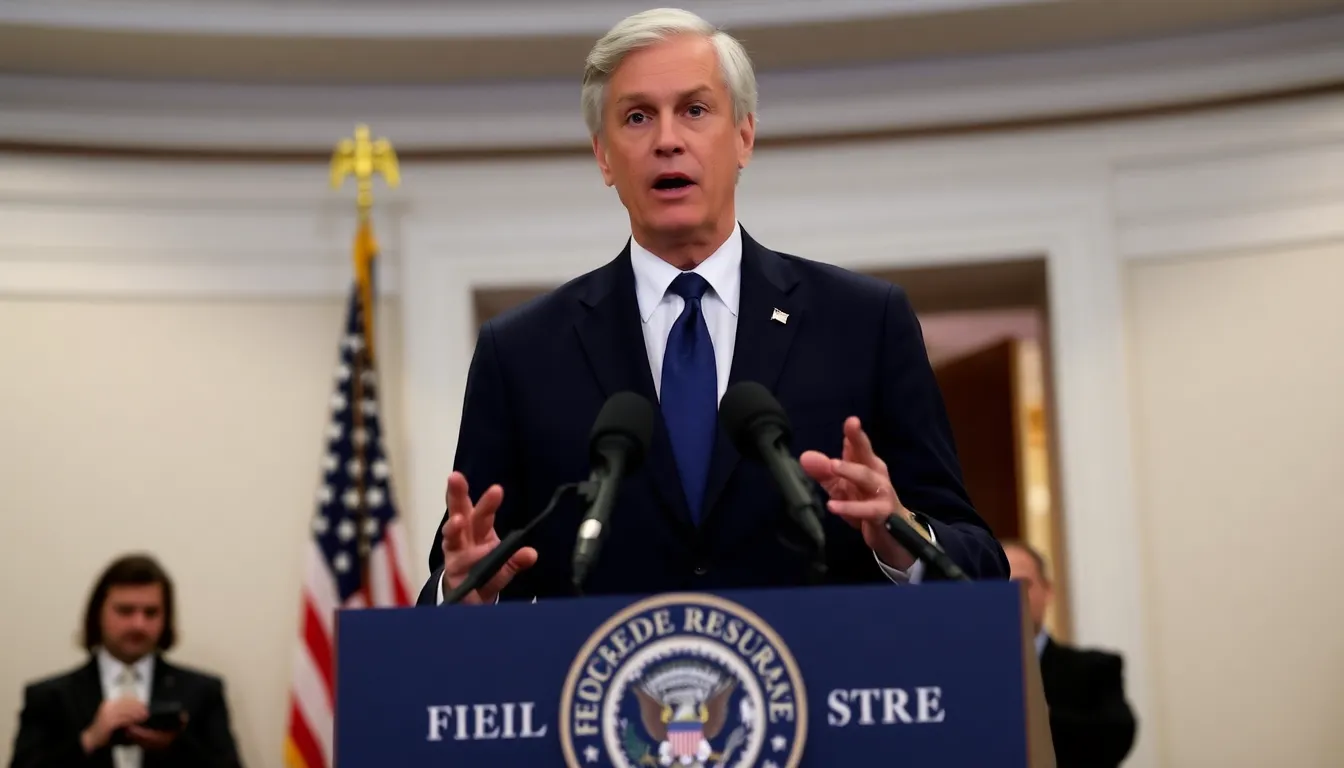
Frequently Asked Questions about Powell’s tenure
Looking ahead: what Powell’s decision means for the Fed
Jerome Powell’s commitment to remain as Federal Reserve Chair until a successor is confirmed signals a period of continuity in U.S. monetary policy. This decision comes at a time when markets are closely monitoring inflation trends and interest rate adjustments. Powell’s leadership is expected to provide stability as the Fed navigates complex economic challenges, including potential shifts in fiscal policy and global economic conditions.
Investors and policymakers alike will be keenly observing how Powell’s tenure influences the Fed’s approach to interest rates and inflation control. His ongoing presence may also impact the selection process for his successor, with implications for the Fed’s long-term strategy and credibility in the eyes of the market.
- Monitor inflation data: Continued scrutiny of inflation metrics will be crucial as Powell’s policies take shape.
- Interest rate decisions: Watch for signals regarding future interest rate hikes or cuts, which will be influenced by economic performance.
- Succession planning: The process for selecting Powell’s successor could reveal the Fed’s future direction and priorities.
- Global economic impact: Pay attention to how international economic conditions may affect the Fed’s decisions under Powell’s leadership.
- Market reactions: Observe market responses to Powell’s statements and actions as indicators of investor sentiment and confidence.