


In recent months, tensions on the Korean Peninsula have escalated, with North Korea conducting a series of missile launches, including intercontinental ballistic missiles (ICBMs). These developments have prompted the US to reassess its military posture in the region, particularly in light of the THAAD system, which was deployed in South Korea in 2017, plays a critical role in intercepting potential threats from the North.
South Korean President Yoon Suk-yeol’s administration has expressed unease regarding the proposed changes, emphasizing the importance of maintaining a robust defense against North Korean aggression. Officials worry that moving the anti-missile system could undermine South Korea’s defense capabilities and create a security vacuum in the region.
Moreover, the potential shift has sparked discussions about the broader implications for US-South Korea relations. As both countries navigate their military strategies, the outcome of these deliberations will be crucial in determining the future of their alliance and regional stability. The situation remains fluid, with key decisions expected in the coming weeks.
Understanding the background of US military presence in South Korea
The United States has maintained a military presence in South Korea since the end of the Korean War in 1953, which was established to deter North Korean aggression and provide a stabilizing force in the region. This military alliance was solidified by the Mutual Defense Treaty, ensuring ongoing collaboration to tackle emerging threats.
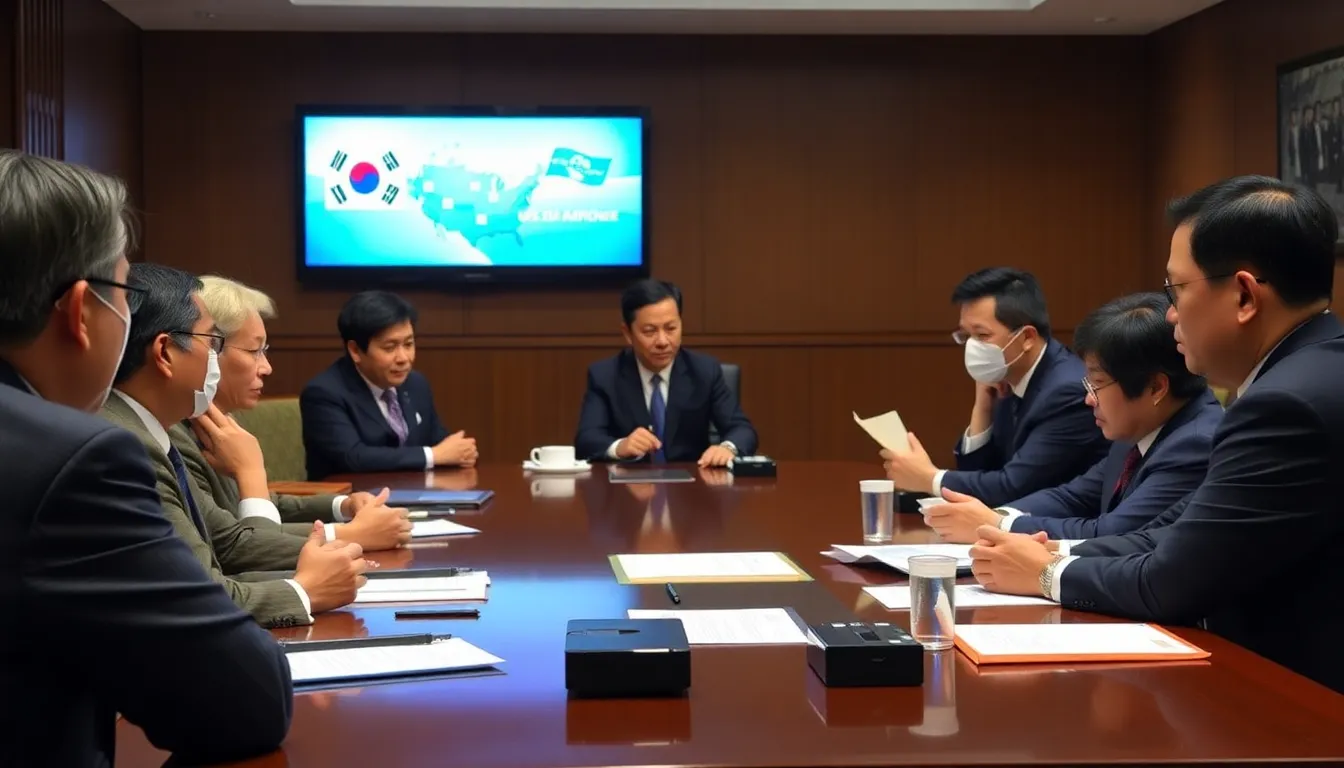
In recent years, the geopolitical landscape in East Asia has shifted dramatically, particularly due to North Korea’s advancing missile and nuclear programs. The US has responded by deploying advanced missile defense systems, such as the Terminal High Altitude Area Defense (THAAD), to protect South Korea from potential threats. However, these deployments have not been without controversy, as they have raised concerns about regional security dynamics and have sparked tensions with neighboring countries, particularly China.
Key milestones in US-South Korea relations
Several key milestones have shaped the current state of US military presence in South Korea. The signing of the Mutual Defense Treaty in 1953 solidified military cooperation, while the establishment of the US Forces Korea (USFK) has been crucial for operational readiness. More recently, in 2016, the deployment of THAAD was met with fierce opposition from China, which viewed it as a threat to its own security. This has created a complex interplay of military strategy and diplomatic relations in the region.
As the US considers moving some of its anti-missile systems, concerns are mounting in South Korea about the implications for national security and regional stability. The potential relocation could signal a shift in US defense strategy, raising questions about the reliability of the US commitment to South Korea amidst changing global dynamics, much like how Jared Kushner’s role in the Middle East reflects the complexities of international diplomacy.
Key stakeholders and issues surrounding the relocation
The potential relocation of the US anti-missile system has drawn attention from various stakeholders, each with distinct interests and concerns. The primary actors include the United States government, the South Korean government, regional security allies, and local populations affected by the deployment or relocation of military assets.
The United States government is focused on maintaining its strategic military presence in the region, which it views as essential for countering threats from North Korea and ensuring stability in East Asia. The US military’s interests also align with broader geopolitical strategies that involve strengthening alliances and deterring aggression from rival states.
On the other hand, the South Korean government is caught in a complex situation. While it benefits from the protection afforded by the US missile defense system, there are growing concerns among South Koreans about the implications of any relocation. This includes fears of increased vulnerability to North Korean missile threats and the potential for diplomatic fallout with China, which has historically opposed the deployment of such systems in South Korea.
- Security Concerns: The risk of North Korean missile attacks remains a top priority for both the US and South Korea.
- Regional Stability: The relocation could destabilize the balance of power in East Asia, affecting relations with China and Russia.
- Public Sentiment: Local populations may express opposition to military installations, fearing escalation of tensions.
- Economic Implications: The presence or absence of the missile system could impact defense spending and economic relations in the region.
- Legal and Diplomatic Issues: The relocation may raise questions about treaties and agreements between the US and South Korea.
The dynamics of this situation highlight the delicate balance that must be struck between national security interests and regional diplomatic relations. As the US considers its options, the reactions from South Korea and neighboring countries will play a crucial role in shaping the future of military deployments in the region.
How the relocation may affect South Korea and regional security
The potential relocation of the US anti-missile system is poised to have significant ramifications for various groups and industries in South Korea. The South Korean government, military, and defense industries are at the forefront of this impact, as the presence of the US missile defense system has long been seen as a critical deterrent against regional threats, particularly from North Korea.
In the short term, the uncertainty surrounding the relocation may lead to increased anxiety among the South Korean populace. Citizens may experience heightened concerns about national security, which could influence public opinion and political discourse. Businesses, particularly those in sectors reliant on stable geopolitical conditions, such as tourism and international trade, may see fluctuations in consumer confidence and investment.
In the mid-term, the absence or repositioning of the anti-missile system could alter defense policies and military strategies in the region. The South Korean military may need to reassess its defense posture, potentially leading to increased defense spending or the pursuit of alternative security partnerships. This shift could create both risks and opportunities for local defense contractors and technology firms looking to innovate or expand their offerings.
- Risks: Increased vulnerability to missile threats, potential destabilization of regional security dynamics, and economic uncertainty.
- Opportunities: Growth in domestic defense industry, potential for new international defense collaborations, and innovation in security technologies.
Ultimately, the relocation of the US anti-missile system is not just a military issue; it has far-reaching implications for South Korean society, the economy, and the broader geopolitical landscape in East Asia. As stakeholders navigate this complex situation, the balance between risk management and seizing new opportunities will be crucial for the future stability of the region.
A: The US is evaluating its military strategy in response to evolving threats in the region, particularly from North Korea. This move aims to enhance operational flexibility and effectiveness. A: The potential relocation could create security vulnerabilities for South Korea, raising concerns about its defense capabilities against missile threats. A: South Korean officials have expressed unease and are seeking clarification from the US about the implications of such a move on their national security. A: The anti-missile system is crucial for intercepting potential missile threats, thereby providing a deterrent against aggression from North Korea and ensuring regional stability. A: Yes, diplomatic channels are being utilized to discuss the potential impacts and ensure that South Korea’s security needs are adequately addressed.
Frequently asked questions about the US anti-missile system relocation
Key takeaways and future outlook on the situation
The potential relocation of the US anti-missile system has raised significant concerns in South Korea, highlighting the delicate balance of security in the region. As North Korea continues to advance its missile capabilities, the implications of this strategic shift could affect not only the defense posture of South Korea but also its diplomatic relations with both the US and neighboring countries.
Monitoring the developments surrounding this issue will be crucial as it may lead to shifts in military alliances and defense strategies in East Asia. The response from the South Korean government and its public sentiment will also play a pivotal role in shaping the future of US-South Korea relations.
- Watch for official statements from the South Korean government regarding their stance on the potential relocation.
- Observe how this situation influences public opinion in South Korea about the US military presence.
- Consider the response from North Korea, which may escalate tensions in the region.
- Keep an eye on the reactions from China and Russia, as they may seek to exploit any perceived weakness in US alliances.
- Assess the potential impact on defense spending and military modernization efforts in South Korea as a countermeasure.