


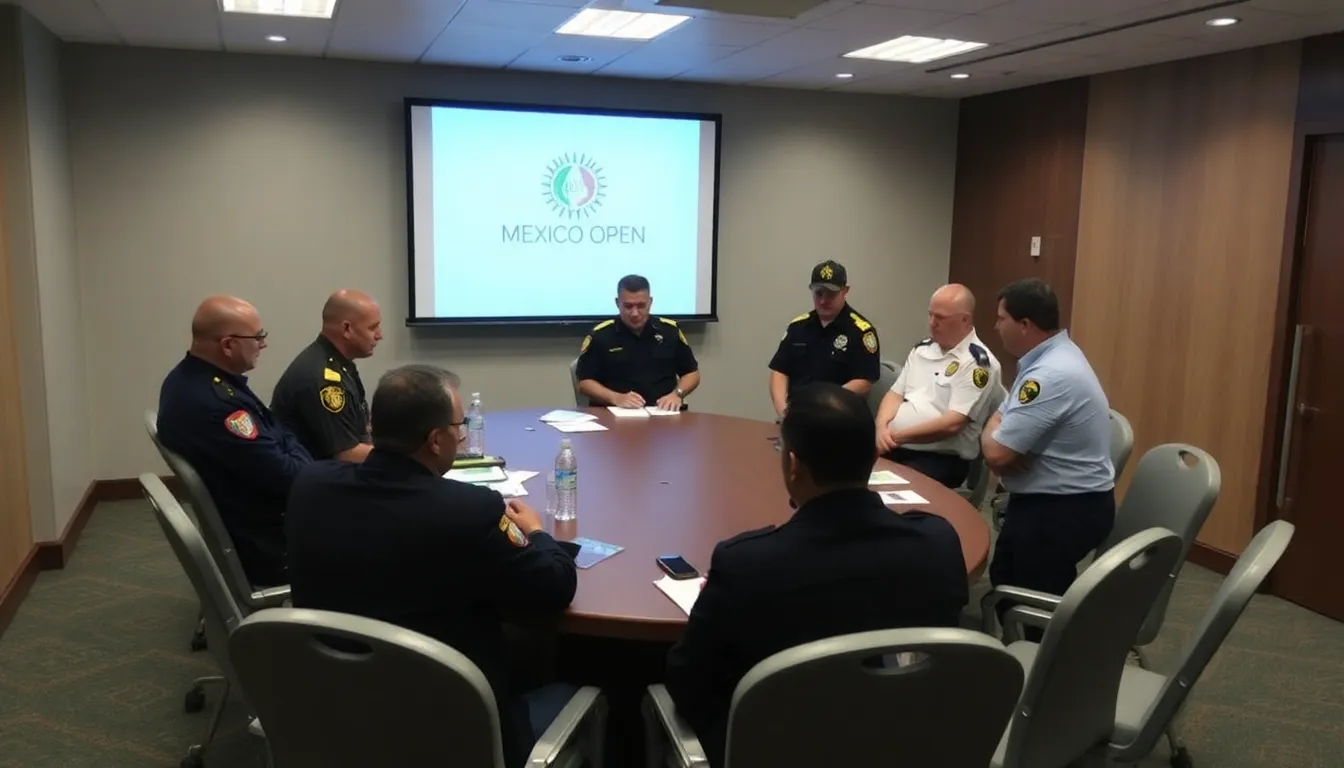
In recent weeks, Acapulco has witnessed a surge in cartel-related violence, raising concerns among residents and visitors alike. Local authorities reported several violent incidents, including shootings, which have prompted some to question the safety of hosting large events in the area. However, officials from the Mexican Open have stated that they are working closely with law enforcement to ensure the safety of players, staff, and spectators.
Prominent players, including top-ranked athletes, have expressed their support for the tournament, highlighting its significance in the professional tennis calendar. The event draws international attention and provides an opportunity for athletes to compete in a vibrant setting. As such, organizers believe that continuing with the tournament sends a message of resilience and normalcy amid the ongoing challenges faced by the region.
As the tournament approaches, security measures are being enhanced, with increased police presence and surveillance around the venue. The Mexican Open serves not only as a sporting event but also as a cultural showcase, and organizers are determined to maintain its tradition despite the surrounding issues. The situation remains fluid, and stakeholders are closely monitoring developments as they prepare for the upcoming competition.
Understanding the backdrop of drug cartel violence in Mexico
Mexico has long been plagued by drug cartel violence, a complex issue rooted in a combination of historical, political, and economic factors. The rise of powerful drug trafficking organizations can be traced back to the late 20th century when the demand for illegal narcotics surged in the United States. This demand created lucrative opportunities for Mexican cartels, which began to expand their operations, leading to increased competition and violence among rival gangs.

The political landscape in Mexico has also played a significant role in the escalation of cartel violence. Corruption within law enforcement and government institutions has allowed drug cartels to operate with relative impunity. The infamous “War on Drugs,” initiated in the mid-2000s, aimed to dismantle these organizations but often resulted in heightened violence as cartels fought back against government crackdowns. This conflict has claimed tens of thousands of lives and has deeply affected the social fabric of many communities.
Impact on Local Communities
The pervasive violence has had a profound impact on local communities across Mexico. Many residents live in constant fear, with businesses often forced to close or operate under duress. The tourism industry, which is vital for Mexico’s economy, has also suffered as international perceptions of safety have been tarnished. Events like the Mexican Open, a prestigious tennis tournament, have faced scrutiny and pressure due to concerns about safety, yet organizers continue to assert their commitment to holding the event amidst these challenges, echoing sentiments shared by other major events that face similar pressures, such as the Celtic’s Europa League situation.
In recent years, there have been efforts to address the underlying issues contributing to cartel violence, including socioeconomic development programs and community engagement initiatives. However, the path to lasting peace remains fraught with challenges, as the influence of drug cartels continues to permeate various aspects of life in Mexico.
Examining the stakeholders and key issues surrounding the event
The ongoing situation surrounding the Mexican Open, which has faced scrutiny due to rising drug cartel violence, involves various stakeholders, each with distinct interests and concerns. Key actors include the event organizers, local government officials, law enforcement agencies, athletes, and the broader community affected by the violence.
Event organizers, including the Mexican Tennis Federation and private sponsors, aim to maintain the integrity and reputation of the tournament. Their interests lie in ensuring the event proceeds smoothly to attract international attention and tourism, which is vital for local economies. However, the threat of violence poses significant risks to their objectives, as safety concerns could deter participants and spectators.

Local government officials are caught in a complex web of interests. On one hand, they must address public safety and security to protect citizens and visitors. On the other hand, they are under pressure to support events that boost local tourism and economy. This creates a conflict between prioritizing immediate safety concerns and the long-term economic benefits of hosting high-profile events like the Mexican Open.
- Public Safety: The rise in cartel violence raises questions about the safety of attendees and participants, leading to potential cancellations or changes in security measures.
- Economic Impact: The tournament is a significant source of revenue for the local economy, and its cancellation could have wide-reaching financial implications.
- Reputation Management: Organizers and local officials must navigate the delicate balance of promoting the event while addressing safety concerns to maintain a positive image.
- Legal Ramifications: There may be legal consequences for organizers if they fail to protect participants and spectators, leading to potential lawsuits or liability issues.
- Community Response: The local community’s perception of the event and its safety can influence attendance and overall support, impacting future events.
In summary, the dynamics between these stakeholders illustrate the complexities of hosting major events in regions facing violence. The Mexican Open’s future hinges on how effectively these actors can address safety concerns while balancing economic interests and community perceptions, reminding us of the courage displayed in situations like the rise of certain cultural events despite adversity.
Potential effects on players and the local community
The ongoing drug cartel violence in Mexico poses significant risks to various groups, particularly the players participating in the Mexican Open, local residents, and businesses in the surrounding areas. As the tournament continues, the safety of athletes and fans becomes a primary concern, potentially affecting attendance and participation rates.
Local businesses, especially those in the hospitality and tourism sectors, are likely to experience fluctuations in revenue. The immediate impact may lead to a decrease in visitors, as potential attendees may opt to avoid the region due to safety concerns. This could result in a short-term economic downturn for hotels, restaurants, and entertainment venues that rely on the influx of tourists during the event.
However, there are also mid-term opportunities that could arise from the situation. For example, increased security measures may create jobs and stimulate local economies. Additionally, if the tournament successfully navigates these challenges, it could enhance the region’s reputation for resilience, potentially attracting future events and investments.
- Players face safety risks that could impact performance.
- Local businesses may see a decline in revenue due to reduced tourism.
- Increased security measures could provide job opportunities.
- Successful management of the situation could boost the region’s reputation.
In summary, while the immediate effects of the cartel violence present significant challenges, there are potential avenues for recovery and growth that stakeholders can explore. The balance between ensuring safety and maintaining the tournament’s integrity will be crucial in shaping the future landscape of the Mexican Open and its surrounding community.
A: The organizers have assured that safety measures are in place to protect all participants and attendees during the event. A: The violence has raised concerns among tourists, potentially impacting attendance at events like the Mexican Open. A: Increased security presence and collaboration with local authorities are part of the strategy to ensure a safe environment. A: As of now, the event schedule remains unchanged, with all matches proceeding as planned. A: Players have expressed mixed feelings, with some concerned about safety while others are focused on competing.
Frequently asked questions about the Mexican Open
Looking ahead at the future of the Mexican Open
The recent surge in violence attributed to drug cartels has raised concerns about the safety and viability of major events like the Mexican Open. Despite these challenges, organizers have reaffirmed their commitment to hosting the tournament, highlighting the importance of sports as a unifying force in the face of adversity. The resilience shown by the event’s stakeholders may serve as a beacon of hope, emphasizing the need for collaboration between local authorities and event organizers to ensure safety and security.
As the tournament approaches, it will be crucial to monitor the evolving situation in the region. The response from both participants and fans will likely influence future events and the overall perception of safety in Mexico. Stakeholders must remain vigilant and proactive in addressing concerns while promoting the positive aspects of the event.
- Increased Security Measures: Expect enhanced security protocols to be implemented at the event, which may set a precedent for future tournaments.
- Impact on Attendance: The decision to proceed with the tournament could affect attendance, with potential fluctuations in both local and international participation.
- Media Coverage: The way media portrays the event amidst ongoing violence will be critical in shaping public perception and attendance in the future.
- Community Support: Local community engagement and support for the tournament will be essential in fostering a safe environment and promoting tourism.
- Long-term Implications: The outcome of this year’s event may influence the future of sporting events in Mexico, particularly regarding safety and security strategies.