


This unprecedented exhibition aims to deepen the understanding of St Francis’s life and legacy. The relics, which were previously housed in a hidden crypt, are now accessible to the faithful and tourists alike, offering a unique opportunity to connect with the saint’s spiritual journey. The event is expected to draw significant attention, both locally and internationally.
Authorities have implemented strict measures to ensure the safety and preservation of the relics during the display. The exhibition will run for a limited time, allowing visitors to pay their respects and learn more about St Francis’s teachings on peace, nature, and humility. This initiative not only highlights the saint’s importance in Catholicism but also promotes cultural heritage and tourism in the region.
As the bones are displayed, discussions surrounding the ethical implications of exhibiting human remains are also emerging. Some critics argue that such displays can be seen as exploitative, while supporters believe it fosters a greater appreciation for the historical and spiritual significance of the figures involved. The event continues to spark dialogue about the balance between reverence and public interest in religious artifacts.
Understanding the historical significance of St Francis of Assisi
St Francis of Assisi, born Giovanni di Pietro di Bernardone in 1181, is one of the most revered figures in Christianity, known for his deep connection to nature and his commitment to poverty and humility. His life and teachings laid the foundation for the Franciscan order, which emphasizes living in accordance with the teachings of Jesus Christ, serving the poor, and caring for creation. His legacy has had a profound impact on Christian spirituality and social justice movements throughout the centuries.
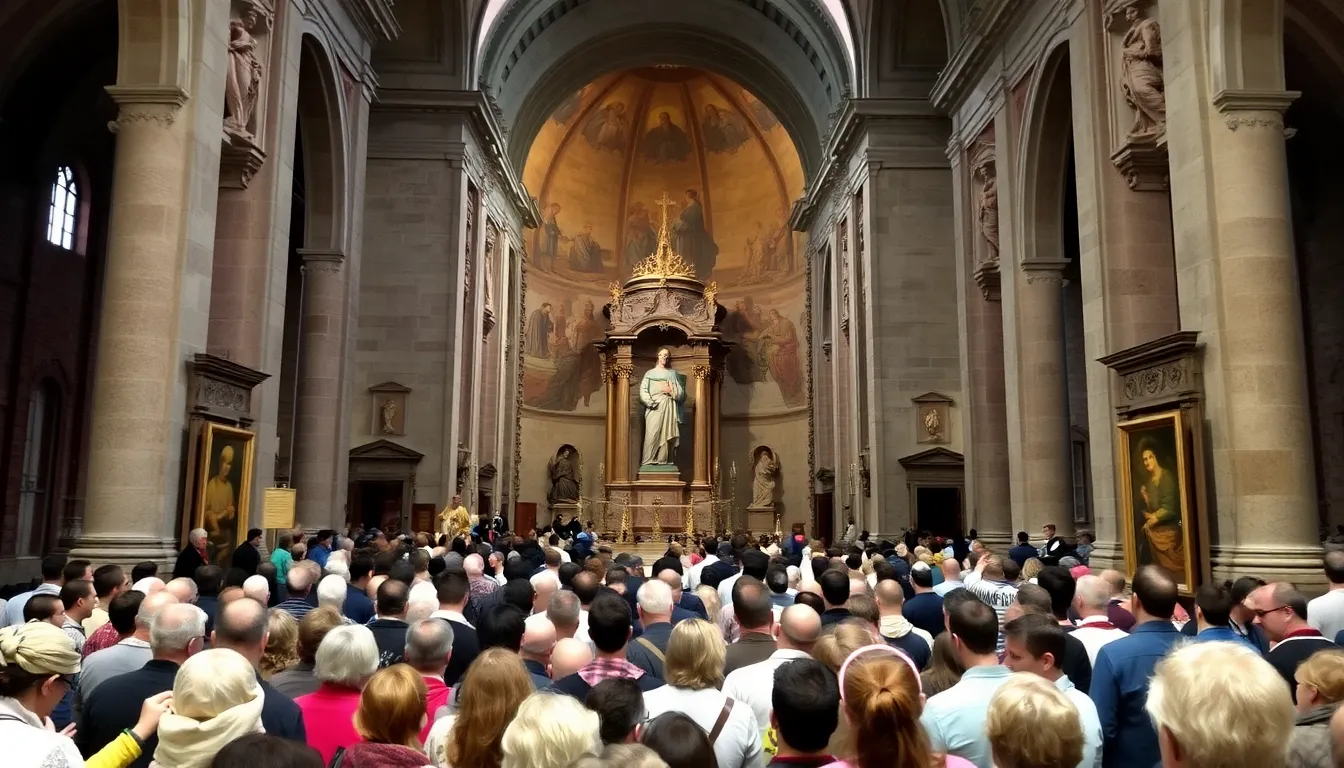
The public display of St Francis’s bones comes at a time when Italy is experiencing a resurgence of interest in its cultural and religious heritage. This event is not merely a historical curiosity; it serves as a reminder of the enduring influence of St Francis on modern society, particularly in discussions around environmentalism and social equity. The bones, believed to be housed in the Basilica of San Francesco in Assisi, have been largely inaccessible to the public, making this exhibition a significant occasion for both religious pilgrims and history enthusiasts alike.
The Journey of the Relics
The journey of St Francis’s relics has been marked by various milestones. After his death in 1226, he was canonized by Pope Gregory IX just two years later, reflecting his rapid rise to sainthood. Over the centuries, his remains have been preserved with great reverence, and the Basilica of San Francesco, built in his honor, has become a pilgrimage site for millions. The decision to display his bones publicly for the first time in centuries is seen as a way to reconnect the faithful with the saint’s teachings and life.
Moreover, the exhibition is set against a backdrop of increasing secularism in Italy, where religious traditions are often challenged by modern values. By showcasing the bones of St Francis, the church aims to bridge the gap between historical reverence and contemporary relevance, inviting a new generation to explore the spiritual and social messages that St Francis embodied.
This event is also significant in the context of Italy’s economic landscape, where tourism plays a crucial role. The display is expected to attract visitors from around the world, providing an economic boost to the region while highlighting the importance of preserving cultural heritage. As such, the bones of St Francis of Assisi not only represent a religious artifact but also a symbol of Italy’s rich history and its ongoing dialogue with the modern world.
Key stakeholders involved in the display of the bones
The recent decision to publicly display the bones of St. Francis of Assisi has attracted attention from various stakeholders, each with their own interests and perspectives. The primary actors include the Catholic Church, local government authorities, cultural heritage organizations, and the general public.
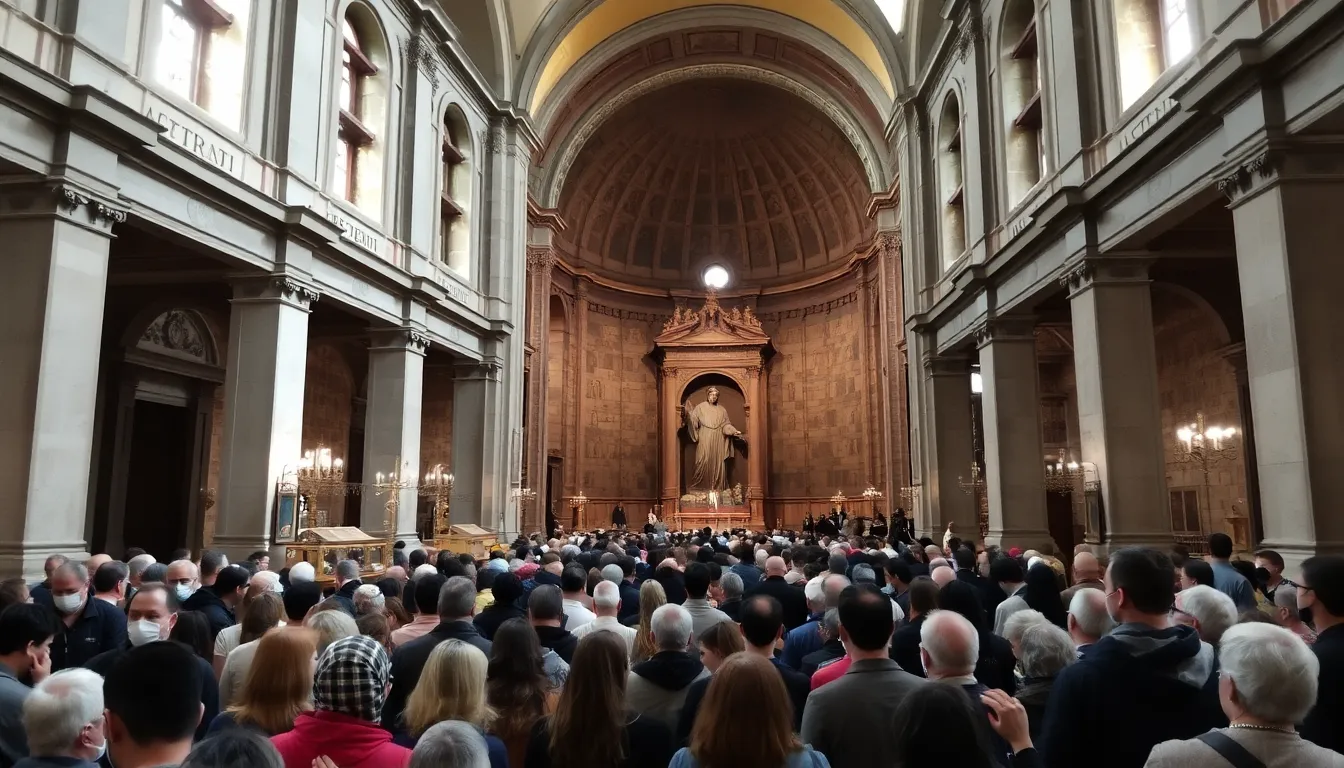
The Catholic Church, particularly the Franciscan Order, is a significant stakeholder as they oversee the relics of St. Francis. Their interest lies in promoting the spiritual and historical significance of the saint, while also managing the narrative surrounding his legacy. The Church may view the display as an opportunity to enhance religious tourism and deepen the faith of believers.
Local government authorities in Italy are also key players, as they are responsible for the regulation of public displays and the preservation of cultural heritage. Their interests include boosting local tourism, which can lead to economic benefits for the region. However, they must balance these interests with the need to respect the sentiments of those who may view the display as inappropriate or disrespectful. This balancing act is reminiscent of the themes explored in contemporary narratives, showcasing the importance of cultural sensitivity.
- Cultural heritage organizations may advocate for the preservation of the bones as a significant historical artifact, emphasizing the need for ethical considerations in their display.
- Public opinion is divided; some view the display as a celebration of faith, while others see it as commodification of sacred relics.
- Legal issues may arise regarding the ownership and rights to display the bones, particularly if there are claims from various factions within the Church or related organizations.
- Economic implications include the potential for increased tourism revenue, which could influence local policies and funding for cultural projects.
In summary, the display of St. Francis of Assisi’s bones involves a complex interplay of interests among various stakeholders. Each party must navigate their respective goals while addressing the broader implications of such a significant cultural and religious event.
The impact of the display on local tourism and religious communities
The public display of the bones of St. Francis of Assisi is set to significantly affect various groups, particularly local tourism operators and religious communities in Italy. The event is expected to draw both domestic and international visitors, eager to witness a unique and sacred artifact associated with one of the most revered saints in Christianity.
In the short term, local businesses, including hotels, restaurants, and souvenir shops, may experience a surge in patronage as pilgrims and tourists flock to Assisi. This influx can lead to increased sales and revenue, providing a much-needed boost to the economy, especially after challenges posed by the pandemic.
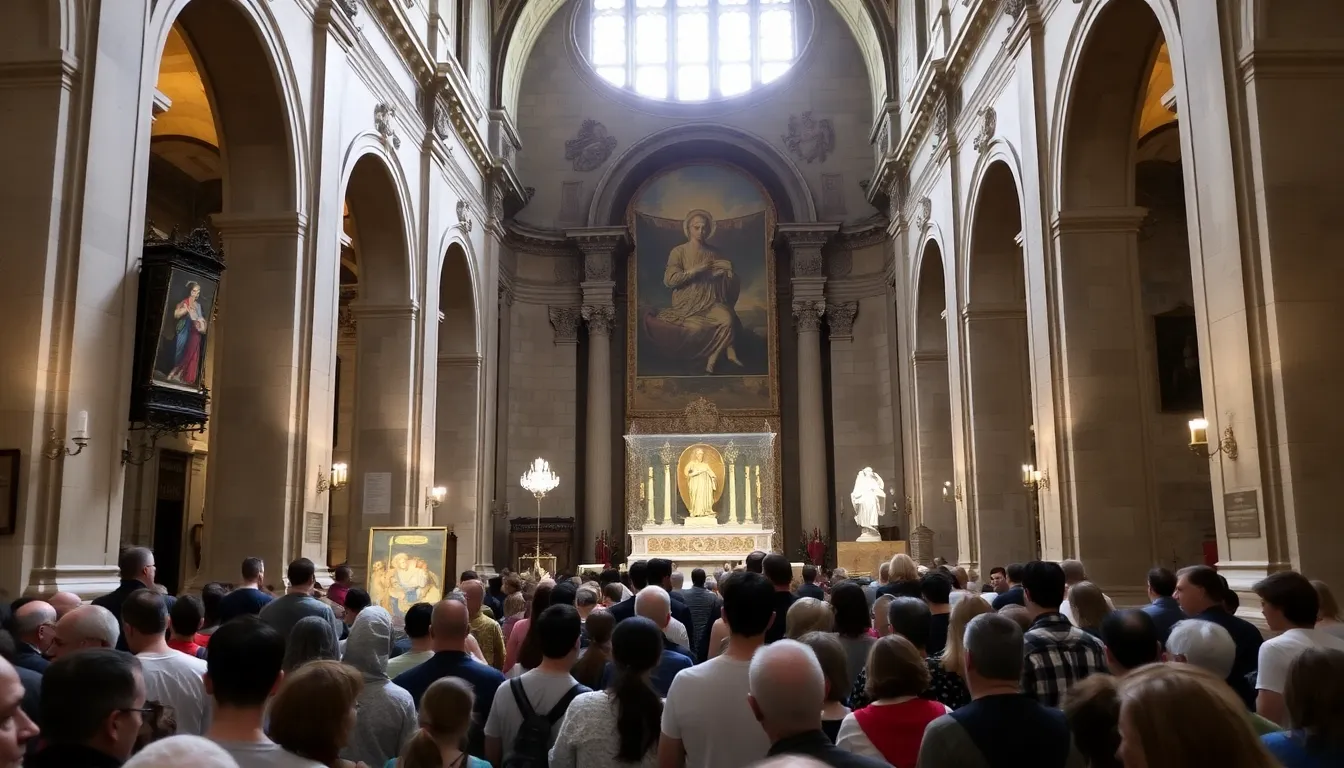
However, there are also potential risks associated with the event. The increased foot traffic may strain local infrastructure, leading to overcrowding and potential disruptions to daily life for residents. Additionally, there may be concerns regarding the preservation of the site and the bones themselves, raising questions about the ethical implications of displaying human remains.
- Short-term impacts: Increased tourism, boosted local economy, potential overcrowding.
- Mid-term impacts: Strengthened religious tourism reputation, possible policy discussions on heritage preservation.
- Opportunities: Enhanced visibility for local artisans and cultural events, potential for new partnerships in tourism.
In the mid-term, the display could solidify Assisi’s status as a key pilgrimage destination, potentially leading to long-term investments in tourism infrastructure. Local authorities may also initiate discussions about balancing tourism with the preservation of cultural heritage, ensuring that the community benefits sustainably from such events.
A: The bones are currently on display at the Basilica of St Francis in Assisi, Italy, a significant site for many pilgrims. A: This display offers a rare opportunity for people to connect with the legacy of St Francis, a pivotal figure in Christianity known for his humility and love for nature. A: The display is set to last for several months, allowing ample time for visitors to experience this unique event. A: Yes, there will be various religious ceremonies and guided tours to enhance the visitor experience during the display period. A: The Basilica has implemented health and safety protocols, including crowd control and sanitization measures to ensure a safe environment for all visitors.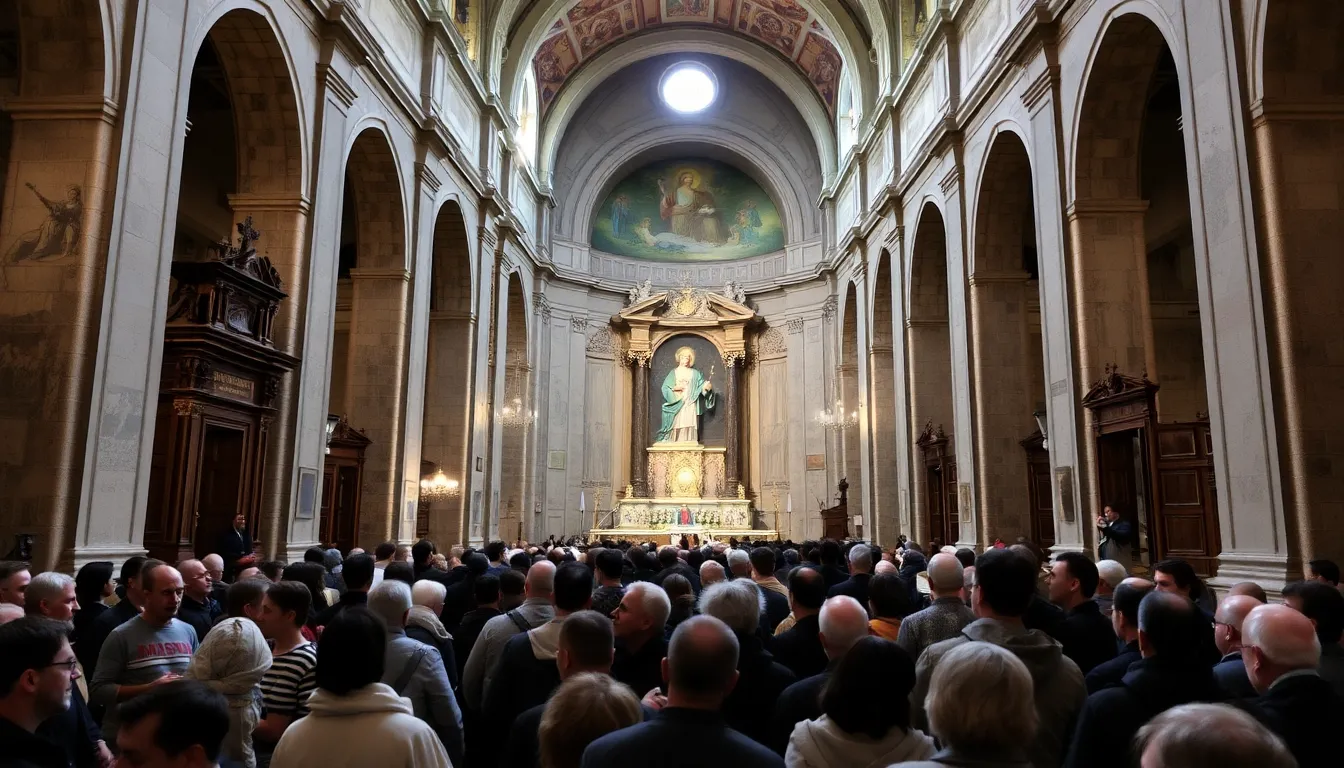
Frequently asked questions about the display of St Francis’s bones
Key takeaways and future implications of the display
The public display of the bones of St. Francis of Assisi marks a significant moment in the intersection of history, religion, and culture. This event not only offers a rare glimpse into the life of one of Christianity’s most revered figures but also raises questions about the relationship between faith and physical relics in contemporary society. As visitors flock to witness this historic exhibition, the implications for religious tourism and cultural heritage preservation are profound.
Moreover, the display serves as a reminder of the enduring legacy of St. Francis, whose teachings on humility and compassion continue to resonate today. The renewed interest in his life and message may inspire further exploration of Franciscan values in modern contexts, potentially influencing social initiatives and interfaith dialogues.
- The event is likely to boost religious tourism in Assisi, encouraging local economic growth.
- Increased interest in St. Francis may lead to a resurgence in discussions about environmental stewardship and social justice.
- The display could prompt museums and religious institutions worldwide to reconsider how they present and preserve sacred relics.
- As more visitors engage with the life of St. Francis, there may be a rise in community-led initiatives reflecting his values.
- This exhibition could serve as a case study for future displays of religious artifacts, balancing accessibility with respect for sacred traditions.