


The research team monitored the health of polar bears over the past few years, with findings indicating that the bears are gaining weight and exhibiting better overall health metrics. This phenomenon is attributed to an increase in the availability of alternative food sources, such as seals and other marine mammals, which remain accessible even as ice habitats diminish. For more information on climate impacts, check out our article on A.I. Delusions Severity.
Scientists point out that while the general narrative surrounding climate change and polar bears often focuses on the threats posed by melting ice, these findings suggest a more complex picture. The adaptability of polar bears to their environment may allow them to thrive in certain areas, even as their traditional hunting grounds are compromised.
However, experts caution that this situation may not be sustainable in the long term. The ongoing impacts of climate change could eventually lead to food scarcity, as well as other ecological disruptions that could affect bear populations. Understanding these dynamics is crucial for conservation efforts and for predicting the future of polar bears in a warming world.
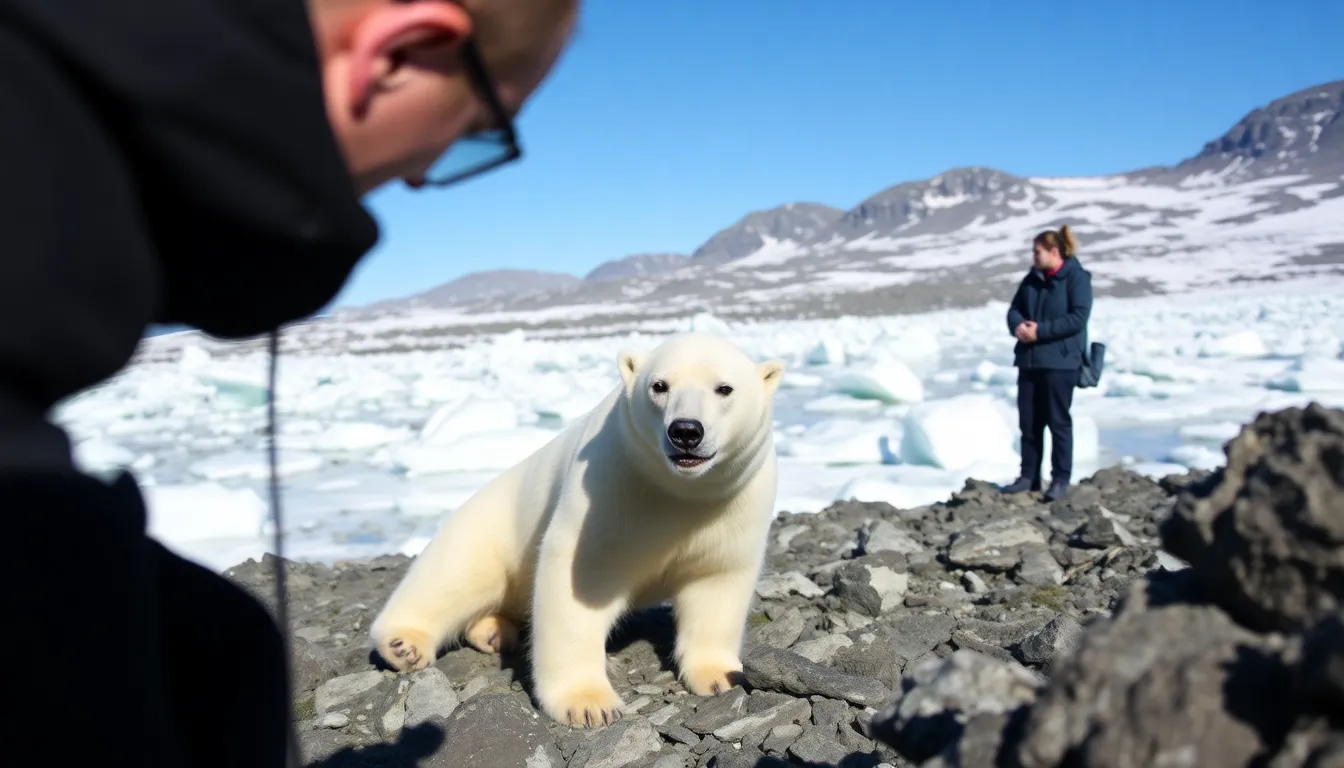
Understanding the changing Arctic environment and its effects on wildlife
The Arctic region has been undergoing significant changes due to climate change, with rising temperatures leading to dramatic reductions in sea ice. This loss of ice is often viewed as detrimental to polar bear populations, which rely on the ice for hunting seals, their primary food source. However, recent studies have indicated that polar bears on certain Norwegian islands are actually becoming fatter and healthier, challenging traditional perceptions about the impact of climate change on these iconic animals.
This surprising development can be attributed to a combination of factors, including changes in prey availability and adaptations in polar bear behavior. As sea ice diminishes, some polar bears have shifted their hunting strategies, taking advantage of the increased accessibility to land-based food sources. This includes scavenging and hunting terrestrial animals, which may contribute to their improved body condition in specific areas, similar to the insights shared in BBC Inside Science.
The historical context of polar bear conservation also plays a role in understanding their current health. In the late 20th century, heightened awareness of climate change and its effects on polar bears led to increased conservation efforts. International agreements, such as the 1973 Agreement on the Conservation of Polar Bears, aimed to protect polar bear populations and their habitats. These measures have helped stabilize some populations even as their environment continues to change.
The Economic Impact of Climate Change on Arctic Communities
The shifting dynamics of the Arctic also have economic implications for local communities. As ice melts, new shipping routes are opening, and resource extraction becomes more feasible. This has led to a complex interplay between conservation efforts and economic development, as local populations seek to balance traditional lifestyles with new opportunities, much like the partnerships seen in UK joins major wind farm projects.
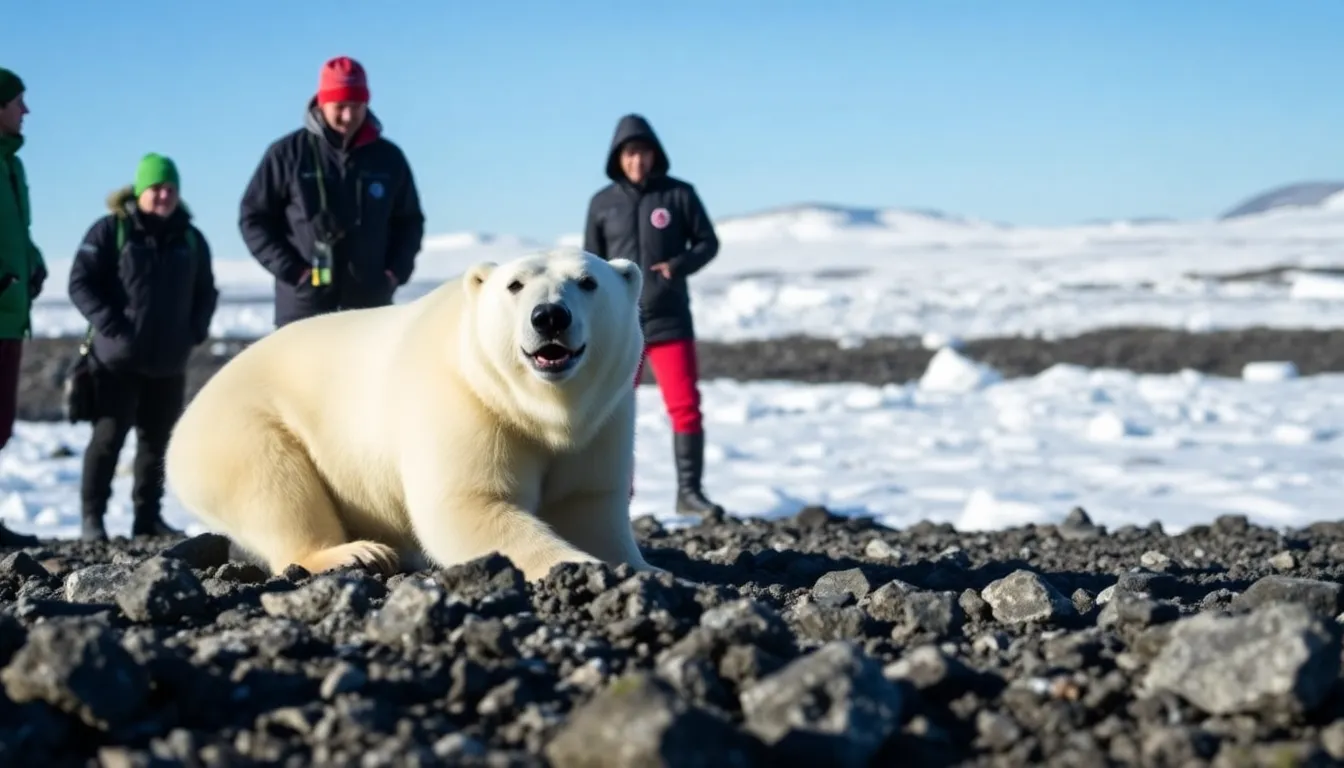
Examining the factors contributing to polar bear health improvements
The recent findings regarding the health of polar bears on Norwegian islands present a complex interplay of various stakeholders and issues. The primary actors in this scenario include scientists, conservation organizations, local governments, and the fishing and tourism industries. Each of these groups has distinct interests that may influence their perspectives on polar bear health and the broader implications of climate change.
Scientists are at the forefront of this research, aiming to understand the biological and ecological factors that contribute to the observed improvements in polar bear health despite significant ice loss. Their interest lies in gathering data that can inform conservation strategies and policy decisions. Conservation organizations, such as the World Wildlife Fund (WWF), advocate for the protection of polar bear habitats and seek to raise public awareness about the impacts of climate change on Arctic ecosystems.
Local governments in Norway have a vested interest in balancing ecological preservation with economic development. The fishing and tourism industries, which are crucial to the local economy, may view the presence of healthy polar bears as a potential draw for eco-tourism. However, these industries also face challenges related to overfishing and habitat disruption, which could create conflicts with conservation efforts aimed at protecting polar bear populations.
- Climate Change Impact: The ongoing loss of sea ice raises questions about the long-term sustainability of polar bear populations, despite current health improvements.
- Economic Interests: The tension between economic development and conservation efforts may lead to trade-offs that impact both local communities and wildlife.
- Research Funding: The need for ongoing scientific research on polar bears may rely on funding from both government and private sources, raising questions about priorities and influence.
- Public Perception: The portrayal of polar bears in media can shape public opinion and policy decisions, influencing the actions of stakeholders.
- Legal Frameworks: Existing environmental laws and international agreements play a crucial role in shaping conservation strategies and stakeholder responsibilities.
In summary, the health of polar bears on Norwegian islands is influenced by a variety of factors, including scientific research, conservation efforts, and economic interests. Understanding the dynamics among these stakeholders is essential for addressing the broader challenges posed by climate change and ensuring the future of polar bear populations in the Arctic region.
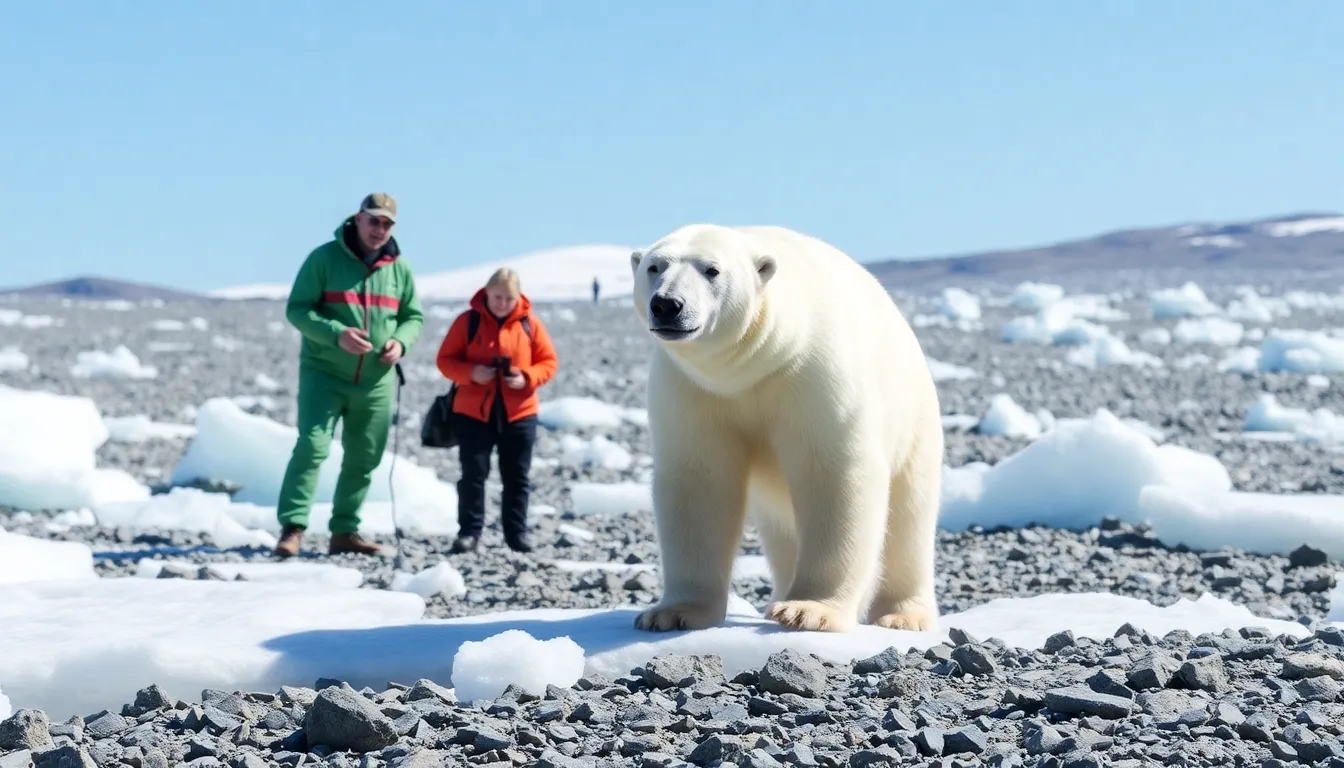
Potential implications for polar bear conservation and climate change policies
The recent findings regarding the health of polar bears on Norwegian islands have significant implications for various stakeholders, including conservationists, local communities, and policymakers. As these bears appear to thrive despite the ongoing loss of sea ice, the dynamics of polar bear populations could shift, affecting conservation strategies and funding allocations.
Local communities that rely on tourism associated with wildlife, particularly polar bear viewing, may experience both short-term benefits and long-term challenges. In the short term, healthier polar bear populations could attract more tourists, providing a boost to local economies. However, as climate change continues to alter habitats, these communities may face uncertainty regarding the sustainability of such tourism in the future.
Industries involved in climate research and environmental conservation may find new opportunities for funding and collaboration. The unexpected resilience of polar bears could lead to a re-evaluation of conservation methods, prompting investments in alternative strategies that address broader climate challenges. This could foster innovation but also risks diverting attention from the urgent need to address ice loss.
- Short-term tourism growth from increased polar bear visibility.
- Potential shifts in conservation funding towards more adaptive strategies.
- Increased collaboration among scientists and industries focused on climate adaptation.
On the policy front, the health of polar bears could influence international climate agreements and conservation policies. Countries may be encouraged to reconsider their commitments based on new data, which could either lead to stronger regulations or, conversely, a complacency regarding climate action if the bears are perceived as thriving. This duality presents both risks and opportunities for effective policy-making.
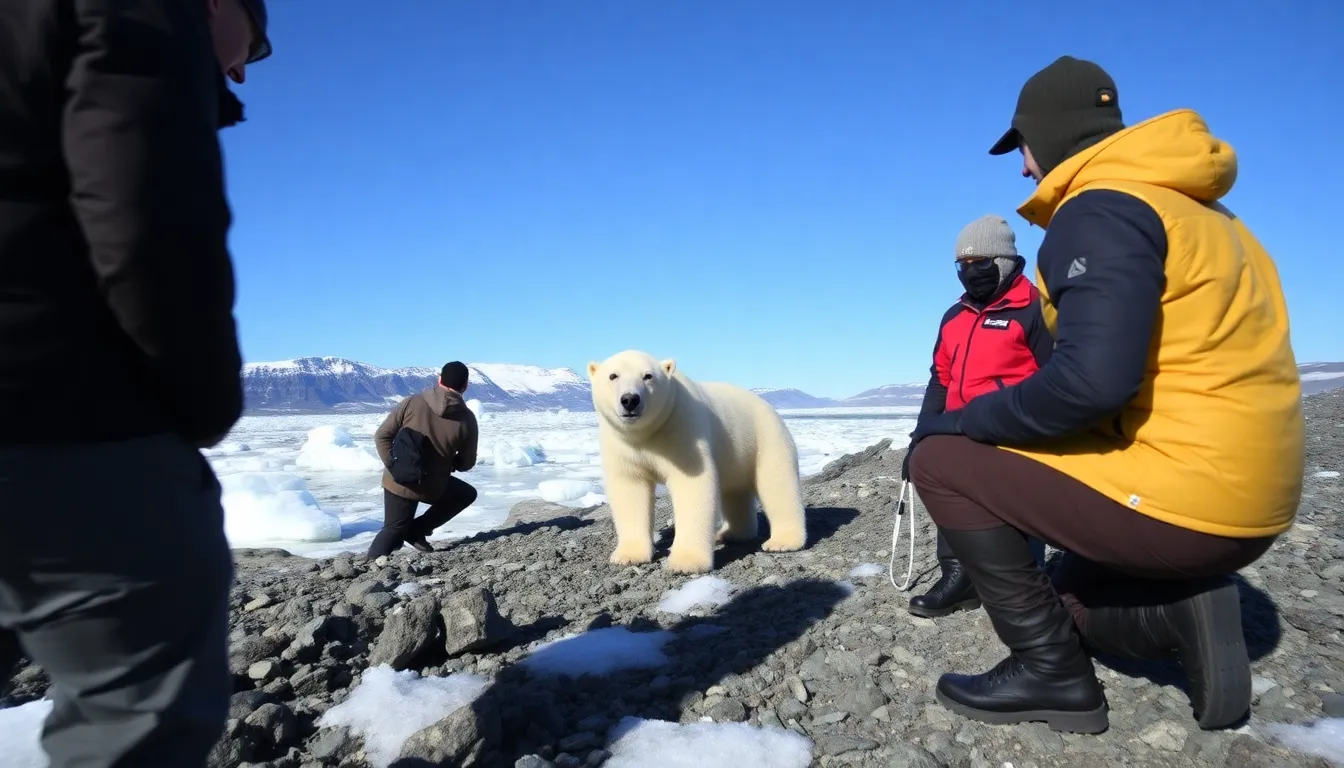
Frequently Asked Questions about polar bears and climate change
A: Researchers found that polar bears are adapting their diets and hunting strategies, leading to increased fat reserves and overall health.
A: The availability of alternative food sources, such as seals and other marine life, has played a significant role in their improved health.
A: While some populations show resilience, the long-term effects of climate change remain a serious concern for polar bear habitats.
A: This unexpected health trend may lead to a reevaluation of conservation strategies and the need for adaptive management in response to changing environments.
Key takeaways and future outlook for polar bear populations
The recent findings regarding polar bears on Norwegian islands present a complex picture of their adaptability in the face of climate change. While the loss of sea ice is typically associated with negative outcomes for these iconic mammals, the current observations indicate that certain populations are thriving, suggesting a potential shift in behavior and diet that warrants further investigation.
As scientists continue to monitor these changes, it is essential to consider the broader implications for polar bear conservation and the Arctic ecosystem. Understanding the factors contributing to the health of these bears could provide insights into their resilience and inform strategies for protecting their habitats.
- Monitoring the health of polar bear populations can reveal adaptive behaviors that may help them cope with changing environments.
- Research into dietary changes among polar bears could inform conservation strategies and highlight the importance of diverse food sources.
- Continued observation of ice loss impacts on polar bear habitats is crucial for predicting future trends in their populations.
- Collaborative efforts between scientists and local communities may enhance understanding of polar bear behavior and habitat use.
- Future studies should focus on the long-term sustainability of these populations in relation to ongoing climate change challenges.