


In recent months, the Northern Ireland Executive has been under pressure to address the peatland crisis more effectively. In September 2023, a coalition of environmental groups urged the government to implement a comprehensive restoration strategy that includes rewetting and sustainable land management practices. The urgency of this issue is underscored by the increasing frequency of extreme weather events, which further exacerbate peatland loss.
One innovative solution being explored is the use of wool from sheep, which could serve as a natural material for peatland restoration. This initiative, proposed by local farmers and environmentalists, aims to utilize excess wool to create biodegradable products that can help retain moisture in degraded peatlands. Such a solution not only addresses environmental concerns but also supports the local agricultural economy.
The potential for using wool in peatland restoration highlights a growing trend towards integrating local resources into environmental solutions. As discussions continue, stakeholders are hopeful that this approach will gain traction, leading to a collaborative effort that benefits both the ecosystem and the local community. The outcome of these initiatives could set a precedent for peatland management in other regions facing similar challenges.
The historical significance of peatlands and their degradation
Peatlands have long played a crucial role in the ecosystem of Northern Ireland, covering approximately 12% of the region’s land area. Historically, these wetlands have been valued not only for their biodiversity but also for their ability to store carbon, regulate water cycles, and support unique flora and fauna. However, over the past century, extensive drainage and agricultural practices have led to significant degradation of these vital ecosystems, diminishing their ecological functions and contributing to greenhouse gas emissions.
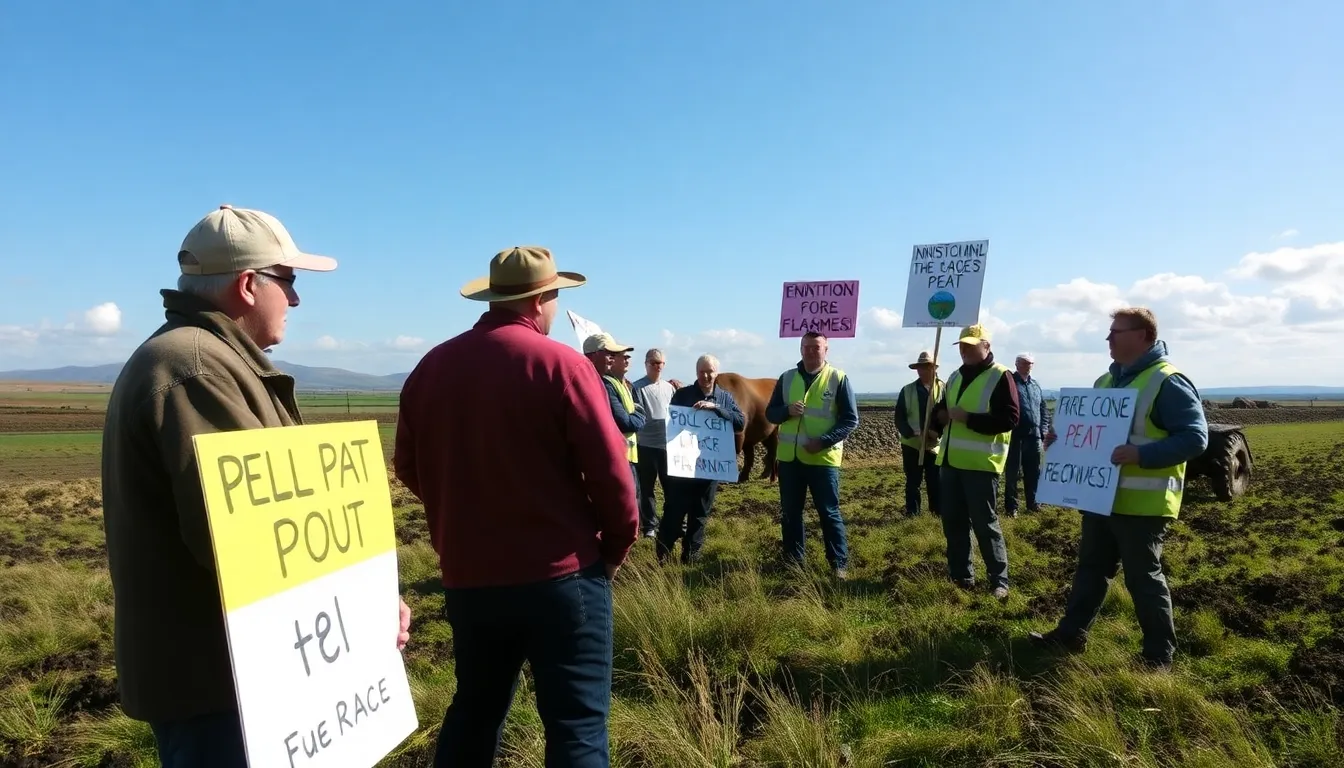
The political landscape surrounding peatlands in Northern Ireland has been shaped by various factors, including land use policies, economic interests, and environmental advocacy. In the 20th century, peat extraction became a lucrative industry, driven by the demand for fuel and horticultural products. This economic incentive often overshadowed the environmental costs, leading to widespread habitat loss and degradation. The rise of environmental awareness in the late 20th century prompted calls for conservation and restoration efforts, highlighting the need to balance economic development with ecological preservation.
Key milestones in peatland management
Several key milestones have marked the evolution of peatland management in Northern Ireland. In 1999, the Northern Ireland Executive established the Biodiversity Strategy, which aimed to protect and restore natural habitats, including peatlands. This was followed by the launch of the Peatland Action Plan in 2015, focusing on restoration projects and sustainable management practices. More recently, the Climate Change (No. 2) Bill introduced in 2021 has put additional pressure on policymakers to address the environmental impacts of peatland degradation, emphasizing the importance of restoring these ecosystems in the context of climate action.
Socially, the degradation of peatlands has sparked a growing movement among local communities and environmental groups advocating for sustainable land use practices. This grassroots activism has been instrumental in raising awareness about the ecological importance of peatlands and the need for their restoration. As a result, there is now a greater recognition of the potential for innovative solutions, such as utilizing sheep grazing to manage and restore peatlands, which could provide both environmental benefits and economic opportunities for local farmers. This growing awareness is crucial for the future of peatland ecology.
Key stakeholders and the debate surrounding peatland restoration
The restoration of peatlands in Northern Ireland (NI) involves a complex interplay of various stakeholders, each with distinct interests and concerns. Key actors include government agencies, environmental organizations, agricultural representatives, and local communities. Their differing priorities often lead to conflicts and trade-offs that complicate the restoration efforts.
Government bodies, such as the Department of Agriculture, Environment and Rural Affairs (DAERA), are primarily focused on environmental protection and climate change mitigation. They advocate for the restoration of peatlands to enhance biodiversity and reduce carbon emissions. However, their initiatives sometimes clash with the interests of farmers and landowners who may view peatland restoration as a threat to agricultural productivity and land use.
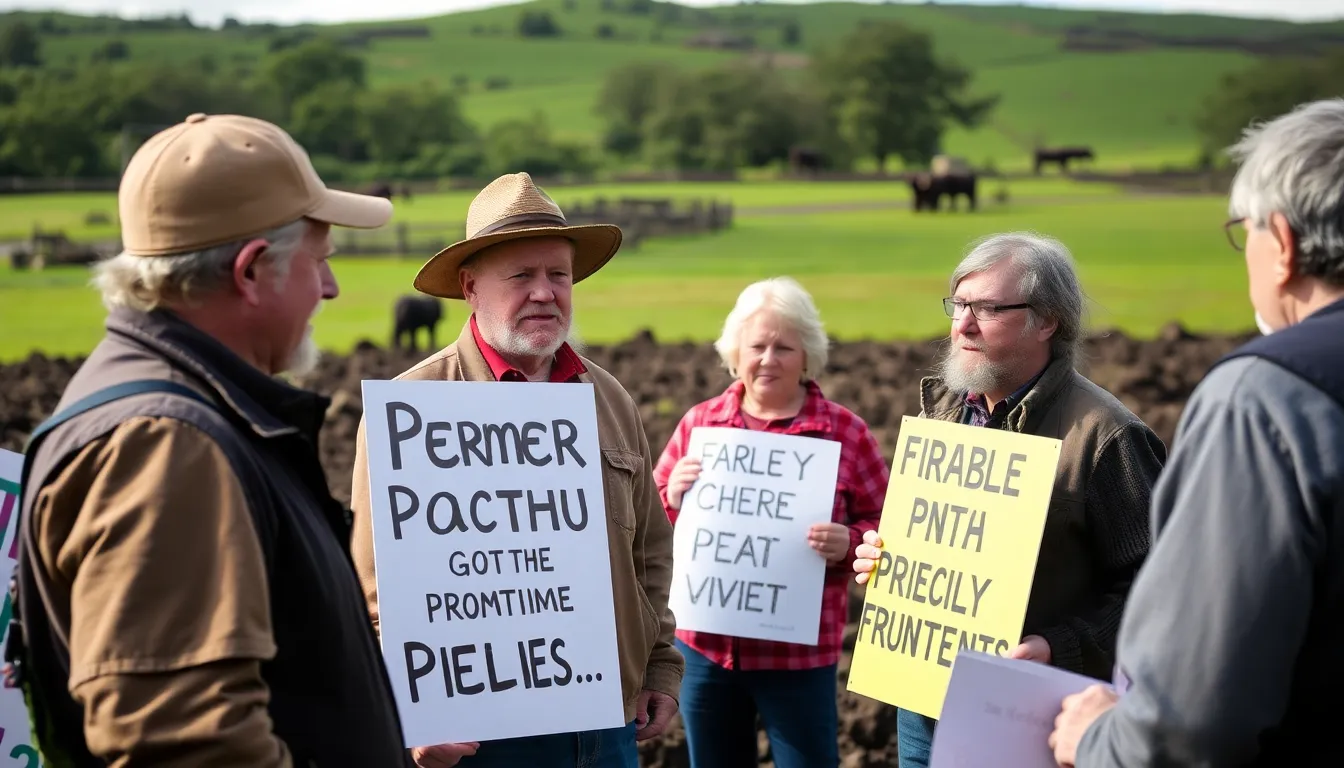
Environmental organizations, including the RSPB and the Ulster Wildlife Trust, play a crucial role in advocating for peatland conservation. They emphasize the ecological importance of these habitats and push for policies that prioritize restoration. Nevertheless, their objectives can lead to tensions with local communities who rely on peatlands for their livelihoods and may perceive the restoration efforts as restrictive.
- Economic trade-offs: The potential economic impact on local agriculture versus the long-term environmental benefits of restoration.
- Legal complexities: Existing land use rights and regulations that may hinder restoration initiatives.
- Community engagement: The necessity of involving local stakeholders in the decision-making process to ensure their needs are met.
- Funding challenges: Securing adequate financial resources for restoration projects amidst competing priorities.
- Climate goals: Aligning peatland restoration efforts with broader climate action commitments.
As the debate continues, it is essential for stakeholders to engage in open dialogue to navigate these conflicts and seek collaborative solutions. Balancing ecological restoration with economic viability remains a critical challenge that requires careful consideration of all perspectives involved. This collaborative approach could benefit from insights drawn from related environmental strategies in other sectors.
Who will be affected by the peatland restoration efforts?
The restoration of peatlands in Northern Ireland is set to impact a variety of groups, industries, and regions. Key stakeholders include local communities, farmers, environmental organizations, and the tourism sector. Each of these groups will experience both challenges and opportunities as the restoration efforts unfold.
In the short term, local farmers may face disruptions as land use practices change to accommodate peatland restoration. This could lead to a temporary reduction in agricultural productivity, impacting their livelihoods. However, in the mid-term, farmers could benefit from new funding opportunities and incentives for sustainable practices, potentially leading to a more resilient agricultural sector.
Environmental organizations are likely to see a positive impact as restored peatlands contribute to biodiversity and carbon sequestration efforts. This aligns with broader climate goals and could enhance their advocacy efforts. Conversely, there is a risk that some organizations may struggle to secure funding or support if restoration projects face bureaucratic delays.
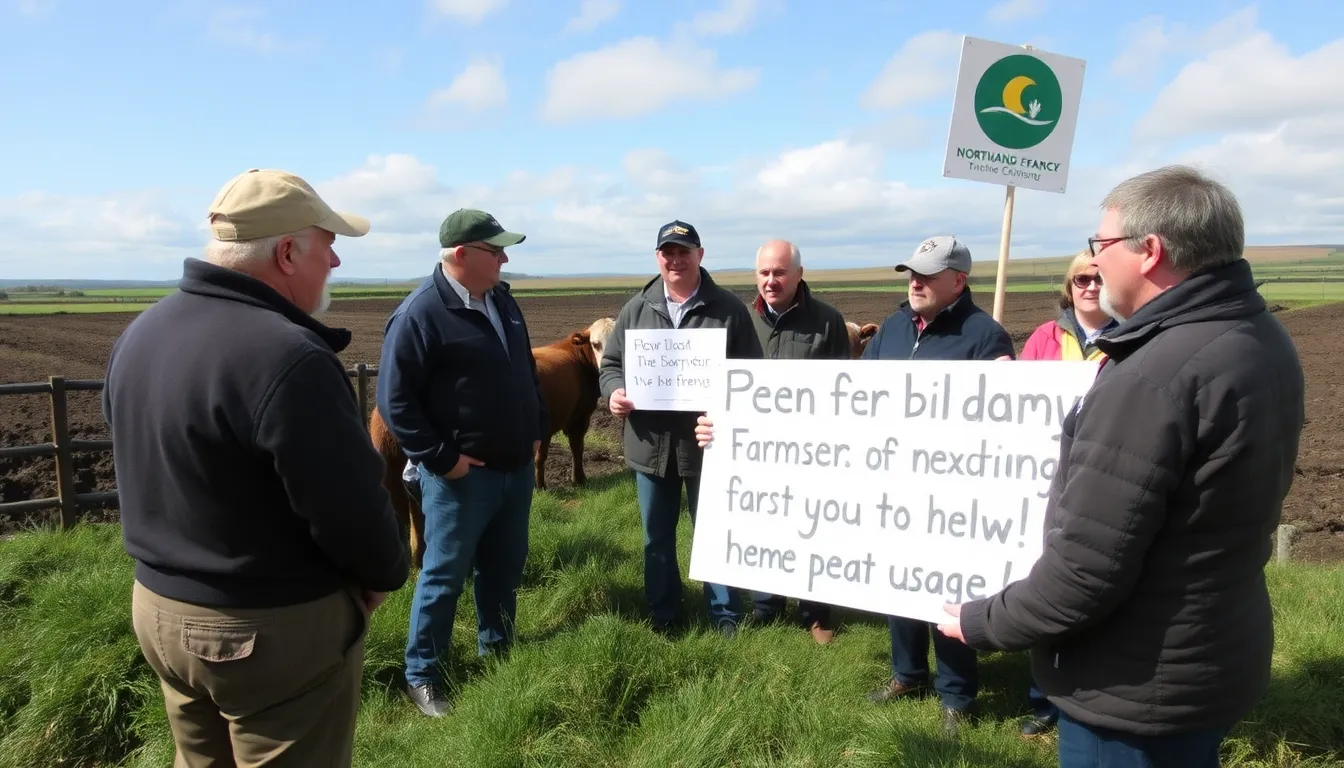
The tourism industry may also experience fluctuations. Initially, there could be a decline in visitors if restoration efforts disrupt accessibility to popular sites. However, in the long run, the enhanced natural beauty and ecological significance of restored peatlands could attract eco-tourism, creating new business opportunities.
- Local communities: Potential disruptions in daily life due to land use changes.
- Agricultural sector: Short-term productivity losses with long-term sustainability gains.
- Environmental organizations: Increased advocacy opportunities balanced by funding challenges.
- Tourism sector: Initial declines in visitors may turn into growth through eco-tourism.
Overall, while the peatland restoration efforts present risks for certain groups, they also open doors for innovation and sustainability in Northern Ireland’s economy and environment.
A: Peatlands are wetlands that store carbon and support biodiversity. They play a crucial role in climate regulation and water management. A: Wool can be used as a natural material to stabilize soil and promote plant growth, which is essential for peatland recovery. A: Restoring peatlands can significantly reduce greenhouse gas emissions, enhance biodiversity, and improve water quality. A: Stakeholders include local communities, environmental organizations, government agencies, and agricultural sectors. A: Challenges include funding, land management conflicts, and the need for community engagement and education.
Frequently asked questions about peatland restoration
Future outlook on peatland restoration using wool
The innovative approach of utilizing wool for peatland restoration presents a multifaceted opportunity for Northern Ireland. As the region grapples with the environmental challenges posed by degraded peatlands, this strategy not only addresses ecological concerns but also supports local agriculture and economy. The integration of wool as a natural and sustainable material in restoration efforts could pave the way for a more resilient ecosystem while promoting biodiversity.
Looking ahead, the collaboration between environmentalists, farmers, and policymakers will be crucial in maximizing the potential of this woolly solution. By fostering partnerships and investing in research, Northern Ireland can establish a model for sustainable land management that may inspire similar initiatives globally.
- Economic benefits: The demand for wool in restoration projects can provide new revenue streams for local farmers, enhancing rural economies.
- Ecological restoration: Effective use of wool can improve soil health and promote the regrowth of native plant species, leading to healthier peatland ecosystems.
- Community engagement: Involving local communities in restoration efforts can increase awareness and support for environmental initiatives.
- Policy development: Continued support from government and policymakers will be essential to create frameworks that encourage sustainable practices.
- Research and innovation: Ongoing studies into the effectiveness of wool in various restoration contexts will be vital for optimizing techniques and outcomes.