


The data shows that the top earners, including stars like Lionel Messi and LeBron James, generated substantial income through endorsements and salaries, while female athletes continue to face barriers in securing similar financial opportunities. The absence of women in this list not only reflects the pay gap in professional sports but also raises questions about the visibility and marketing of female athletes, a topic explored further in related articles.
Responses from athletes and advocates have been varied, with many calling for greater investment in women’s sports and increased media coverage to elevate their profiles. Notable figures, such as tennis champion Serena Williams, have emphasized the need for systemic change to ensure that female athletes receive equitable recognition and compensation for their achievements.
This situation is particularly relevant as it underscores the broader societal implications of gender inequality in sports. The lack of representation in financial rankings can influence sponsorship deals, media attention, and ultimately the growth of women’s sports. Addressing these issues is crucial for fostering a more inclusive and equitable sports landscape.
Understanding the Historical Context of Gender Disparity in Sports
The absence of women on the list of the 100 highest paid athletes is a stark reminder of the long-standing gender disparities that exist in the world of sports. Historically, women’s sports have been undervalued and underfunded, leading to significant gaps in visibility, sponsorship, and media coverage compared to their male counterparts. This systemic inequality has roots that can be traced back to cultural norms and societal attitudes that have traditionally favored men in athletics.
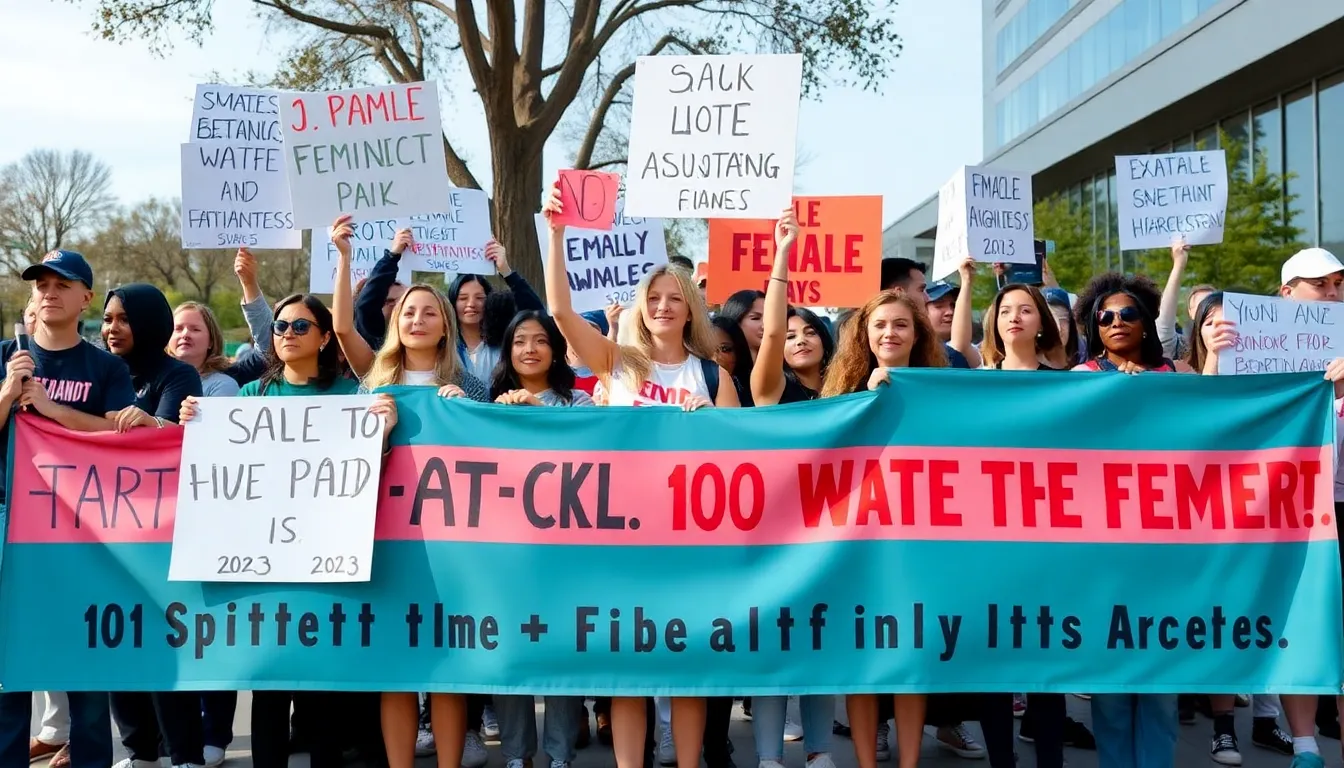
In the early 20th century, women faced considerable barriers to participation in sports, often being discouraged or outright banned from competing. Even as women began to gain entry into various sports, they were frequently relegated to less prestigious events, receiving minimal financial support and media attention. The passage of Title IX in 1972 marked a significant milestone in the United States, mandating equal opportunities for women in education and athletics, yet the effects of this legislation have been slow to materialize in terms of financial equity.
The Economic Implications of Gender Disparity
The economic implications of gender disparity in sports are profound. Female athletes often receive significantly lower salaries and endorsement deals than male athletes, resulting in a disparity that is not merely a reflection of performance but also of the investment made in women’s sports. While some women have achieved remarkable success and visibility, such as Serena Williams and Megan Rapinoe, they remain exceptions in a landscape dominated by male athletes who benefit from larger sponsorship deals and media coverage, as highlighted in the piece on athletic achievements.
Additionally, the media plays a crucial role in shaping public perception and interest in sports. The lack of coverage for women’s events contributes to a cycle of invisibility, where female athletes struggle to attract sponsorship and financial backing, further entrenching the disparity. As a result, the list of the highest paid athletes remains a predominantly male roster, highlighting the need for continued advocacy and investment in women’s sports to create a more equitable playing field.
As conversations surrounding gender equality in sports gain momentum, organizations and advocates are pushing for reforms that address these disparities. The call for equal pay, increased media representation, and better funding for women’s sports is growing louder, as stakeholders recognize that the future of athletics must be inclusive and equitable for all athletes, regardless of gender.
Key Issues Surrounding Gender Pay Gap in Athletics
The absence of women on the list of the 100 highest-paid athletes highlights ongoing disparities in earnings, sponsorship opportunities, and media coverage within professional sports. This situation raises significant questions about gender equity, representation, and the economic structures that perpetuate these inequalities.
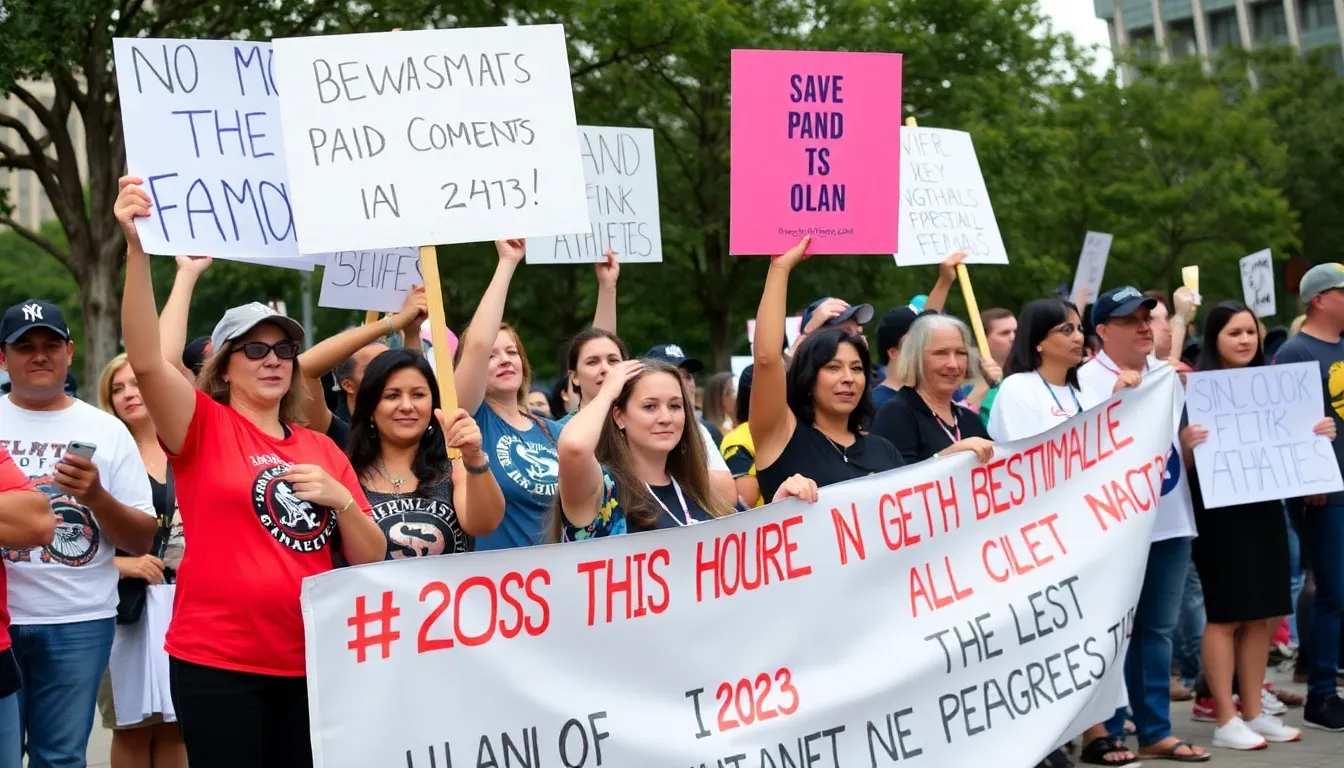
Key stakeholders in this issue include female athletes, sports organizations, sponsors, and the media. Each group has distinct interests that influence their perspectives on the gender pay gap. Female athletes seek fair compensation and recognition for their achievements, while sports organizations often prioritize profitability and marketability, which can lead to unequal pay structures.
- Female Athletes: Advocating for equal pay and visibility in sports.
- Sports Organizations: Balancing profitability with ethical considerations in pay structures.
- Sponsors: Looking for high return on investment while navigating public sentiment regarding gender equality.
- Media Outlets: Influencing public perception through coverage choices and narratives.
Economic factors play a crucial role in the gender pay gap. Women’s sports often receive less investment, resulting in fewer opportunities for female athletes to secure lucrative sponsorship deals. Additionally, the media’s focus on men’s sports can perpetuate a cycle where women’s achievements are overlooked, further widening the pay gap, an issue addressed in various sports discussions including the broader context of community investments.
Legal issues also emerge in discussions about gender equity in sports. Title IX and other regulations aim to promote equal opportunities for women in athletics, yet enforcement and compliance vary widely. The effectiveness of these laws in addressing pay disparities remains a contentious topic, as many argue that legal frameworks must evolve to better support gender equity in sports.
Impact on Female Athletes and the Sports Industry
The absence of women in the list of the 100 highest-paid athletes highlights the ongoing gender disparity in sports. This situation affects not only female athletes but also the broader sports industry, including sponsors, media, and sporting organizations. The lack of representation can discourage young girls from pursuing sports professionally, perpetuating a cycle of underinvestment in women’s sports.
In the short term, the visibility of this issue may lead to increased discussions about equity in sports, potentially prompting sponsors to reevaluate their investment strategies. Businesses that prioritize gender equality may find opportunities to lead the charge in supporting female athletes, thereby enhancing their brand image and customer loyalty. However, the risk remains that without significant changes, the status quo will persist, limiting growth opportunities for women in sports.
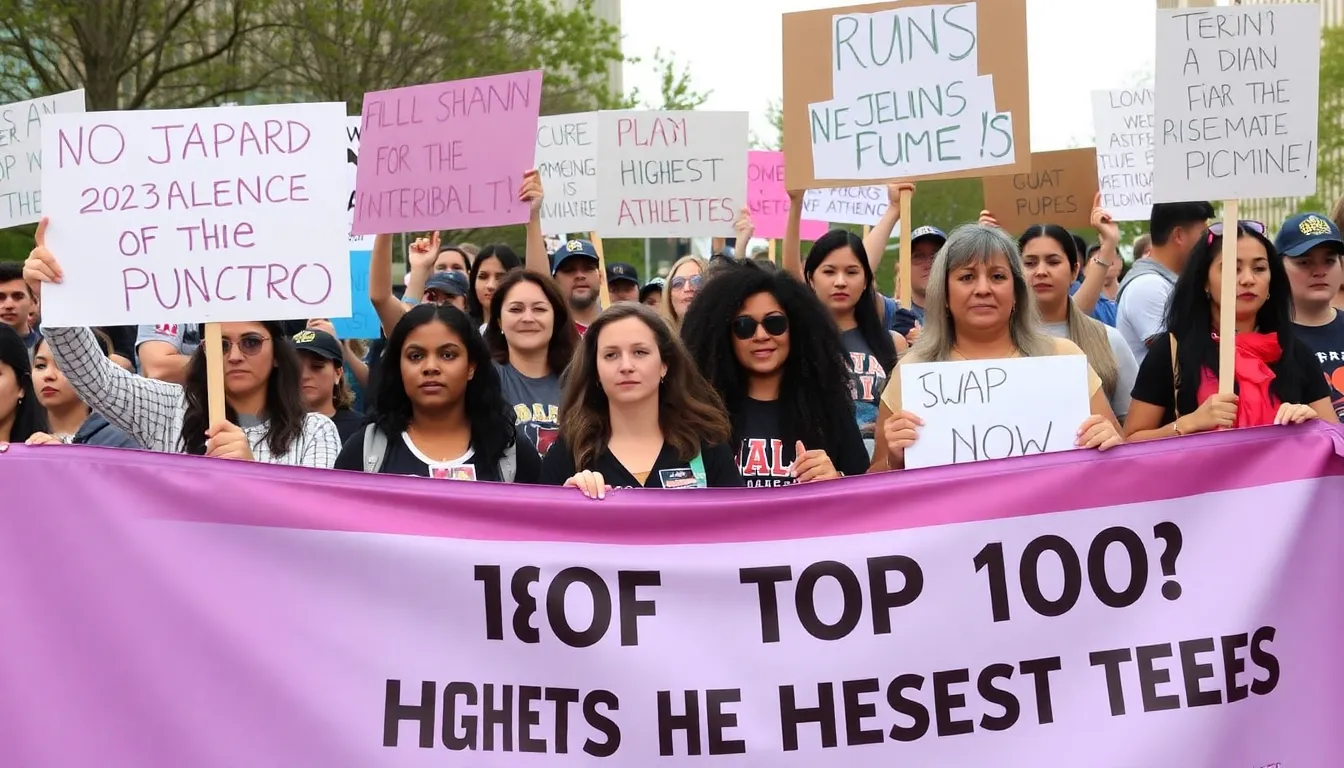
Mid-term impacts could include shifts in policy at various levels, as organizations may feel pressured to implement more equitable pay structures and sponsorship deals. This could lead to greater visibility for women’s sports, which might attract larger audiences and generate increased revenue. However, if these changes are not implemented effectively, the gap between male and female athletes could widen further, leading to disillusionment among female athletes and fans.
- Increased visibility for gender equity in sports.
- Potential for new sponsorship opportunities targeting female athletes.
- Risk of stagnation if changes are not adequately pursued.
- Shift in policy towards equitable pay and representation.
Ultimately, the response to this situation could serve as a catalyst for transformative change within the sports industry, benefiting not only female athletes but also the overall landscape of sports and entertainment.
A: The lack of women on the list is largely due to historical disparities in sponsorship, media coverage, and investment in women’s sports, which have limited their earning potential. A: Many female athletes are vocal about the need for equality and are advocating for better opportunities, sponsorships, and recognition in their sports. A: Organizations and advocates are pushing for policy changes, increased funding for women’s sports, and greater visibility to help bridge the pay gap. A: Yes, the absence often reflects the lower visibility and investment in women’s sports compared to men’s, impacting their earning potential. A: The ongoing dialogue and advocacy for equality may lead to increased support and opportunities for female athletes, potentially changing the landscape of sports.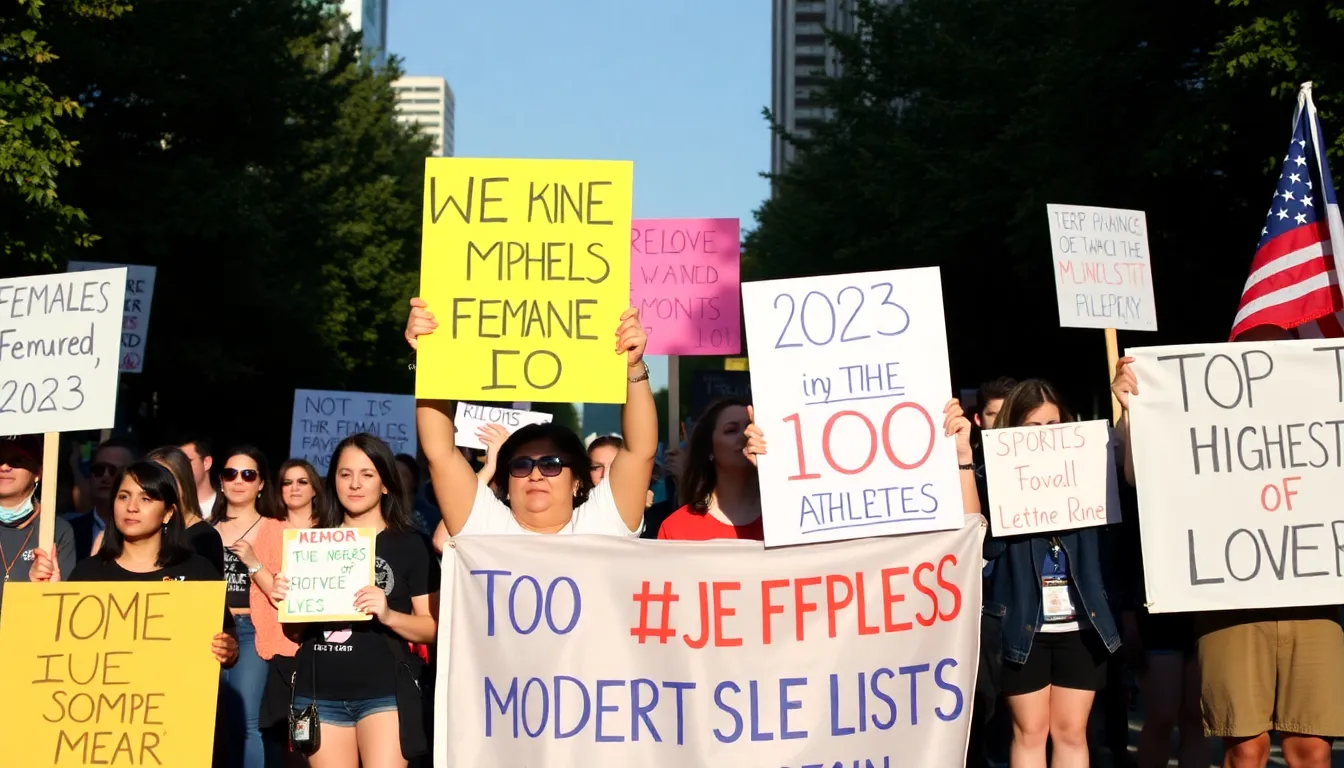
Frequently Asked Questions about Gender Disparity in Sports
Insights on Future Directions for Gender Equality in Sports
The absence of women from the list of the 100 highest-paid athletes highlights the ongoing disparities in compensation and recognition within the sports industry. This situation calls for a deeper examination of the systemic barriers that prevent female athletes from achieving financial parity with their male counterparts. As the conversation around gender equality in sports evolves, it is crucial to consider the implications for sponsorship, media coverage, and support for women’s sports.
Stakeholders across the sports landscape must take proactive steps to address these inequalities. By fostering an environment that champions women’s achievements and ensures equitable opportunities, the industry can pave the way for a more inclusive future. Monitoring shifts in public perception and investment in women’s sports will be essential to gauge progress in this area.
- Increased visibility and coverage of women’s sports can lead to higher fan engagement and sponsorship opportunities.
- Investing in grassroots programs for young female athletes can help build a stronger pipeline for future talent.
- Brands and sponsors should prioritize partnerships with female athletes to promote gender equality and reach diverse audiences.
- Advocacy for policy changes that support equal pay and funding in sports organizations is crucial for long-term progress.
- Monitoring social media trends and public sentiment can provide insights into shifting attitudes towards women in sports.