


As of 2023, Maria, a farmer in Brazil, has reported a significant drop in her coffee production due to prolonged droughts. Meanwhile, Amina, who cultivates maize in Kenya, has struggled with flooding that has destroyed her fields. These environmental changes not only impact their immediate harvests but also threaten food security in their respective communities.
Both women are part of a larger movement advocating for sustainable farming practices. They have connected through social media platforms, sharing experiences and strategies to adapt to their changing environments. Their stories underscore the importance of collaboration and knowledge-sharing among women farmers worldwide, as they seek solutions to similar problems.
International organizations such as the Food and Agriculture Organization (FAO) are increasingly recognizing the need for gender-focused agricultural policies. By supporting initiatives that empower women like Maria and Amina, these organizations aim to address the root causes of agricultural vulnerability and promote resilience in farming practices.
Understanding the agricultural backgrounds of the women
Agriculture has long been a cornerstone of economies around the world, shaping not only livelihoods but also cultural identities. In many regions, the role of women in agriculture has been pivotal, yet often overlooked. This is particularly evident in the experiences of two women from different continents, each grappling with similar challenges on their farms due to systemic issues that transcend geographical boundaries.
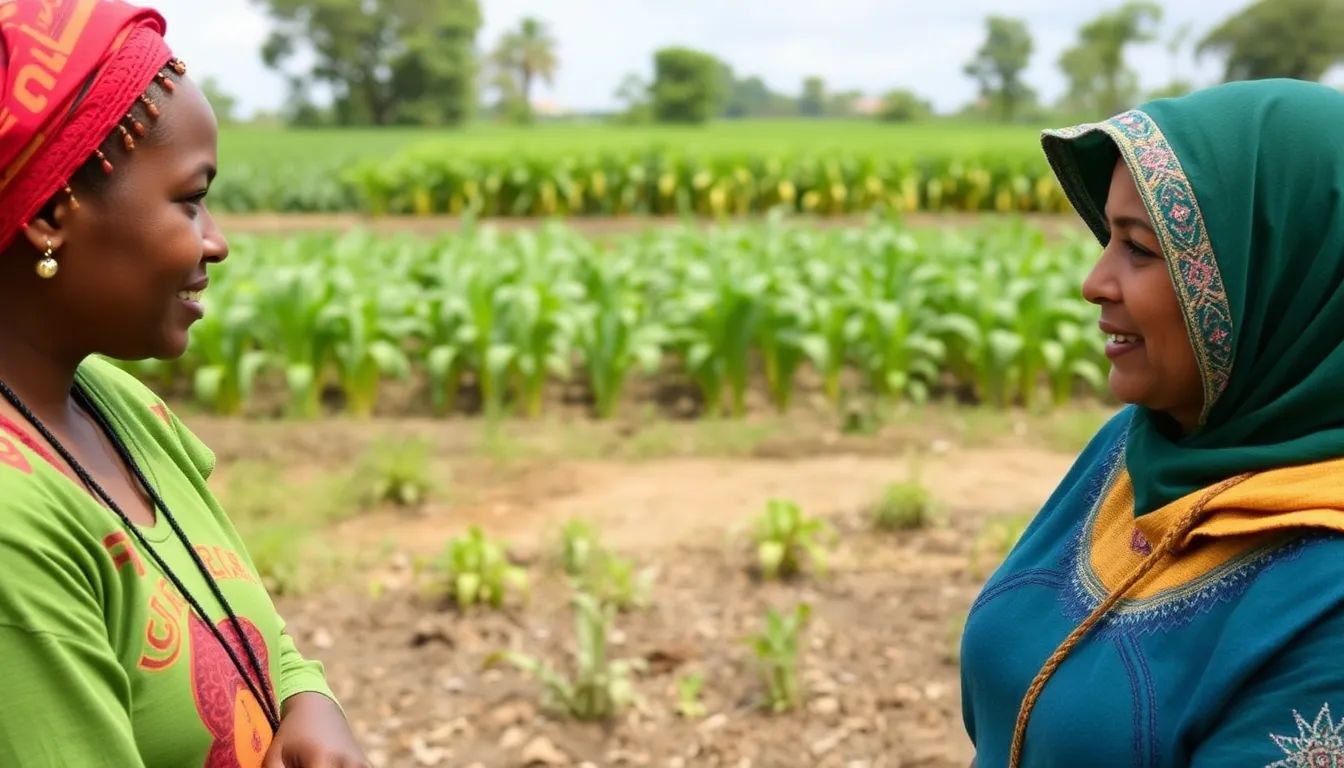
Historically, women have been responsible for a significant portion of agricultural production, especially in developing countries. However, their access to resources such as land, credit, and technology remains limited. In Africa, for instance, women produce up to 80% of the continent’s food but own less than 20% of the land. This disparity is rooted in colonial legacies and patriarchal structures that continue to influence land ownership laws and agricultural policies.
On the other side of the globe, in regions such as South America, women farmers face similar obstacles. Economic policies that favor large-scale agribusiness often marginalize smallholder farmers, many of whom are women. The historical context of land reform movements, which frequently excluded women from ownership rights, has perpetuated cycles of poverty and dependency. As these women strive to sustain their families and communities, they encounter barriers that hinder their agricultural productivity.
The impact of climate change
In addition to historical and social challenges, both women are confronting the harsh realities of climate change. Extreme weather patterns, shifting rainfall, and increased pest infestations are affecting crop yields worldwide. Women, who often have less access to adaptive technologies and support systems, bear the brunt of these changes. The intersection of gender and environmental vulnerability highlights the urgent need for inclusive policies that empower women farmers and address the unique challenges they face.
Analyzing the key issues affecting their farms
In examining the challenges faced by two women farmers from different continents, it is essential to identify the main stakeholders involved and their respective interests. These stakeholders include local governments, agricultural organizations, and the farmers themselves. Each actor plays a crucial role in the agricultural landscape, influencing decisions that affect crop production, sustainability, and economic viability.
One significant conflict arises from differing government policies on land use and agricultural practices. In some regions, stringent regulations may hinder farmers’ ability to adapt to climate change, while in others, lack of support can lead to unsustainable farming practices. This creates a trade-off between environmental sustainability and economic growth, as farmers strive to meet both regulatory demands and market needs.
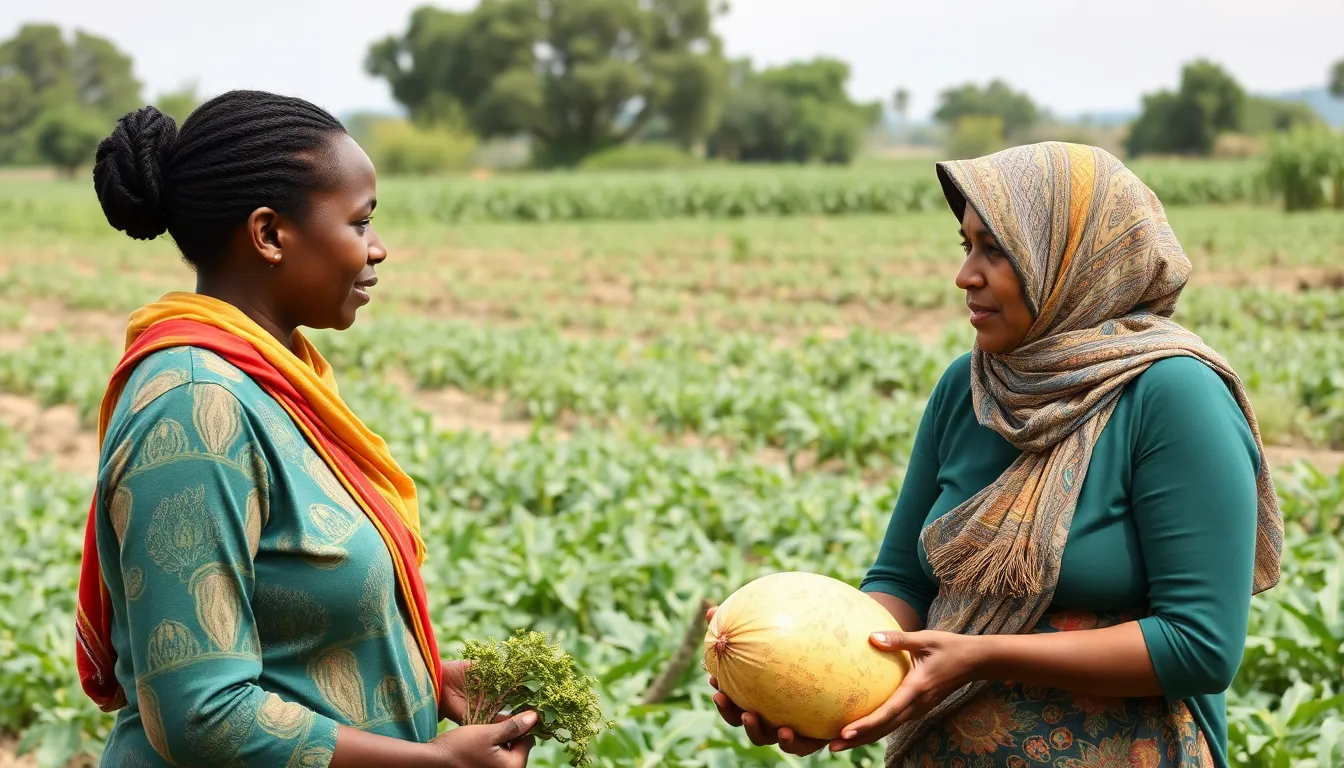
Additionally, international trade agreements can impact local farmers’ access to markets. For instance, tariffs and trade barriers may favor large agribusinesses over small-scale farmers, exacerbating inequalities. This scenario raises questions about the fairness of competition and the support systems necessary for smallholders to thrive in a globalized economy.
- Land rights: Conflicts over land ownership can lead to disputes that affect farmers’ livelihoods.
- Access to resources: Limited access to water, seeds, and technology can hinder productivity.
- Climate change: Both women face the impacts of changing weather patterns, affecting their crop yields.
- Market access: Differences in trade policies can create challenges for selling their products.
- Support systems: The presence or absence of local agricultural organizations can significantly influence their success.
These issues reflect a complex web of interactions between individual farmers, local and national governments, and global economic forces. Understanding these dynamics is crucial for addressing the common challenges faced by farmers across different regions and creating equitable solutions that support sustainable agricultural practices.
Assessing the impact of these challenges on their livelihoods
The struggles faced by the two women, despite being continents apart, highlight a common thread that affects various agricultural communities globally. Farmers in both regions are grappling with issues such as climate change, soil degradation, and access to resources. These challenges not only impact their personal livelihoods but also resonate through their local economies and beyond.
In the short term, the immediate effects on daily life are evident. Both women may experience reduced crop yields, leading to food insecurity for their families and communities. As a result, local markets may see fluctuations in food prices, which can strain household budgets and lead to increased reliance on imported goods. This situation can create a ripple effect, affecting local businesses that rely on agricultural products.
Mid-term impacts could include a shift in agricultural policies as governments recognize the need for sustainable practices. This may lead to increased investment in agricultural technology and training programs. However, there are risks associated with these changes; if not implemented carefully, they could exacerbate existing inequalities, leaving smallholder farmers behind.
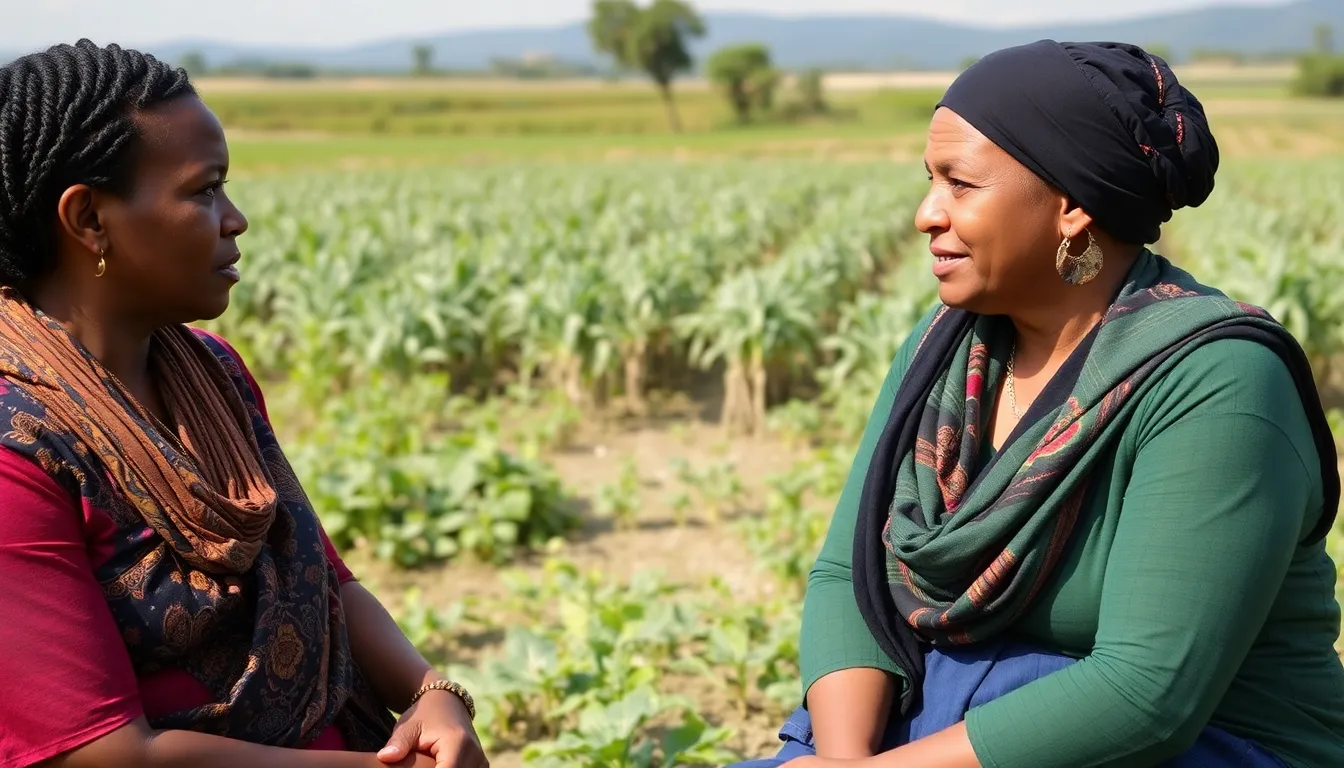
- Short-term food insecurity and rising prices
- Increased reliance on imported goods
- Potential shifts in agricultural policy and investment
- Risk of widening inequality among farmers
Despite these challenges, there are also opportunities for innovation and collaboration. The growing awareness of sustainable farming practices can lead to partnerships between local farmers and organizations focused on environmental stewardship. This can empower communities to adopt more resilient farming methods, ultimately improving their long-term viability.
A: The women face issues such as climate change, lack of resources, and market access, which significantly impact their farming productivity. A: Their farming practices differ due to regional agricultural techniques, available technology, and cultural approaches to farming. A: Both women have access to local agricultural organizations and online communities that provide resources and support for farmers facing similar issues. A: Yes, there are various initiatives and programs focused on empowering women farmers through training, financial assistance, and networking opportunities. A: Readers can support these women by advocating for sustainable agricultural practices, donating to relevant organizations, or purchasing products from women-led farms.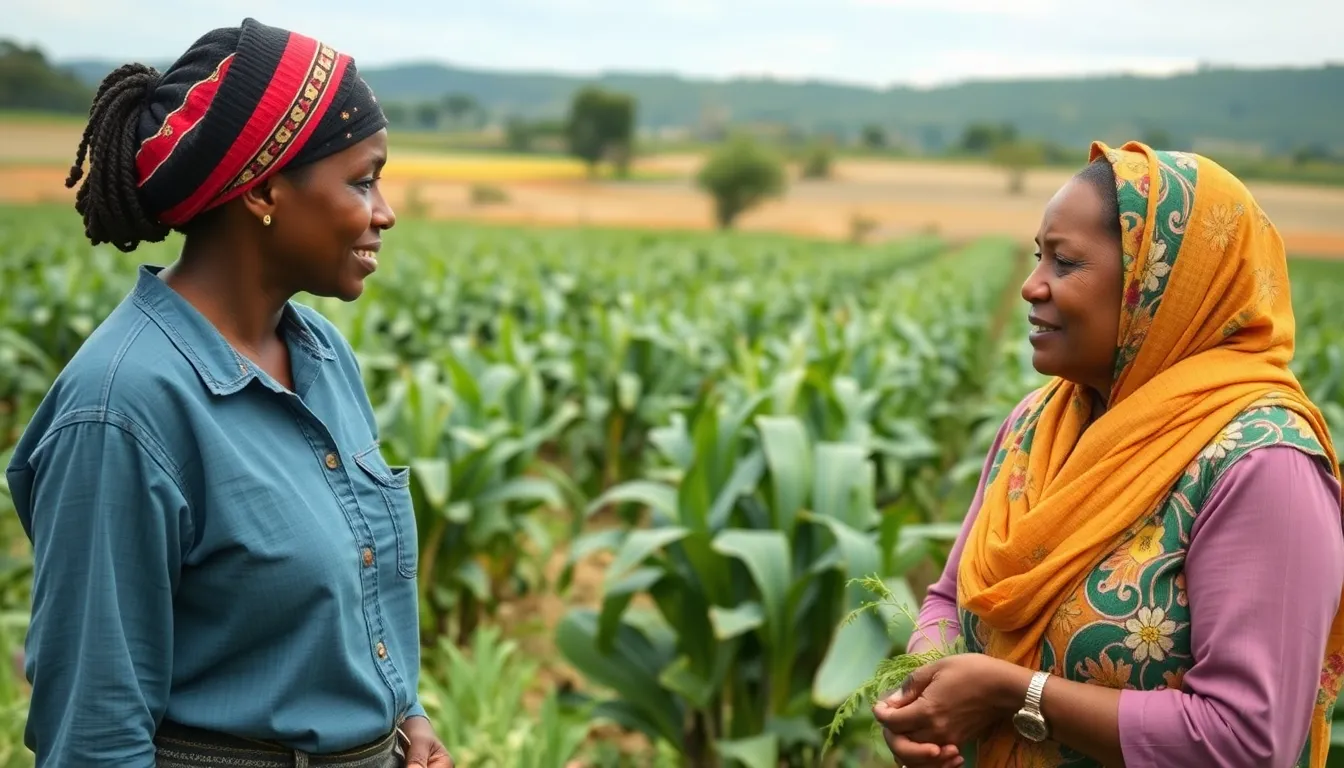
Frequently asked questions about their farming issues
Key insights and future outlook on their farming situations
The challenges faced by the two women, despite their geographical differences, highlight a universal struggle in agriculture. Climate change, access to resources, and market dynamics are influencing farmers worldwide, creating a shared narrative of resilience and adaptation. As they navigate these obstacles, their stories underscore the importance of community support and innovative practices in agriculture.
Looking ahead, the convergence of technology and sustainable practices presents opportunities for improvement in farming methods. Collaboration across borders could foster the exchange of ideas and solutions, ultimately empowering farmers to overcome similar challenges.
- Emphasize sustainable practices: Adopting environmentally friendly farming techniques can enhance productivity and resilience against climate change.
- Leverage technology: Utilizing digital tools and agricultural innovations can improve efficiency and access to markets.
- Promote community collaboration: Building networks among farmers can facilitate knowledge sharing and resource pooling.
- Advocate for policy support: Engaging with policymakers to address systemic issues can create a more favorable environment for farmers.
- Focus on education: Providing training and resources for farmers can empower them to implement best practices and adapt to changing conditions.