


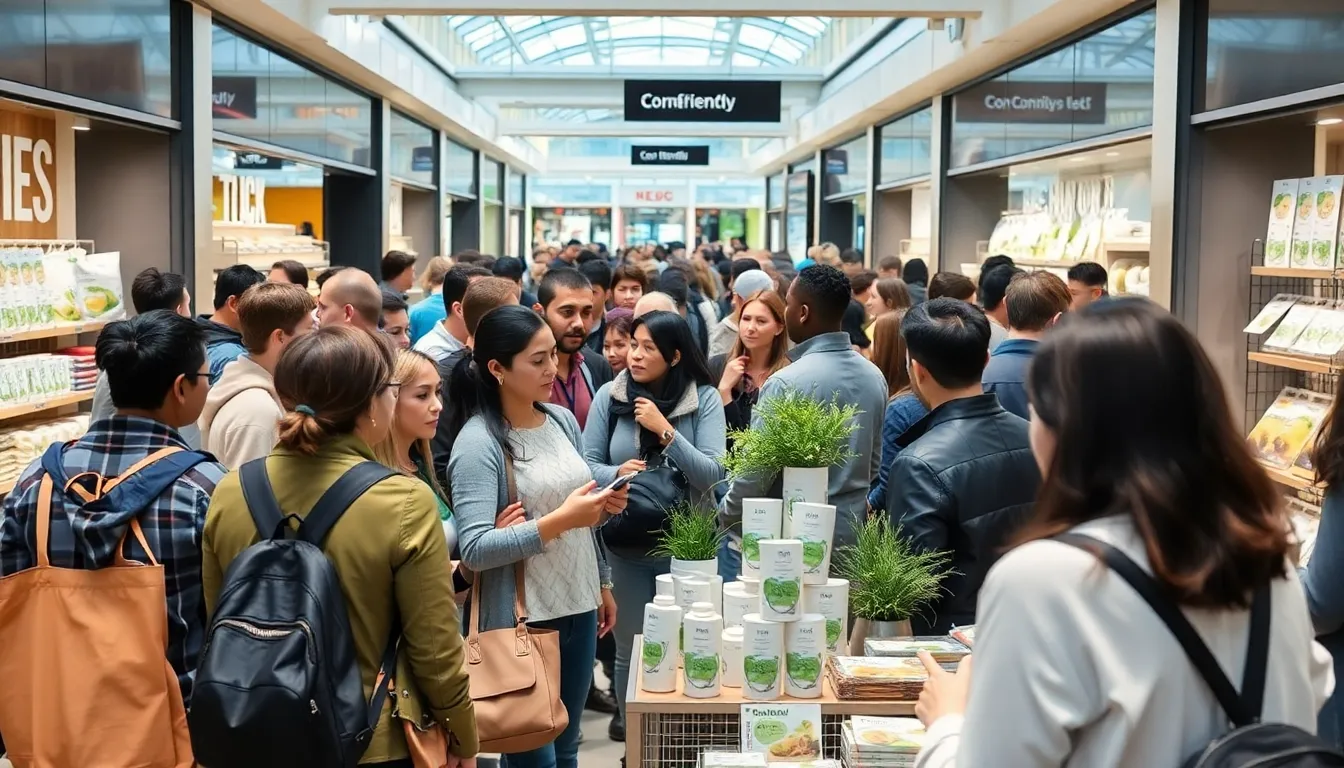
The current state of malls reveals a mixed landscape
As of 2023, the retail landscape in the United States presents a varied picture for shopping malls. While many traditional malls continue to face challenges, such as declining foot traffic and store closures, a subset of malls is experiencing a resurgence. This divergence is largely influenced by location, management strategies, and the types of tenants that occupy these spaces.
According to a report from the International Council of Shopping Centers (ICSC) released in September 2023, approximately 25% of malls are thriving, particularly those that have adapted to changing consumer preferences. These successful malls often feature a mix of entertainment options, dining experiences, and lifestyle brands that attract a diverse customer base. The shift towards experiential retail has proven to be a key factor in their success.
Notably, some malls have undergone significant renovations to incorporate more community-oriented spaces, such as parks and event venues. For instance, the Mall of America in Minnesota has invested in expanding its entertainment offerings, which has helped maintain its status as a top shopping destination. This trend reflects a broader movement among mall operators to rethink the traditional shopping experience.
Additionally, the rise of e-commerce has prompted many mall owners to pivot by attracting online brands that seek physical presence. Brands like Amazon and Warby Parker have opened storefronts in select malls, which not only enhances foot traffic but also creates a hybrid shopping experience that appeals to consumers. This strategic shift is crucial as it highlights the evolving role of malls in the retail ecosystem.
Understanding the factors behind mall performance
The retail landscape has undergone significant transformations over the past few decades, with shopping malls experiencing both peaks and valleys in their performance. Historically, malls emerged in the mid-20th century as the epitome of consumer culture, providing a centralized location for shopping, dining, and entertainment. However, the rise of e-commerce and changing consumer preferences have led to a reevaluation of the traditional mall model.
In the late 1990s and early 2000s, many malls thrived as they adapted to new retail trends, incorporating entertainment options like cinemas and family-friendly attractions. This period marked a golden age for malls, with foot traffic peaking and retailers eager to secure prime locations. However, the 2008 financial crisis acted as a catalyst for change, prompting consumers to reassess their spending habits and leading to the closure of several underperforming retail chains.
The impact of e-commerce
The advent of e-commerce has been a defining factor in the struggles faced by many malls. As online shopping gained popularity, consumers began to favor the convenience of purchasing goods from home over the traditional mall experience. This shift forced many malls to rethink their strategies, focusing on creating unique experiences that cannot be replicated online. Some malls began to diversify their offerings by incorporating experiential retail, pop-up shops, and local artisan markets to attract visitors.
Additionally, the COVID-19 pandemic accelerated existing trends, leading to a significant decline in foot traffic and prompting many retailers to rethink their physical presence. However, not all malls have suffered equally; some have successfully adapted to these challenges by enhancing their community engagement and focusing on a mix of retail, dining, and entertainment options that appeal to a broader audience.
As we look to the future, the resilience of certain malls can be attributed to their ability to innovate and adapt to changing consumer behaviors. By embracing technology, enhancing customer experiences, and fostering community connections, these malls are proving that they can thrive even in a rapidly evolving retail environment.
Key stakeholders and issues influencing mall success
The landscape of shopping malls is complex, with various stakeholders playing crucial roles in their success or decline. Key actors include mall owners and developers, retailers, consumers, local governments, and community organizations. Each of these stakeholders has distinct interests that can sometimes conflict, leading to challenges in the mall ecosystem.
Mall owners and developers are primarily focused on maximizing profitability and occupancy rates. Their interests often drive decisions regarding renovations, tenant selection, and the overall shopping experience. Retailers, on the other hand, seek favorable lease terms and foot traffic to boost sales. The relationship between these two groups can be tense, especially when economic downturns lead to increased vacancies or when consumer preferences shift towards e-commerce.
Local governments also play a significant role, as they may impose regulations related to zoning, permits, and taxes. Their interests often align with promoting economic development and job creation, which can influence their support for mall projects. However, conflicts may arise if the community perceives a mall as detrimental to local businesses or if development leads to increased traffic and environmental concerns.
- Changing consumer behavior: The rise of online shopping has altered the traditional retail landscape, prompting malls to adapt their offerings.
- Economic fluctuations: Economic downturns can impact disposable income and consumer spending, affecting mall profitability.
- Community engagement: Malls that actively engage with their communities tend to foster loyalty and support, which can lead to increased foot traffic.
- Legal regulations: Compliance with local laws and regulations can either facilitate or hinder mall development and operations.
- Innovation and adaptation: Malls that embrace innovative concepts, such as mixed-use spaces or experiential retail, are more likely to thrive.
Ultimately, the interplay between these stakeholders and the issues they face will determine the future of shopping malls. Understanding these dynamics is essential for recognizing which malls may succeed while others struggle in a rapidly changing retail environment.
Who benefits from the thriving malls and their market effects
The resurgence of certain malls has created a ripple effect across various groups and industries. Retailers, particularly those in fashion, electronics, and experiential services, are seeing a boost as foot traffic increases. This trend not only benefits large brands but also small businesses that thrive in a bustling retail environment. Local economies, especially in suburban areas where these malls are located, experience an uplift as job opportunities expand and consumer spending rises.
In the short term, businesses within thriving malls are likely to see increased sales and customer engagement. This can lead to higher revenues, which may encourage further investment in marketing and expansion. Additionally, local governments may benefit from increased tax revenues, allowing for better public services and infrastructure improvements. However, this growth can also intensify competition among retailers, leading to potential market saturation in certain regions.
In the mid-term, the success of these malls may influence urban planning and policy decisions. As consumer preferences shift towards mixed-use developments that combine shopping, dining, and entertainment, city planners might prioritize such projects. This could reshape the retail landscape, prompting traditional downtown areas to adapt or innovate to compete. However, there is a risk that smaller, independent retailers could struggle to keep up with the larger chains that dominate these thriving malls.
- Increased job opportunities in retail and service sectors
- Potential for urban revitalization and improved infrastructure
- Heightened competition leading to market consolidation
- Impact on local economies through increased tax revenues
While the thriving mall environment presents numerous opportunities, it also poses challenges. Retailers must remain agile to adapt to changing consumer preferences, and local businesses might need to innovate to differentiate themselves. Additionally, there is the risk of over-reliance on mall traffic, which could be detrimental if consumer behavior shifts again in the future.
Frequently asked questions about mall performance
A: Malls that adapt to changing consumer preferences, incorporate entertainment options, and enhance the shopping experience tend to perform better. Additionally, those that focus on community engagement and local businesses often find success.
A: Successful malls are diversifying their offerings by including experiential retail, dining options, and events. They are also investing in technology to improve customer engagement and convenience.
A: While online shopping has impacted foot traffic, many malls are responding by creating unique in-person experiences that cannot be replicated online, thus attracting shoppers.
A: Yes, malls in urban areas with higher population densities and those that have adapted to local demographics are often seeing better performance compared to those in less populated regions.
A: Anchor stores can drive traffic to malls, but their success depends on their ability to attract customers. Malls are increasingly focusing on a mix of popular brands and unique local shops to maintain foot traffic.
Looking ahead at the future of successful malls
As the retail landscape continues to evolve, it is evident that not all malls are facing decline. Some are adapting effectively by embracing experiential retail, enhancing customer engagement, and integrating technology. These successful malls are redefining their value propositions and finding innovative ways to attract and retain shoppers.
In the coming years, the focus will shift towards creating community-centric spaces that offer more than just shopping. By fostering unique experiences and leveraging data-driven strategies, these malls can thrive amidst changing consumer preferences and economic conditions.
- Embrace Experiential Retail: Malls that prioritize experiences over traditional shopping will likely see increased foot traffic and customer loyalty.
- Integrate Technology: The use of technology for personalized shopping experiences and efficient operations will be crucial for staying competitive.
- Focus on Community Engagement: Successful malls will act as community hubs, hosting events and activities that resonate with local demographics.
- Diverse Tenant Mix: A varied mix of tenants, including local businesses and entertainment options, can enhance the appeal and sustainability of mall environments.
- Adapt to Consumer Trends: Keeping a pulse on changing consumer behaviors and preferences will be essential for malls to remain relevant and successful.