


The phenomenon is attributed to a combination of rising temperatures and changing weather patterns linked to climate change. According to the Met Office, average winter temperatures in the UK have increased by approximately 1.5 degrees Celsius since the late 20th century, creating conditions conducive to early blooming. This trend highlights the urgent need for climate action.
Experts warn that these early blooms can disrupt local ecosystems and affect pollinators that rely on specific flowering times for food. The Royal Horticultural Society has noted that the mismatch between plant cycles and pollinator availability could have long-term implications for biodiversity and food production.
Moreover, this trend serves as a visible indicator of the broader impacts of climate breakdown. As the seasons shift, scientists and environmentalists are increasingly concerned that such changes could lead to more extreme weather events and further disruptions in natural habitats.
Understanding the climate trends affecting plant blooming
In recent years, the United Kingdom has witnessed a notable shift in the blooming patterns of various plant species, particularly during the winter months. This phenomenon is not merely a seasonal curiosity; it is a visible indicator of the broader impacts of climate change. Historical data shows that the UK’s climate has been gradually warming, with average temperatures rising significantly since the late 20th century. This warming trend has been linked to human activities, particularly the burning of fossil fuels and deforestation, which have increased greenhouse gas emissions in the atmosphere.
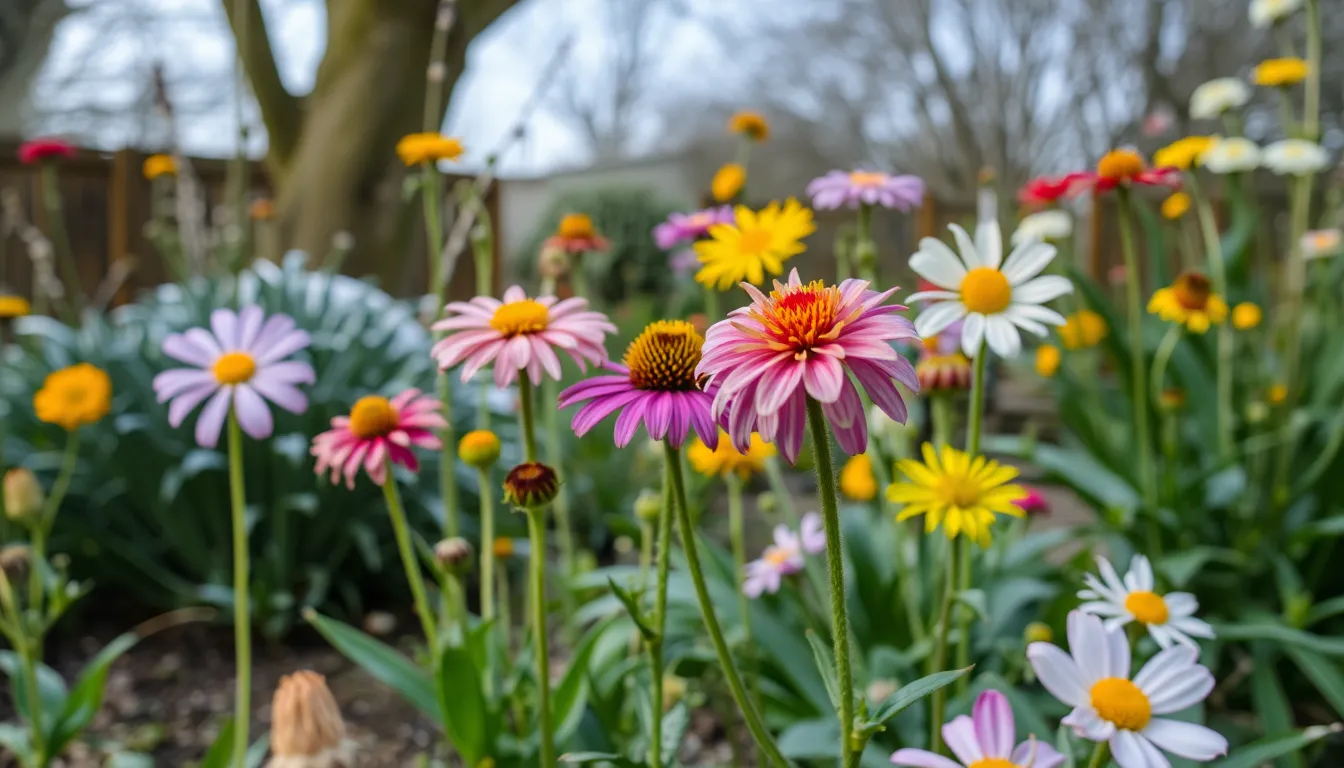
The implications of these temperature changes are profound. Traditionally, plants have adapted their blooming cycles to seasonal cues such as temperature and daylight. However, with the current climate trends, many species are beginning to bloom earlier than expected, disrupting their natural life cycles and potentially leading to ecological imbalances. For example, studies have shown that species like snowdrops and crocuses are flowering weeks earlier than they did several decades ago, indicating a shift in their biological clocks, which calls to mind the growing awareness of climate change reflected in stories like financial impacts on industries.
Historical Context of Climate Awareness
The growing awareness of climate change in the UK can be traced back to the late 20th century, when scientists began to sound alarms about rising global temperatures. The establishment of the Intergovernmental Panel on Climate Change (IPCC) in 1988 marked a significant milestone, as it brought together experts from around the world to assess the scientific evidence and impacts of climate change. As public awareness grew, so did the political will to address these issues, culminating in various environmental policies and agreements, such as the Kyoto Protocol in 1997 and the Paris Agreement in 2015.
Despite these efforts, the pace of climate change has accelerated, and the UK has not been immune to its effects. Economic factors, such as reliance on fossil fuels and industrial agriculture, have contributed to the increasing levels of carbon emissions. As a result, the current winter blooming of plants serves as a stark reminder that the consequences of climate change are not a distant threat but a present reality, affecting biodiversity and ecosystems across the nation.
Key stakeholders and their perspectives on climate impacts
The phenomenon of winter blooming in the UK has drawn attention from various stakeholders, each with distinct interests and viewpoints. Among the primary actors are environmental organizations, government agencies, scientists, and the agricultural sector. These groups play crucial roles in understanding and addressing the implications of climate change on biodiversity and ecosystems.
Environmental organizations, such as the World Wildlife Fund (WWF) and the Royal Society for the Protection of Birds (RSPB), advocate for the protection of natural habitats and biodiversity. Their interest lies in raising awareness about the adverse effects of climate change, which they argue is leading to the disruption of seasonal patterns and threatening native species. They emphasize the need for urgent action to mitigate climate impacts and protect vulnerable ecosystems.
Government agencies, including the UK Department for Environment, Food & Rural Affairs (DEFRA), have a vested interest in managing the environmental consequences of climate change. They are tasked with developing policies that address climate resilience and sustainability. However, these agencies often face conflicts between economic growth and environmental protection, as industries may resist regulations that could affect their profitability.
Scientists and researchers are critical stakeholders who study the implications of climate change on plant life and ecosystems. Their findings provide valuable data that inform policy decisions and public awareness. However, there can be trade-offs in how their research is utilized, with some findings being contested or misinterpreted by various interest groups, leading to polarized debates over climate action. In this context, the shifts in blooming patterns serve as a clear reminder of the broader trends associated with climate discussions, akin to the business world’s responses to these environmental challenges.
- Increased public awareness of climate change and its effects on seasonal patterns.
- Conflicts between economic interests and environmental sustainability.
- The need for collaborative approaches to address climate impacts across sectors.
- Potential legal challenges regarding environmental regulations and land use.
- The role of education in fostering a better understanding of climate issues among the public.
Effects of early blooming on ecosystems and agriculture
The early blooming of hundreds of plant species in the UK is a clear indicator of climate breakdown, impacting various groups and industries. Gardeners, farmers, and conservationists are among those most affected, as shifts in blooming patterns disrupt traditional growing seasons and ecological balances. Additionally, local communities that rely on seasonal flora for cultural and recreational activities may feel the effects of these changes.
In the short term, the agricultural sector faces significant challenges. Farmers may experience crop failures if traditional planting schedules do not align with the new blooming timelines. This could lead to reduced yields and economic losses. Furthermore, the disruption of pollinator activity, such as bees emerging too early, poses risks to crop pollination, further threatening food production.
In the mid-term, businesses that rely on seasonal tourism, such as flower shows and outdoor festivals, may need to adapt their strategies to accommodate changing blooming times. This could create opportunities for new events or attractions but also risks alienating visitors accustomed to traditional seasonal patterns. Additionally, local economies may experience fluctuations as businesses adjust to the new climate realities.
- Risks: Crop failures, reduced yields, and economic losses for farmers.
- Risks: Disruption of pollinator activity affecting food production.
- Opportunities: New tourism events and attractions based on changing blooming patterns.
- Opportunities: Potential for innovation in agricultural practices and crop selection.
Policy implications are also significant, as governments may need to revise agricultural policies and support systems to help farmers adapt to these changes. Increased funding for research into climate-resilient crops and sustainable farming practices could be essential in mitigating the impacts of climate breakdown on agriculture and ecosystems.
A: Climate change has led to warmer winters, causing many plants to bloom earlier than their typical schedule. This shift is a response to changing temperatures and weather patterns. A: Early blooming can disrupt local ecosystems, affecting pollinators and other wildlife that rely on specific flowering times. It can also impact agricultural cycles. A: Efforts to combat climate change include reducing greenhouse gas emissions, promoting sustainable practices, and enhancing biodiversity to build resilient ecosystems. A: While many species are showing signs of early blooming, the extent of the impact varies among different plants depending on their specific environmental needs. A: Individuals can contribute by planting native species, reducing energy consumption, and supporting local conservation efforts to help protect vulnerable ecosystems.
Frequently asked questions about winter blooming
Looking ahead: implications of changing bloom patterns
The recent phenomenon of winter blooming among hundreds of plant species in the UK serves as a stark reminder of the ongoing impacts of climate change. As temperatures continue to rise, these shifts in flowering times may disrupt local ecosystems, affecting pollinators and other wildlife that rely on these plants for food and habitat. Understanding the broader implications of these changes is crucial for both conservation efforts and agricultural practices.
Monitoring these trends will be essential for adapting to the new realities of our environment. Stakeholders, including policymakers, conservationists, and agricultural producers, must consider how these altered bloom patterns might influence biodiversity, food security, and climate resilience moving forward.
- Increased biodiversity risk: The mismatch between flowering plants and their pollinators could lead to declines in certain species, necessitating targeted conservation strategies.
- Impact on agriculture: Farmers may need to adjust planting schedules and crop selection to align with changing bloom times, ensuring food production remains viable.
- Urban planning considerations: Cities may need to rethink landscaping and green space management to support local ecosystems that are adapting to these changes.
- Public awareness and education: Raising awareness about the implications of altered bloom patterns can encourage community involvement in conservation efforts.