


In the aftermath of the shooting, authorities reported that hundreds of individuals were arrested during various demonstrations across the state. The situation has drawn significant media attention, as political leaders from different parties have begun to weigh in, further complicating the already charged atmosphere.
Local BJP officials have condemned the violence, alleging that it is part of a broader pattern of intimidation against opposition members in the state. For a deeper understanding of pressing social issues, you can read about the month of worry over doctor strike surgery delays.
The political landscape in West Bengal has been fraught with conflict, and this recent incident underscores the deep divisions that exist. With upcoming elections on the horizon, the implications of these tensions could significantly impact voter sentiment and party dynamics in the region.
Exploring the background of political unrest in West Bengal
West Bengal has a long and complex history of political conflict, particularly between the ruling Trinamool Congress (TMC) and the Bharatiya Janata Party (BJP). The state has been a stronghold for the TMC since 2011, when Mamata Banerjee led her party to a historic victory, ending 34 years of Left Front rule. This shift marked a significant change in the political landscape, as the TMC positioned itself as a champion of the marginalized against the perceived elitism of the Left.
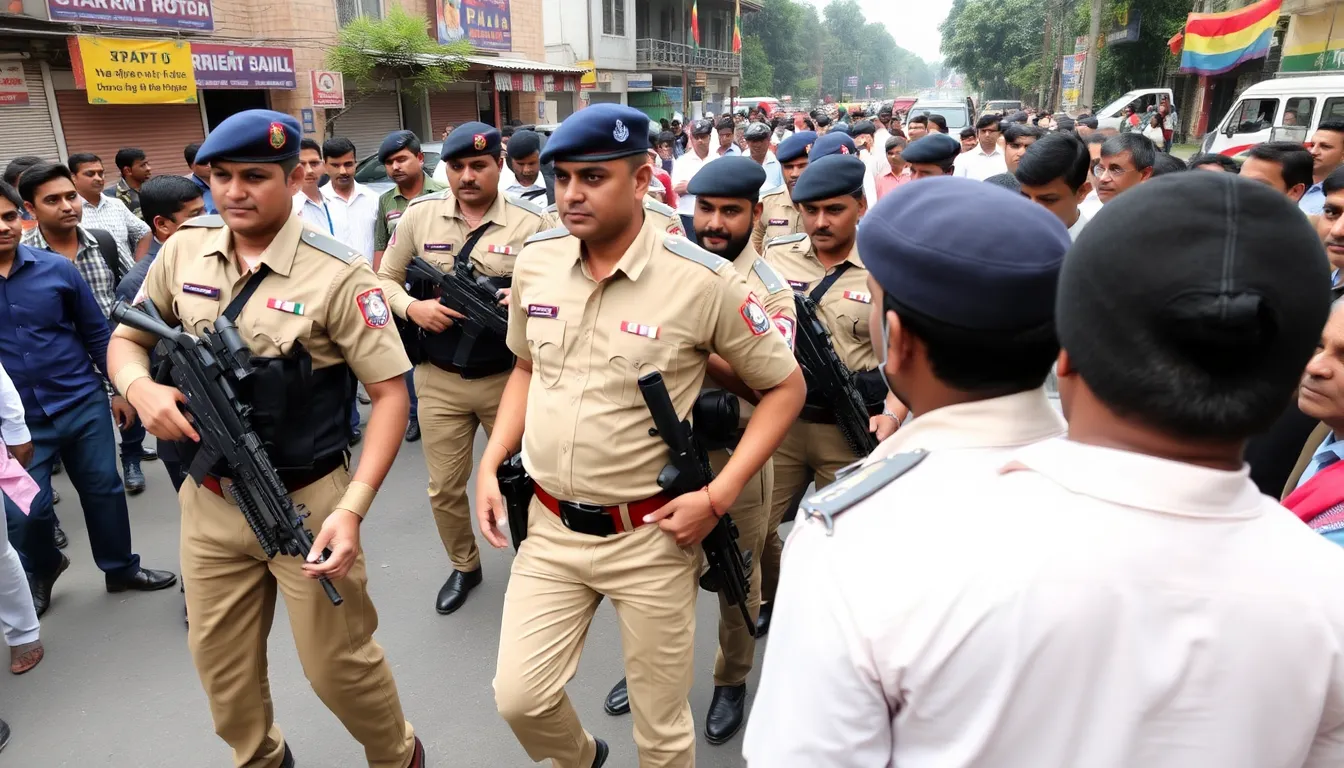
However, as the BJP emerged as a formidable political force in India, it began to make significant inroads into West Bengal, especially during the 2019 Lok Sabha elections, where it won 18 out of 42 seats in the state. This rise in BJP’s popularity has led to increasing tensions between the two parties, often resulting in violent confrontations. The recent shooting of a BJP aide has exacerbated these tensions, highlighting the deep-seated animosity and political rivalry that characterizes the state’s current landscape.
The socio-economic backdrop of West Bengal also plays a crucial role in this unrest. With high levels of unemployment and poverty, many citizens feel disillusioned with the political elite. The BJP has capitalized on this sentiment, promising economic development and job creation. If you’re interested in economic challenges in different regions, check out this article on DR Congo president hints at extending term and delaying elections.
Key Milestones in West Bengal’s Political History
Several key events have shaped the political dynamics in West Bengal. The Nandigram and Singur protests in the mid-2000s against land acquisition policies were pivotal in galvanizing support for the TMC. More recently, the 2021 West Bengal Legislative Assembly elections saw a fierce contest, with allegations of violence and electoral malpractice surfacing from both sides. These milestones reflect a pattern of escalating tensions and political rivalry that has now culminated in the recent unrest following the tragic incident involving the BJP aide.
Analyzing the key stakeholders and issues involved
The recent shooting of a BJP aide in West Bengal has escalated tensions in the region, drawing attention from various stakeholders, including political parties, law enforcement agencies, and local communities. Each actor has distinct interests and perspectives that shape their responses to the unfolding situation. Similar dynamics can be observed in various sectors, including entertainment, as illustrated by NFL superstar Maxx Crosby’s new rap track, which you can learn more about here.
At the forefront are the Bharatiya Janata Party (BJP) and the Trinamool Congress (TMC), the two dominant political parties in West Bengal. The BJP seeks to strengthen its foothold in the state, capitalizing on incidents like the shooting to galvanize support and portray the TMC as unable to maintain law and order. Conversely, the TMC aims to mitigate the fallout from the incident, emphasizing its commitment to public safety while countering BJP’s narrative that suggests political motives behind the violence.
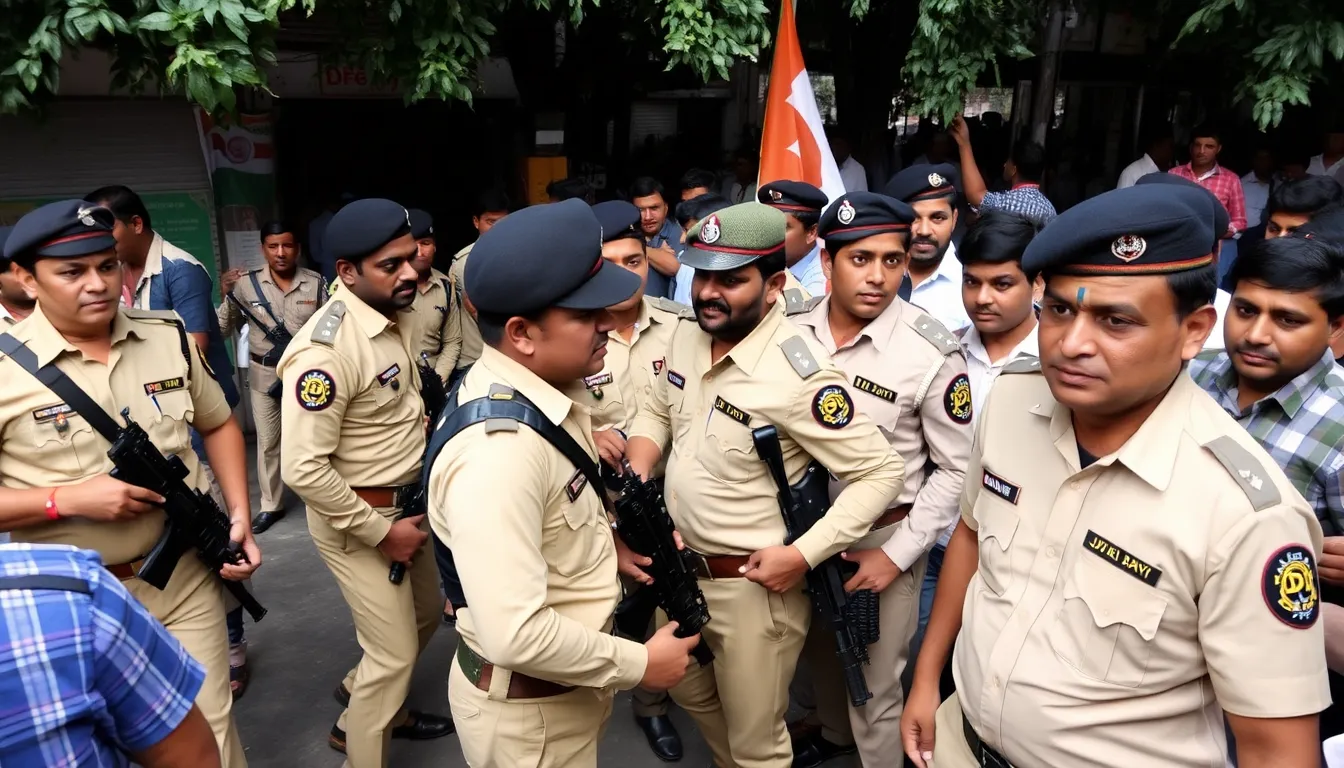
Law enforcement agencies are also critical stakeholders, tasked with investigating the shooting and managing the subsequent unrest. Their actions, including the arrest of hundreds, raise questions about the balance between maintaining order and upholding civil liberties. The legal implications of mass arrests and potential charges against protestors could lead to further scrutiny and criticism from human rights organizations.
- Political Manipulation: Both parties may leverage the incident for political gain, potentially deepening divisions in the community.
- Public Safety Concerns: The effectiveness of law enforcement in addressing violence and ensuring safety is under examination.
- Legal Ramifications: The mass arrests could lead to legal challenges regarding the rights of individuals and the justification for such actions.
- Community Response: Local communities are likely to be polarized, with differing opinions on the actions of both the BJP and TMC.
- Media Influence: The role of media in shaping public perception and framing the narrative around the incident is significant.
As the situation develops, the interplay between these stakeholders will be crucial in determining the future political landscape of West Bengal, as well as the broader implications for governance and civil rights in the region.
Assessing the impact on local communities and political climate
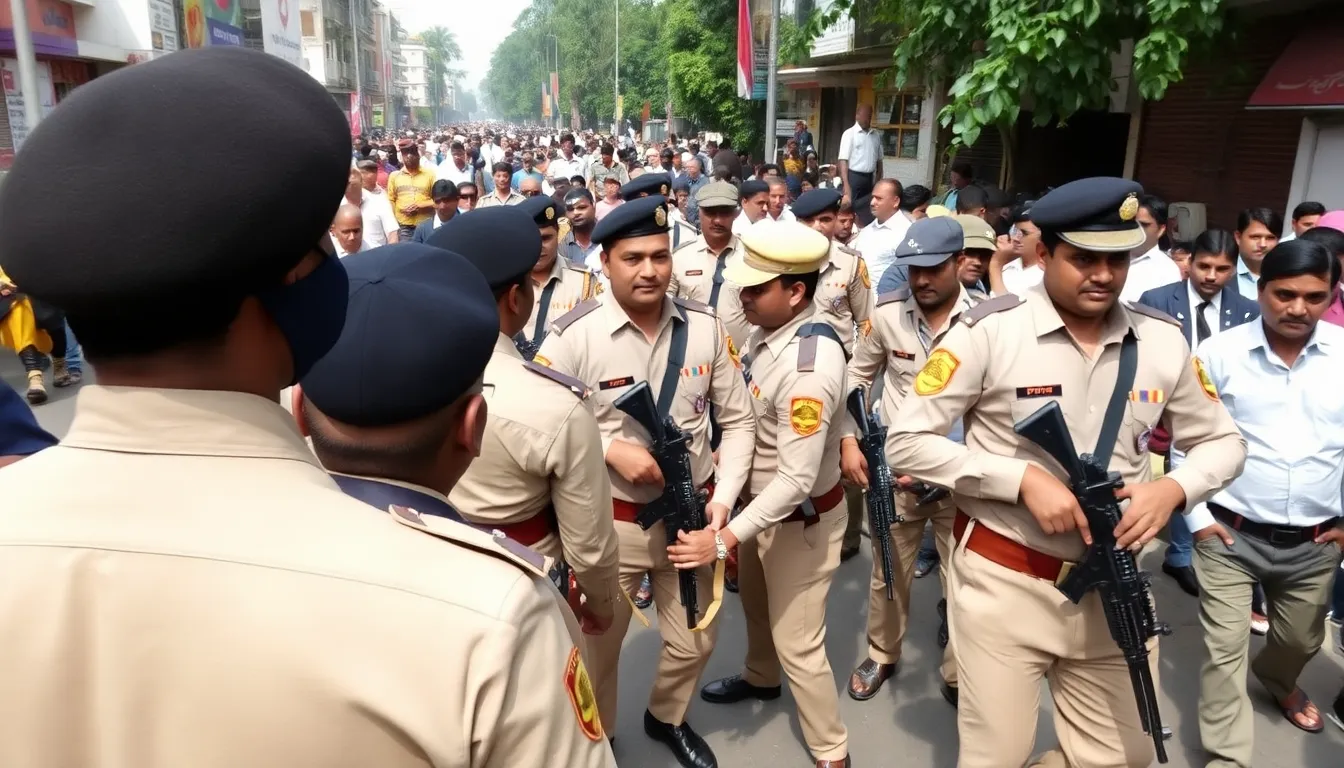
The recent shooting of a BJP aide in West Bengal has heightened tensions across the region, affecting various groups and industries. Local communities, especially those aligned with the BJP, are feeling the immediate repercussions as fears of violence and unrest grow. Additionally, businesses in the area are bracing for potential disruptions, particularly in sectors reliant on stability and public safety, such as tourism and retail.
In the short term, daily life for residents is likely to be significantly impacted. Increased police presence and potential curfews may disrupt normal activities, while businesses may face reduced foot traffic due to safety concerns. The political climate is also shifting, with heightened scrutiny on law enforcement and political parties, leading to an atmosphere of mistrust and division.
In the mid-term, the implications could extend to policy changes as local and state governments may feel pressured to respond to the unrest. This could result in stricter regulations on public gatherings or increased funding for law enforcement. However, there is also potential for community organizations to emerge, advocating for peace and reconciliation, which could unite different groups and foster dialogue.
- Risks: Increased violence, business disruptions, and political instability.
- Opportunities: Community engagement initiatives, potential policy reforms, and a renewed focus on public safety.
As tensions continue to rise, the long-term effects on the region’s political landscape and community relations will depend on how local leaders and residents respond to the current crisis. Engaging in constructive dialogue and addressing the root causes of conflict will be crucial for restoring peace and stability in West Bengal.
A: The shooting is believed to be linked to ongoing political rivalries and tensions between different parties in West Bengal, particularly between the BJP and the ruling party. A: Authorities have reported that hundreds of individuals have been arrested in connection with the unrest that followed the shooting, as tensions escalated. A: The local government has deployed additional police forces and is implementing curfews in certain areas to manage the situation and prevent further violence. A: Local communities are deeply concerned about the violence, with many expressing fears for their safety and calling for peace and stability in the region. A: The escalating tensions may significantly impact the political landscape and voter sentiment as the state approaches upcoming elections, raising questions about security and fairness.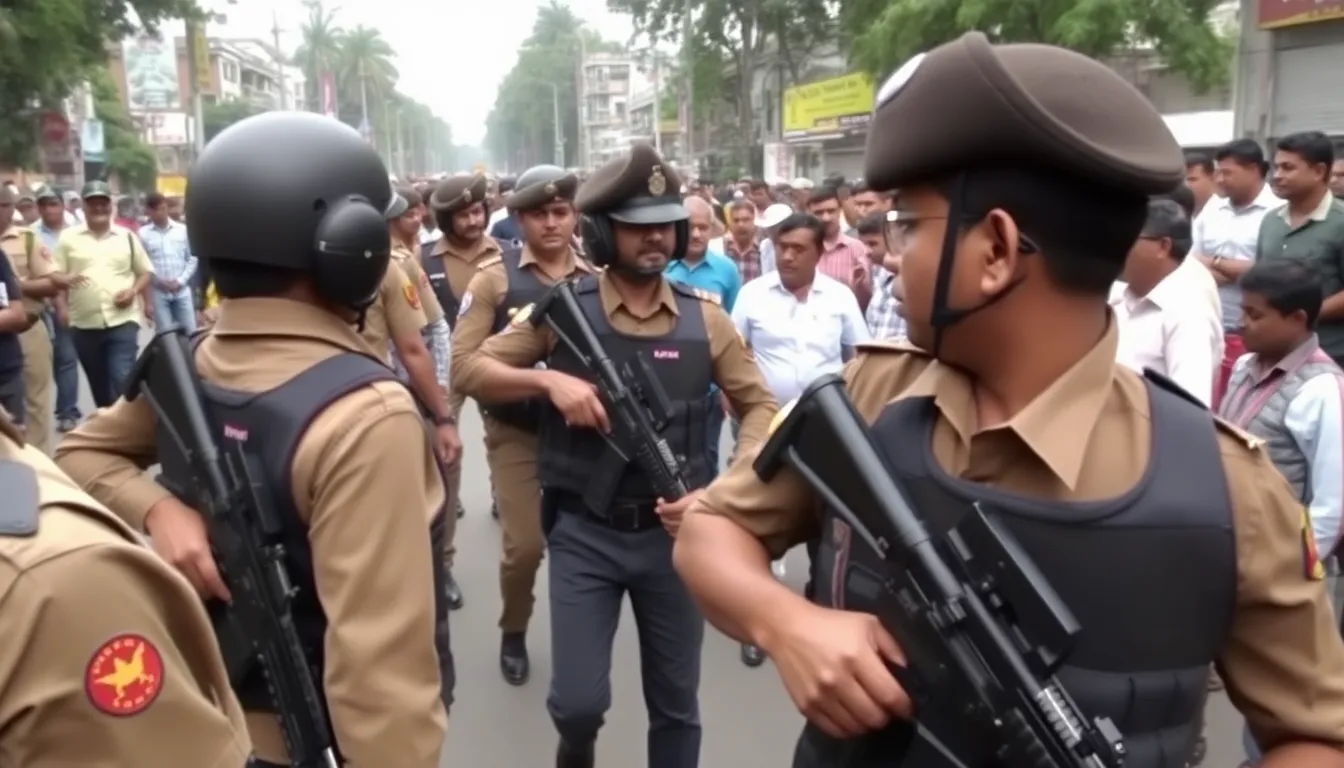
Frequently asked questions about the incident
Key takeaways and future outlook on the situation
The recent shooting of a BJP aide in West Bengal has escalated tensions in the state, leading to widespread arrests and a heightened atmosphere of unrest. This incident not only reflects the ongoing political strife in the region but also raises concerns about public safety and the potential for further violence. As political parties navigate the fallout, it is crucial to monitor how these developments may affect the broader socio-political landscape in West Bengal.
Moving forward, stakeholders must remain vigilant regarding the implications of these events on local governance, community relations, and electoral dynamics. The response from both the state government and opposition parties will be pivotal in shaping public perception and future interactions between rival factions.
- Monitor political responses: Watch how the state government and opposition parties react to the incident, as their approaches may influence public sentiment and political alliances.
- Impact on law enforcement: Assess the effectiveness of law enforcement in managing unrest and maintaining order, particularly in response to rising tensions.
- Community relations: Observe how the incident affects relationships between different community groups and political factions, which could either exacerbate or alleviate tensions.
- Future elections: Consider the implications for upcoming elections, as incidents like these can shift voter priorities and party strategies.
- Long-term stability: Evaluate the potential for long-term stability in West Bengal, taking into account the historical context of political violence in the region.