


In the UK, for instance, Ofcom reported a 15% increase in complaints against Vodafone in the last year alone. Customers have cited issues such as inconsistent network coverage, unexpected charges, and inadequate customer support. These problems have raised questions about Vodafone’s commitment to delivering on its advertised promises, especially in a market that increasingly values customer satisfaction.
Moreover, Vodafone’s recent financial results have shown a decline in customer retention rates, with a significant number of users switching to competitors. This trend is particularly alarming as it suggests that the company may be losing its competitive edge in a market that is increasingly driven by customer satisfaction and trust.
As Vodafone navigates this challenging landscape, the implications for its brand reputation and future growth are significant. The company’s ability to address these concerns and restore customer confidence will be crucial in determining its long-term success in the telecommunications sector.
Exploring the background of Vodafone’s marketing strategies
Vodafone, one of the world’s largest telecommunications companies, has a long history of ambitious marketing strategies that have often promised a transformative experience for consumers. Founded in 1984, the company quickly rose to prominence through innovative technologies and aggressive expansion. However, the gap between the promises made in their advertising campaigns and the reality of customer experiences has led to significant public disillusionment over the years, highlighting the importance of addressing customer trust.

In the late 1990s and early 2000s, Vodafone positioned itself as a pioneer of mobile communication, promoting the idea of connectivity as a fundamental human right. This narrative was not just a marketing gimmick; it reflected broader societal trends towards globalization and digital communication. The company invested heavily in infrastructure and technology, claiming that their network would empower individuals and businesses alike. However, as competition intensified and market saturation occurred, the quality of service began to falter, leading many to question the reliability of Vodafone’s commitments.
Key milestones in Vodafone’s journey include its acquisition of Mannesmann in 2000, which was one of the largest mergers in corporate history. This move not only expanded its market reach but also set a precedent for aggressive expansion strategies in the telecommunications sector. However, the aftermath of such rapid growth often resulted in operational challenges and customer service issues, undermining the initial promise of seamless connectivity.
The Impact of Regulatory Changes
Regulatory changes in various markets have also played a crucial role in shaping Vodafone’s operational landscape. As governments around the world began to impose stricter regulations on telecommunications, Vodafone faced new challenges in maintaining its service standards while adhering to compliance requirements. These changes often resulted in increased costs, which were frequently passed on to consumers, further straying from the ideal of affordable and accessible communication that the company initially championed.
As Vodafone continues to navigate the complexities of a highly competitive and regulated industry, the contrast between its aspirational marketing and the realities faced by consumers remains a significant point of contention. Understanding this backdrop is essential for grasping the current sentiment towards the brand and the broader implications for the telecommunications sector as a whole.
Analyzing the key issues faced by Vodafone and its stakeholders
Vodafone, a major player in the telecommunications industry, has faced significant challenges that have affected its stakeholders, including customers, investors, and regulatory bodies. Each of these groups has distinct interests that can sometimes conflict, leading to a complex landscape of issues.
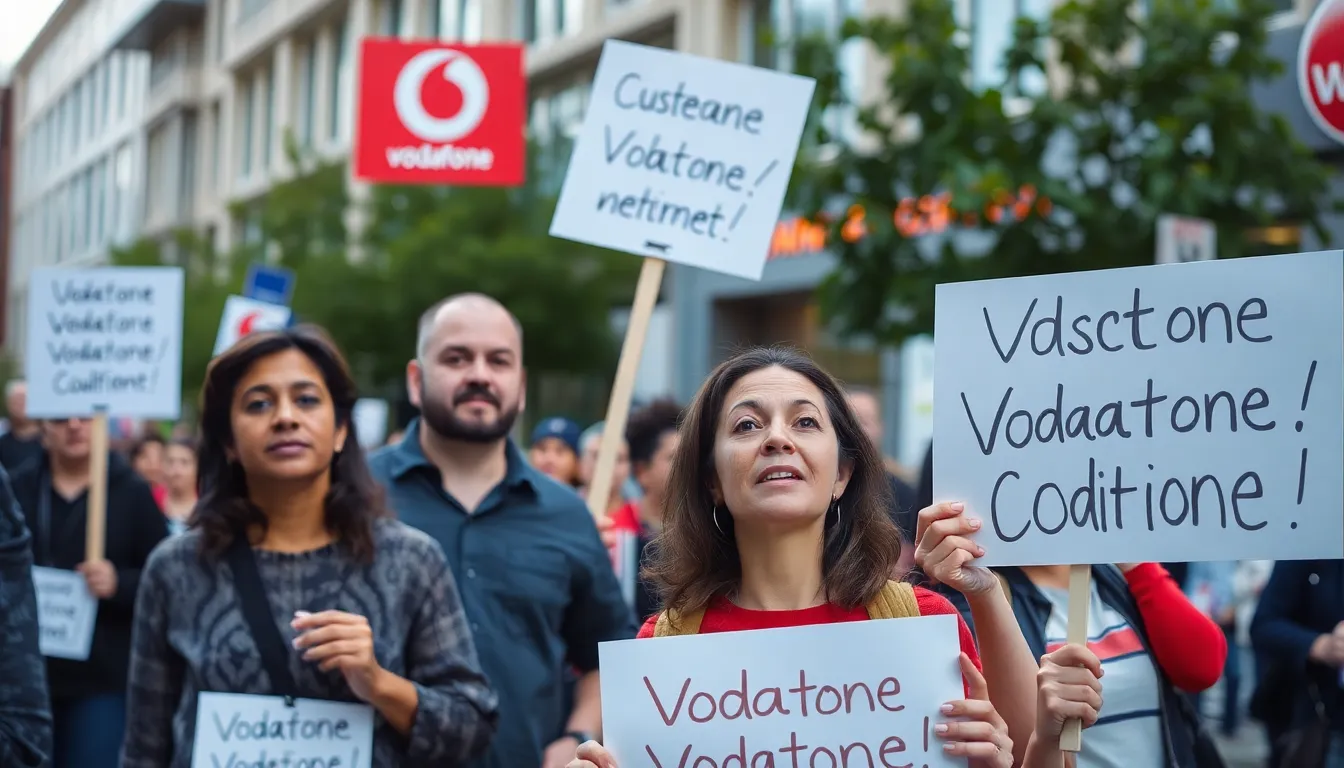
Customers are primarily concerned with the quality and reliability of services provided by Vodafone. Many customers feel that the promises made during marketing campaigns were not met, leading to dissatisfaction and a loss of trust. This gap between expectation and reality can result in customer churn, which poses a threat to Vodafone’s market share.
Investors, on the other hand, are focused on the financial performance of the company. They expect consistent growth and profitability, which can be hindered by poor customer satisfaction and increased competition in the telecommunications sector. The pressure to deliver returns can sometimes lead Vodafone to prioritize short-term gains over long-term customer relationships.
- Regulatory Challenges: Governments and regulatory bodies are concerned with ensuring fair competition and protecting consumer rights. Vodafone must navigate various regulations that can impact its operational strategies.
- Technological Advancements: The rapid pace of technological change means that Vodafone must continually invest in new infrastructure and services to keep up with competitors, which can strain financial resources.
- Market Competition: With numerous competitors in the telecommunications market, Vodafone faces pressure to innovate and offer compelling services, which can affect pricing strategies and profit margins.
In summary, the interplay between these stakeholders and the key issues they face illustrates the challenges Vodafone must navigate to align its business practices with the expectations of its diverse audience. Balancing these interests is crucial for the company’s future success and reputation in the market.
Examining the impact on customers and the telecommunications market
The recent developments surrounding Vodafone have left various groups feeling the effects, particularly customers, employees, and investors. Customers who were promised innovative services and reliable connectivity are now facing disruptions and unmet expectations. This disillusionment can lead to a decline in customer loyalty, impacting Vodafone’s market share and reputation.
In the short term, daily life for many individuals may be affected as they experience service interruptions or inadequate network coverage. Businesses relying on Vodafone for their telecommunications needs may also face operational challenges, leading to potential losses in productivity. The uncertainty surrounding Vodafone’s future could prompt customers to explore alternative providers, creating a ripple effect throughout the telecommunications market.

Mid-term impacts may include shifts in policy as regulators and industry bodies respond to the fallout. Increased scrutiny on service providers may lead to stricter regulations aimed at protecting consumers. This could reshape the competitive landscape, as companies must adapt to new standards and expectations. However, this also presents opportunities for emerging players to fill the gaps left by Vodafone, potentially fostering innovation and improved services.
- Risks: Loss of customer trust, operational disruptions for businesses, regulatory changes.
- Opportunities: New market entrants, innovation in telecommunications services, potential partnerships for improved service delivery.
Regions heavily dependent on Vodafone for connectivity, particularly in rural areas, may feel the impact more acutely. The digital divide could widen if Vodafone fails to address these issues, leaving underserved communities without reliable access to essential services. Conversely, this situation could motivate local governments and organizations to invest in alternative infrastructure, ultimately benefiting those regions in the long run.
A: Vodafone promised high-speed internet, reliable service, and competitive pricing. However, many customers have reported issues with service quality and unexpected charges. A: Many customers have expressed frustration and disappointment, leading to a significant number of complaints and negative reviews online. A: Vodafone has stated that it is working on improving customer service and addressing technical issues, but many customers remain skeptical about the effectiveness of these measures. A: Yes, there are several competitors in the market offering similar services, and customers are encouraged to explore these options for better reliability. A: Customers experiencing issues should contact Vodafone’s customer service for assistance and consider documenting their experiences for potential escalation.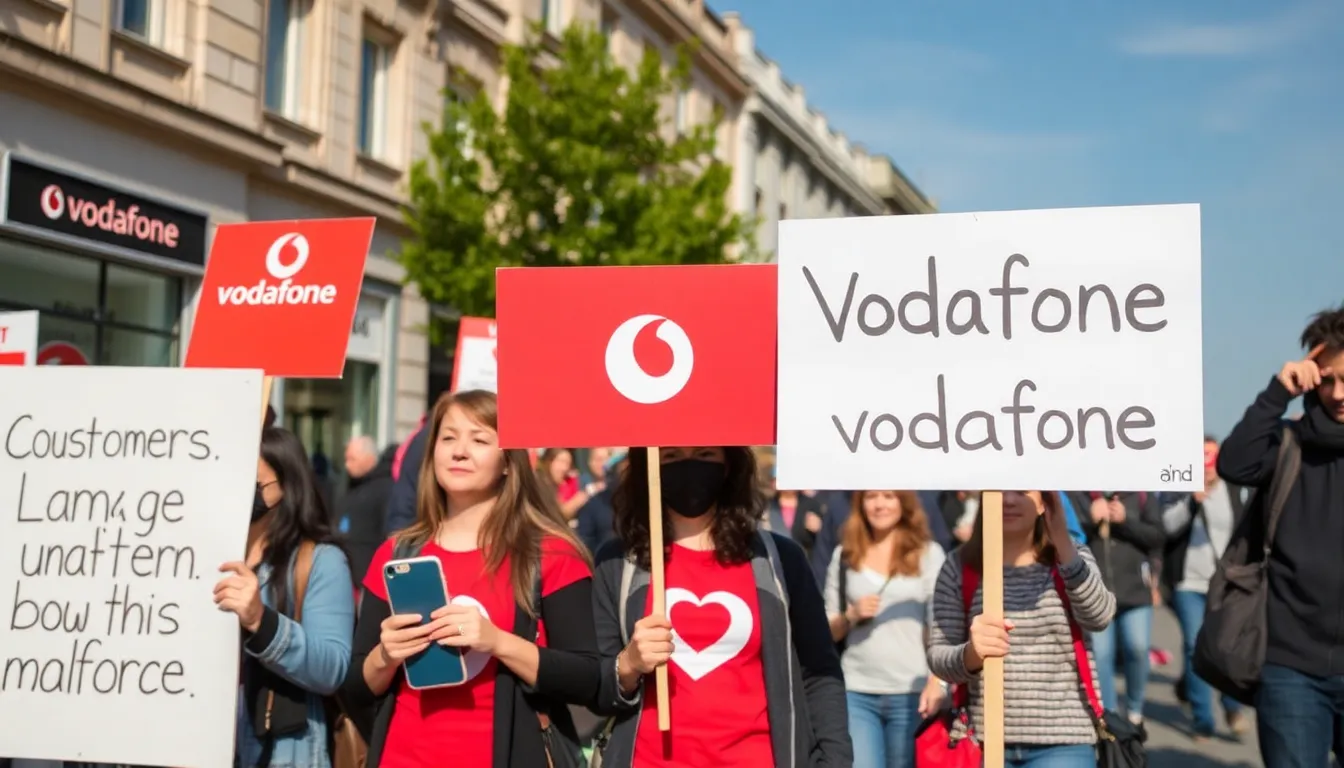
Frequently asked questions about Vodafone’s services
Key takeaways and future outlook for Vodafone’s customers
The experience of Vodafone’s customers highlights a significant gap between the expectations set by the brand and the actual service delivered. This disconnect raises important questions about customer trust and the long-term implications for Vodafone’s market position. As competition intensifies in the telecommunications sector, it becomes crucial for Vodafone to address these discrepancies to retain and rebuild customer loyalty.
Looking ahead, customers should remain vigilant and proactive in evaluating their service options. The current landscape offers opportunities for consumers to demand better service and accountability from their providers, which could drive positive changes in the industry.
- Monitor service quality: Regularly assess the reliability and performance of Vodafone’s services to ensure they meet your expectations.
- Explore alternatives: Keep an eye on competitor offerings that may provide better value or service quality.
- Engage in feedback: Actively communicate your experiences and concerns to Vodafone to encourage improvements and accountability.
- Stay informed: Follow industry trends and customer reviews to make informed decisions about your telecommunications provider.
- Advocate for transparency: Demand clearer communication from Vodafone regarding service changes and their implications for customers.