


Notable events include the formation of new unions and the strengthening of existing ones, with key players such as the Game Workers Unite and the International Game Workers Alliance leading the charge. These organizations have been instrumental in organizing strikes and protests, particularly in countries like France, Germany, and the UK, where workers have expressed dissatisfaction with management practices and corporate policies.
On October 1, 2023, a coordinated strike involving over 1,000 employees from various studios in Europe took place, demanding fair wages and better job protections. This unprecedented action highlights the growing solidarity among workers in an industry that has often been characterized by its high-pressure environments and job insecurity.
The pushback against layoffs has gained momentum, especially following announcements from major gaming companies about workforce reductions. Workers argue that these layoffs are often executed without adequate justification, further exacerbating the sense of instability within the industry.
As the landscape of video game development continues to evolve, the role of unions and collective bargaining is becoming increasingly vital. The current wave of activism signals a shift in the industry, with workers advocating for a more equitable and sustainable future in gaming.
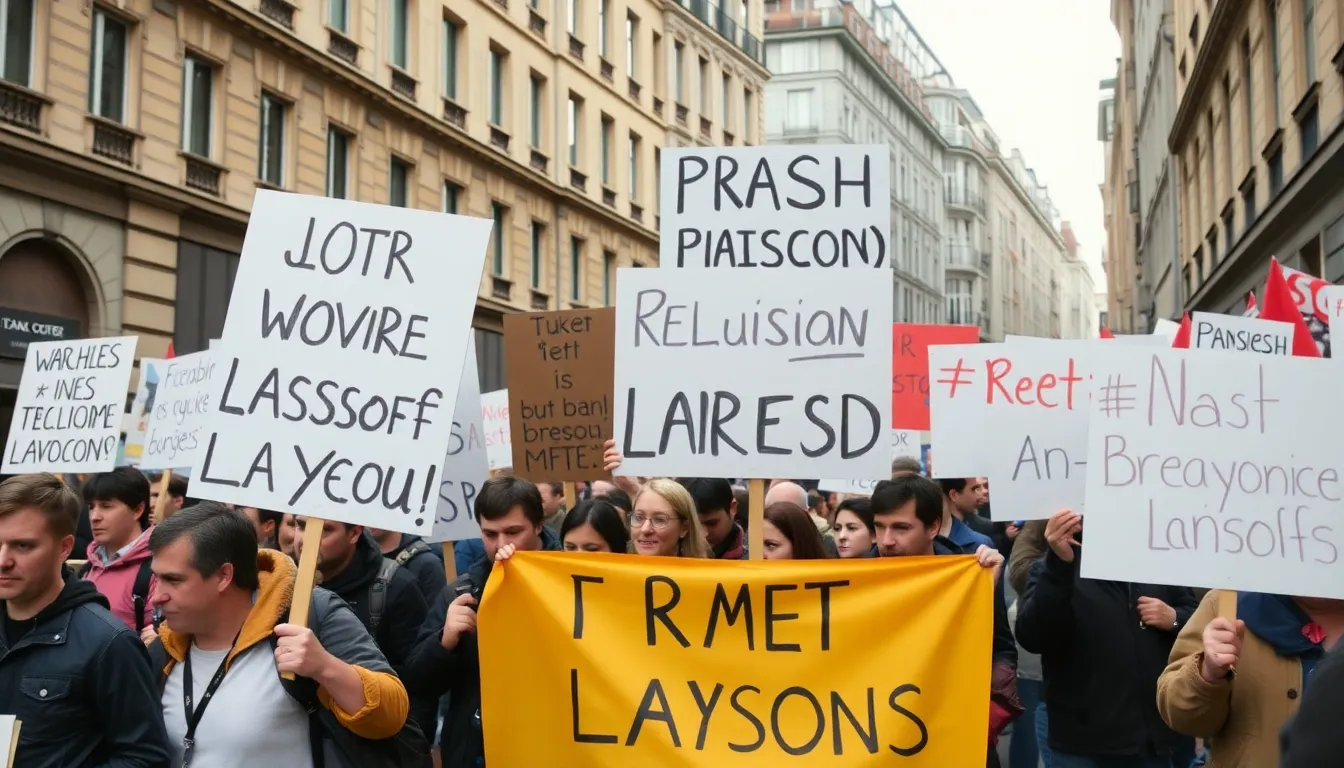
Understanding the historical backdrop of union efforts in gaming
The video game industry has undergone significant transformation since its inception in the late 20th century. Initially characterized by small teams and independent developers, the industry has grown into a multi-billion dollar global enterprise dominated by a handful of major corporations. This evolution has brought about a range of challenges for workers, including long hours, job insecurity, and a lack of representation in decision-making processes. For a deeper dive into the impact of corporate policies, check out this related article.
Historically, labor movements in creative industries have faced unique hurdles. The gaming sector, often perceived as a dream job for many, has been slow to organize due to the passion-driven nature of the work. Many employees prioritize their love for gaming over labor rights, leading to a culture that often discourages unionization. However, as working conditions have worsened, particularly with the rise of crunch culturewhere employees are expected to work excessive hours to meet deadlinesthere has been a growing recognition of the need for collective action.
Recent Milestones in Unionization Efforts
In recent years, several key events have marked a turning point for union efforts in the gaming industry. The formation of the Game Workers Unite movement in 2018 galvanized workers across various companies to advocate for their rights. Additionally, high-profile cases such as the unionization of the workers at Raven Software in 2021 highlighted the potential for collective bargaining in a sector often resistant to such practices.
The COVID-19 pandemic further exacerbated existing issues, with many workers facing layoffs and increased workloads as studios adapted to remote work. This crisis prompted many to reconsider their employment conditions, leading to a surge in union interest. As a result, the current wave of organizing efforts across Europe represents a historic milestone, signaling a shift towards greater solidarity among video game workers in the face of exploitation, AI advancements, and economic uncertainty.
Key stakeholders and issues in the gaming industry
The ongoing struggle of video game workers across Europe highlights a complex web of stakeholders, each with distinct interests and concerns. At the forefront are the workers themselves, often organized under various unions, who seek better working conditions, fair wages, and job security. Their efforts are met with resistance from game developers and publishers, who may prioritize profit margins and efficiency over employee welfare.
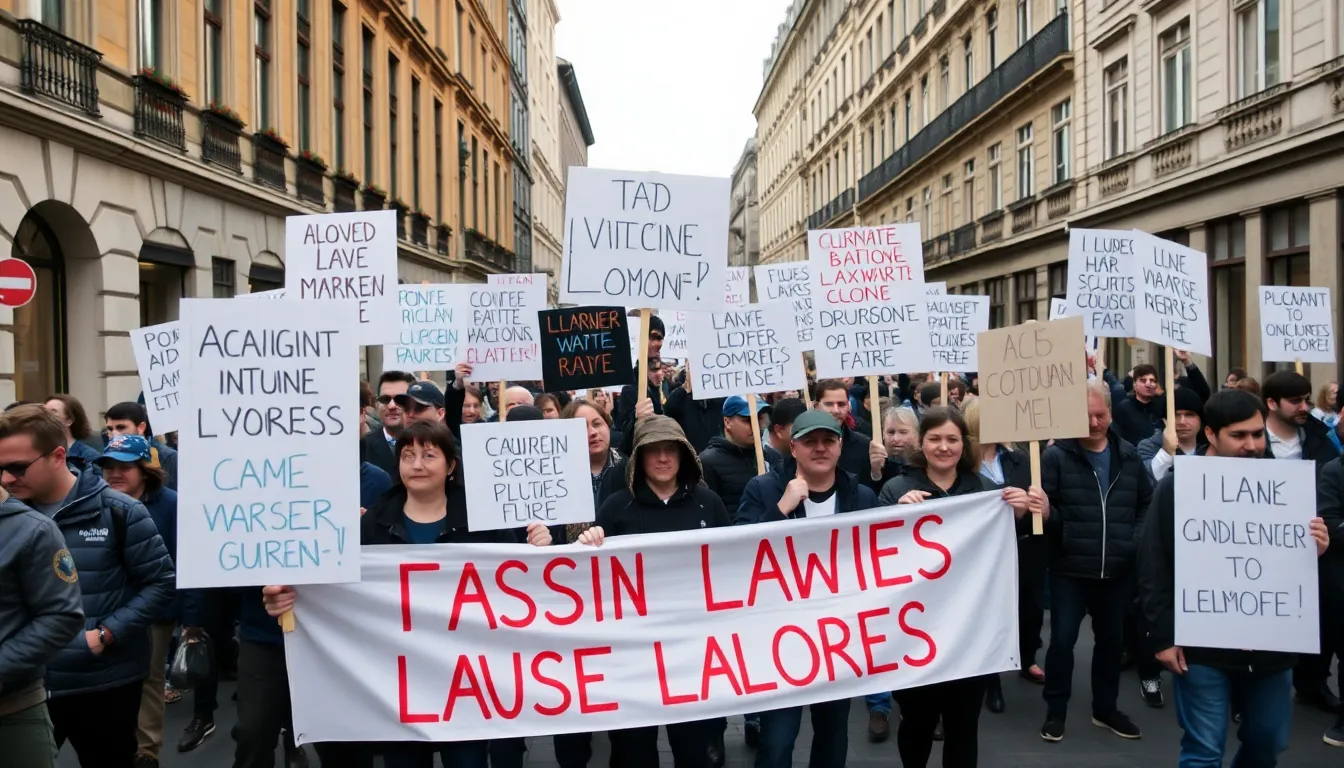
Unions such as the Game Workers Unite and other regional organizations play a critical role in advocating for workers’ rights. These groups aim to address issues like excessive overtime, job insecurity due to layoffs, and the impact of automation and artificial intelligence on employment. Their campaigns are increasingly gaining traction, signaling a shift in the industry towards recognizing the importance of worker representation, further highlighted in related discussions.
Governments also play a significant role in this landscape, as labor laws and regulations vary across countries in Europe. Some governments are more supportive of unionization efforts and labor rights, while others may lean towards protecting corporate interests. This creates a patchwork of legal frameworks that can either facilitate or hinder the progress of union efforts across the continent.
- Worker Exploitation: Many game developers face long hours and high-pressure environments, leading to burnout and high turnover rates.
- AI and Automation: The rise of AI in game development raises concerns about job displacement and the devaluation of creative roles.
- Layoffs: Economic pressures have led to significant layoffs in the industry, prompting calls for better job security measures.
- Unionization Efforts: Workers are increasingly organizing to demand better conditions, leading to historic milestones in union activities.
- Regulatory Challenges: The variation in labor laws across Europe complicates the unionization process and workers’ rights protections.
The effects of unionization on workers and the gaming market
The recent push for unionization among video game workers across Europe has far-reaching implications for various stakeholders, including employees, game developers, and consumers. Workers in the gaming industry, particularly those involved in development, design, and support roles, are at the forefront of this movement, advocating for better working conditions and fair compensation. Additionally, regions with a high concentration of gaming studios, such as France, Germany, and the UK, are significantly impacted as these changes ripple through local economies.
In the short term, the unionization efforts are likely to lead to immediate changes in workplace policies, including improved job security and better benefits for workers. This could result in a more stable workforce, which may enhance productivity and creativity in game development. However, companies may also face increased operational costs, which could lead to a rise in game prices or reduced profit margins in the competitive market.
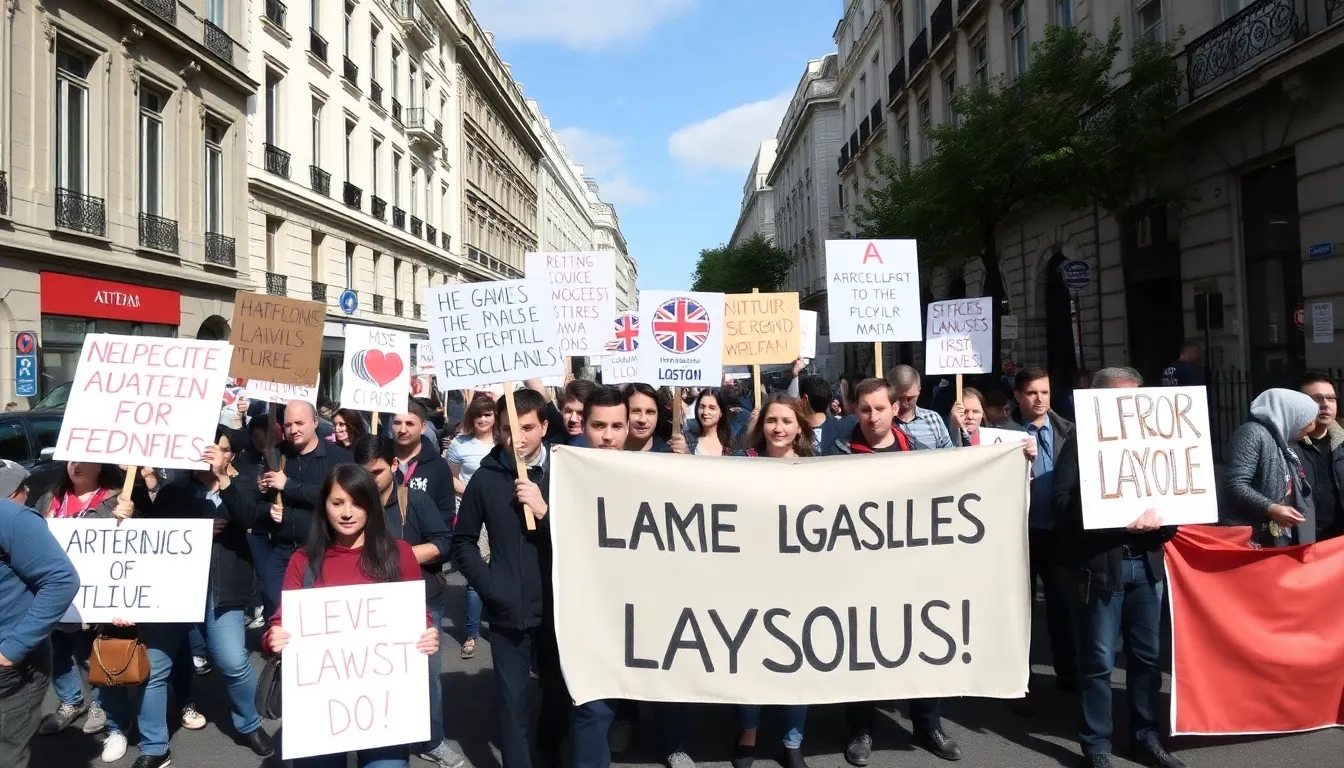
Mid-term impacts could involve shifts in industry standards, with potential new regulations on labor practices influencing not just the gaming sector but also adjacent industries. As more companies adopt union-friendly policies, there may be a broader cultural shift towards valuing employee well-being, which could encourage other sectors to follow suit. This could create a more equitable labor market across Europe, fostering a sense of solidarity among workers in various fields.
- Risks: Increased costs for game developers may lead to layoffs or reduced hiring.
- Opportunities: Enhanced job satisfaction could attract top talent to the industry.
- Risks: Potential for backlash from companies resistant to unionization.
- Opportunities: Establishment of industry benchmarks for fair labor practices.
As the movement gains momentum, the implications for policy may also evolve. Governments may be compelled to reconsider labor laws and protections, which could benefit not only the gaming industry but also other sectors facing similar challenges. The ongoing dialogue around workers’ rights, especially in the context of automation and AI, will be crucial in shaping future labor policies across Europe.
A: Video game workers are dealing with issues such as exploitation, job insecurity due to layoffs, and the increasing use of AI in game development, which threatens job stability. A: Unions provide support and representation for workers, helping them negotiate better working conditions, fair pay, and job security, especially in a rapidly changing industry. A: AI can automate certain tasks, which may lead to job displacement, but it can also enhance creativity and efficiency in game development if used responsibly. A: This moment is historic because it marks a significant increase in collective action among video game workers across Europe, signaling a shift towards greater labor rights in the industry. A: Workers can join existing unions, participate in organizing campaigns, and engage in collective bargaining to advocate for their rights and improve conditions.
Frequently asked questions about union efforts in gaming
Looking ahead at the future of gaming labor rights
The recent mobilization of video game workers across Europe marks a pivotal moment in the ongoing struggle for labor rights within the industry. As employees unite to confront challenges such as exploitation, layoffs, and the rise of artificial intelligence, the significance of these actions cannot be overstated. The collective efforts of workers signal a growing awareness and readiness to advocate for better working conditions and fairer treatment in an industry that has often prioritized profit over people.
As the landscape of gaming continues to evolve, the implications of this movement extend beyond immediate workplace concerns. The establishment of stronger unions and collective bargaining agreements could reshape the future of labor relations in gaming, setting precedents that may inspire similar actions in other sectors. Observing how these developments unfold will be crucial for understanding the trajectory of labor rights in the digital age.
- Increased Unionization: The momentum gained by gaming workers may lead to a surge in union membership across the industry, encouraging more employees to advocate for their rights.
- Legislative Changes: This movement could prompt policymakers to consider new regulations aimed at protecting workers in the gig economy and creative industries.
- Impact of AI: As AI technologies continue to advance, the dialogue around job security and ethical implications will likely intensify, necessitating proactive measures from both employers and unions.
- Global Solidarity: The actions taken by European workers may inspire similar movements in other regions, fostering a global network of solidarity among gaming professionals.
- Consumer Awareness: Increased public awareness of labor issues in gaming could lead to greater consumer demand for ethically produced games, influencing company practices.