


This change has heightened anxiety among Ghanaian students, who are often reliant on family support and scholarships that may no longer suffice in the current economic climate, highlighting the need for better government interventions to address their financial challenges.
Universities in the UK have acknowledged the situation, with some institutions offering emergency financial aid and counseling services. However, these measures may not be enough to address the scale of the crisis, as many students face the prospect of leaving their studies prematurely.
Advocacy groups are urging for policy changes to provide better support for international students, emphasizing the contributions they make to the UK economy and academic community. The outcome of this situation could have lasting implications for Ghanaian students and the broader landscape of international education in the UK.
Understanding the background of the funding crisis
However, the increasing cost of education and living expenses has created a significant financial burden for many students, a situation that is not unique to Ghanaian students but reflects broader trends impacting international education in the UK.

In recent years, the Ghanaian government has made efforts to improve local education systems, but the allure of international degrees remains strong, making it essential for policymakers to understand this dynamics in education funding.
Impact of the COVID-19 Pandemic
The COVID-19 pandemic exacerbated the financial challenges faced by Ghanaian students in the UK. Many lost part-time jobs that helped sustain their living expenses, while others struggled to secure funding due to the economic downturn. As tuition fees and living costs continued to rise, students found themselves in precarious financial situations, leading to increased anxiety about their immigration status and the risk of deportation.
In response to the mounting crisis, various advocacy groups have emerged, calling for policy changes that would allow for greater financial support for international students. However, the UK government has maintained strict immigration policies, complicating the situation further. As a result, many Ghanaian students are left navigating a system that seems increasingly hostile to their educational aspirations.
Key milestones, such as changes in visa regulations and shifts in funding policies, have contributed to this crisis. The tightening of student visa requirements and the reduction of scholarships available for international students have created a challenging environment for those seeking to study in the UK. As the situation continues to evolve, the future of Ghanaian students in UK universities hangs in the balance, highlighting the urgent need for systemic reform.
Examining the stakeholders involved in the crisis
The funding crisis impacting Ghanaian students at UK universities has multiple stakeholders, each with distinct interests and concerns. The primary actors include the students themselves, educational institutions, the UK government, and the Ghanaian government. Understanding their roles and perspectives is crucial to grasping the complexities of this situation.

Ghanaian students, who often rely on financial support from home or scholarships, are facing potential deportation due to funding shortages. Their primary interest lies in securing their education and remaining in the UK to complete their studies. Many have invested significant time and resources into their education, making the threat of deportation particularly distressing.
UK universities are also key stakeholders, as they benefit from international tuition fees and the diversity that international students bring to their campuses. However, they are increasingly pressured to comply with government regulations regarding student visas and funding verification. This creates a conflict between maintaining enrollment numbers and adhering to legal requirements, which can impact their financial stability.
The UK government, responsible for immigration policies, aims to regulate the flow of international students while ensuring that those who remain in the country are financially viable. This creates a trade-off between fostering a welcoming environment for international students and enforcing strict immigration controls. Additionally, the government faces public scrutiny regarding its stance on immigration and the treatment of foreign students.
Finally, the Ghanaian government has a vested interest in the welfare of its citizens abroad. It may seek to negotiate with the UK government or provide support to students facing deportation. However, it also grapples with its own economic challenges, limiting its ability to assist students effectively. The interplay of these interests highlights the complexity of the situation and the need for a multifaceted approach to address the ongoing crisis.
- Ghanaian students are at risk of deportation due to funding crises.
- UK universities face pressure to balance enrollment and compliance with regulations.
- The UK government enforces immigration policies that impact international students.
- The Ghanaian government may struggle to support its students abroad effectively.
- Conflicts arise between educational aspirations and legal requirements.
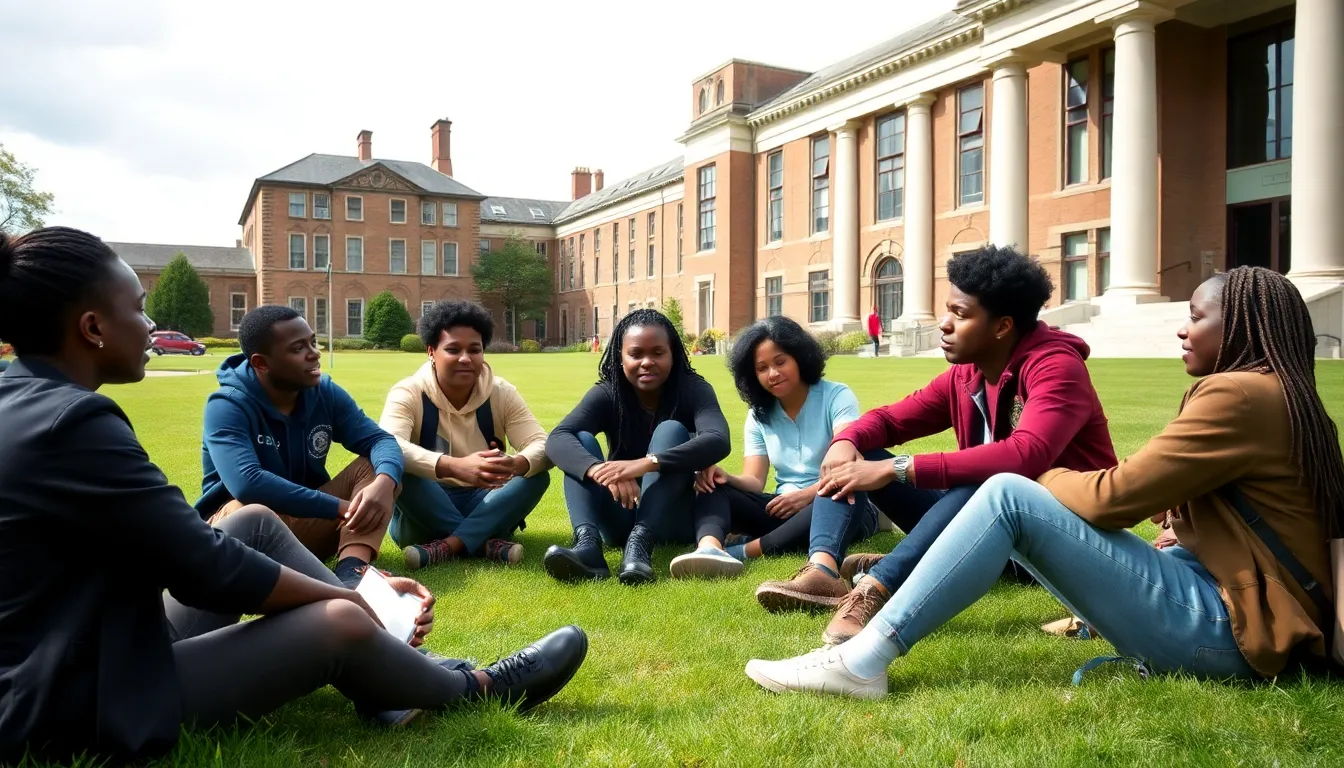
The impact of deportation on students and the education system
The ongoing funding crisis affecting Ghanaian students in UK universities poses significant challenges not only for the students themselves but also for the broader educational landscape. As these students face potential deportation, various groups, including educational institutions, local communities, and the Ghanaian diaspora, are directly impacted. The ripple effects of this situation extend beyond individual students, influencing the academic environment and the reputation of UK universities.
In the short term, the immediate impact on students includes the disruption of their education and potential loss of housing and employment opportunities. Many students rely on part-time jobs to support their living expenses while studying, and the threat of deportation creates an atmosphere of uncertainty that can hinder their academic performance. This situation can also affect university enrollment rates, particularly in programs that attract international students, leading to potential financial losses for institutions.
Mid-term consequences may manifest in policy changes as universities and governments reassess their approach to international students. Institutions may implement more robust support systems or financial aid programs to retain students amidst funding challenges. Additionally, the UK government could face pressure to revise immigration policies to accommodate the needs of international students, which could either tighten or loosen restrictions based on the prevailing economic climate.
- Risk of reduced diversity: A decline in the number of Ghanaian students may lead to a less culturally diverse academic environment.
- Economic impact: Local businesses that depend on the spending power of international students may experience financial strain.
- Opportunity for policy reform: This crisis may prompt universities to advocate for more inclusive policies that support international students.
Ultimately, while the immediate consequences of deportation are dire for affected students, the situation also presents an opportunity for dialogue about the value of international education and the need for sustainable funding solutions. The ability to navigate these challenges will determine the future landscape of higher education in the UK, particularly for students from Ghana and other countries facing similar issues.
A: Ghanaian students are facing deportation due to a funding crisis that has made it difficult for them to pay tuition and living expenses in the UK. A: The funding crisis has been attributed to various factors including rising tuition fees, economic challenges in Ghana, and changes in UK immigration policies. A: Affected students may seek financial aid, scholarships, or legal assistance to explore options for remaining in the UK. A: The UK government has been urged to review policies and provide support to international students facing financial difficulties. A: The long-term implications could include a decrease in the number of Ghanaian students studying in the UK and potential impacts on bilateral educational relationships.
Frequently asked questions about the funding crisis
Key insights and future outlook on the situation
The ongoing funding crisis facing Ghanaian students in UK universities has far-reaching implications for both the students and the educational institutions involved. As financial support dwindles, many students find themselves at risk of deportation, which not only disrupts their academic pursuits but also impacts the diversity and cultural richness of UK campuses. The situation calls for urgent attention from both governments and educational bodies to explore sustainable solutions that can support these students in their time of need.
Looking ahead, it is essential to monitor how universities adapt their funding models and support systems in response to this crisis. Additionally, the potential for increased collaboration between Ghanaian and UK institutions may emerge as a means to provide students with more robust financial backing and resources, ensuring that they can continue their studies without the looming threat of deportation.
- Increased advocacy for financial aid programs specifically targeting international students from Ghana.
- Potential for partnerships between Ghanaian and UK universities to create scholarship opportunities.
- Monitoring changes in immigration policies that could affect the status of Ghanaian students in the UK.
- Impact on the UK’s reputation as a destination for international students, particularly from Africa.
- Importance of community support networks for Ghanaian students facing financial challenges.