


Specifically, the memo points to declining vaccination rates, which have fallen to levels not seen in decades. This trend is particularly alarming given the resurgence of vaccine-preventable diseases, such as measles and whooping cough, which pose serious health risks to vulnerable populations, including children and the elderly.
Furthermore, the memo underscores the potential impact of misinformation surrounding vaccines, which has contributed to growing hesitancy among certain demographics. This highlights the importance of reliable information in vaccination advocacy, as the official emphasizes the urgent need for a coordinated response to counteract these narratives and restore public trust in vaccination programs.
As the nation grapples with these challenges, health officials are calling for immediate action to address the gaps in vaccination coverage. The memo serves as a wake-up call, urging stakeholders at all levels to prioritize vaccination efforts and ensure that communities are adequately protected against outbreaks.
Understanding the background of vaccine distribution in the US
The history of vaccine distribution in the United States is marked by significant milestones that reflect both scientific advancement and public health policy. Vaccines have played a critical role in controlling infectious diseases, with programs dating back to the 18th century when Edward Jenner developed the smallpox vaccine. For more on recent developments, the vaccine advisory panel in the US has implemented various vaccination campaigns, most notably the polio vaccine rollout in the 1950s, which set a precedent for future vaccination efforts.

In recent decades, the landscape of vaccine distribution has evolved, particularly in response to emerging health threats. The rapid development of vaccines for diseases such as H1N1 and Ebola demonstrated the capacity for swift scientific innovation. However, these efforts also highlighted the complexities of vaccine distribution, including issues related to supply chain logistics, public trust, and equitable access, particularly among marginalized communities.
The COVID-19 Pandemic and Vaccine Response
The COVID-19 pandemic brought unprecedented challenges to vaccine distribution in the US. The urgency of the situation led to the development of multiple vaccines in record time, facilitated by initiatives like Operation Warp Speed. However, the rollout exposed systemic flaws, including disparities in access and distribution inefficiencies, which sparked widespread concern among health officials and the public alike.
As vaccine hesitancy emerged as a significant barrier, public health messaging became crucial. The communication strategies adopted by health authorities aimed to build trust and encourage vaccination, yet they often faced obstacles due to misinformation and political polarization. The recent memo from a top US vaccine official has reignited alarm over these ongoing challenges, underscoring the need for a coordinated and transparent approach to vaccine distribution as the nation continues to navigate the complexities of public health crises.
Key stakeholders and issues surrounding the memo
The recent memo from a top US vaccine official has sparked concern among various stakeholders, including government agencies, public health organizations, and the general public. Each of these groups has distinct interests that may influence their reactions to the content of the memo.
Key stakeholders include:

- Centers for Disease Control and Prevention (CDC): As a leading public health agency, the CDC is focused on ensuring vaccine safety and efficacy, and any alarm raised by internal communications could impact public trust.
- Food and Drug Administration (FDA): The FDA plays a crucial role in the approval and monitoring of vaccines. Their interest lies in maintaining rigorous standards while also addressing public concerns raised by the memo.
- Pharmaceutical Companies: Companies involved in vaccine development may face economic repercussions if public confidence in vaccines declines due to the issues highlighted in the memo.
- Public Health Advocates: These organizations aim to promote vaccination as a means of preventing disease outbreaks. They may be concerned about how the memo could affect vaccination rates and overall public health.
- The General Public: Citizens are directly impacted by vaccine policies and public health communications. Their trust in health authorities is crucial for successful vaccination campaigns.
Conflicts arise primarily from differing priorities among stakeholders. For instance, while regulatory agencies prioritize safety and efficacy, pharmaceutical companies may be more focused on market access and profitability. This could lead to tensions regarding the speed of vaccine development and approval processes.
Additionally, the memo raises legal and economic issues surrounding vaccine mandates and public health policy. The potential for legal challenges against mandates could create a complex landscape for public health officials who are trying to balance individual rights with community health needs.
Overall, the situation presents a multifaceted dilemma where the interests of different stakeholders may clash, necessitating careful navigation of public discourse and policy decisions moving forward.
Potential impacts on public health and vaccine confidence
The recent memo from a top US vaccine official has raised concerns across various groups, particularly among public health organizations, healthcare providers, and the general population. Vaccine hesitancy may increase, affecting not only individual health but also community immunity levels. This could lead to a resurgence of preventable diseases, particularly in regions with low vaccination rates.
Industries reliant on public health, such as travel, hospitality, and education, could see immediate repercussions. Short-term impacts may include decreased consumer confidence, leading to reduced participation in events, travel, and gatherings. Schools might face challenges in maintaining attendance as parents reconsider vaccination for their children, which could disrupt educational environments.
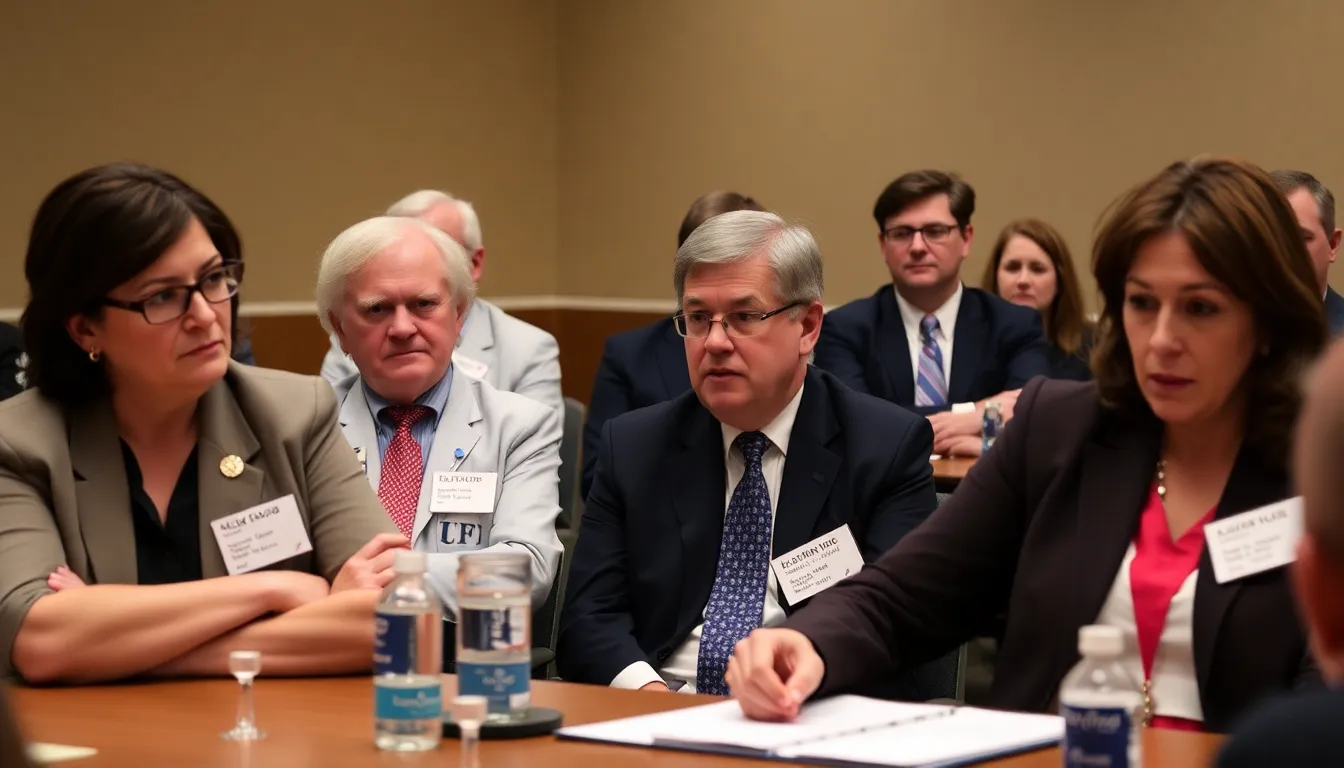
In the mid-term, the memo’s implications could prompt policymakers to reassess vaccine distribution strategies and public health messaging. A potential shift in policy could arise, focusing on enhancing transparency and rebuilding trust in vaccines. This could also lead to increased funding for educational campaigns aimed at clarifying vaccine safety and efficacy.
- Risks: Increased vaccine hesitancy, resurgence of diseases, and disruptions in daily life.
- Opportunities: Enhanced public health campaigns, potential innovations in vaccine technology, and stronger community engagement.
Regions with existing healthcare disparities may feel the effects more acutely, as misinformation could exacerbate existing inequalities. Conversely, this situation presents an opportunity for local health organizations to strengthen outreach efforts and foster community trust in vaccination programs.
A: The memo outlines serious concerns about vaccine distribution logistics and potential safety issues that have not been adequately addressed. A: The memo was authored by a senior official at the US Department of Health and Human Services, known for their role in vaccine policy. A: The memo could undermine public confidence in vaccines, as it raises questions about the safety and efficacy of the distribution process. A: Health officials are reviewing the concerns raised in the memo and may implement changes to improve vaccine distribution and safety protocols. A: While the memo raises valid concerns, health officials assert that there is currently no immediate risk to public health.
Frequently Asked Questions about the memo and its implications
Key takeaways and future outlook on vaccine distribution
The recent memo from a leading US vaccine official has raised significant concerns regarding the current state and future of vaccine distribution. This unprecedented communication highlights potential challenges that may arise as health authorities navigate the complexities of vaccine rollout amidst evolving public health needs. Stakeholders must remain vigilant as they adapt to these developments and consider their implications for public health strategy.
As the situation unfolds, it is essential to monitor how these insights may influence vaccine accessibility, public trust, and overall health outcomes. The following points serve as critical considerations for the coming months.
- Increased scrutiny on vaccine efficacy: Expect heightened discussions around the effectiveness of vaccines, particularly in response to new variants and emerging data.
- Impact on public health policy: Policymakers may need to revise strategies to ensure equitable distribution and address potential disparities in vaccine access.
- Public perception and trust: The memo could influence public confidence in vaccination efforts, necessitating enhanced communication from health officials to reassure communities.
- Future funding and resource allocation: Anticipate shifts in funding priorities as health agencies respond to the challenges outlined in the memo.