


Starring a talented cast that includes Daniel Radcliffe, Jonathan Groff, and Lindsay Mendez, the show has resonated with both critics and audiences alike. The unique storytelling technique, which unfolds in reverse chronological order, allows for a deep exploration of the characters’ journeys and the choices they make. This innovative style has also drawn comparisons to other groundbreaking musicals.
The production’s success is underscored by its extension through January 2024, indicating strong ticket sales and audience demand. This revival not only highlights the timeless themes of ambition and friendship but also showcases the enduring legacy of Sondheim’s music and lyrics.
As the show continues to receive accolades, including nominations for prestigious awards, it is clear that this iteration of the musical has struck a chord in today’s cultural landscape. The combination of a compelling narrative and a stellar cast has solidified its place as a must-see theatrical event this season.
Understanding the Background of the Musical
‘Merrily We Roll Along’ is a musical with a rich history that reflects the complexities of ambition, friendship, and the passage of time. Originally composed by Stephen Sondheim with a book by George Furth, the show premiered in 1981. Its innovative narrative structure, which unfolds in reverse chronological order, was groundbreaking at the time, allowing audiences to witness the decline of the protagonist, Franklin Shepard, as he sacrifices his ideals for success in the entertainment industry. This has become a key topic of discussion among theater critics.
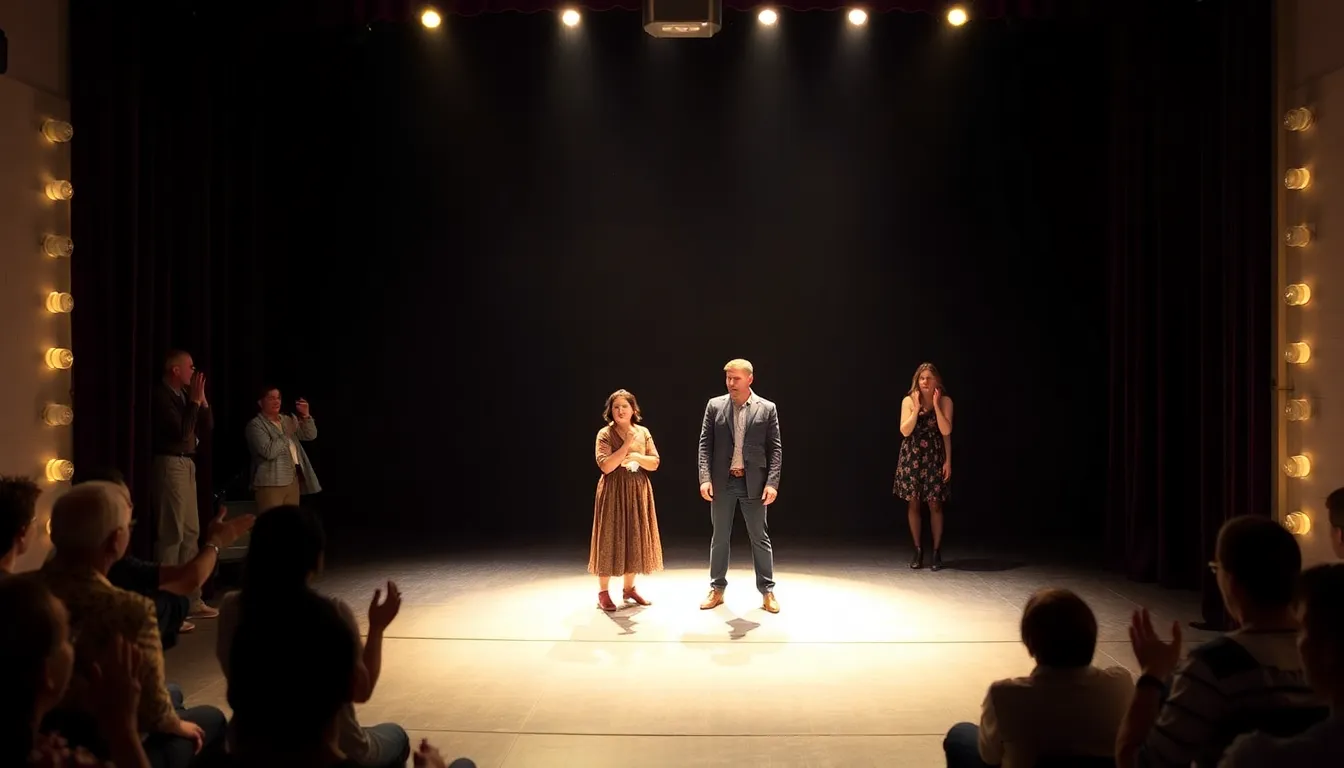
The musical’s initial run was met with mixed reviews and ultimately closed after only 16 performances on Broadway. However, its subsequent revivals and adaptations have led to a reevaluation of its artistic merit. The show has since gained a cult following, with productions around the world celebrating its complex score and poignant themes. This resurgence can be attributed to a broader cultural shift towards appreciating Sondheim’s work and the exploration of flawed characters in contemporary storytelling.
Key Milestones in the Musical’s Journey
Several key milestones have marked the evolution of ‘Merrily We Roll Along’. In 1994, a notable concert version was staged at the Lincoln Center, which reignited interest in the musical. This revival highlighted the show’s emotional depth and introduced it to a new generation of theatergoers. In 2012, a production directed by Maria Friedman at the Menier Chocolate Factory in London further solidified the musical’s status, receiving critical acclaim and multiple awards.
In recent years, the musical has been revisited with fresh interpretations, showcasing its relevance in today’s society. The themes of ambition and the cost of success resonate strongly in an era where many grapple with similar dilemmas in their personal and professional lives. As such, ‘Merrily We Roll Along’ continues to evolve, reflecting the changing landscape of the theater and the ongoing dialogue about the sacrifices made in pursuit of dreams, an aspect that has also been explored in other contemporary works.
Key Issues and Stakeholders in the Production
The revival of ‘Merrily We Roll Along’ has attracted a diverse group of stakeholders, each with their own interests and concerns. Key players include the production team, cast members, theater companies, and audiences. Understanding the dynamics between these stakeholders is crucial for analyzing the production’s impact and success.
One of the primary stakeholders is the production team, which includes the director, producers, and designers. Their primary interest lies in delivering a successful and critically acclaimed performance that can attract audiences and generate revenue. However, they face challenges related to budget constraints and the need to balance artistic vision with commercial viability.
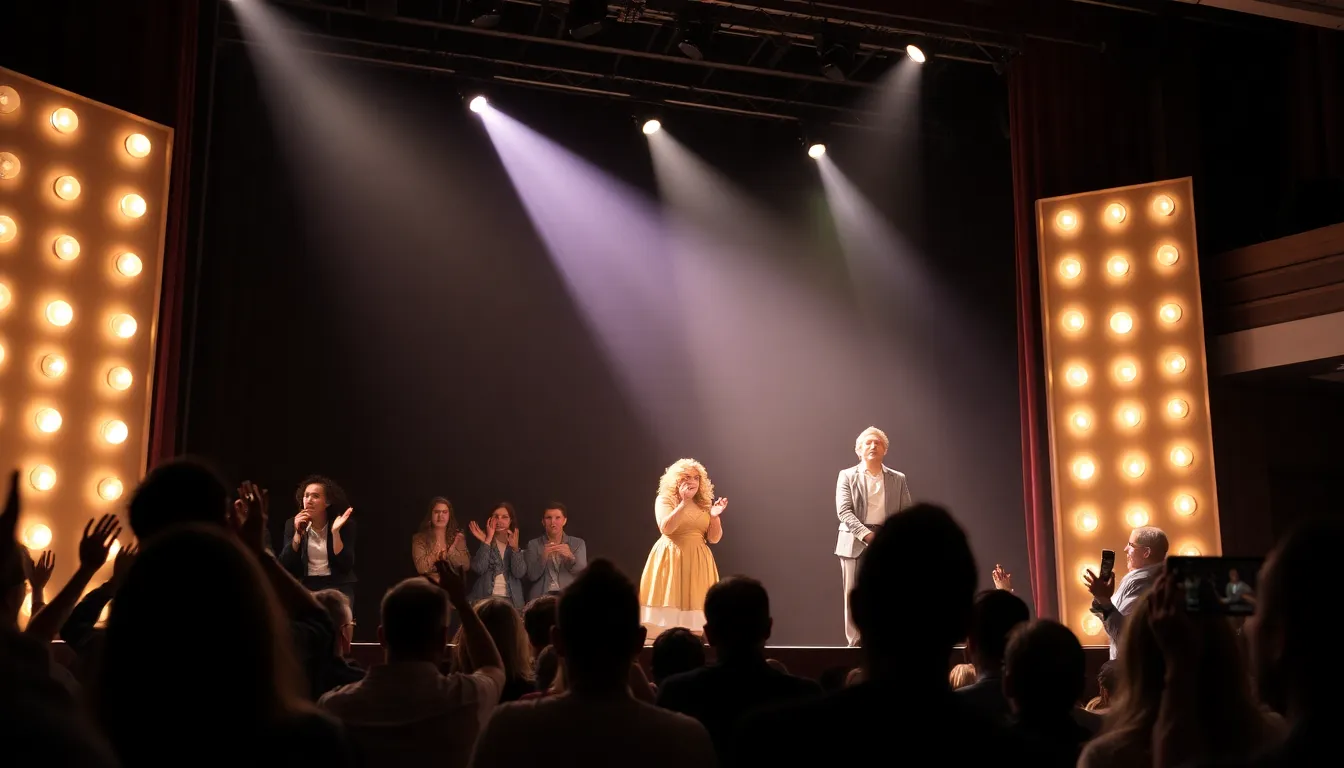
Cast members are another vital group, as their performances directly influence audience reception and overall success. Many actors in this production have vested interests in their careers and reputations, making it essential for them to deliver standout performances. Conflicts may arise if actors feel their talents are underutilized or if they disagree with the creative direction of the show.
- Economic Factors: The financial health of theater productions can be precarious, with ticket sales being a primary revenue source.
- Artistic Integrity: Balancing commercial success with maintaining the original artistic vision of the musical poses a significant challenge.
- Audience Expectations: Engaging a modern audience while remaining true to the show’s themes and style is crucial for its reception.
- Competition: The production must compete with other theatrical offerings, which can impact ticket sales and overall interest.
Additionally, theater companies and investors are stakeholders with financial interests in the production’s success. They may face trade-offs between funding innovative projects and ensuring a return on investment. Legal issues, such as copyright and licensing for the original material, also play a significant role in the production’s feasibility and longevity.
The Impact on Audiences and the Theatre Community
The revival of ‘Merrily We Roll Along’ has resonated deeply with various groups, particularly theatre enthusiasts, local businesses, and the broader arts community. Audiences ranging from dedicated theatre-goers to casual attendees are likely to experience a renewed interest in live performances, which can invigorate the cultural landscape.
In the short term, local theatres and surrounding businesses, such as restaurants and hotels, may see a spike in revenue as patrons flock to see the show. This influx can create a vibrant atmosphere in the area, leading to increased foot traffic and a boost for local economies. The theatre community, including actors, directors, and production staff, will also benefit from heightened visibility and potential job opportunities.
However, there are risks associated with such a revival. If the production does not meet audience expectations or if ticket prices are perceived as too high, it could deter attendance and negatively impact future productions. Additionally, the focus on a single successful show may overshadow smaller, emerging works that also deserve attention.
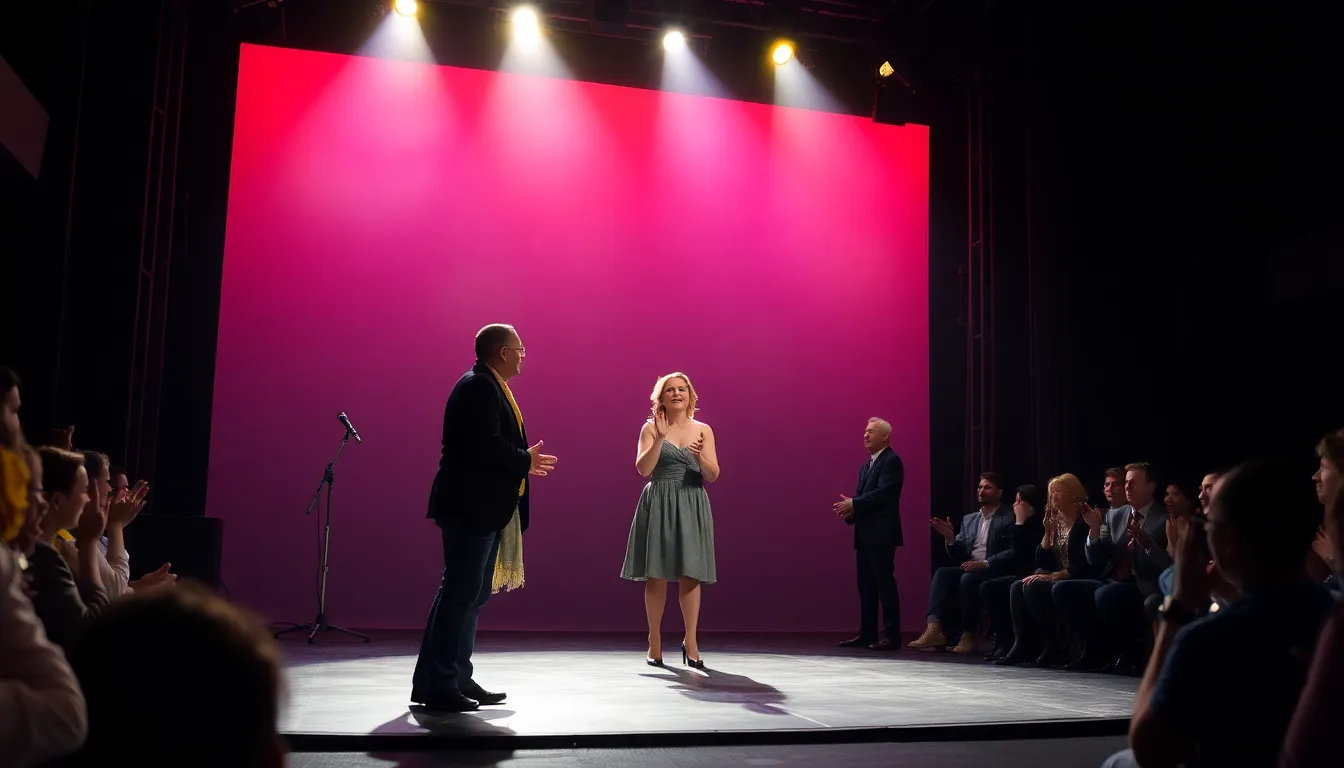
- Short-term opportunities: Increased ticket sales and local business revenue.
- Mid-term impacts: Potential for new productions and collaborations within the arts community.
- Risks: Audience fatigue with high-profile revivals and possible neglect of diverse storytelling.
In the mid-term, the success of ‘Merrily We Roll Along’ could lead to a ripple effect, inspiring more revivals of classic shows and encouraging theatres to invest in new works. This could foster a more dynamic theatre scene, but it will be essential for stakeholders to balance commercial success with artistic innovation.
A: The main theme revolves around friendship, ambition, and the passage of time, exploring how choices affect relationships. A: The production features a talented team including the director, choreographer, and musical director, each bringing their unique vision to the show. A: Audience reactions have been overwhelmingly positive, with many praising the performances and the emotional depth of the story. A: Yes, this version includes updated staging and a fresh interpretation of the characters, making it feel contemporary while honoring the original. A: Tickets are available online through the theatre’s official website and major ticketing platforms.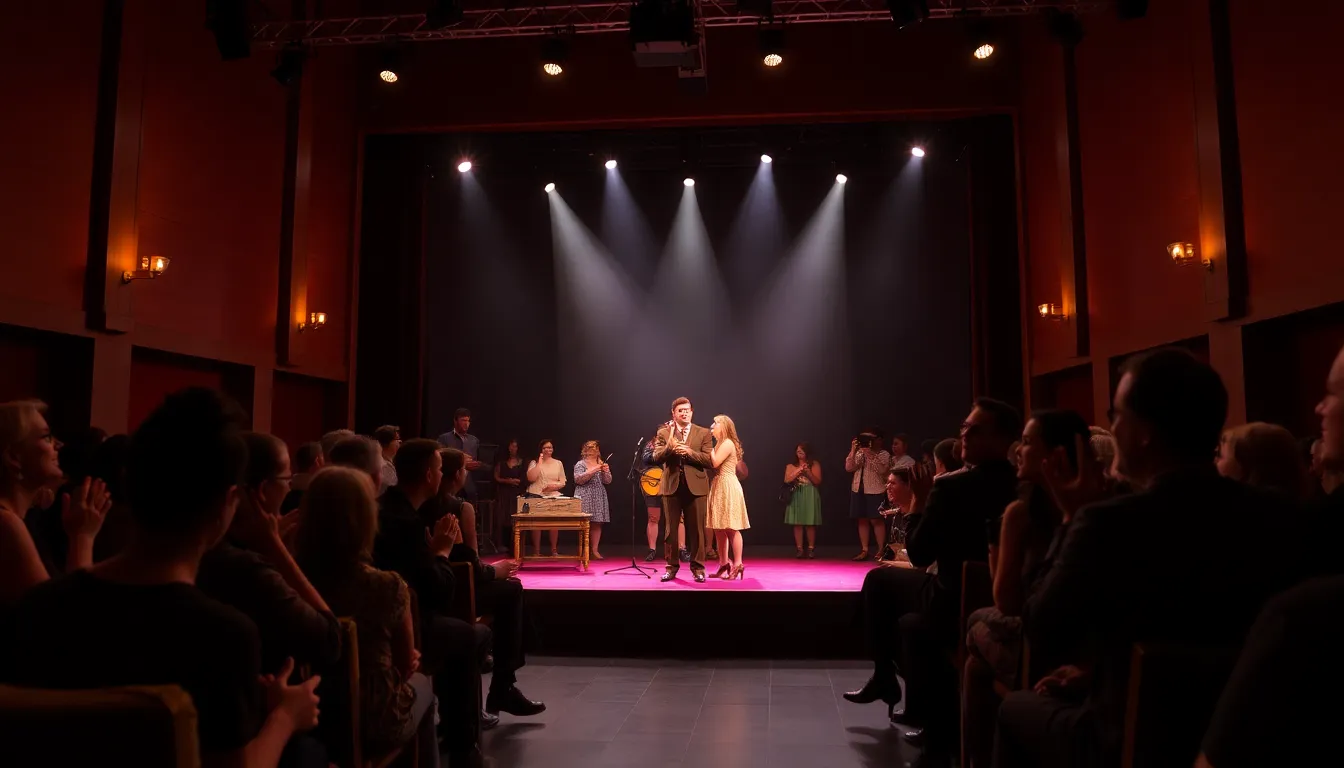
Frequently Asked Questions About the Show
Key Takeaways and Future Outlook for the Musical
The revival of ‘Merrily We Roll Along’ has not only captivated audiences but also reignited discussions about its themes of ambition, friendship, and the passage of time. The innovative structure and engaging performances have positioned this production as a notable success, suggesting a promising future for both the musical and its cast. As it continues to garner attention, the implications for future adaptations and productions in the theater landscape are significant.
As the musical gains traction, stakeholders in the theater community should pay close attention to audience reactions and critical feedback. This revival could pave the way for similar reimaginings of classic works, emphasizing the importance of contemporary relevance in storytelling. The success of this production may also inspire new collaborations between seasoned artists and emerging talents.
- Monitor audience engagement and ticket sales as indicators of the musical’s lasting appeal.
- Assess how the revival influences future productions of lesser-known works in the theater scene.
- Watch for potential expansions into other media, such as film or streaming adaptations.
- Consider the impact of innovative staging and direction in shaping audience expectations for future musicals.
- Evaluate the role of social media in promoting theater productions and connecting with younger audiences.