


This collaboration underscores the commitment of both nations to strengthen defense ties and respond effectively to potential threats.
Australia’s strategic location makes it a vital partner for both the U.S. and Japan, particularly as tensions in the South China Sea and North Korea’s military activities continue to rise. By conducting these exercises, the participating nations aim to demonstrate their readiness to counter any aggressions and reinforce their collective security arrangements.
Through shared experiences and training, U.S. and Japanese troops are building relationships that extend beyond the battlefield, fostering camaraderie and cooperation in the region.
The Historical Context of US-Japan-Australia Military Relations
In recent years, the strategic partnership between the United States, Japan, and Australia has evolved significantly, driven by shared interests in regional security and stability. The historical roots of this collaboration can be traced back to the aftermath of World War II, when the US established a military presence in the Asia-Pacific region to counter the spread of communism. This presence laid the groundwork for future alliances and defense agreements.

Similarly, Japan’s post-war constitution, which renounced war, led to the establishment of the US-Japan Security Treaty in 1960, allowing for a US military presence in Japan as a means of deterrence against regional threats.
Key Milestones in Military Collaboration
Over the decades, various military exercises and joint operations have solidified the trilateral relationship. Notably, the Talisman Sabre exercises, first held in 2007, have become a cornerstone of US-Australia military cooperation, involving thousands of troops and extensive coordination. Japan’s participation in these exercises has increased since 2017, reflecting a growing recognition of the need for a united front against emerging security challenges in the Indo-Pacific region.
The rise of China as a regional power has prompted both the US and Japan to strengthen their military ties with Australia. Recent geopolitical tensions have underscored the importance of trilateral cooperation, with joint training missions and humanitarian assistance operations becoming more frequent. This evolving relationship is not merely a response to military threats but also a strategic alignment aimed at promoting democratic values and economic stability in the region.
As US and Japanese soldiers conduct training exercises in the Australian bush, they embody a commitment to collective defense and regional security. This collaboration signifies a proactive approach to addressing the complexities of modern warfare, emphasizing interoperability and shared strategic objectives among allies.
Key Stakeholders and Issues Surrounding the Military Exercises
In the context of the ongoing military exercises in the Australian bush, several key stakeholders are involved, each with distinct interests and objectives. The primary actors include the governments of the United States, Japan, and Australia, as well as their respective military forces. These nations aim to enhance their defense capabilities and strengthen regional security in the face of evolving geopolitical challenges.

The United States, as a leading military power, seeks to reinforce its presence in the Indo-Pacific region. This is part of a broader strategy to counterbalance China’s growing influence. For the U.S. military, these exercises are crucial for testing strategies, improving interoperability with allied forces, and demonstrating commitment to regional partners.
Japan, on the other hand, is focused on expanding its defense cooperation with the U.S. and Australia. Amid rising tensions in the East China Sea, Japan’s participation reflects its desire to enhance collective security arrangements and ensure a stable regional order. This collaboration also aligns with Japan’s recent defense policy shifts aimed at increasing its military capabilities.
Australia, hosting these exercises, is motivated by its national security interests and its role as a key ally in the region. The Australian government views these military drills as an opportunity to bolster its defense readiness and showcase its commitment to multilateral security partnerships. However, this also raises concerns among local communities regarding environmental impacts and the implications of increased military activity in the region.
- Geopolitical Tensions: The exercises occur against a backdrop of heightened tensions in the Indo-Pacific, particularly concerning China’s assertiveness.
- Environmental Concerns: Local communities express worries about the ecological impact of military activities in the Australian bush.
- Legal Framework: The legal implications of foreign military presence in Australia, including agreements governing the exercises, are crucial for understanding the operational context.
- Economic Implications: Military exercises can have economic impacts, both positive and negative, on local economies and industries.
- Public Perception: The perception of military exercises by the Australian public can influence government policy and future defense strategies.
Impact on Local Communities and Regional Security
The presence of US and Japanese soldiers in the Australian bush has significant implications for local communities and regional security. These military exercises are not only a show of strength but also a means to enhance cooperation among allies in the Indo-Pacific region. Various groups, including local residents, businesses, and government entities, are affected by these activities.
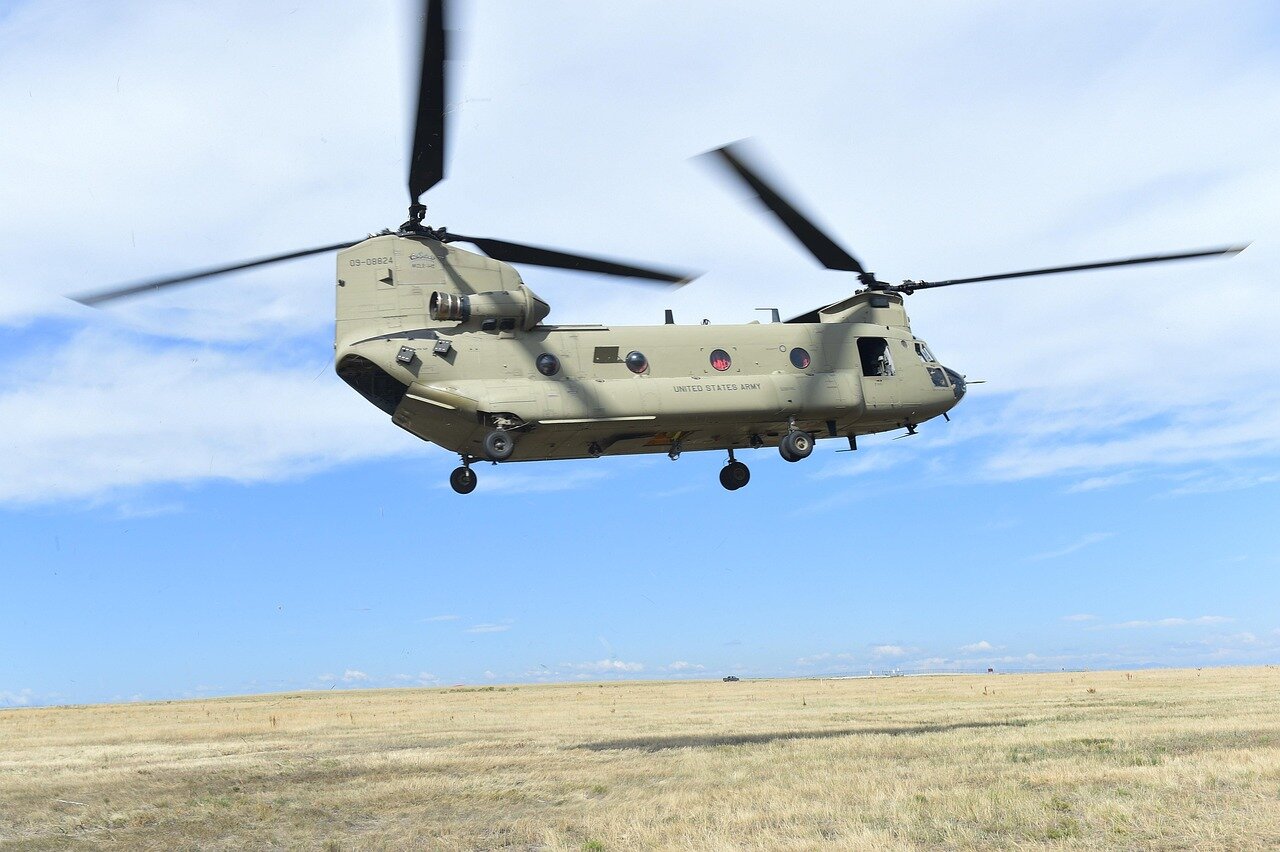
In the short term, residents of nearby towns may experience disruptions due to increased military traffic and the presence of foreign troops. Local businesses, particularly those in hospitality and retail, could see a boost in revenue as soldiers require food, lodging, and supplies. This influx may lead to a temporary economic uplift, benefiting industries such as tourism and service sectors.
In the mid-term, the ongoing military collaboration may foster stronger ties between Australia, the US, and Japan, enhancing regional security. This could result in a more stable environment for trade and investment, attracting businesses looking to capitalize on a secure market. However, there are risks associated with heightened military presence, including potential tensions with neighboring countries that may perceive these exercises as provocative.
- Local Economy: Short-term boost in local business revenue.
- Community Disruption: Increased traffic and noise from military operations.
- Regional Stability: Potential for enhanced security cooperation.
- Geopolitical Tensions: Risk of escalating tensions with neighboring nations.
- Long-term Investments: Attraction of businesses to a secure environment.
Moreover, the exercises may lead to increased job opportunities for local residents in sectors supporting military logistics and operations. This could enhance workforce skills and contribute to the long-term development of the region. However, it is essential for local governments to manage these impacts effectively to ensure that the benefits are maximized while mitigating any negative consequences.
A: The training is part of a joint military exercise aimed at enhancing interoperability among allied forces and ensuring regional security. A: The duration of their stay typically varies depending on the exercise schedule, but it can last several weeks. A: These exercises improve tactical skills, strengthen alliances, and demonstrate commitment to regional stability. A: Some local residents express concerns about noise and environmental impact, while others support the economic benefits. A: Joint exercises between the US, Japan, and Australia occur regularly, with multiple exercises planned throughout the year.
Frequently Asked Questions About the Military Presence
Key Takeaways and Future Outlook on Military Cooperation
The joint military exercises between US and Japanese soldiers in the Australian bush signify a strengthening of defense ties among allies in the Asia-Pacific region. This collaboration not only enhances the operational readiness of these forces but also serves as a strategic counterbalance to regional threats. As geopolitical dynamics evolve, the implications of such partnerships will be crucial in shaping security policies and military strategies.
Looking ahead, the continued presence of US and Japanese troops in Australia may lead to increased joint training initiatives and a deeper integration of military capabilities. This trend could foster greater interoperability between allied forces, enabling them to respond more effectively to emerging challenges in the region.
- Increased military exercises may enhance regional security and deterrence capabilities.
- Stronger US-Japan-Australia trilateral relationships could lead to more coordinated responses to regional crises.
- Potential for expanded defense technology sharing and joint research initiatives.
- Heightened focus on humanitarian assistance and disaster response training in the region.
- Monitoring of regional military developments will be essential for maintaining strategic balance.