


Eyewitness accounts indicate that the airstrikes struck residential areas, leading to widespread destruction and panic among the local population. Humanitarian organizations have called for immediate investigations into the attacks, emphasizing the need for accountability and protection of civilians in conflict zones.
This incident underscores the ongoing instability in the region and the complex dynamics between the two nations, particularly concerning security and counterterrorism efforts.
With many families displaced and in desperate need of assistance, the urgent need for aid and support is critical in the aftermath of this tragic event that resembles the plight of communities during the construction controversies.
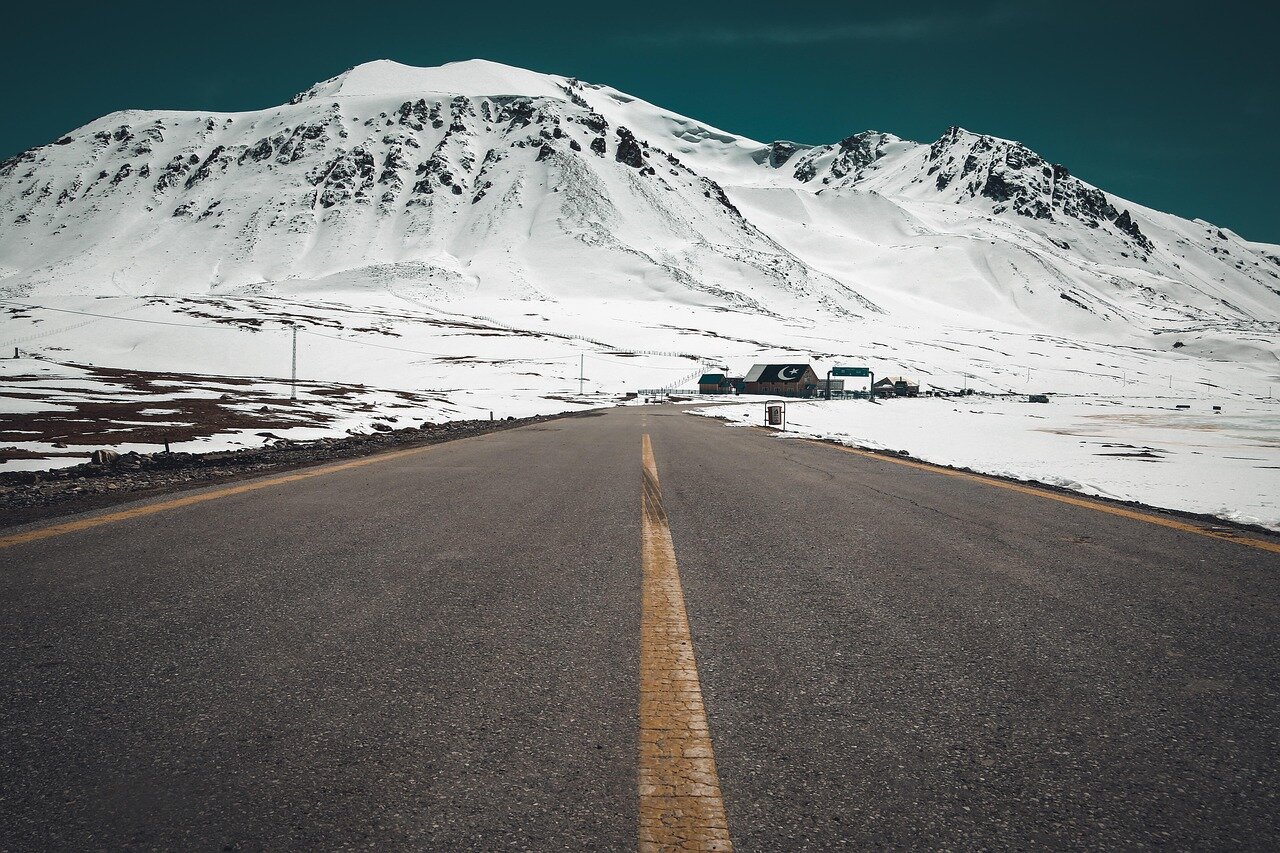
Understanding the historical tensions between Pakistan and Afghanistan
The relationship between Pakistan and Afghanistan has been fraught with conflict and mistrust for decades, rooted in a complex interplay of historical grievances, ethnic divisions, and geopolitical interests. The partition of British India in 1947 created Pakistan, which claimed territories that Afghanistan considered part of its own sphere of influence. This territorial dispute has been a major source of tension, particularly regarding the Pashtun-dominated areas along the border.
Throughout the Cold War, the dynamics shifted as both countries became pawns in larger geopolitical games. The Soviet invasion of Afghanistan in 1979 led to a significant influx of Afghan refugees into Pakistan, further straining relations. Pakistan’s support for the Mujahideen fighters during this period solidified its influence in Afghanistan, but it also fostered a sense of animosity among Afghans who viewed Pakistan as an interloper in their internal affairs.
The Rise of the Taliban and Cross-Border Conflicts
The emergence of the Taliban in the 1990s marked another turning point in Pakistan-Afghanistan relations. While Pakistan initially supported the Taliban as a means to establish a friendly regime in Kabul, the group’s harsh rule and subsequent harboring of terrorist groups led to increased tensions. Following the U.S. invasion of Afghanistan in 2001, Pakistan’s role as a key ally of the U.S. complicated its relationship with Afghanistan, as many Afghans accused Pakistan of continuing to support the Taliban and other insurgent groups.
In recent years, cross-border airstrikes and military operations have intensified, particularly as both nations grapple with the resurgence of the Taliban and other militant groups. The Pakistani military has conducted operations against these groups within its own borders, often citing the need to secure its territory from Afghan-based militants. However, these actions have frequently resulted in civilian casualties in Afghanistan, exacerbating historical grievances and fueling further conflict.

They highlight the fragile security situation and the complex web of alliances and enmities that continue to shape the relationship between Pakistan and Afghanistan, drawing parallels to the issues observed in other regions, such as when foreign interventions create turmoil.
Key stakeholders and their interests in the ongoing conflict
The recent airstrikes by Pakistani forces in eastern Afghanistan have intensified an already complex situation involving multiple stakeholders. Understanding the interests of these actors is crucial for grasping the broader implications of this conflict.
At the forefront are the Pakistani government and military, who view these airstrikes as a means to combat militant groups that threaten their national security. Their primary interest lies in eliminating cross-border terrorism, which they believe is facilitated by safe havens in Afghanistan.
On the other side, the Afghan government, led by President Ashraf Ghani, is deeply concerned about the sovereignty of its territory and the impact of foreign military actions on its stability. The Afghan leadership seeks to assert control and legitimacy in the face of external interventions, which complicates their relationship with Pakistan.
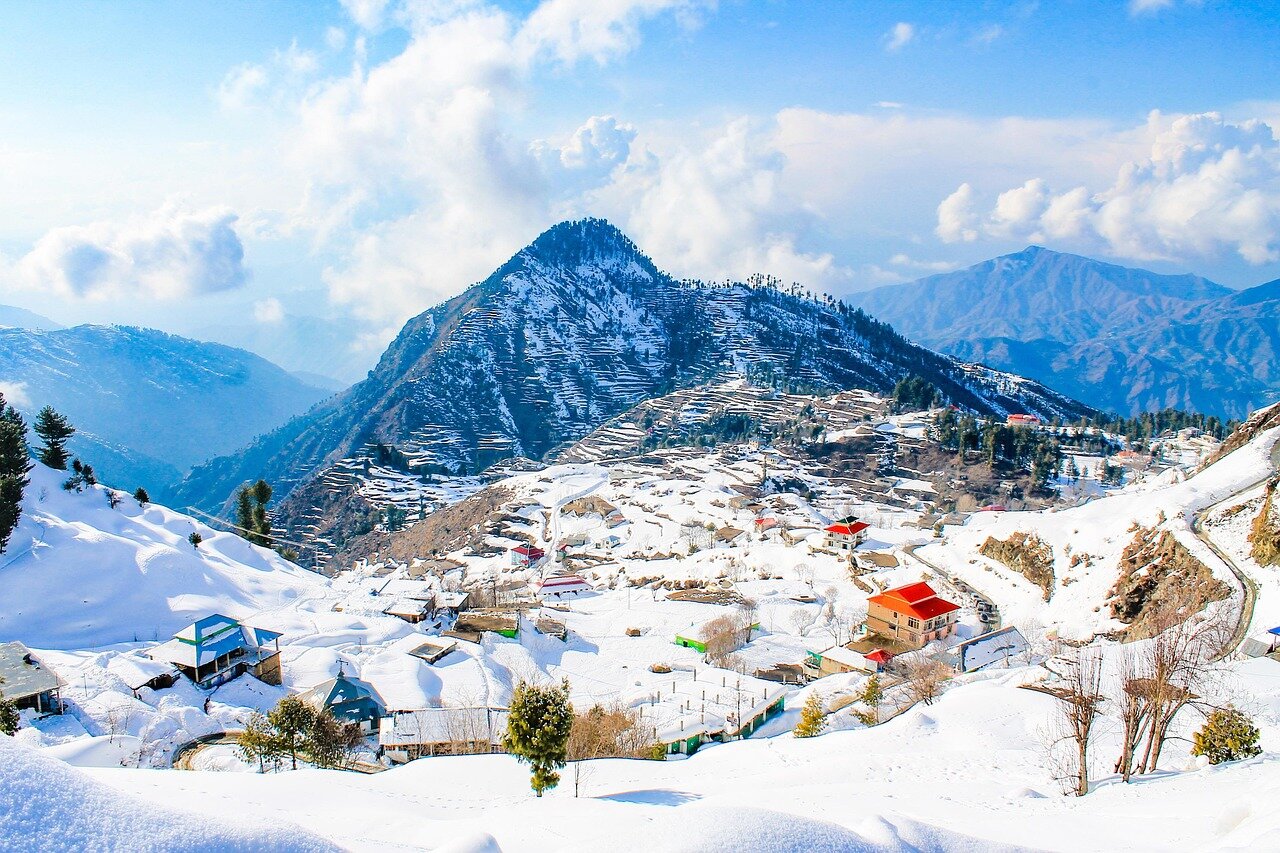
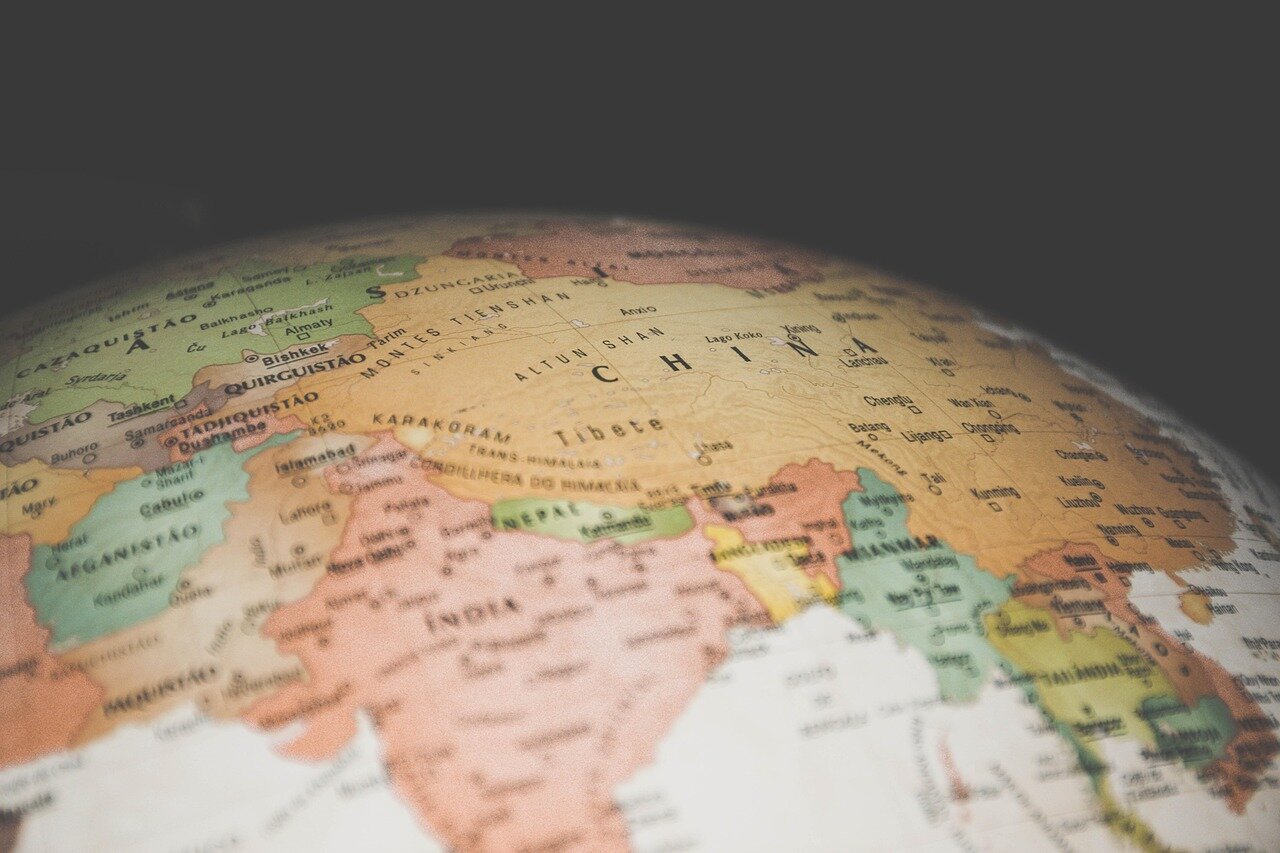
Additionally, international stakeholders, including the United States and regional powers like India and China, have vested interests in the outcome of this conflict. The U.S. aims to stabilize Afghanistan as part of its broader counter-terrorism strategy, while India is concerned about Pakistan’s influence in the region. China, on the other hand, is interested in maintaining stability for its Belt and Road Initiative projects.
- Security concerns: Pakistan aims to eliminate threats from militant groups operating in Afghanistan.
- Sovereignty issues: Afghanistan seeks to maintain its territorial integrity against foreign military actions.
- International dynamics: The U.S. and other nations have strategic interests that influence their positions on the conflict.
- Regional power balance: India and China play significant roles in shaping the geopolitical landscape of South Asia.
- Humanitarian impact: Civilian casualties raise significant ethical concerns and complicate the narrative of the conflict.
The humanitarian crisis resulting from the airstrikes
The recent airstrikes by Pakistani forces in eastern Afghanistan have had devastating effects on various groups and communities in the region. Primarily, civilians, including women and children, have been directly impacted, leading to a significant humanitarian crisis. Additionally, local businesses and the agricultural sector are facing severe disruptions, which will have a ripple effect on the economy.
In the short term, the immediate aftermath of the airstrikes has resulted in a heightened state of fear and instability among the local population. Many families are displaced, leading to overcrowded shelters and a strain on already limited resources. This displacement will likely disrupt daily life, as access to food, healthcare, and education becomes increasingly difficult.
Mid-term impacts may include a deterioration of local economies. Small businesses that rely on community stability are likely to suffer losses due to decreased consumer confidence and reduced spending. The agricultural sector, which is critical for local livelihoods, may also face challenges as farmers are unable to tend to their fields or access markets due to insecurity.
- Displacement of civilians: Increased number of refugees and internally displaced persons (IDPs).
- Economic instability: Local businesses may close, leading to job losses.
- Healthcare crisis: Strain on medical facilities due to increased casualties and lack of resources.
While the situation presents significant risks, there may also be potential opportunities for humanitarian organizations and international aid groups to provide assistance. Increased awareness of the crisis could lead to more funding and resources being allocated to help those affected. Additionally, regional governments may be prompted to reassess their policies towards conflict resolution and humanitarian aid in the wake of such tragedies.
A: The airstrikes were reportedly a response to ongoing security threats from militant groups operating in eastern Afghanistan, which Pakistan claims are targeting its territory. A: Initial reports indicate that dozens of civilians have been killed, with numbers varying based on different sources, highlighting the chaos in the region. A: The international community has expressed concern over the airstrikes, urging both countries to engage in dialogue to prevent further escalation. A: Yes, several NGOs and international organizations are mobilizing to provide aid to affected civilians, but access remains a significant challenge. A: The airstrikes could exacerbate tensions between Pakistan and Afghanistan, potentially leading to further violence and instability in the region.
Frequently asked questions about the airstrikes
Looking ahead: potential implications and resolutions
The recent airstrikes in eastern Afghanistan have raised significant concerns regarding regional stability and the humanitarian situation on the ground. As the death toll rises, the implications for both Afghanistan and Pakistan could be profound, potentially affecting diplomatic relations and security dynamics in the region. Observers will need to monitor how these events influence local governance, militant activity, and international responses.
In the coming weeks, the focus will likely shift towards assessing the humanitarian impact and the potential for renewed conflict. The international community may be called upon to mediate and provide assistance, while local leaders will need to navigate the delicate balance between security and civilian safety. The response from neighboring countries and global powers will also play a critical role in shaping the future landscape of the region.
- Increased tensions: Watch for potential escalations in military activity along the Afghanistan-Pakistan border.
- Humanitarian crisis: Expect a surge in humanitarian needs as civilian casualties rise and displacement increases.
- International response: Monitor how global powers and organizations respond to the situation, particularly in terms of diplomatic efforts and aid.
- Local governance challenges: Assess how Afghan local authorities manage the fallout and respond to public sentiment regarding security.
- Militant activity: Keep an eye on potential increases in militant operations in response to the airstrikes.