


In addition to the excitement surrounding new albums, fans are speculating about the possibility of Oasis reuniting for a performance at Knebworth, a venue synonymous with their legendary concerts in the 1990s. Recent comments from band members have reignited hopes, with Noel Gallagher hinting that discussions are taking place, although no official announcement has been made. This uncertainty has led to widespread interest and debate among fans and music critics alike.
The potential reunion of Oasis could mark a significant moment in music history, especially considering their impact on the Britpop movement and the lasting legacy of their Knebworth shows in 1996, which drew over 250,000 fans. If the band were to perform again, it would not only celebrate their past but also introduce their music to a new generation of listeners. This aspect adds an intriguing layer to the current music landscape.
With album releases and potential live performances intersecting, the coming weeks promise to be pivotal for both fans and artists. The excitement surrounding new music combined with the nostalgia of a possible Oasis reunion creates a dynamic atmosphere in the music scene. As dates approach, industry insiders and fans alike will be watching closely to see how these developments unfold.
Understanding the significance of Knebworth in music history
Knebworth has long been a hallowed ground for live music, serving as the backdrop for some of the most iconic performances in British rock history. The venue is perhaps best known for hosting Oasis in 1996, where they played to over 250,000 fans across two nights. This event not only solidified Oasis’s status as one of the leading bands of the Britpop era but also marked a cultural moment that encapsulated the spirit of the 1990s in the UK.

The significance of Knebworth extends beyond just this one performance; it symbolizes the peak of the Britpop movement, which saw bands like Blur, Pulp, and Suede rise to prominence. This period was characterized by a sense of national pride and a revival of British music, contrasting with the grunge movement that had dominated the early 1990s. Knebworth became a landmark for fans and musicians alike, representing a time when British music was at the forefront of global culture.
In recent years, there has been a resurgence of interest in the Knebworth concerts, particularly as nostalgia for the 90s has grown. The potential for another Oasis reunion has sparked debates among fans and critics, with many speculating whether the band could recreate the magic of their previous performances. This speculation is fueled by the ongoing trend of legacy acts returning to the stage, often drawing in new audiences while celebrating their storied pasts.
The Legacy of Oasis and Future Prospects
Oasis’s impact on music and popular culture is undeniable, and their Knebworth concerts remain a defining moment in their legacy. As the music industry evolves, the possibility of new albums from both Oasis and its former members continues to excite fans. The question of whether Oasis will return to Knebworth is intertwined with the band’s history, their relationships, and the ever-changing landscape of the music scene, making it a topic of ongoing interest and speculation.
Key stakeholders and the impact of new music releases
The music industry is a complex ecosystem involving various stakeholders, each with their own interests and motivations. Key players include artists, record labels, streaming platforms, and concert promoters. As new albums are released, these stakeholders must navigate a landscape shaped by consumer preferences, technological advancements, and economic factors.
Artists, such as those from iconic bands like Oasis, are primarily concerned with their creative output and the commercial success of their music. Their interests often align with those of record labels, which seek to maximize profits through album sales, streaming revenue, and merchandise. However, conflicts can arise when artists feel constrained by label decisions or when there are disagreements over creative direction.
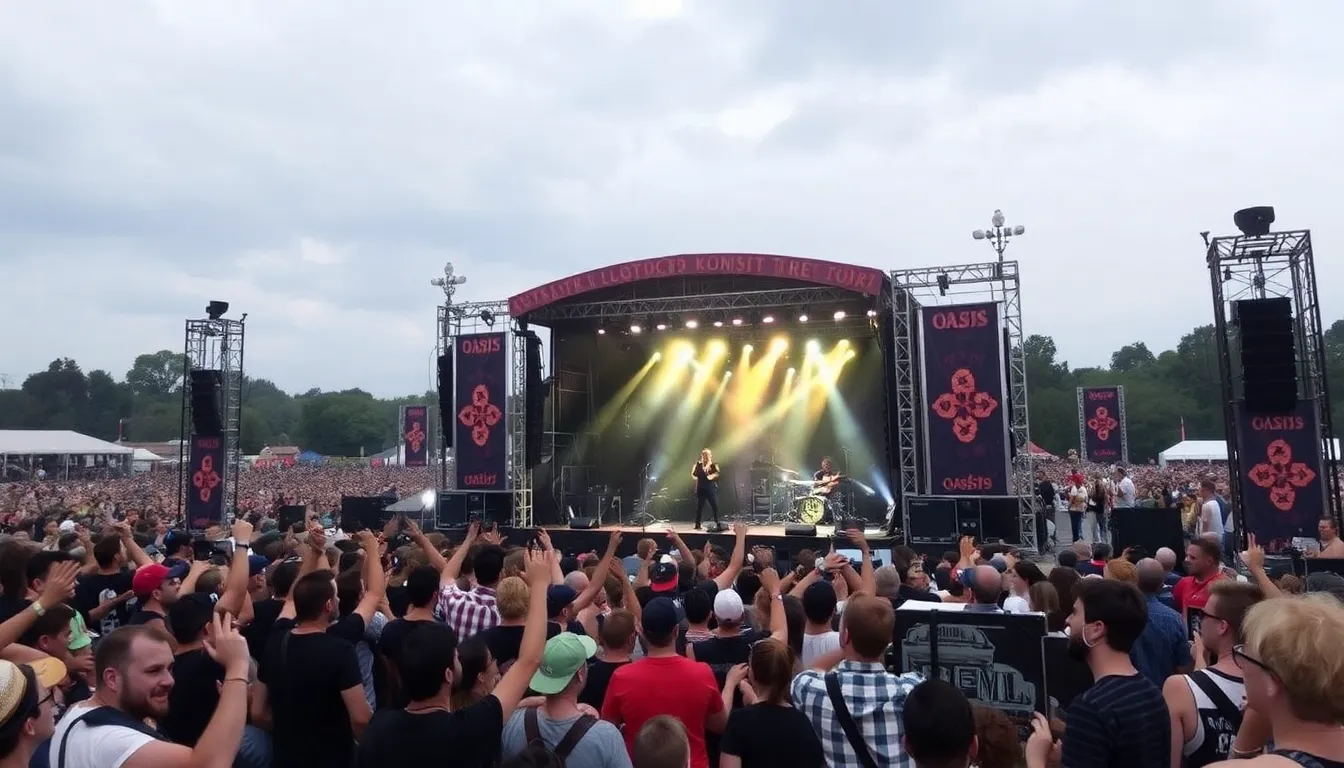
Streaming platforms like Spotify and Apple Music play a crucial role in the distribution of new music. These platforms have transformed how music is consumed, impacting traditional sales models. While they offer artists exposure to a global audience, they also lead to concerns over fair compensation. The economic trade-offs between streaming revenues and physical album sales continue to be a contentious issue within the industry.
Concert promoters and venues, such as those involved in the potential Knebworth reunion for Oasis, are also significant stakeholders. They are interested in the profitability of live events, which can be influenced by an artist’s current popularity and the demand for their new music. The logistics of organizing large-scale events, along with regulatory considerations and safety protocols, add layers of complexity to their operations.
- Artists seek creative freedom while balancing commercial viability.
- Record labels aim for profitability but may clash with artist interests.
- Streaming platforms reshape revenue models, raising compensation debates.
- Concert promoters focus on event success amidst logistical challenges.
- Fan expectations and nostalgia play a significant role in reunion dynamics.
How these developments affect fans and the music market
The recent announcements of new albums from various artists, coupled with speculation about Oasis potentially reuniting for a performance at Knebworth, have significant implications for multiple groups. Fans of these artists, particularly those who have been eagerly waiting for new material, are directly impacted. The excitement surrounding new releases can invigorate fan communities and increase engagement through social media and live events.
In the music industry, record labels and streaming services stand to benefit from the increased attention and sales that new album releases generate. This can lead to a short-term spike in revenue as fans rush to purchase or stream their favorite artists’ latest work. Additionally, merchandise sales often see a boost during these periods, as fans look to support their favorite artists through various channels.
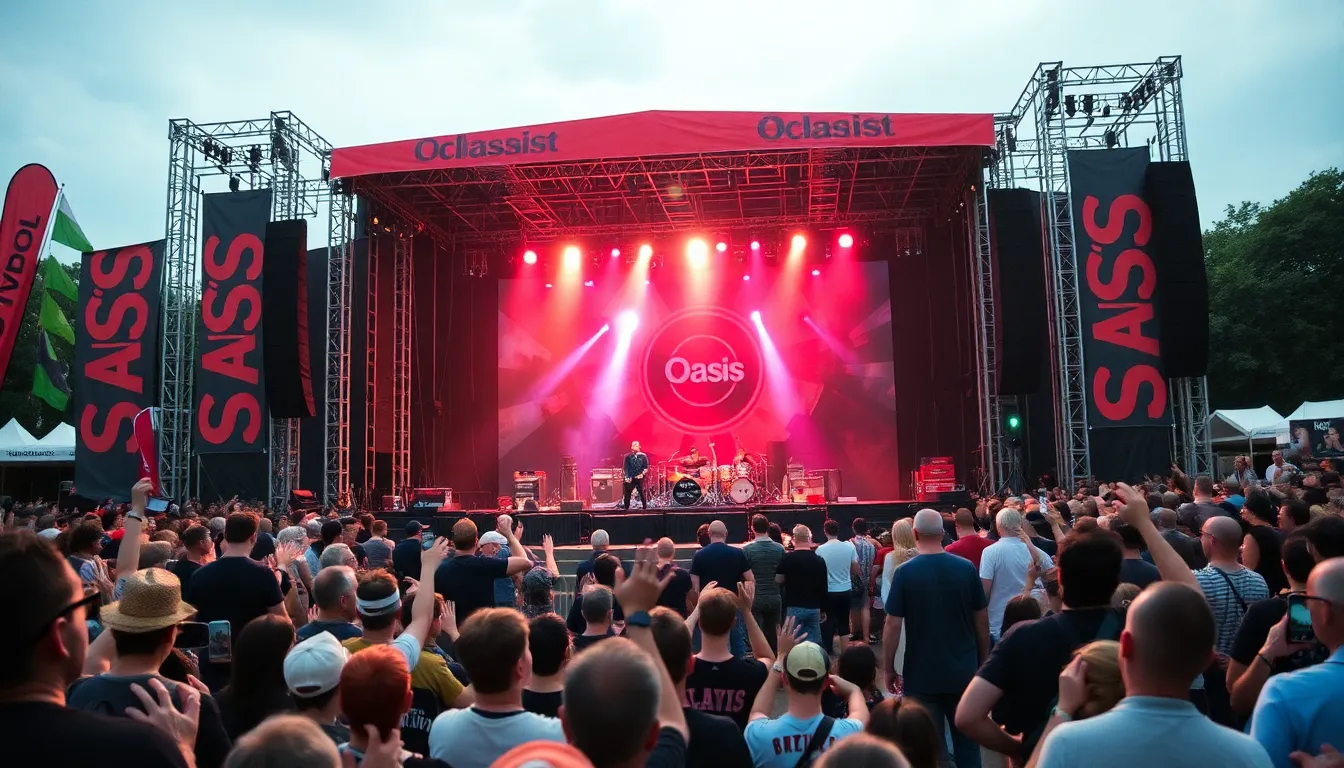
However, there are also risks involved. The music market is highly competitive, and the saturation of new releases can dilute the impact of individual albums. If Oasis does decide to play Knebworth, the logistical challenges of organizing such a large-scale event could pose risks for both the band and the promoters. Potential issues include ticketing disputes, crowd management, and the financial implications of a large-scale production.
- Short-term impacts: Increased sales and streaming numbers, heightened fan engagement.
- Mid-term impacts: Potential for new tours, merchandise sales, and renewed interest in classic albums.
- Risks: Market saturation, logistical challenges, and financial uncertainties.
- Opportunities: Revitalization of fan communities, increased visibility for emerging artists, and potential collaborations.
Regional impacts may also be felt, particularly in areas where concerts and events are held. Local economies can benefit from increased tourism and spending associated with live performances. Conversely, if events do not go as planned, there could be negative repercussions for local businesses that rely on concert-goers for revenue.
A: Several prominent artists are set to release new albums, including major names in pop and rock. Fans can expect a diverse range of music styles and themes. A: As of now, there has been no official confirmation from Oasis regarding a performance at Knebworth. However, rumors and fan hopes are high. A: Knebworth is famously known for hosting Oasis’s iconic concerts in the 1990s, which drew massive crowds and solidified their status in rock history. A: New album releases can significantly influence sales trends, streaming numbers, and overall market dynamics. They often rejuvenate interest in the genre and attract new listeners. A: Information about upcoming album releases can be found on music news websites, streaming platforms, and social media channels of the artists.
Frequently asked questions about new albums and Oasis
Key insights and future outlook on music releases and Oasis
The music landscape is poised for noteworthy transformations as several prominent artists gear up to release new albums. This influx of new music not only reflects the evolving tastes of audiences but also underscores the competitive nature of the industry. Additionally, the speculation surrounding Oasis’s potential performance at Knebworth adds another layer of excitement for fans, hinting at a possible revival of iconic live music experiences.
As the industry adapts to changing dynamics, key trends will emerge that could shape the future of music releases and live performances. Observing how these developments unfold will provide valuable insights into the direction of the music scene.
- Monitor the release schedules of major artists to gauge shifts in musical trends and audience preferences.
- Keep an eye on fan reactions and ticket sales related to potential Oasis performances, as they could signal a resurgence of interest in classic bands.
- Watch for collaborations between established artists and newcomers, which may redefine genres and expand listener demographics.
- Anticipate how streaming platforms will adapt to the influx of new music, potentially influencing promotional strategies for album launches.
- Consider the impact of live performances on album sales, especially in light of the ongoing recovery from pandemic-related restrictions.