


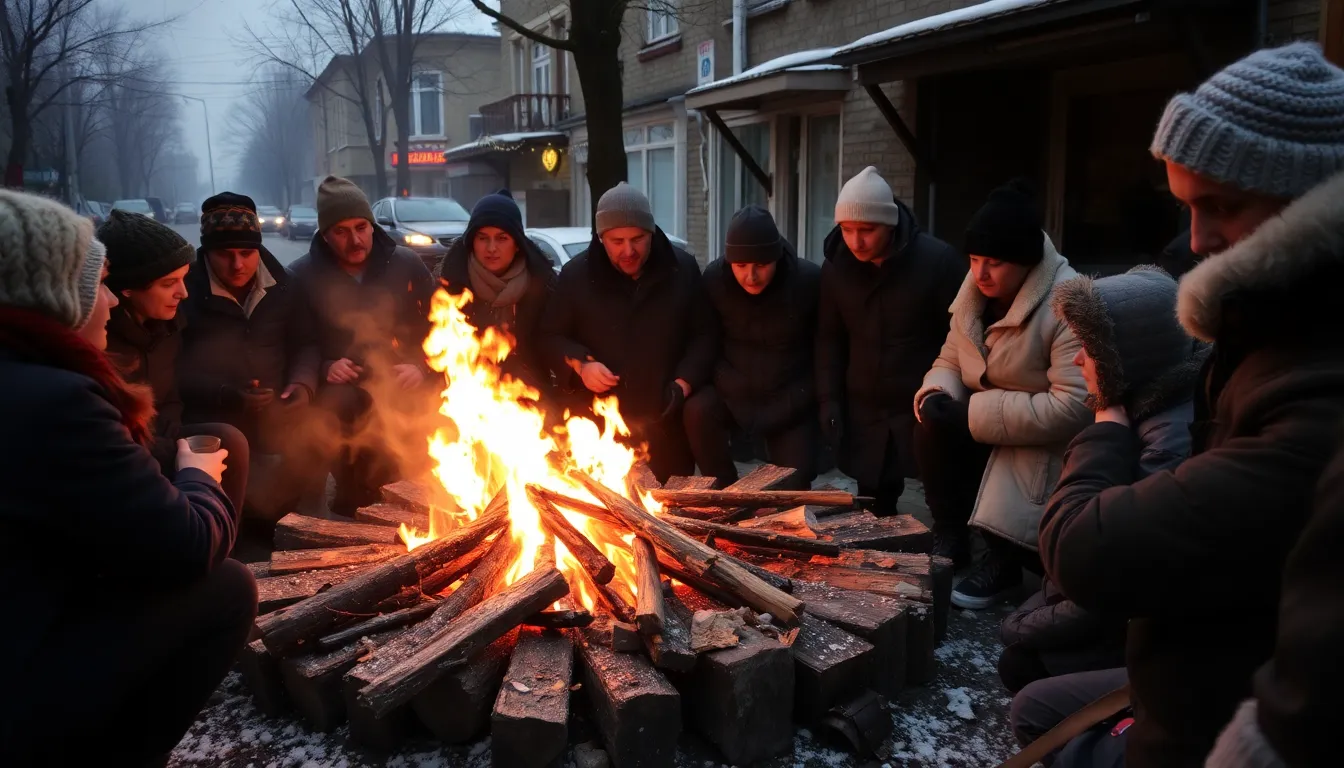
As of December 2023, reports indicate that approximately 40% of Ukraine’s energy infrastructure has been severely damaged or destroyed. This has forced local authorities to implement emergency measures, including the establishment of warming centers in various cities. However, these centers are often overwhelmed, and many residents are still unable to access them due to mobility challenges or fear of airstrikes. To understand the broader impact of such crises, it is essential to look at Europe facing challenges from prolonged wet weather and freezing temperatures.
The Ukrainian government, along with international partners, is working to restore heating systems and provide alternative heating solutions, such as wood stoves and electric generators. However, the scale of the destruction poses significant challenges, and many communities are facing shortages of fuel and resources. This situation is particularly dire in the eastern regions, where the conflict has been most intense.
As temperatures plummet, the humanitarian implications are profound. Vulnerable populations, including the elderly and families with young children, are at heightened risk of health issues related to hypothermia and respiratory illnesses. The lack of adequate heating not only threatens physical well-being but also exacerbates the psychological toll of the ongoing conflict.
The historical context of energy supply issues in Ukraine
Ukraine has long been at the crossroads of energy politics, primarily due to its geographical location between Russia and Europe. Historically, the country has relied heavily on Russian gas supplies, which has created a complex and often contentious relationship. The dissolution of the Soviet Union in 1991 marked the beginning of Ukraine’s independence, but it also set the stage for ongoing disputes over energy resources, pricing, and supply security.
In the early 2000s, Ukraine faced several gas crises, notably in 2006 and 2009, when disputes between Russia and Ukraine led to significant disruptions in gas supplies to Europe. These events highlighted Ukraine’s vulnerability and dependence on external sources for its energy needs. In response, the government began to seek diversification of its energy sources, including investments in renewable energy and efforts to integrate more closely with European energy markets.
The impact of the 2014 conflict
The situation escalated dramatically following the 2014 annexation of Crimea by Russia and the subsequent conflict in Eastern Ukraine. These events not only intensified the geopolitical struggle but also severely affected Ukraine’s energy infrastructure. Many coal mines and power plants located in conflict zones became inoperable, leading to a significant drop in domestic energy production.
In the wake of the conflict, Ukraine has had to grapple with the dual challenges of maintaining energy security and managing the economic fallout. The government implemented various reforms aimed at reducing energy consumption and increasing efficiency, but these measures have not fully mitigated the impact of the ongoing conflict and the loss of critical energy resources.
As winter approaches, the situation has become increasingly dire for many Ukrainians. The combination of damaged infrastructure, ongoing hostilities, and economic strain has left a significant portion of the population without adequate heating. This crisis underscores the urgent need for both immediate relief efforts and long-term solutions to ensure energy independence and stability for Ukraine.
Key stakeholders and their roles in addressing heating shortages
As Ukraine faces severe heating shortages due to ongoing conflict and infrastructure challenges, various stakeholders play crucial roles in managing the crisis. These include the Ukrainian government, international organizations, local NGOs, and the affected communities themselves. Each actor has distinct interests and responsibilities, which often lead to complex interactions and conflicts. A significant aspect is the role of local NGOs, which have been crucial in grassroots responses, akin to the efforts discussed in reports indicating most smart motorways are not value for money.
The Ukrainian government is primarily responsible for ensuring the provision of essential services, including heating. This involves coordinating repairs to damaged infrastructure and securing funding for energy imports. However, the government faces significant challenges, such as limited resources and the need to prioritize military spending over civilian needs. This creates a trade-off between immediate humanitarian assistance and long-term national security.
International organizations, such as the United Nations and the European Union, are also key players in this crisis. They aim to provide humanitarian aid and support infrastructure rebuilding. Their involvement often comes with conditions that require transparency and accountability, which can sometimes conflict with local governance structures. Additionally, these organizations must navigate the geopolitical implications of their aid, balancing support for Ukraine with relations to other countries.
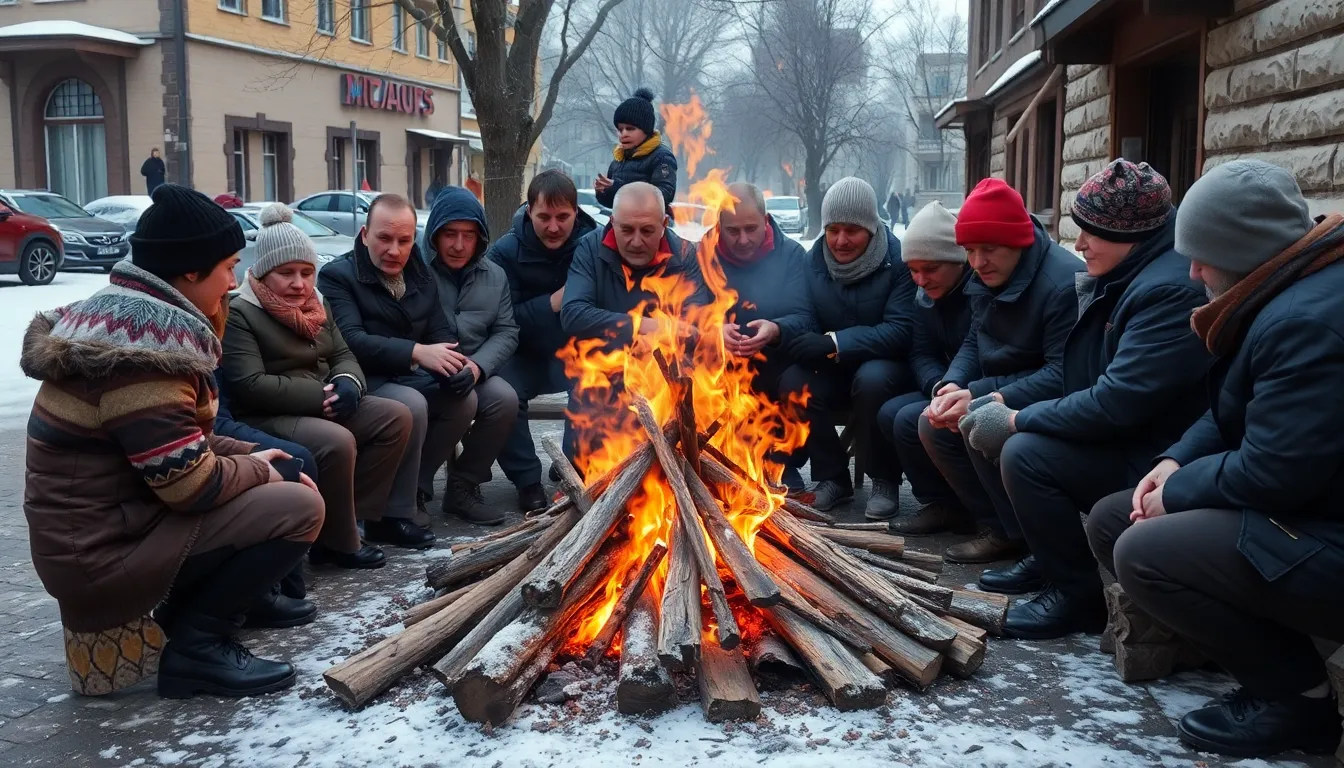
Local NGOs and community groups play a vital role in grassroots responses to heating shortages. They often provide direct assistance, such as distributing blankets and portable heaters, while also advocating for policy changes. However, their efforts can be hampered by bureaucratic obstacles and a lack of funding. These organizations must also manage relationships with both the government and international bodies, which can lead to conflicting priorities, not unlike the complex dynamics explored in Exploring the Surreal Horror of Lord of the Flies.
- The Ukrainian government prioritizes military funding over civilian heating needs, causing tension in resource allocation.
- International organizations face challenges in balancing aid with political considerations, impacting their effectiveness.
- Local NGOs often struggle for funding and bureaucratic support, limiting their ability to respond swiftly.
- Communities are caught in the middle, facing immediate heating crises while navigating the complexities of aid distribution.
- Infrastructure damage from conflict complicates the restoration of heating systems, prolonging the crisis.
The impact of heating shortages on health and well-being
The ongoing heating shortages in Ukraine have profound implications for various groups, particularly vulnerable populations such as the elderly, children, and those with pre-existing health conditions. These individuals are at a higher risk of suffering from cold-related illnesses, which can exacerbate existing health issues and lead to increased mortality rates during the harsh winter months.
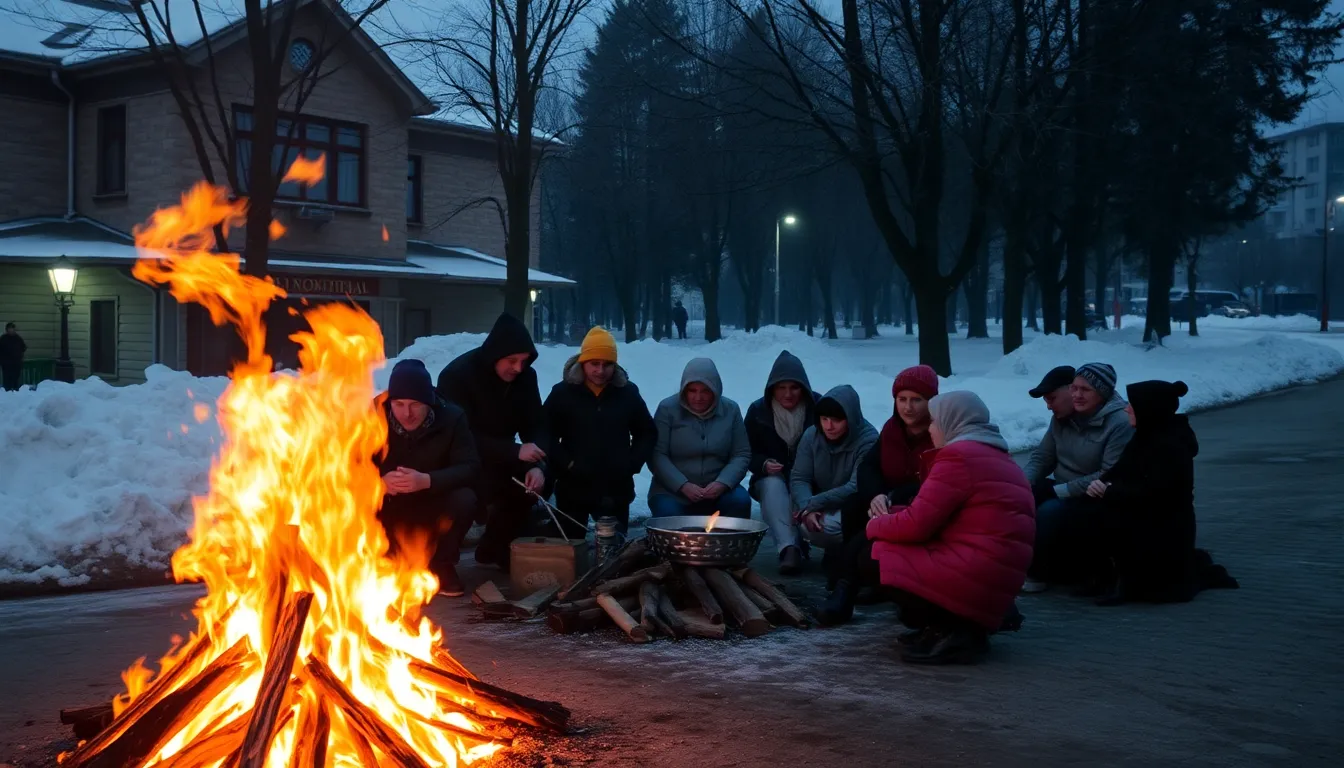
Regions heavily impacted include rural areas where infrastructure is less developed and urban centers where energy resources are stretched thin. The lack of adequate heating not only affects individual households but also disrupts local businesses, particularly those reliant on foot traffic, such as restaurants and retail shops. The hospitality sector is particularly vulnerable, facing decreased patronage as people stay home to avoid the cold.
In the short term, the immediate effects are a rise in health-related emergencies and increased pressure on healthcare systems. Hospitals may find themselves overwhelmed with cases of hypothermia and respiratory issues. Additionally, schools face closures or reduced attendance as families prioritize safety and warmth over education, leading to long-term educational setbacks.
- Increased health risks for vulnerable populations
- Disruption to local businesses and economic activity
- Potential for increased government intervention and policy changes
- Opportunities for innovation in energy solutions and community support initiatives
In the mid-term, the economic impact could lead to shifts in policy as the government may need to allocate more resources to energy infrastructure and social support programs. This situation presents both risks and opportunities; while the immediate threat is significant, there is potential for innovation in renewable energy and community-driven solutions that can emerge from this crisis. Local organizations may find new ways to mobilize resources and assist those in need, fostering a sense of solidarity among communities.
A: Many Ukrainians are using alternative heating methods such as electric space heaters, wood stoves, and blankets to stay warm. Community centers are also offering warm spaces for those in need. A: Prolonged exposure to cold can lead to serious health issues such as hypothermia, respiratory problems, and increased risk of heart attacks. Vulnerable populations, including the elderly and children, are particularly at risk. A: The Ukrainian government is working on providing assistance through emergency heating supplies and financial aid for families struggling to cope. However, the effectiveness and reach of these programs vary. A: Many communities are coming together to share resources, such as food and heating supplies. Local organizations are also coordinating efforts to provide warmth and shelter to those in need. A: Individuals can donate to local charities, volunteer at shelters, or check on neighbors who may be struggling to stay warm. Every bit of support can make a significant difference.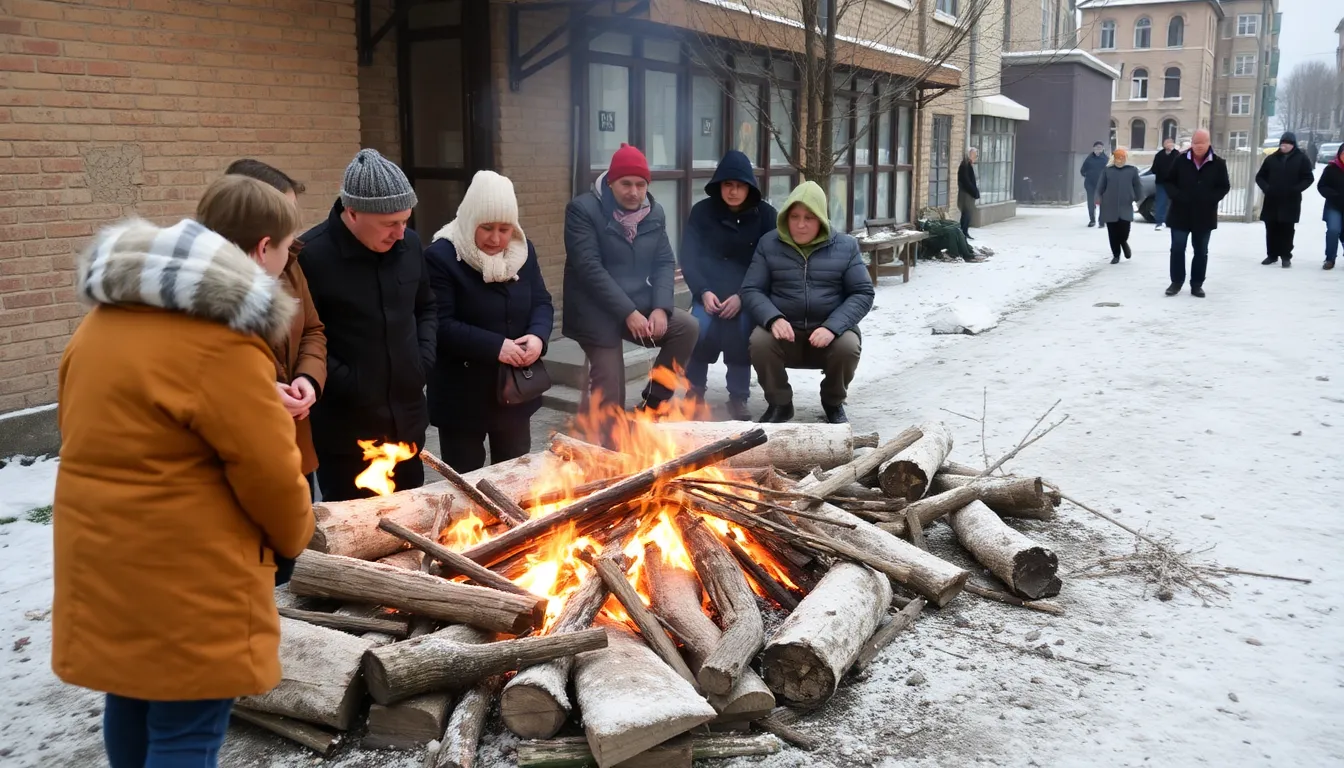
Frequently asked questions about coping without heat
Looking ahead: the future of heating in Ukraine
As Ukraine continues to navigate the challenges posed by the ongoing conflict, the resilience of its citizens in coping without adequate heating has become evident. The innovative solutions and community-driven efforts showcased during this crisis highlight a potential shift in how energy resources are utilized and prioritized. The experiences of Ukrainians may not only influence domestic policy but could also serve as a blueprint for other regions facing similar challenges.
Moving forward, it will be crucial to monitor the development of alternative heating methods and the role of international support in rebuilding infrastructure. The lessons learned from this period may pave the way for more sustainable and efficient energy practices, fostering greater self-sufficiency and resilience against future adversities.
- Community Collaboration: The importance of local networks in sharing resources and knowledge will be key in overcoming heating challenges.
- Innovation in Energy Solutions: The adoption of alternative heating technologies, such as solar and biomass, may gain traction as communities seek sustainable options.
- Government Policy Adaptation: Increased focus on energy efficiency and infrastructure repair will likely emerge as a priority in the post-conflict recovery phase.
- International Aid and Investment: Continued support from global partners could play a significant role in restoring and modernizing Ukraine’s energy systems.
- Public Awareness and Education: Enhancing knowledge about energy conservation and alternative heating methods will empower individuals and communities in their recovery efforts.