


The recent resurgence of interest in the story has been fueled by various adaptations, including the 1990 film directed by Harry Hook, which featured actors such as Balthazar Getty and Chris Furrh. These adaptations have sparked debates about the themes of power, fear, and the loss of innocence, highlighting how the text remains a potent exploration of humanity’s capacity for violence. For more insights on adaptations of literary works, check out related articles.
Moreover, educational institutions continue to include the novel in their curricula, prompting students to engage with its unsettling themes. The ongoing relevance of Golding’s work is underscored by its frequent references in popular culture, including films, television shows, and literature, which examine similar themes of survival and moral ambiguity.
As society grapples with issues such as political unrest and social division, the lessons from this classic tale serve as a stark warning. The visceral horror experienced by both characters and readers alike underscores the fragility of civilization and the potential for darkness that lies within us all, a theme echoed in contemporary discussions around societal issues.
Understanding the background of William Golding’s novel
Published in 1954, William Golding’s “Lord of the Flies” emerged during a period marked by significant global upheaval. The aftermath of World War II had left many questioning the nature of humanity, civilization, and morality. The horrors of the war, along with the rise of totalitarian regimes and the onset of the Cold War, painted a bleak picture of human potential. Golding, a former teacher and naval officer, drew upon his experiences and observations of human behavior to craft a narrative that explores the darkness within humanity.

Golding’s novel is often interpreted as a commentary on the inherent savagery that lies beneath the veneer of civilization. The story follows a group of boys stranded on a deserted island, where their attempts to govern themselves descend into chaos and violence. This descent mirrors the broader societal anxieties of the time, reflecting fears that without the constraints of society, humanity would revert to barbarism. The novel serves as a stark reminder of the fragility of order and the ease with which civilization can collapse.
Another critical aspect of the context surrounding “Lord of the Flies” is the rise of psychological theories in the mid-20th century. The works of Sigmund Freud and others contributed to a growing understanding of the human psyche, emphasizing the conflict between primal instincts and social order. Golding’s portrayal of the boys’ transformation from innocent children to savage hunters echoes these psychological insights, suggesting that the capacity for evil is a fundamental part of human nature, much like the complexities tackled in modern psychological examinations.
The Impact of Post-War Literature
The literary landscape of the post-war era also played a significant role in shaping “Lord of the Flies.” Authors like George Orwell and J.D. Salinger explored themes of alienation, moral ambiguity, and the human condition, paving the way for Golding’s exploration of similar themes. The novel’s publication coincided with a growing interest in existentialism and the questioning of traditional moral values, further enhancing its relevance and impact. As readers grappled with the complexities of human nature and societal structures, Golding’s work resonated deeply, solidifying its status as a classic of modern literature.
Key issues and character dynamics in the story
In “Lord of the Flies,” the primary actors are the boys stranded on the deserted island, each representing different aspects of human nature and societal structure. Key characters include Ralph, who symbolizes order and leadership; Jack, who embodies savagery and the desire for power; and Piggy, who represents intellect and reason. Their conflicting interests create a complex web of dynamics that drive the narrative forward.
The central conflict arises from the struggle between civilization and savagery. Ralph and Piggy advocate for maintaining order and focusing on rescue, while Jack prioritizes hunting and the primal instincts of survival. This divergence leads to significant trade-offs, as the boys must choose between the safety of structured society and the allure of unrestrained freedom.

Legal and economic issues also surface in the form of resource management and governance. The boys must establish rules and share responsibilities, yet the lack of a formal authority system results in chaos. The tension escalates as Jack’s tribe begins to hoard resources, leading to further divisions and conflict among the group.
- Leadership struggles: Ralph’s democratic approach clashes with Jack’s authoritarian rule.
- Moral dilemmas: The boys face choices that test their humanity against their primal instincts.
- Resource scarcity: Competition for food and shelter exacerbates tensions and conflicts.
- Fear and hysteria: The boys’ fear of the unknown leads to irrational behavior and violence.
- Loss of innocence: The descent into savagery marks a critical turning point in their moral development.
This analysis of character dynamics and the surrounding issues highlights the broader themes of human nature and societal breakdown, offering readers insight into the psychological and social commentary embedded within the narrative.
How Lord of the Flies influences readers and society
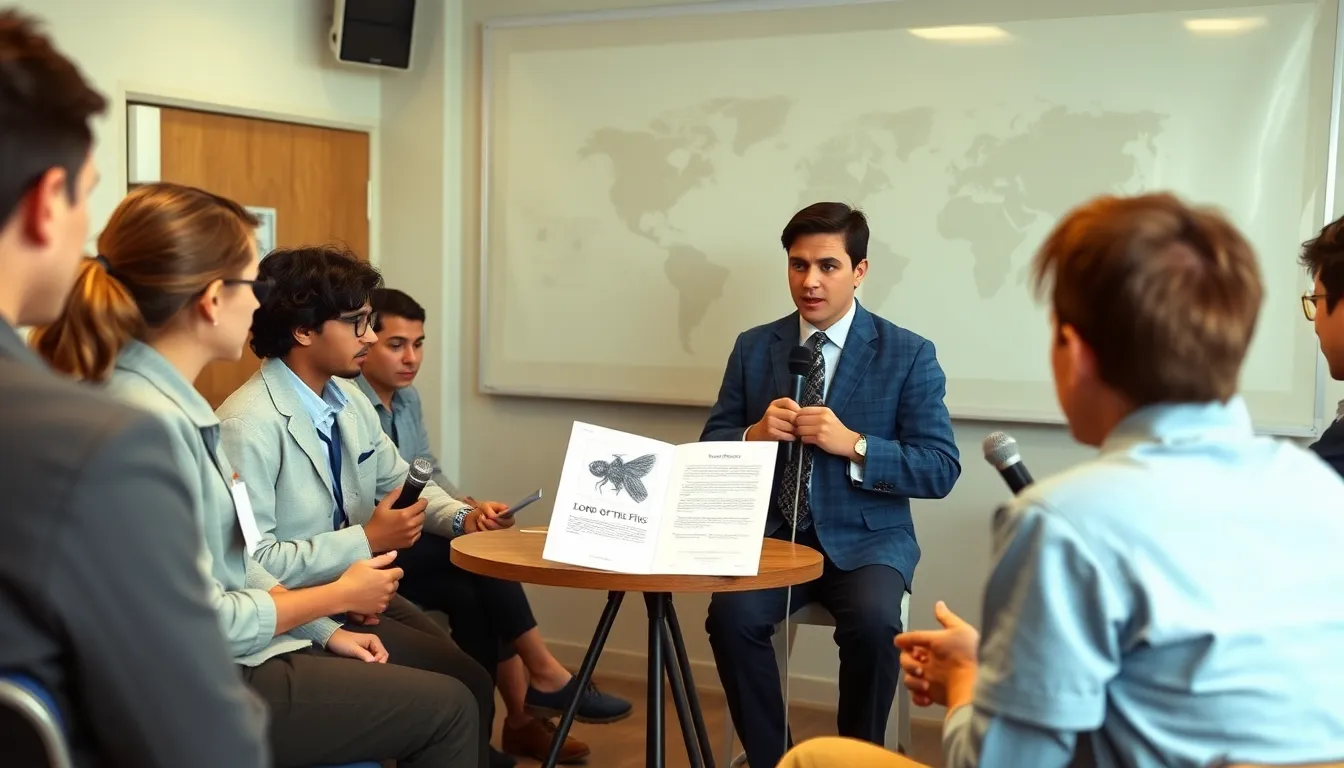
William Golding’s “Lord of the Flies” resonates deeply with various groups, particularly educators, students, and literary critics. Its exploration of human nature and societal breakdown serves as a poignant reminder of the darker aspects of humanity. As a result, the book has significant implications for educational curriculums and discussions around morality, governance, and psychological behavior.
In the short term, the novel can provoke intense emotional reactions among readers, leading to discussions in classrooms and book clubs that may challenge prevailing societal norms. This can foster a greater awareness of the complexities of human behavior, encouraging critical thinking and empathy. However, it may also expose individuals to unsettling themes, potentially impacting mental well-being.
In the mid-term, industries such as publishing and education may see shifts in how literature is approached. Schools might incorporate more psychological and philosophical analysis into their curricula, allowing for a richer understanding of character motivations and moral dilemmas. This could lead to increased demand for related educational materials and resources, benefiting publishers and educational institutions.
- Risks: Increased exposure to disturbing themes may lead to anxiety or discomfort among students.
- Opportunities: Enhanced discussions around leadership, ethics, and group dynamics can lead to more informed future leaders.
- Risks: Misinterpretation of the text could lead to nihilistic viewpoints among certain readers.
- Opportunities: The novel can inspire creative adaptations in film and theater, expanding its reach and impact.
Regions with a strong emphasis on literary education may see a resurgence in interest in classic literature, prompting local bookstores and libraries to host events or discussions centered around the themes of “Lord of the Flies.” This could stimulate community engagement and support for the arts, highlighting the ongoing relevance of Golding’s work in contemporary society.
A: The main theme revolves around the inherent evil within humanity and the breakdown of civilization when societal norms are stripped away. A: The book is considered horror due to its depiction of violence, savagery, and the psychological terror experienced by the characters. A: The isolated island setting amplifies the sense of dread and helplessness, creating a surreal backdrop for the unfolding chaos. A: Lord of the Flies has influenced countless works in literature and psychology, often being referenced in discussions about human nature and morality. A: Yes, there are several film adaptations of Lord of the Flies, each interpreting the novel’s themes in different ways.
Frequently asked questions about the novel
Key takeaways and future implications of the story
Lord of the Flies serves as a profound exploration of human nature and the inherent darkness that can emerge in the absence of societal structures. The narrative not only highlights the fragility of civilization but also poses critical questions about morality, leadership, and the instinct for survival. As society continues to grapple with these themes in various contexts, the lessons drawn from this classic remain relevant and thought-provoking.
As we reflect on the implications of this story, it becomes clear that understanding the psychological and social dynamics at play in extreme situations can help us navigate contemporary challenges. The portrayal of human behavior under duress serves as a reminder of the potential for both chaos and resilience in our own lives.
- Examine societal structures: Consider how modern societies can reinforce or undermine moral behavior and cooperation.
- Leadership dynamics: Analyze the qualities of effective leadership in crisis situations and the impact of power struggles.
- Human instinct: Reflect on the balance between civilization and primal instincts in personal and collective decision-making.
- Education and empathy: Promote educational initiatives that foster empathy and understanding to mitigate potential conflicts.
- Art and culture: Recognize the role of literature and art in exploring complex human emotions and societal issues.