


As the Met Office predicts that such extreme temperatures could become more common, concerns are growing regarding the impact on public health, infrastructure, and the environment. The rising heat not only poses risks to vulnerable populations but also strains emergency services and healthcare systems, which are often unprepared for such conditions. Local authorities are now tasked with developing strategies to mitigate the effects of heatwaves.
Additionally, the UK government has been urged to take more decisive action in addressing climate change and enhancing resilience to extreme weather. The recent heatwaves have prompted discussions among policymakers about the need for improved urban planning, such as increasing green spaces and implementing heat action plans. These measures are critical to protect communities from the adverse effects of rising temperatures, making it essential to.* increase green spaces.
Experts warn that without significant efforts to combat climate change, the UK may face a future where 40°C days become the norm rather than the exception. This scenario poses serious implications for agriculture, water supply, and biodiversity, as ecosystems struggle to adapt to the changing climate. The urgency to address these challenges has never been clearer, prompting calls for immediate action from both the government and the public.

Exploring the background of rising temperatures in the UK
The UK has historically enjoyed a temperate maritime climate, characterized by mild temperatures and moderate rainfall. However, recent decades have witnessed a significant shift in weather patterns, with the country experiencing an increase in extreme heat events. The rise in temperatures can be attributed to a combination of global climate change, urbanization, and changing land use practices.
One of the key milestones in understanding this phenomenon was the publication of the UK’s Climate Change Risk Assessment in 2012, which highlighted the potential for increased heatwaves and their impacts on health, infrastructure, and agriculture. This report served as a wake-up call, prompting both governmental and non-governmental organizations to take action toward climate resilience.
The role of policy and public awareness
In recent years, climate policy has evolved significantly in the UK, particularly following the 2019 commitment to reach net-zero carbon emissions by 2050. This ambitious target has led to increased investment in renewable energy and a push for sustainable practices across various sectors. Public awareness of climate issues has also surged, with grassroots movements and campaigns advocating for immediate action against climate change, further influencing political discourse.
Moreover, the economic implications of rising temperatures cannot be overlooked. The agricultural sector faces challenges due to changing weather patterns, which affect crop yields and livestock health. Additionally, the rising costs of energy and infrastructure adaptations to cope with heatwaves are placing a strain on the UK economy, necessitating a comprehensive approach to mitigate these impacts.

As the UK grapples with these changes, the question remains: is the nation prepared to adapt to a future where 40°C temperatures may become more commonplace? Understanding the historical context and current trends is crucial as the country navigates the complexities of climate change and its far-reaching effects.
Analyzing the stakeholders and key issues surrounding extreme heat
As the UK grapples with the increasing likelihood of extreme heat events, various stakeholders play crucial roles in shaping responses and strategies. Key actors include government bodies, environmental organizations, public health agencies, and the private sector. Each has distinct interests that influence how the country prepares for and mitigates the impacts of rising temperatures.
Government agencies, such as the UK Met Office and local councils, are primarily focused on public safety and infrastructure resilience. They aim to develop and implement policies that protect citizens from heat-related health risks while ensuring that essential services remain operational during extreme weather events. However, budget constraints and political priorities can create conflicts over resource allocation and urgency in addressing climate change.
Environmental organizations advocate for more aggressive climate action, emphasizing the need for sustainable practices to reduce greenhouse gas emissions. Their interests often clash with those of industries reliant on fossil fuels, leading to trade-offs between economic growth and environmental sustainability. This tension is particularly evident in discussions about transitioning to renewable energy sources versus maintaining existing energy infrastructures.
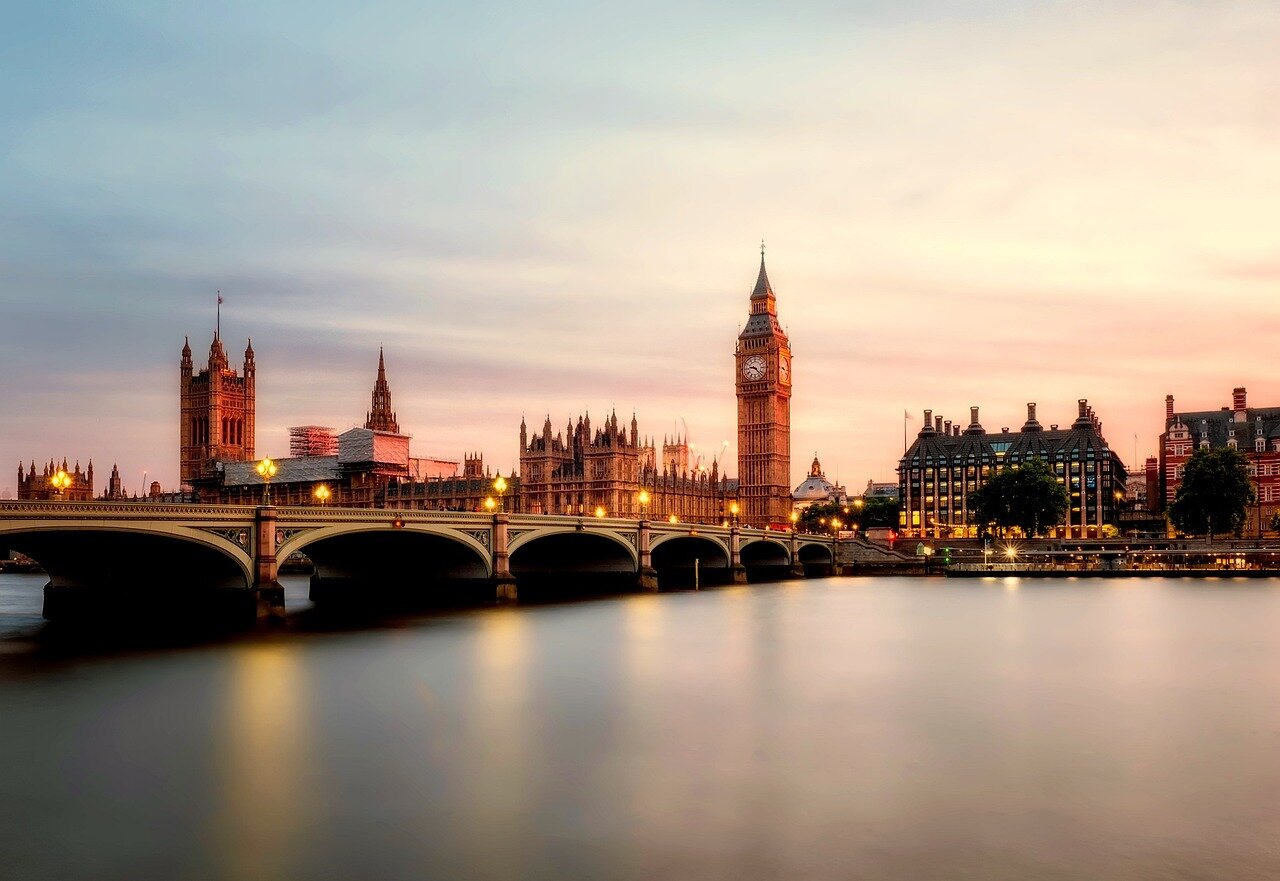
Public health agencies are increasingly concerned about the health implications of extreme heat, which can exacerbate pre-existing conditions and lead to increased mortality rates. They advocate for comprehensive public health strategies that include heatwave warnings and community outreach programs. However, the challenge lies in ensuring that vulnerable populations, such as the elderly and low-income communities, receive adequate support during extreme weather events.
- Potential conflicts between economic interests and environmental sustainability.
- Legal frameworks governing climate policies and their enforcement.
- Trade-offs in resource allocation for public health versus infrastructure improvements.
- The role of private sector innovation in addressing climate change impacts.
- Community engagement in developing localized heat response strategies.
Examining the impact of extreme heat on people and markets
The rise in temperatures, with forecasts suggesting the UK could experience 40°C days, poses significant challenges across various demographics and sectors. Vulnerable populations, such as the elderly and those with pre-existing health conditions, are particularly at risk. Additionally, outdoor workers, including construction and agricultural laborers, face heightened health risks due to prolonged exposure to extreme heat.
Industries such as agriculture and tourism are likely to feel immediate effects. Farmers may struggle with crop yields as heat stress impacts plant growth, while tourism hotspots could see changes in visitor patterns, with some travelers opting for cooler destinations. This shift may lead to economic fluctuations in regions heavily reliant on these sectors.

In the short term, businesses may need to adapt their operations, implementing measures such as flexible working hours to avoid peak heat times. This adjustment can disrupt normal business practices and lead to decreased productivity. However, in the mid-term, companies that innovate in cooling technologies or sustainable practices may find new market opportunities.
- Health risks: Increased hospital admissions due to heat-related illnesses.
- Economic shifts: Changes in agricultural output and tourism revenue.
- Policy adjustments: Potential for new regulations on workplace safety and building codes.
While the risks are significant, there are opportunities for growth in green technologies and urban planning. Investments in climate-resilient infrastructure and renewable energy sources could not only mitigate the impacts of extreme heat but also stimulate job creation and economic resilience in the face of climate change.
A: The main causes include climate change, urbanization, and natural weather patterns. These factors contribute to increasing temperatures and more frequent heatwaves. A: While 40C temperatures are currently rare, climate models suggest that they could become more common in the coming decades if current trends continue. A: Extreme heat can lead to heat exhaustion, heatstroke, and exacerbate existing health conditions. Vulnerable populations, such as the elderly, are particularly at risk. A: The UK government has implemented various strategies, including climate action plans and public awareness campaigns, to mitigate the effects of extreme heat. A: Individuals can stay informed about weather forecasts, keep hydrated, and take precautions to avoid heat-related illnesses during heatwaves.
Frequently asked questions about extreme heat in the UK
Key insights and future outlook on extreme heat in the UK
The increasing frequency of extreme heat events in the UK signals a significant shift in climate patterns, raising concerns about public health, infrastructure, and environmental sustainability. As temperatures rise, the implications for urban planning, agriculture, and energy consumption become increasingly critical. Policymakers and communities must adapt to these changes to mitigate risks and enhance resilience.
Looking ahead, it is essential to monitor the evolving climate patterns and their impacts. Understanding the long-term trends will help in developing effective strategies to cope with extreme heat, ensuring that the UK is prepared for a future where 40°C days may become more common.
- Public Health Preparedness: Increased heat awareness campaigns and health advisories will be crucial in protecting vulnerable populations.
- Urban Infrastructure Adaptation: Cities may need to implement cooling measures, such as green spaces and reflective materials, to combat urban heat islands.
- Agricultural Adjustments: Farmers will need to adopt heat-resistant crops and innovative irrigation techniques to maintain productivity.
- Energy Demand Management: As temperatures rise, energy consumption for cooling will increase, necessitating a focus on renewable energy sources and grid resilience.