


Major retailers such as Macy’s, Nordstrom, and Target are participating in the holiday sales, providing discounts that can reach up to 70% off on select items. These promotions not only encourage consumer spending but also help brands clear out seasonal inventory ahead of fall collections. The competitive landscape means shoppers can find deals on everything from casual wear to formal attire, making this an ideal time to explore the best home gym equipment as well.
In addition to traditional retailers, online fashion platforms like ASOS and Zappos are also joining the fray, making it easier for consumers to shop from home. The convenience of e-commerce, combined with attractive promotions, is expected to drive higher traffic to these websites during the holiday weekend. Analysts predict a significant boost in online sales as consumers take advantage of the discounts while enjoying their long weekend.
Furthermore, social media influencers are playing a crucial role in promoting these sales, showcasing outfits and deals to their followers. This trend highlights the growing importance of digital marketing strategies in the fashion industry. As influencers share their favorite finds, they not only drive traffic to retailers but also shape consumer preferences in real-time, making this a pivotal moment for fashion brands.

Understanding the Significance of Fourth of July Sales
The Fourth of July, celebrated as Independence Day in the United States, marks the adoption of the Declaration of Independence in 1776. This historic event symbolizes the birth of the nation and has evolved into a day of patriotic festivities, including fireworks, parades, and family gatherings. Over the years, the holiday has also become synonymous with retail sales, with many businesses capitalizing on the long weekend to offer significant discounts and promotions, which can be perfect for those looking to update their wardrobe with the latest trends.
The rise of Fourth of July sales can be traced back to the post-World War II economic boom in the United States. As consumerism flourished and disposable income increased, retailers began to recognize the potential of holiday-themed sales to boost their profits. The Fourth of July, being a summer holiday, provided an excellent opportunity for businesses to clear out seasonal inventory while attracting customers looking for deals on summer apparel and outdoor goods.
The Evolution of Retail Strategies
In the 1980s and 1990s, the marketing strategies surrounding Fourth of July sales became more sophisticated. Retailers started to leverage advertising and promotional campaigns, creating a sense of urgency and excitement around their sales events. This period also saw the rise of big-box retailers and e-commerce, further transforming the landscape of holiday shopping. Today, consumers can find a plethora of options both in-store and online, making the Fourth of July a key date on the retail calendar.
As social media and digital marketing have become integral to consumer engagement, Fourth of July sales have expanded beyond traditional advertising. Influencers and brands now utilize platforms like Instagram and TikTok to showcase their holiday collections, driving traffic and sales through targeted campaigns. This shift has not only changed how consumers shop but also how they perceive the significance of holiday sales in their overall shopping experience.

Ultimately, Fourth of July sales represent more than just discounts; they reflect broader economic trends and shifts in consumer behavior. As shoppers prepare to cart up their favorite fashion items during this long weekend, they participate in a tradition that intertwines patriotism with the thrill of retail, creating a unique blend of celebration and commerce.
Key Players in the Fashion Retail Market for July Sales
The Fourth of July weekend is a pivotal time for fashion retailers, as it marks one of the peak shopping periods of the year. Various stakeholders are involved in this market, each with their own interests and objectives. Key players include fashion brands, e-commerce platforms, consumers, and regulatory bodies.
Fashion brands, from high-end designers to fast-fashion retailers, aim to maximize sales during this holiday. They often offer significant discounts to attract consumers, which can lead to increased inventory turnover. However, these discounts can also impact profit margins, creating a trade-off between short-term sales boosts and long-term brand value.
E-commerce platforms play a crucial role in facilitating these sales. Companies like Amazon and Shopify provide the infrastructure that allows brands to reach a wider audience. Their interests lie in driving traffic to their sites and increasing transaction volumes, making it essential for retailers to adapt their strategies, similar to how Burmese cuisine has gained popularity through unique approaches.
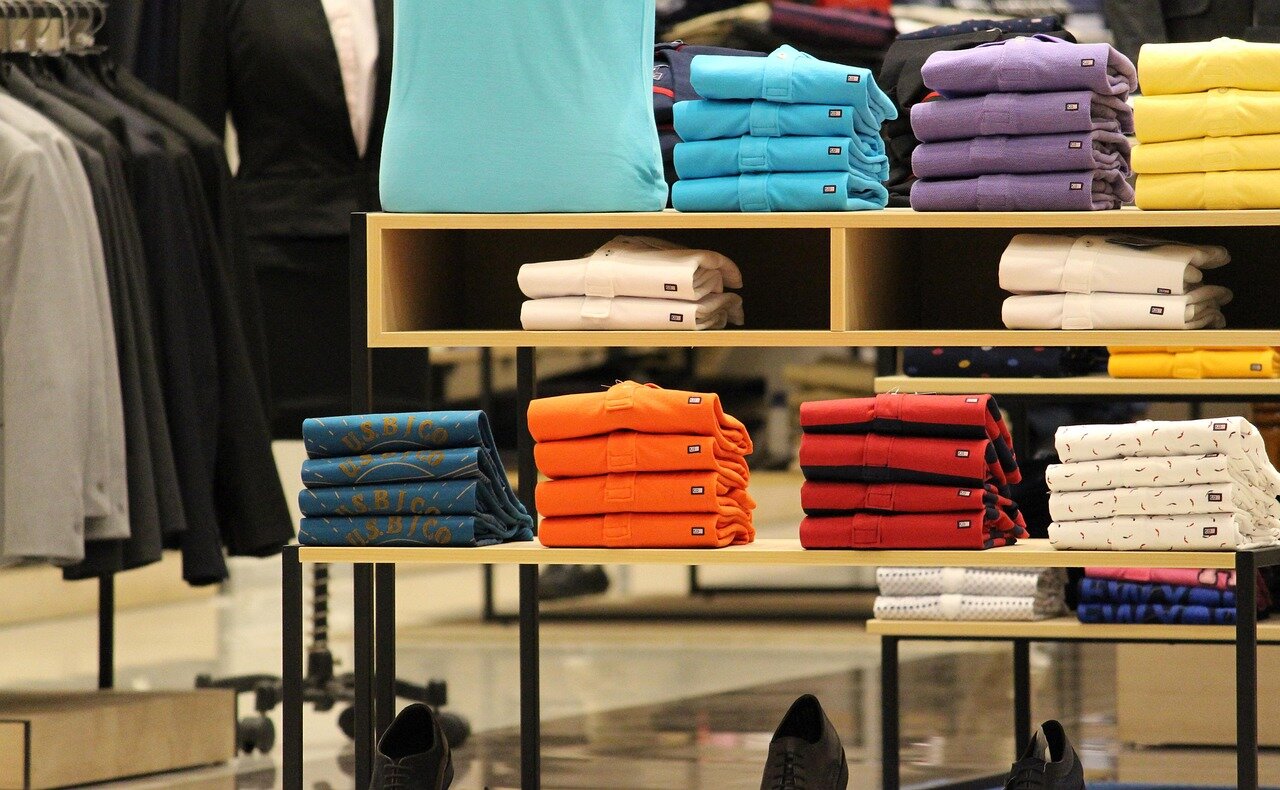
- Consumer Behavior: Shoppers are increasingly looking for deals during the Fourth of July sales, which can lead to heightened competition among retailers.
- Supply Chain Issues: Retailers must navigate potential supply chain disruptions that can affect product availability and pricing strategies.
- Regulatory Challenges: Compliance with advertising standards and consumer protection laws is essential, particularly when it comes to marketing discounts.
- Sustainability Concerns: Growing awareness of environmental issues is prompting some consumers to seek out sustainable fashion options, influencing purchasing decisions.
In summary, the interplay between these stakeholders creates a complex landscape for the Fourth of July fashion sales. Each player must balance their interests while navigating the various challenges that arise during this competitive retail period.
How These Sales Affect Consumers and Retailers
The Fourth of July fashion sales significantly impact various groups, particularly consumers looking for deals and retailers aiming to boost their sales during the holiday weekend. Shoppers from diverse demographics, including families, young adults, and fashion enthusiasts, are drawn to these discounts, often leading to a surge in foot traffic both online and in physical stores. Retailers, from large department stores to smaller boutiques, prepare for this seasonal influx, tailoring their marketing strategies to attract customers.
In the short term, consumers benefit from substantial savings on summer apparel, accessories, and outdoor gear. This spending not only enhances their holiday experience but also contributes to the overall economy. Retailers, on the other hand, may see a boost in revenue, which can help offset slower sales periods earlier in the year. However, the competitive nature of these sales can lead to price wars, impacting profit margins for businesses.
In the mid-term, the effects are more nuanced. Successful Fourth of July sales can lead to increased brand loyalty and customer retention for retailers who provide exceptional shopping experiences. Conversely, those who fail to meet consumer expectations may risk damaging their reputation. Additionally, regions with a high concentration of retail outlets may experience a temporary economic uplift, while areas with fewer shopping options might not see the same benefits.
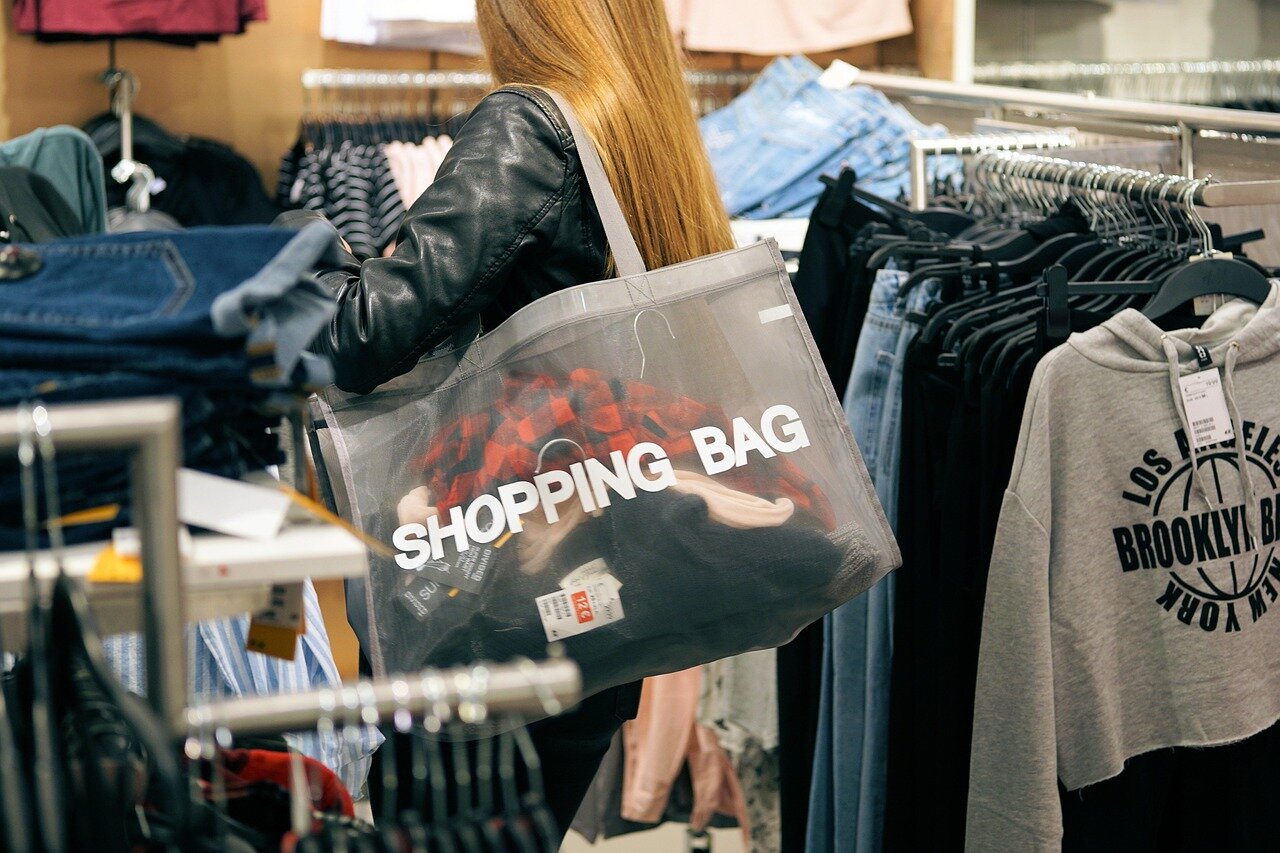
- Opportunities: Increased consumer spending can lead to higher sales volumes for retailers.
- Risks: Price competition may erode profit margins for businesses.
- Consumer Behavior: Shoppers may develop preferences for brands offering better deals.
- Regional Impact: Retail-heavy areas may experience economic boosts, while others lag.
Overall, the Fourth of July fashion sales create a dynamic environment where both consumers and retailers are influenced by immediate financial incentives and longer-term brand relationships. The interplay between these groups during this holiday weekend can shape shopping trends and business strategies well into the future.
A: During Fourth of July weekend, many retailers offer discounts on summer clothing, swimwear, accessories, and outdoor apparel. It’s a great time to find deals on seasonal fashion. A: Online sales often provide better discounts and exclusive offers compared to in-store sales. Many retailers encourage online shopping with special promotions. A: To find the best deals, check retailer websites, sign up for newsletters, and follow social media accounts for flash sales and special offers. Comparison shopping can also help. A: Fourth of July sales usually start a few days before the holiday and can extend through the weekend. Some retailers may even start their sales as early as the last week of June. A: Yes, if you are looking for summer fashion, Fourth of July sales can offer significant savings. However, it’s important to compare prices to ensure you’re getting the best deal.
Frequently Asked Questions About Fourth of July Fashion Sales
Key Takeaways and Future Trends in Fashion Sales
The Fourth of July weekend has consistently proven to be a prime opportunity for shoppers to find significant discounts on summer fashion. As retailers increasingly leverage this holiday to boost sales, consumers can expect not only traditional apparel discounts but also a rise in promotions on accessories and footwear. This trend suggests that brands are recognizing the importance of this holiday as a key sales period and are preparing their inventories accordingly.
Looking ahead, shoppers should be mindful of the shift towards online shopping, as many retailers enhance their digital platforms to accommodate consumer preferences. This evolution may lead to more exclusive online deals and a broader selection of items available for purchase. Keeping an eye on emerging trends in sustainability and ethical fashion could also influence purchasing decisions as consumers become more conscientious about their choices.
- Anticipate deeper discounts: Retailers may offer greater markdowns as the holiday approaches, making it a strategic time to shop.
- Explore online exclusives: Many brands are likely to provide special online-only promotions, expanding options for consumers.
- Monitor sustainability trends: As eco-consciousness grows, expect more brands to highlight sustainable practices in their holiday sales.
- Plan for accessory sales: Discounts on accessories and footwear may become more prominent, complementing apparel sales.
- Stay informed on inventory levels: Limited stock may lead to quicker sell-outs, so timely shopping could be essential for securing desired items.