


Effective from January 2024, all examinations will revert to in-person formats, a shift that aims to ensure a fair testing environment for all candidates. This change affects thousands of students globally who have relied on remote testing since its introduction during the COVID-19 pandemic. The ACCA’s leadership emphasized the importance of upholding rigorous standards in professional qualifications, particularly in light of discussions surrounding educational reforms.
The announcement has sparked discussions within the educational and professional sectors about the implications of technology on traditional assessment methods. Critics argue that while the move may enhance security, it could also disadvantage candidates who have adapted to remote learning environments. The ACCA plans to explore alternative solutions to address these concerns while maintaining the integrity of its examinations, similar to what educational institutions are doing in response to challenges from technological advancements.
As the landscape of education continues to evolve with advancements in technology, the ACCA’s decision highlights the delicate balance between innovation and security. Stakeholders are closely monitoring the situation, as other professional bodies may follow suit in reevaluating their examination formats in light of similar challenges. This development underscores the ongoing dialogue about the role of AI in education and its potential impact on future assessment practices, reflecting the concerns similar to those discussed in media coverage.
Understanding the rise of AI in education and its implications
The integration of artificial intelligence (AI) into educational settings has transformed how students learn and assess their knowledge. Over the past decade, advancements in AI technology have enabled the development of sophisticated tools that can assist in tutoring, grading, and even exam preparation. This shift has raised questions about academic integrity, particularly as AI tools become more accessible and capable of mimicking human responses.
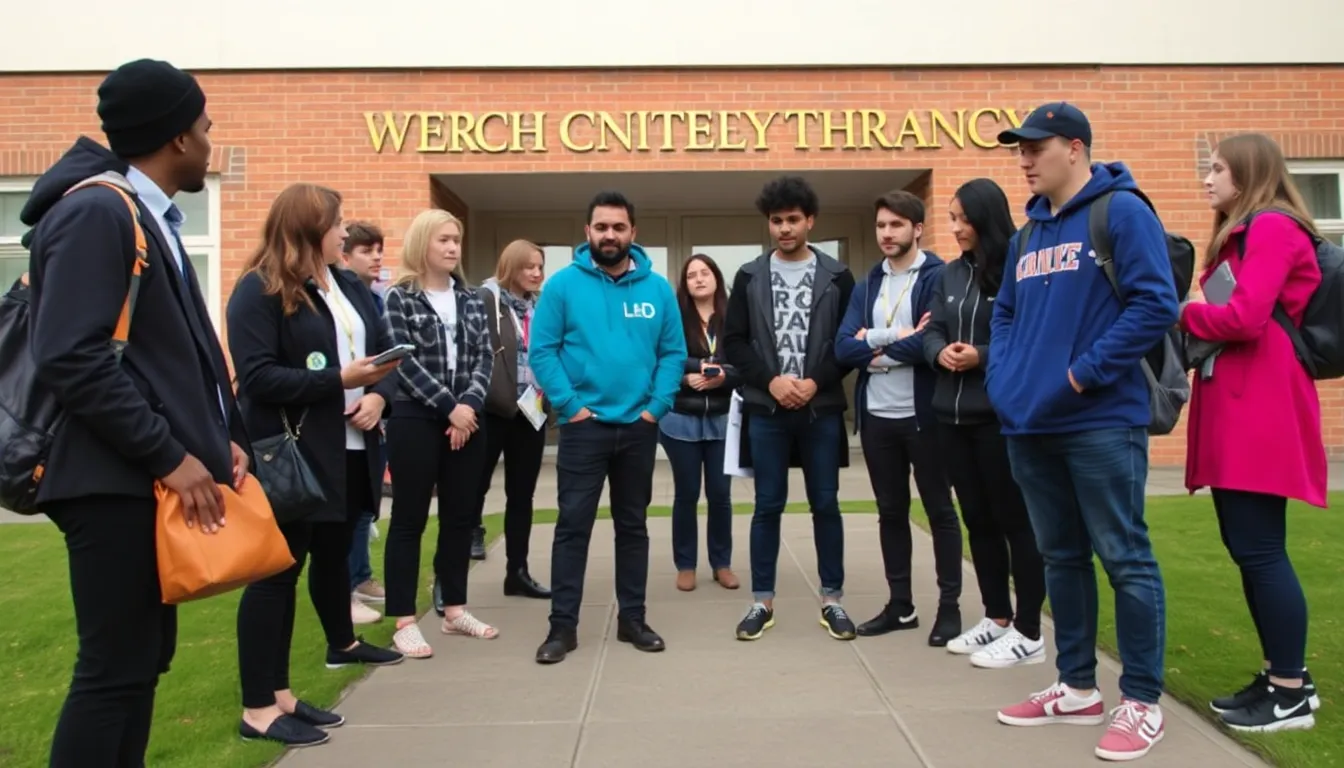
The UK’s accounting body, which oversees the certification of accountants, has found itself at a crossroads as it grapples with the implications of AI in remote examinations. Historically, the institution has relied on traditional methods of assessment to ensure that candidates possess the necessary skills and knowledge to succeed in the field. However, the rise of AI has introduced new challenges, prompting a reevaluation of these methods.
In recent years, there have been several high-profile cases of students using AI to gain an unfair advantage during exams. Reports of AI-generated essays and answers have prompted educational institutions worldwide to reconsider their examination policies. The UK accounting body, in particular, has faced pressure from stakeholders to maintain the integrity of its certification process, leading to its decision to halt remote exams.
The impact of remote examinations
The shift to remote examinations, accelerated by the COVID-19 pandemic, was initially seen as a necessary adaptation to ensure continuity in education. However, this model has also made it easier for students to exploit AI technologies. As a result, the accounting body has had to weigh the benefits of flexibility against the risks of compromised assessments. This situation highlights the ongoing struggle between innovation in educational practices and the need to uphold standards of academic honesty.
Exam integrity and the challenges posed by AI technology
The decision by the UK accounting body to halt remote exams highlights the growing concerns over exam integrity in the face of advancing AI technologies. As artificial intelligence becomes increasingly sophisticated, the potential for cheating during remote examinations has raised alarms among educational institutions and professional bodies alike. This situation involves multiple stakeholders, each with distinct interests and concerns.
Key actors in this scenario include the UK accounting body, educational institutions, students, and technology developers. The UK accounting body aims to uphold the credibility of its qualifications and ensure that its members possess genuine competencies. Educational institutions are similarly invested in maintaining academic integrity, while students are concerned about the impact of these changes on their ability to complete their exams efficiently. Meanwhile, technology developers are navigating the fine line between innovation and ethical use of AI in educational contexts.
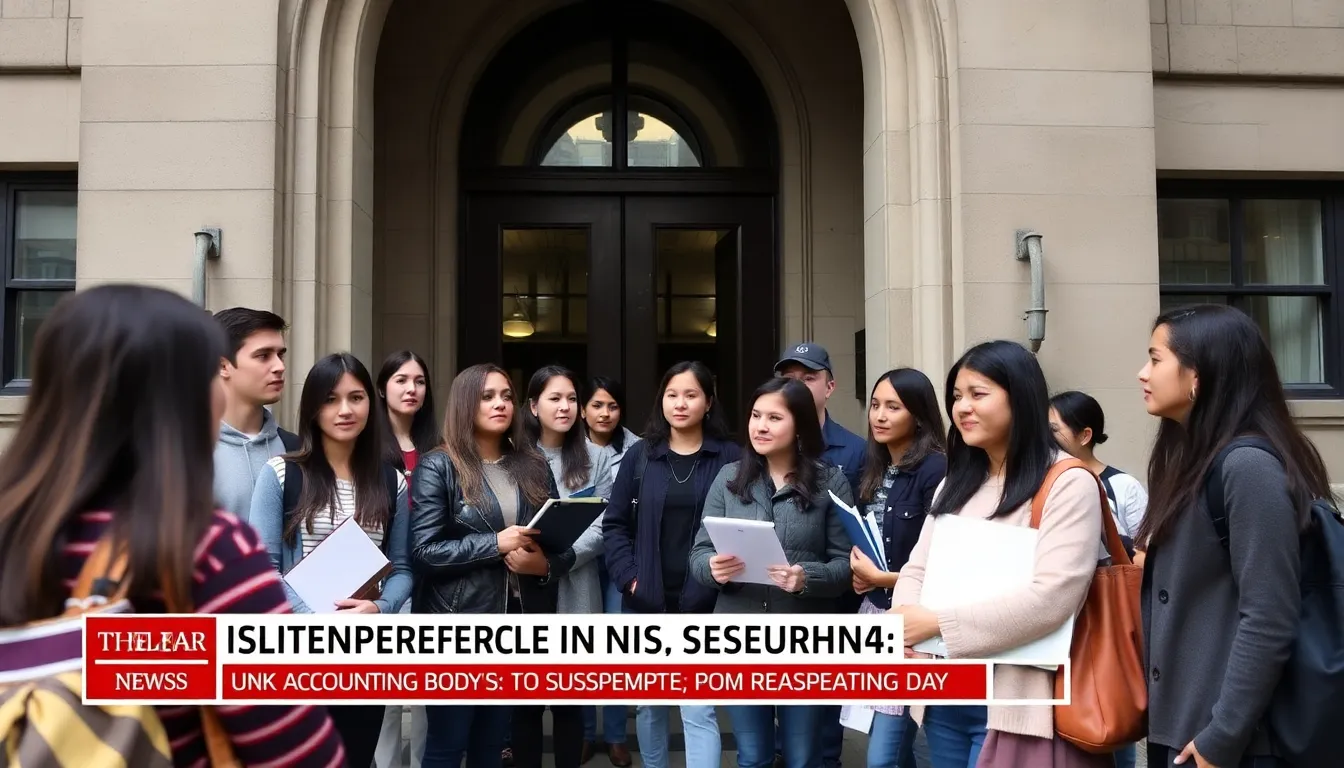
Several conflicts and trade-offs arise from this situation. On one hand, the need for robust security measures to prevent cheating may lead to increased scrutiny and potential limitations on students’ access to remote learning options. On the other hand, there is a pressing need to adapt educational practices to incorporate technology in a way that enhances learning rather than undermines it. This balancing act is further complicated by legal and economic considerations, such as data privacy laws and the financial implications of implementing new exam technologies.
- Integrity vs. Accessibility: Ensuring exam integrity may restrict access to remote exams, impacting students’ opportunities.
- Technological Adaptation: Educational bodies must adapt to new technologies while safeguarding against misuse.
- Legal Implications: Compliance with data privacy regulations is essential when implementing AI-driven solutions.
- Economic Costs: The financial burden of upgrading exam security measures could strain educational resources.
- Stakeholder Communication: Effective dialogue among all parties is crucial to address concerns and find common ground.
As the UK accounting body navigates these challenges, the decisions made will likely set precedents for how educational institutions worldwide approach the intersection of AI technology and exam integrity. The ongoing dialogue among stakeholders will be essential in shaping a future that balances innovation with the fundamental principles of education and professional certification.
Effects on students and the accounting profession
The decision by the UK accounting body to halt remote exams will significantly impact various stakeholders, particularly students and educational institutions. Students preparing for their accounting qualifications will face disruptions in their study plans and exam schedules, potentially delaying their entry into the workforce. This change may also affect international students who rely on remote assessments to maintain flexibility in their studies.
In the short term, students may experience increased stress and uncertainty as they adapt to new examination formats. Educational institutions will need to quickly adjust their curricula and examination processes, which could strain resources and lead to logistical challenges. Additionally, this decision may prompt students to seek alternative qualifications or training programs, impacting enrollment numbers in traditional accounting courses.
In the mid-term, the accounting profession may see a shift in hiring practices as firms reassess the skills and qualifications of new recruits. Employers might prioritize candidates with proven in-person examination results, potentially disadvantaging those who excelled in remote assessments. Furthermore, the halt on remote exams could lead to a broader discussion about the integrity of examinations and the need for updated assessment methods that incorporate technology while minimizing cheating risks.
- Short-term impacts: Increased stress for students, logistical challenges for institutions, potential drop in enrollment.
- Mid-term impacts: Changes in hiring practices, reassessment of qualification value, discussions on examination integrity.
- Opportunities: Development of new assessment methods, potential for innovation in educational delivery, increased focus on in-person learning experiences.
While there are inherent risks associated with this decision, including potential delays in qualification and workforce entry, there are also opportunities for the accounting profession to innovate. By embracing new assessment technologies and methodologies, educational institutions can enhance the learning experience and better prepare students for the challenges of the modern workforce.
A: The decision is primarily due to concerns over the integrity of the examination process, as AI tools have made it easier for students to cheat during remote assessments. A: The new policies regarding the halt of remote exams will be implemented immediately, with further details to be communicated to students and educational institutions. A: Students will need to adjust their study plans and may have to prepare for in-person examinations instead, which could change the dynamics of their preparation. A: The accounting body is exploring various alternatives, including in-person assessments and enhanced security measures for remote testing. A: Yes, the accounting body is committed to providing resources and support to help students navigate this transition effectively.
Frequently asked questions about the exam policy change
Looking ahead: The future of examinations in the age of AI
The decision by the UK accounting body to suspend remote examinations highlights the growing concerns surrounding academic integrity in an era increasingly influenced by artificial intelligence. As technology continues to advance, educational institutions must adapt their assessment methods to safeguard the integrity of qualifications while embracing innovative solutions.
Moving forward, it will be crucial for regulatory bodies and educational institutions to explore new frameworks for examinations that balance accessibility with security. This may involve a combination of in-person assessments, enhanced monitoring technologies, and the development of AI tools that can assist in maintaining academic honesty.
- Watch for the introduction of hybrid examination models that combine online and in-person elements to ensure security while accommodating diverse student needs.
- Expect increased investment in technology solutions aimed at detecting AI-assisted cheating, which may lead to more sophisticated monitoring systems during assessments.
- Consider the potential for new guidelines and best practices to emerge from this situation, shaping how educational institutions approach remote learning and assessments in the future.
- Stay informed about the broader implications for other professional bodies, as they may follow suit and reevaluate their examination policies in response to similar challenges.
- Observe the ongoing dialogue around the ethical use of AI in education, which could lead to a reevaluation of what constitutes fair assessment practices.