


In October 2023, Spain’s Minister for Ecological Transition, Teresa Ribera, announced a review of the country’s energy strategy, citing the need for a balanced approach to ensure energy security. This announcement comes amid concerns that the rapid expansion of renewable projects may not keep pace with demand, particularly in light of the European Union’s energy crisis exacerbated by the ongoing conflict in Ukraine. For more insights on global energy challenges, you can visit this article.
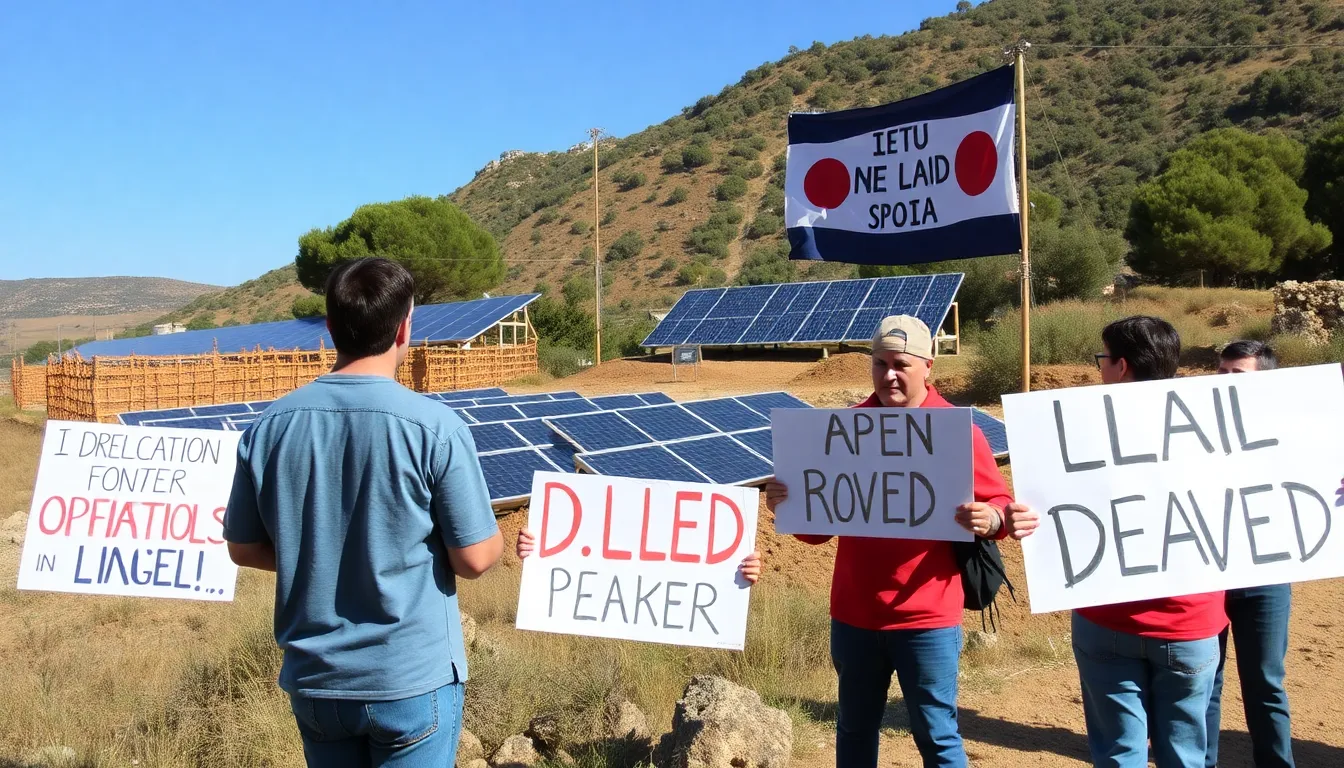
Additionally, several major renewable energy projects have faced delays due to regulatory hurdles and local opposition. For instance, the proposed solar farm in Andalusia, which was expected to power over 100,000 homes, has been stalled since early 2023 due to environmental assessments and community pushback.
The uncertainty surrounding Spain’s commitment to renewable energy is further compounded by the fluctuating prices of fossil fuels, which some policymakers argue could lead to a renewed focus on traditional energy sources. As the country navigates these challenges, the future of its green energy initiatives remains at a critical juncture.
Understanding Spain’s renewable energy landscape and historical commitments
Spain has long been recognized as a pioneer in renewable energy, particularly in wind and solar power. The country made significant strides in the early 2000s, driven by ambitious government policies and incentives aimed at reducing greenhouse gas emissions and fostering energy independence. In 2007, the Spanish government set a target to generate 20% of its energy from renewable sources by 2020, a milestone that positioned Spain as a leader in the global renewable energy sector. To learn more about major sustainability initiatives, check out this link.
However, the economic crisis of 2008 had a profound impact on Spain’s renewable energy ambitions. The austerity measures implemented by the government led to cuts in subsidies for renewable energy projects, causing a slowdown in investment and development. This shift in policy raised concerns among investors and stakeholders about the future viability of Spain’s renewable energy market, casting doubt on the country’s long-term commitments.
In recent years, the political landscape has further complicated Spain’s renewable energy narrative. The rise of populist parties and shifting political alliances have resulted in inconsistent energy policies. The current government has expressed a renewed commitment to renewable energy, aiming for a target of 74% of electricity generation from renewables by 2030. However, the challenge remains to maintain this momentum amidst economic pressures and potential political shifts, especially as trends in places like the US continue to evolve as seen in this exploration of technology and policy.
Key Milestones in Spain’s Renewable Energy Journey
Several key milestones have defined Spain’s renewable energy journey. In 2011, Spain became the world leader in wind energy production, a title that underscored its commitment to sustainable practices. Additionally, the introduction of the Renewable Energy Plan in 2011 aimed to further diversify the energy mix. Despite these achievements, the subsequent policy reversals and regulatory changes have raised questions about the sustainability of these milestones, leaving many to wonder if Spain can uphold its ambitious renewable energy goals in the face of economic and political challenges.
Key stakeholders and issues surrounding Spain’s energy policies
Spain’s commitment to renewable energy involves a complex network of stakeholders, each with varying interests and influences. Key players include the Spanish government, energy companies, environmental organizations, and the European Union. These actors are pivotal in shaping the policies that govern Spain’s energy transition.
The Spanish government, led by the Minister for Ecological Transition, is primarily focused on achieving ambitious climate goals while ensuring energy security and economic growth. However, internal divisions within the government and pressure from various interest groups create a challenging environment for cohesive policy-making.
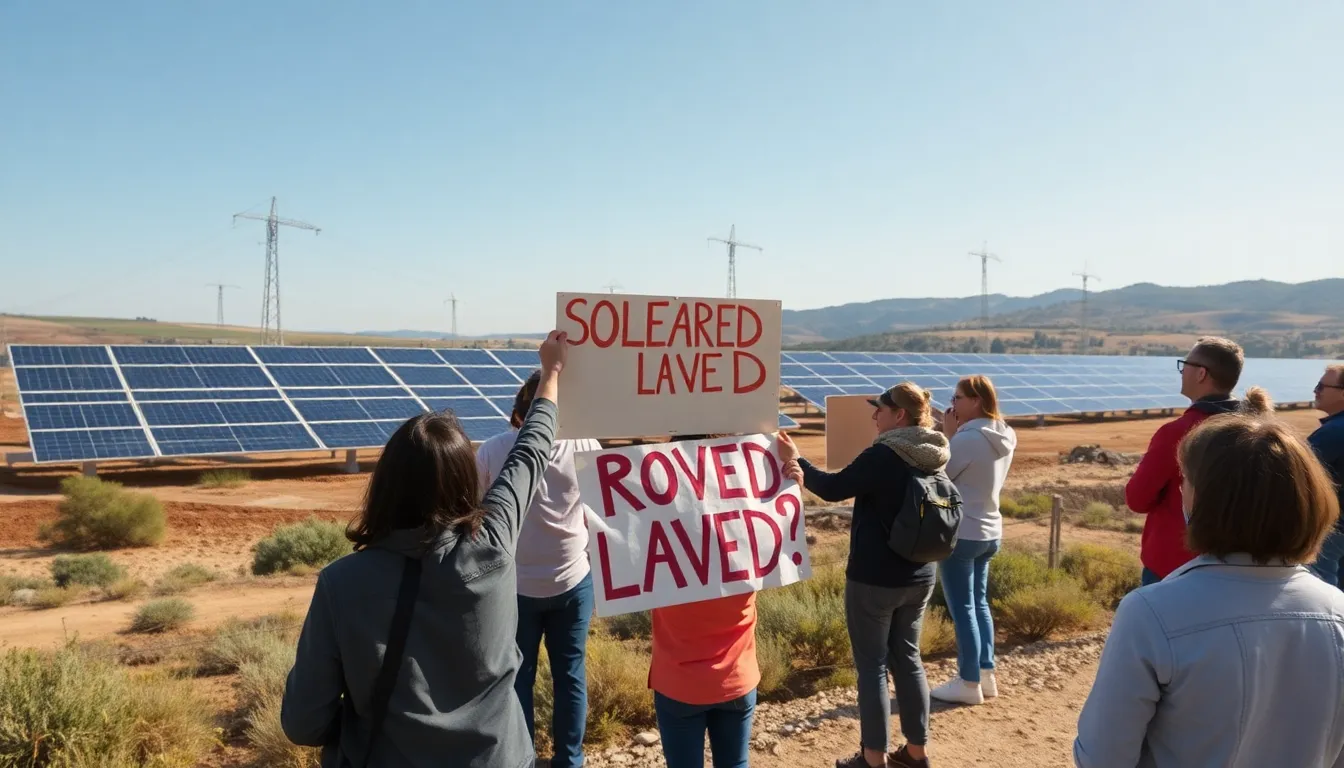
Energy companies, both traditional fossil fuel producers and renewable energy firms, have significant stakes in the outcome of Spain’s energy policies. Traditional companies may resist rapid changes that threaten their profitability, while renewable energy firms advocate for supportive regulations and incentives to foster growth. This creates a tension between maintaining economic stability and accelerating the transition to sustainable energy sources.
Environmental organizations play a crucial role in advocating for stronger commitments to renewable energy. They emphasize the need for Spain to meet its climate obligations under international agreements. However, their push for aggressive policies often clashes with the economic interests of other stakeholders, leading to debates on the feasibility and effectiveness of proposed measures.
- Governmental Goals: Balancing climate commitments with economic stability.
- Industry Resistance: Traditional energy sectors pushing back against rapid transitions.
- Environmental Advocacy: Calls for more aggressive renewable energy policies.
- EU Regulations: Compliance with broader European energy and climate directives.
- Public Opinion: Growing demand for sustainable practices influencing policy decisions.
The potential impact on the energy market and consumers in Spain
The uncertainty surrounding Spain’s commitment to renewable energy has significant implications for various groups, industries, and regions. Consumers, businesses, and government entities are all poised to feel the effects of potential policy shifts. The energy market, which has increasingly leaned towards sustainability, may face disruptions that could alter the landscape of energy production and consumption.
In the short term, households may experience fluctuations in energy prices as the market reacts to changing policies. If Spain scales back its renewable energy initiatives, reliance on fossil fuels may increase, leading to higher electricity costs for consumers. Additionally, businesses that have invested in renewable technologies could face financial strain if incentives are reduced or eliminated, impacting their operational costs and profitability.
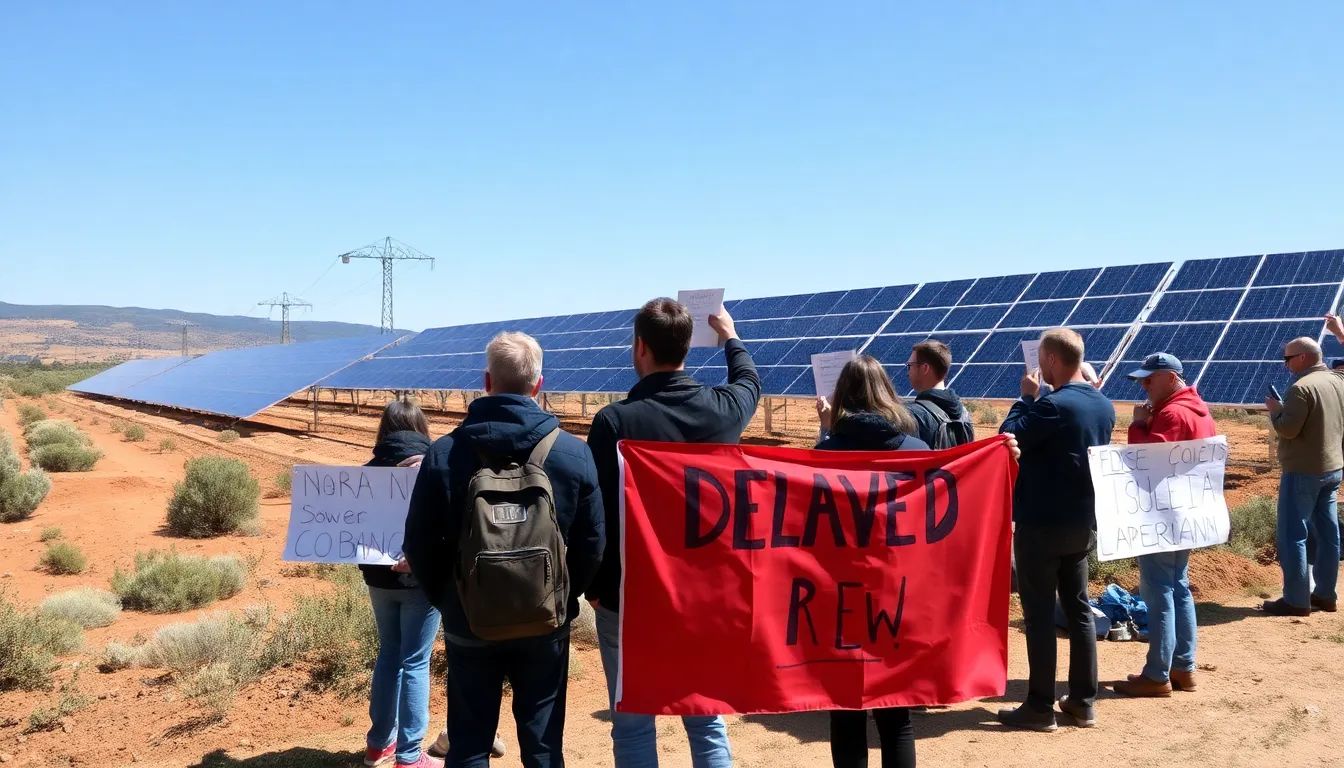
Mid-term impacts could extend to job markets, particularly in regions heavily invested in renewable energy sectors. Areas that have developed wind farms, solar parks, and other renewable projects may see job losses if investment wanes. Conversely, there may be opportunities for traditional energy sectors to regain ground, creating jobs in fossil fuel extraction and processing, albeit with potential environmental consequences.
Key impacts to consider include:
- Increased energy costs: Consumers may face higher bills due to a shift back to fossil fuels.
- Job market fluctuations: Employment opportunities in renewable sectors may diminish, while traditional energy jobs could increase.
- Investment volatility: Businesses may hesitate to invest in renewable technologies, affecting long-term growth.
- Policy shifts: Government incentives for renewable energy could be at risk, altering the competitive landscape.
Despite these risks, there are potential opportunities for innovation in energy efficiency and alternative solutions. Companies may pivot to develop new technologies that can thrive under changing regulations, while consumers may seek out more sustainable practices to mitigate rising costs. The evolving energy landscape presents both challenges and avenues for growth as Spain navigates its commitment to renewable energy.
A: Recent government policy shifts and economic challenges have raised doubts about Spain’s commitment to its renewable energy targets. These changes could impact investment and development in the sector. A: Spain has historically been a leader in renewable energy within Europe, but recent uncertainties may hinder its progress compared to countries like Germany and Denmark, which continue to expand their green energy initiatives. A: If Spain decreases its focus on renewable energy, consumers may face higher energy costs and increased reliance on fossil fuels, which could also affect energy security and sustainability. A: Yes, upcoming legislative sessions and EU regulations could play a significant role in shaping Spain’s energy policies, potentially reinforcing or undermining its renewable energy commitments. A: Key challenges include regulatory uncertainty, economic constraints, and competition from traditional energy sources, which can hinder investment and growth in renewable technologies.
Frequently asked questions about Spain’s renewable energy situation
Looking ahead: the future of renewable energy in Spain
As Spain navigates its energy landscape, the commitment to renewable energy faces critical challenges that could reshape its future. The interplay between governmental policies, economic factors, and public sentiment will play a significant role in determining whether Spain can maintain its ambitious renewable energy targets. Stakeholders must remain vigilant as developments unfold, particularly as the European Union continues to push for greater sustainability.
Monitoring the reactions of both the government and private sector to these challenges will be essential. The ability to adapt to changing circumstances, such as economic pressures and technological advancements, will ultimately influence Spain’s position as a leader in renewable energy within Europe.
- Policy Changes: Watch for potential shifts in governmental policies that could impact funding and support for renewable energy projects.
- Investment Trends: Keep an eye on how private investments in renewable technologies evolve, especially in response to economic conditions.
- Public Sentiment: Public support for renewable initiatives may fluctuate, influencing political decisions and project implementations.
- Technological Innovations: Advances in renewable technologies could provide new opportunities or challenges for Spain’s energy sector.
- EU Regulations: The influence of European Union regulations and directives will be crucial in shaping Spain’s renewable energy strategy moving forward.