


In recent months, both countries have imposed tariffs on each other’s goods, exacerbating economic uncertainties. The U.S. has also criticized China’s handling of protests in Hong Kong and its policies in Xinjiang, while China has responded with warnings against foreign interference. These issues highlight the complexities that will need to be navigated during the upcoming discussions.
Additionally, the geopolitical landscape has shifted, with both nations seeking to assert their influence in Asia and beyond. China’s growing military presence in the Indo-Pacific and the U.S.’s commitment to strengthening alliances in the region are key points of contention. The summit could set the tone for future interactions and potentially reshape the balance of power in global politics.
The outcomes of their discussions could have lasting implications for trade agreements, military strategies, and international cooperation on issues like climate change and public health. For more insights on trade negotiations, see Trump Faces New Challenges in China Trade Talks.
Historical background of US-China diplomatic interactions
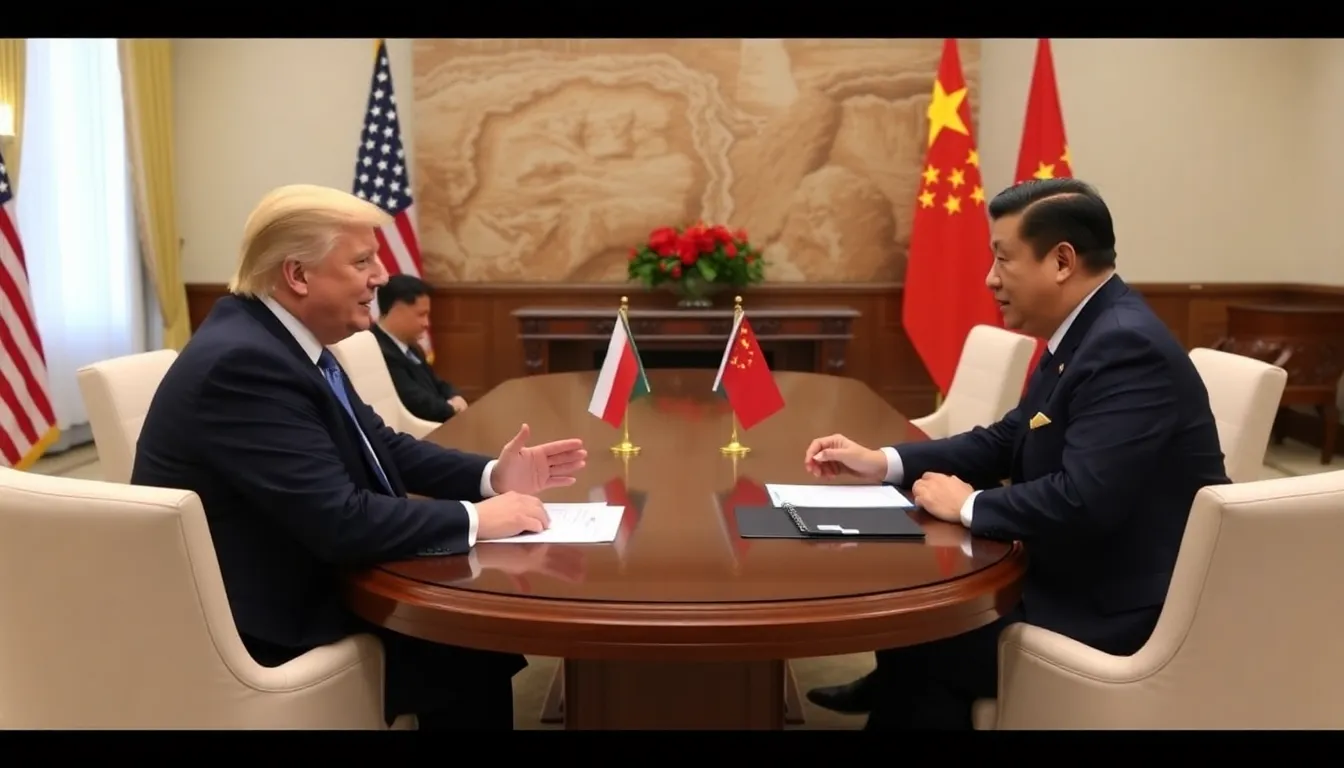
The relationship between the United States and China has evolved significantly over the past several decades, marked by a complex interplay of cooperation and competition. The seeds of modern diplomatic relations were sown in the early 1970s, when President Richard Nixon made a historic visit to China in 1972, effectively ending decades of estrangement. This pivotal moment opened the door for increased trade, cultural exchange, and a strategic partnership that aimed to counterbalance the Soviet Union during the Cold War.
However, this economic interdependence also laid the groundwork for future tensions, as issues such as intellectual property theft, trade imbalances, and human rights abuses began to surface. These complexities are further explored in Hantavirus Response Highlights the Impact of Trump Administration Cuts on U.S. Preparedness.
Key milestones in US-China relations
Several key milestones have shaped the trajectory of US-China relations over the years. The Tiananmen Square protests in 1989 marked a turning point, leading to a temporary freeze in diplomatic relations and sanctions imposed by the US. The 2008 financial crisis further complicated matters, as both nations struggled to navigate the global economic landscape while vying for influence. In recent years, the rise of China as a global superpower has prompted the US to reassess its strategic approach, leading to heightened tensions over trade, technology, and military presence in the Asia-Pacific region.
The ongoing rivalry has been punctuated by high-profile meetings between leaders, including the summits between President Trump and President Xi Jinping. These encounters have often oscillated between cooperation on issues like North Korea and confrontations over tariffs and trade practices. As both nations prepare for the upcoming summit, the stakes are higher than ever, with the potential to redefine their relationship for years to come.
Key stakeholders and issues at play during the summit
The upcoming summit between President Donald Trump and President Xi Jinping represents a critical moment in U.S.-China relations, with implications that could resonate for years. The primary stakeholders include the two leaders, their respective governments, and various economic and political entities that influence or are influenced by this bilateral relationship.
Conversely, Xi’s government aims to secure China’s status as a global superpower, advocating for a multipolar world while pushing back against U.S. tariffs and sanctions. This context helps explain the significance of the upcoming summit.
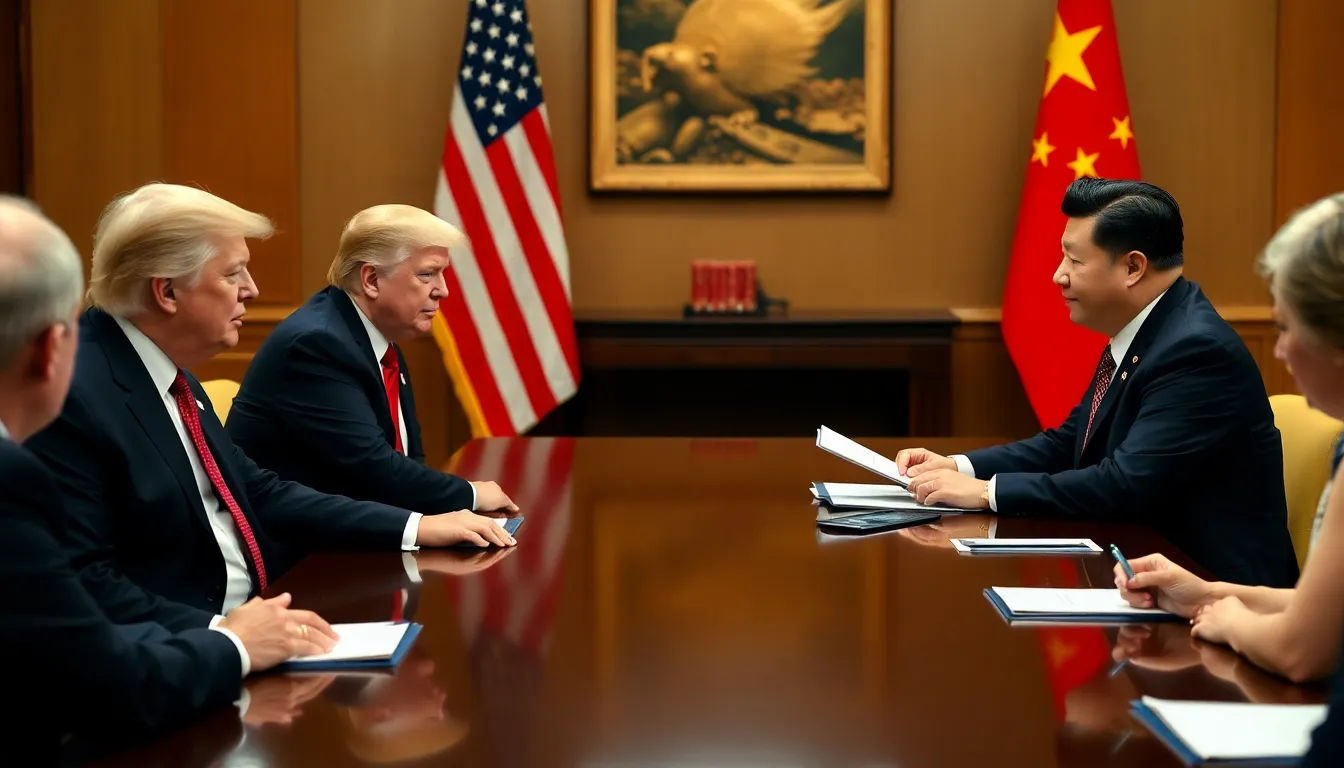
Key issues that may arise during the summit include:
- Trade Relations: Ongoing tariffs and trade barriers could be a significant point of contention, with both sides needing to find common ground to avoid further escalation.
- Technology and Cybersecurity: Concerns over cybersecurity and the use of technology in national security will likely be a focal point, especially regarding companies like Huawei.
- Regional Security: Tensions in the South China Sea and North Korea’s nuclear ambitions may influence discussions, as both nations have vested interests in these areas.
- Human Rights Issues: The U.S. may address human rights violations in Xinjiang and Hong Kong, which could complicate diplomatic efforts.
Additionally, the broader implications of these discussions extend to global markets, alliances, and geopolitical stability. The outcomes of this summit could either pave the way for a more collaborative relationship or deepen existing divides, impacting not only the two nations involved but also their allies and global economic trends.
Potential impacts on global markets and international alliances
The upcoming Trump-Xi summit is poised to influence a wide array of groups, industries, and regions worldwide. Key stakeholders include multinational corporations, small businesses, and consumers who rely on trade between the United States and China. Additionally, governments and policymakers across the globe will be closely monitoring the outcomes, as these discussions could reshape international alliances and economic strategies.
In the short term, markets may experience volatility as investors react to the summit’s developments. Industries such as technology, agriculture, and manufacturing could see immediate impacts, with potential shifts in tariffs and trade agreements. For instance, companies that rely heavily on Chinese imports may face supply chain disruptions or increased costs, while exporters could benefit from favorable trade terms.
In the mid-term, the summit’s outcomes could lead to significant policy changes that affect daily life and business operations. For example, if a new trade agreement is reached, it could enhance cooperation in areas like technology transfer and intellectual property rights, benefiting innovation. Conversely, continued tensions could result in stricter regulations and tariffs, which may hinder economic growth and consumer spending.
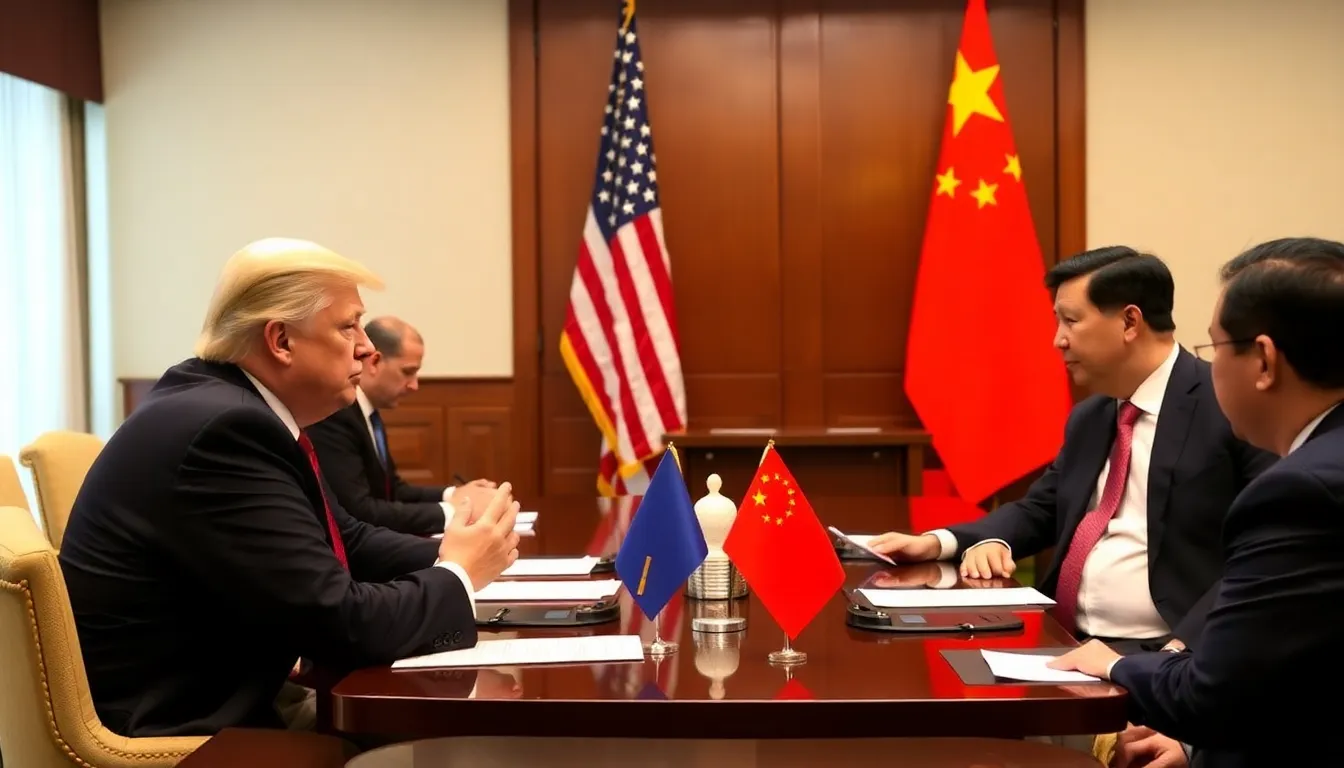
- Risks: Increased tariffs, supply chain disruptions, and market volatility.
- Opportunities: New trade agreements, enhanced cooperation in technology, and potential market expansions.
Regions heavily reliant on exports to either the U.S. or China, such as Southeast Asia and parts of Europe, will also feel the impact of the summit. Changes in trade dynamics could lead to shifts in economic power, prompting countries to reevaluate their international alliances and trade strategies. The outcomes could either foster greater collaboration or exacerbate existing tensions, influencing global stability for years to come.
A: The summit aims to address trade tensions, security concerns, and climate change collaboration between the two nations. A: Depending on the outcomes, markets may react positively or negatively, influencing trade policies and economic forecasts. A: Key events include trade wars, military standoffs, and previous diplomatic meetings that have set the tone for current interactions. A: Risks include misunderstandings, failure to reach agreements, or escalated tensions that could affect global stability. A: This summit is crucial as it comes at a time of heightened geopolitical tensions and could redefine future relations.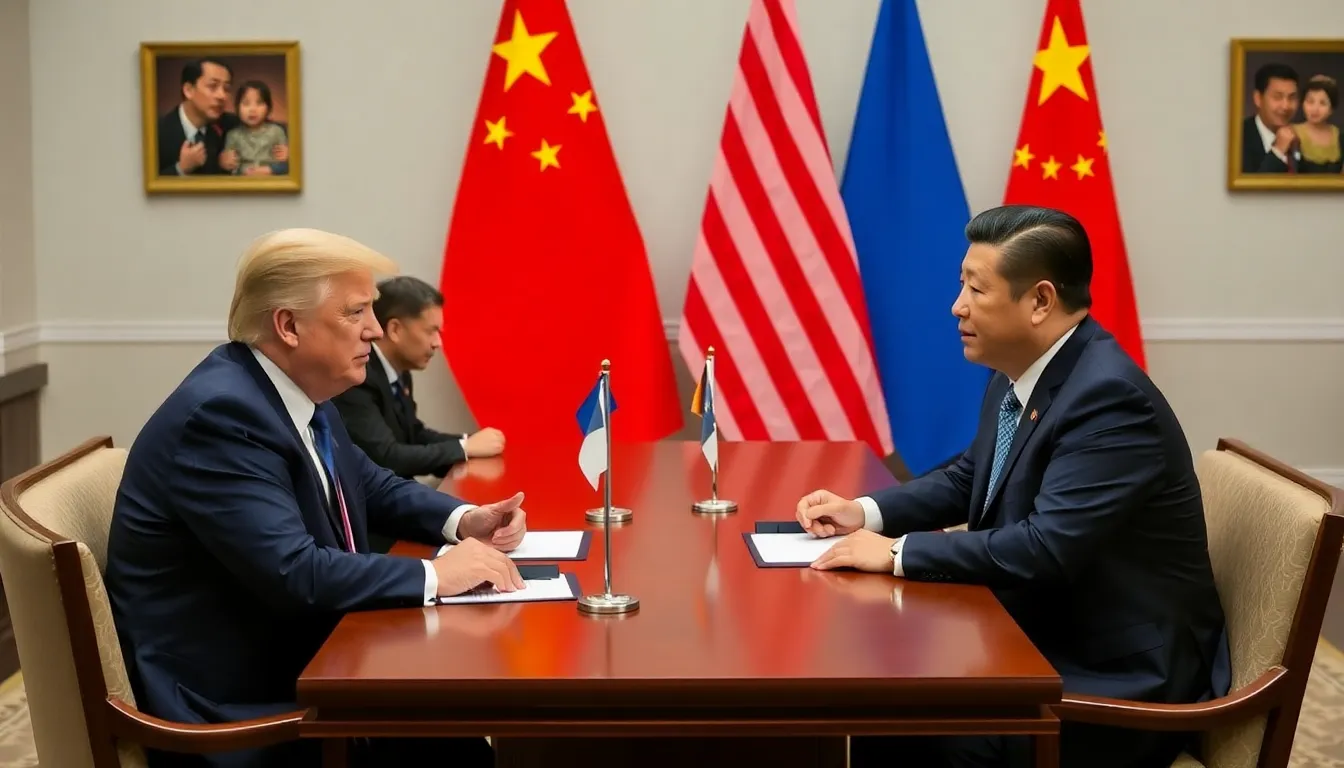
Frequently asked questions about the Trump-Xi summit
Future outlook on US-China relations post-summit
The recent summit between President Trump and President Xi marks a pivotal moment in US-China relations, with potential ramifications that could shape global dynamics for years to come. As both nations navigate their complex interdependence, the outcomes of this meeting will likely influence trade policies, military strategies, and diplomatic engagements on multiple fronts.
Moving forward, it is essential to monitor how both leaders leverage this summit to address longstanding issues such as trade imbalances, technological competition, and regional security concerns. The tone and substance of their interactions could signal a new era of cooperation or heightened rivalry, making it crucial for stakeholders to stay attuned to the developments that emerge in the aftermath of their discussions.
- Watch for shifts in trade policies that may emerge as a result of the summit, particularly regarding tariffs and technology exchanges.
- Observe joint initiatives or agreements aimed at addressing global challenges, such as climate change and public health.
- Keep an eye on military posturing in the Asia-Pacific region, as both nations may recalibrate their strategies based on the summit outcomes.
- Monitor the reactions of key allies and partners, as their responses will shape the broader geopolitical landscape.
- Analyze how domestic political pressures in both countries may influence the implementation of any agreements reached during the summit.