


Recent reports indicate that there have been several confirmed cases of Hantavirus in the western United States, particularly in regions where rodent populations are high. In 2023 alone, health departments in states like New Mexico and Colorado have documented cases, prompting increased public awareness campaigns about the risks associated with rodent exposure. These outbreaks highlight the urgent need for enhanced surveillance and response strategies.
This situation underscores the critical importance of investing in public health infrastructure to safeguard against potential health crises.
As the nation grapples with these challenges, local health departments are calling for renewed support from federal and state governments. The need for comprehensive strategies to combat vector-borne diseases has never been more pressing, especially as climate change continues to alter ecosystems and expand the habitats of disease-carrying rodents. Without immediate action, the public health implications could be severe.
Background on Hantavirus and U.S. Preparedness
The hantavirus, first identified in the United States in the early 1990s, is primarily transmitted through contact with rodent droppings, urine, or saliva. The disease it causes, hantavirus pulmonary syndrome (HPS), can be fatal, with a mortality rate of approximately 38%. The emergence of this virus highlighted significant gaps in the U.S. public health infrastructure, particularly in rural areas where rodent populations are more prevalent.
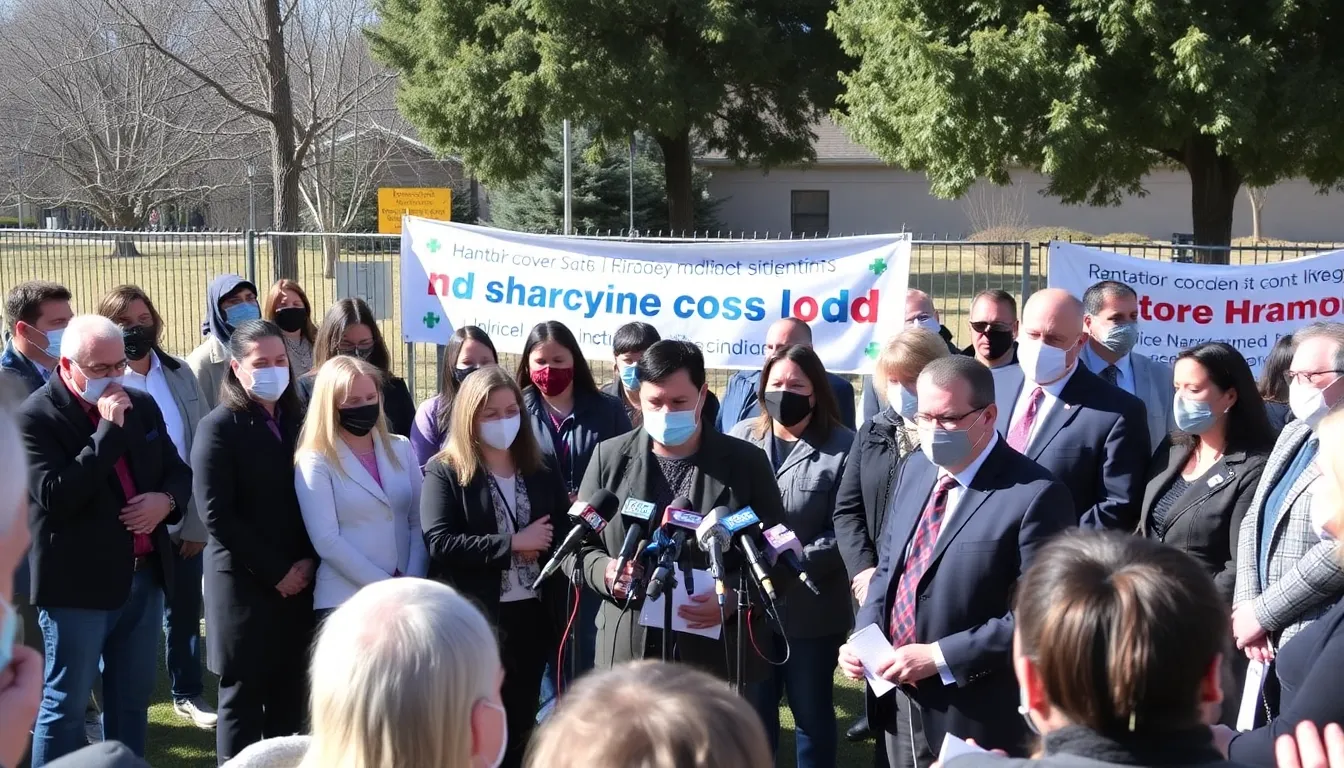
However, funding cuts to public health programs, particularly during the Trump administration, have raised concerns about the nation’s ability to respond effectively to new and existing health threats, including hantavirus outbreaks.
In 2018, the Trump administration proposed significant cuts to the CDC’s budget, which would have reduced funding for infectious disease preparedness and response. These cuts were met with criticism from public health experts who argued that such reductions would undermine the nation’s ability to respond to outbreaks and manage potential pandemics. The ongoing debate over public health funding has continued to shape the landscape of U.S. preparedness for infectious diseases.
Key Milestones in U.S. Public Health Funding
Over the past two decades, several key milestones have influenced U.S. public health funding and preparedness. The 2001 anthrax attacks led to increased funding for bio-defense and emergency preparedness. However, subsequent budget cuts, particularly during the 2010s, have eroded many of the gains made in public health infrastructure. The COVID-19 pandemic further exposed these vulnerabilities, revealing how years of underfunding and policy shifts have compromised the nation’s ability to respond to health crises, including the threat posed by hantavirus.
Key Stakeholders and Issues in Hantavirus Preparedness
The Centers for Disease Control and Prevention (CDC) and the National Institutes of Health (NIH) are primary federal agencies tasked with monitoring and managing infectious disease outbreaks, including Hantavirus.
State health departments also hold significant responsibilities, often implementing local strategies based on federal guidelines. Their interests typically revolve around resource allocation, public safety, and maintaining public trust. Non-profit organizations, such as the American Public Health Association, advocate for increased funding and support for disease prevention initiatives, emphasizing the need for comprehensive public health infrastructure.
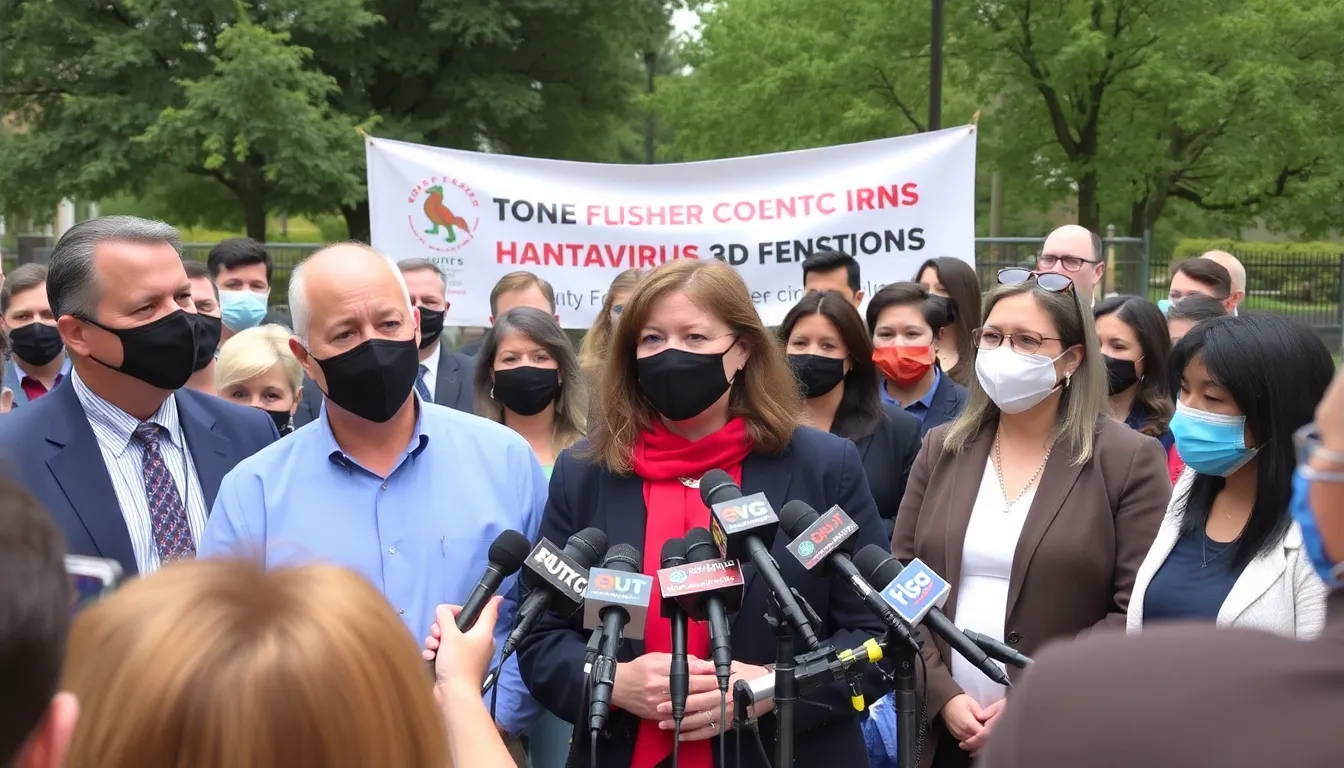
Economic considerations further complicate the landscape. Budget cuts at the federal level, particularly during the Trump administration, have raised concerns about the adequacy of funding for health agencies. These cuts can lead to reduced surveillance capabilities, diminished research funding, and a lack of preparedness for potential outbreaks. As a result, there is a growing tension between the need for robust public health measures and the fiscal constraints imposed by government policies.
- Federal Agencies: Focus on disease monitoring and prevention but face budgetary constraints.
- State Health Departments: Responsible for local implementation of health strategies, often limited by federal support.
- Non-Profit Organizations: Advocate for public health funding and education, pushing for stronger policies.
- Private Sector: Involved in research and development of treatments and vaccines, influenced by funding availability.
- Public Interest: Citizens demand effective health responses, raising issues of accountability and transparency.
Conflicts arise as stakeholders navigate the trade-offs between immediate public health needs and long-term funding strategies. The challenge lies in balancing these interests while ensuring that the U.S. is adequately prepared for future outbreaks. The ongoing debate over health funding and policy highlights the critical need for a unified approach to public health that transcends political divisions and prioritizes the well-being of the population.
Impact of Budget Cuts on Public Health and Safety
The recent resurgence of Hantavirus cases highlights the vulnerabilities within the U.S. public health system, exacerbated by budget cuts initiated during the Trump administration. Various groups, including rural communities, healthcare providers, and environmental health organizations, are directly affected by these funding reductions.
Rural areas, where rodent populations are often higher, face increased risks of Hantavirus outbreaks. The lack of adequate funding for disease surveillance and prevention programs can lead to delayed responses, putting local populations at greater risk. Additionally, healthcare providers in these regions may struggle to manage cases effectively without the necessary resources and training.
In the short term, businesses in affected regions may experience disruptions due to increased absenteeism and healthcare costs. Workers may become hesitant to engage in outdoor activities or agricultural work, impacting industries such as agriculture, tourism, and recreation. The fear of Hantavirus could also lead to changes in consumer behavior, affecting local economies.
In the mid-term, policymakers may face pressure to reallocate funds to improve public health infrastructure and response capabilities. This could lead to renewed discussions about the importance of investing in preventive health measures and disease management. However, the ongoing challenge remains in balancing budgets while ensuring adequate health protections.
- Increased health risks for rural populations.
- Economic impacts on local businesses reliant on outdoor activities.
- Potential for policy shifts towards enhanced public health funding.
- Opportunities for health organizations to advocate for better preparedness.
While the situation presents significant risks, it also offers opportunities for innovation in public health strategies and community engagement. Stakeholders may find ways to collaborate on enhancing disease prevention efforts, ultimately leading to a more resilient public health framework.
A: Hantavirus is a viral infection spread primarily through contact with rodent droppings, urine, or saliva. It can cause severe respiratory issues in humans. A: Budget cuts during the Trump administration have reduced funding for public health programs, leading to decreased surveillance, prevention efforts, and response capabilities for diseases like Hantavirus. A: Symptoms of Hantavirus infection include fever, muscle aches, dizziness, and difficulty breathing. Early diagnosis and treatment are crucial for recovery. A: Preventive measures include avoiding contact with rodents, sealing entry points in homes, and maintaining cleanliness to reduce rodent populations. A: Currently, there is no vaccine for Hantavirus. Prevention focuses on reducing exposure to the virus through environmental control.
Frequently Asked Questions about Hantavirus and Preparedness
Insights and Future Outlook on U.S. Health Preparedness
The recent Hantavirus outbreak serves as a stark reminder of the vulnerabilities within the U.S. health system, exacerbated by budget cuts and policy shifts during the Trump administration. As the nation grapples with the implications of these changes, it is crucial to assess how they impact our ability to respond to emerging health threats.
Moving forward, a comprehensive evaluation of public health funding and infrastructure is essential. Strengthening disease surveillance, investing in research, and ensuring robust communication channels between federal and state agencies will be vital for enhancing preparedness against future outbreaks.
- Increased Investment in Public Health: Advocating for restored funding to public health initiatives will be critical in building a resilient health system.
- Enhanced Surveillance Systems: Developing advanced tracking and reporting systems for emerging diseases can lead to quicker responses and better resource allocation.
- Collaboration Across Agencies: Fostering partnerships between federal, state, and local health departments will improve coordination and response efforts during health crises.
- Public Awareness Campaigns: Educating communities about potential health risks and preventive measures can empower individuals and reduce the spread of diseases.
- Research and Development: Supporting innovative research into vaccines and treatments for zoonotic diseases will be crucial for future preparedness.