


In October 2023, a series of high-level meetings took place between Chinese officials and leaders from Japan, South Korea, and several Southeast Asian nations. These discussions centered around economic cooperation and regional security, indicating a willingness among these countries to strengthen ties with China amid U.S. unpredictability. Notably, Japan’s Prime Minister has expressed interest in enhancing trade relations with China, a move that signals a potential pivot away from U.S. influence. For more on how trade dynamics are shifting, you can read about India and the EU’s significant trade agreement.
Furthermore, the Biden administration’s approach to China has faced criticism for lacking a coherent strategy, particularly in light of Trump’s previous confrontational stance. Allies are increasingly concerned about the U.S. commitment to regional security, especially as China continues to assert its dominance in the South China Sea. This uncertainty has prompted nations like Australia and Canada to explore closer economic partnerships with China.
The implications of this shift are profound, as it could lead to a more fragmented international order where U.S. allies feel compelled to balance their relationships between Washington and Beijing. As the geopolitical landscape continues to change, the responses from both the U.S. and China will be crucial in shaping future alliances and economic partnerships in the Asia-Pacific region.
Historical context of US alliances and China
The geopolitical landscape of the 21st century has been significantly shaped by the relationships between major powers, particularly the United States and China. The end of the Cold War marked a shift in global alliances, with the US emerging as the sole superpower and China beginning its ascent as a formidable economic force. Historically, the US has maintained a network of alliances in Asia, Europe, and beyond, aimed at countering the influence of rival powers and promoting democratic values. However, recent political developments, particularly during the Trump administration, have strained these alliances and inadvertently pushed some US allies closer to Beijing, echoing sentiments expressed by figures such as Stellan Skarsgård regarding Trump’s impact on international relations.
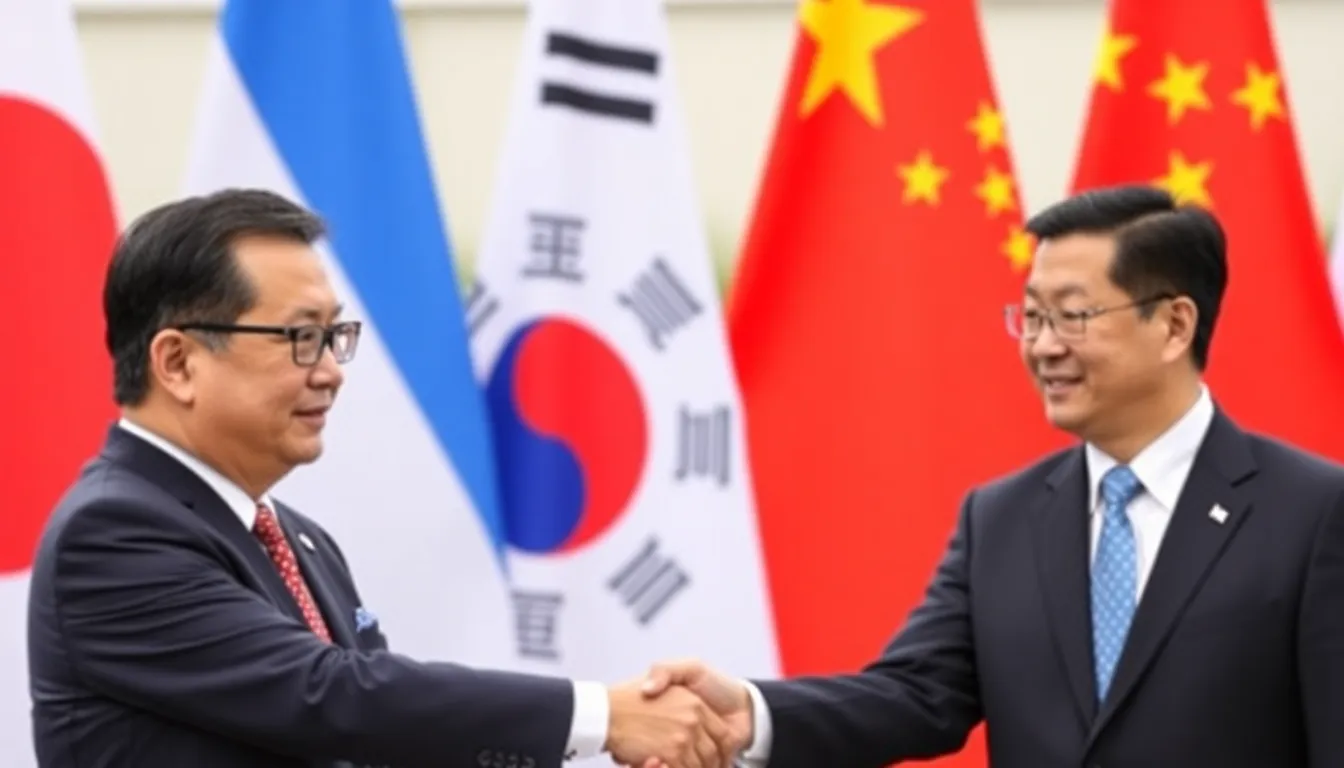
One of the pivotal moments in this evolving dynamic was the US-China trade war initiated in 2018. Under President Trump, the US adopted a confrontational stance towards China, imposing tariffs on billions of dollars’ worth of Chinese goods. This aggressive economic policy not only raised tensions between the two nations but also led to a reevaluation of trade relationships among US allies. Countries like Japan and South Korea found themselves caught in the crossfire, navigating their economic dependencies on China while trying to maintain strong ties with the US.
Moreover, Trump’s foreign policy approach, characterized by an “America First” mentality, often undermined traditional alliances. His administration’s withdrawal from key international agreements, such as the Paris Climate Accord and the Iran Nuclear Deal, alienated allies who sought a more multilateral approach to global issues. This shift in US foreign policy created a vacuum that China has been eager to fill, offering economic partnerships and investments to countries that felt neglected by Washington.
The Belt and Road Initiative
China’s Belt and Road Initiative (BRI), launched in 2013, has further accelerated this trend. The BRI aims to enhance global trade and stimulate economic growth across Asia and beyond through infrastructure investments. As US allies, particularly in Southeast Asia and Africa, increasingly engage with China for development projects, they find themselves drawn into Beijing’s orbit. This growing economic interdependence poses challenges for US influence in these regions, as countries weigh the benefits of partnering with China against their historical ties with the US.
In summary, the combination of aggressive US trade policies, a shift towards unilateralism under Trump, and China’s proactive economic strategies has contributed to a realignment of international relations. As US allies reassess their positions, the implications for global geopolitics and the balance of power between the US and China are becoming increasingly pronounced, illustrating the challenges nations face as they navigate this complex landscape.
Key stakeholders and their interests in the shifting dynamics
In the evolving geopolitical landscape marked by increasing tensions between the United States and China, several key stakeholders are shaping the discourse and decisions that could redefine international alliances. These actors include national governments, multinational corporations, and various international organizations, each with distinct interests that influence their positions on this complex issue.
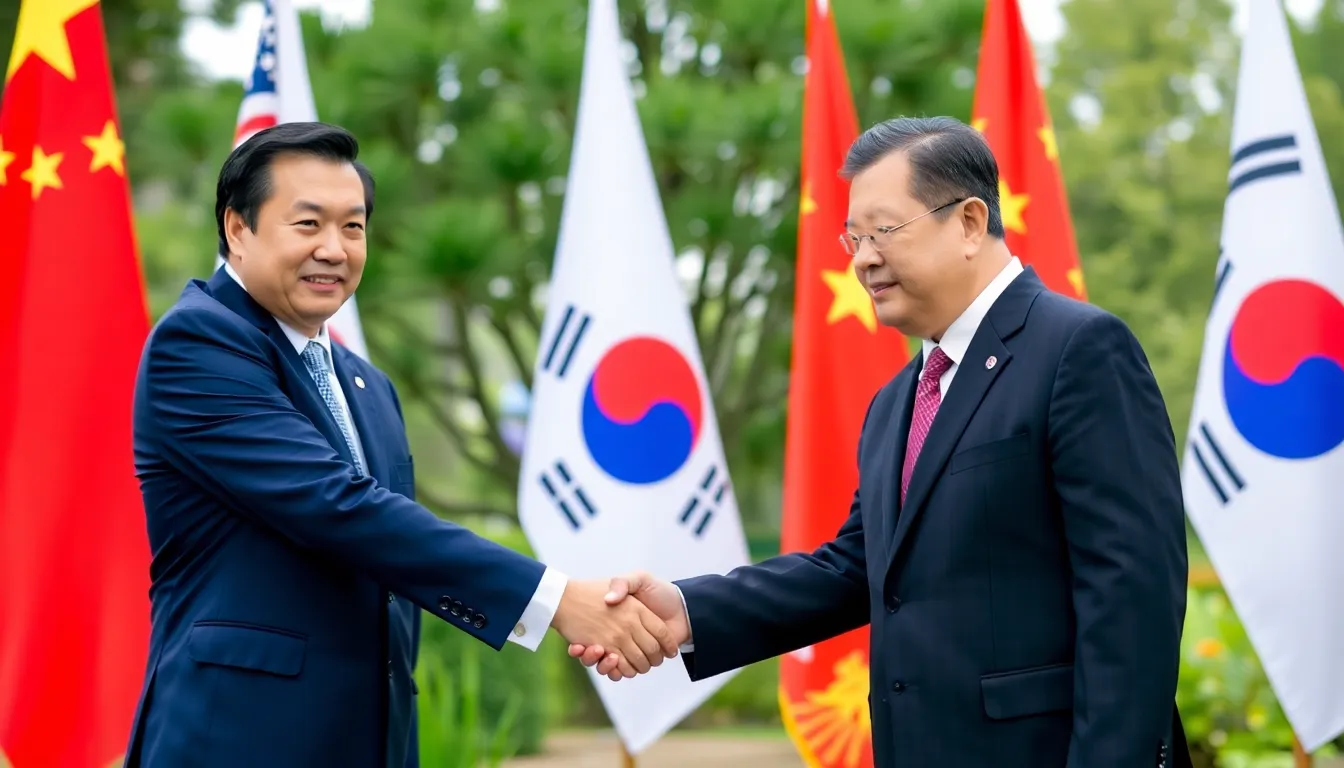
At the forefront are the United States and China, representing two of the world’s largest economies. The U.S. government, under the Biden administration, seeks to maintain its global leadership and counter China’s growing influence, particularly in regions traditionally aligned with the West. Conversely, China aims to solidify its status as a global power, expanding its economic reach through initiatives like the Belt and Road Initiative, which seeks to enhance trade and infrastructure connectivity across Asia and beyond.
Allied nations, particularly in Europe and Asia, find themselves in a precarious position. As U.S. policies, including tariffs and trade restrictions, create friction, these countries must navigate their relationships with both superpowers. For instance, nations like Japan, South Korea, and members of the European Union are balancing their historical ties with the U.S. against their economic interests in China. This creates a complex web of dependencies and potential conflicts.
- Economic Interests: Many countries rely on trade with China, which complicates their support for U.S. policies that may alienate Beijing.
- Security Concerns: Regional security dynamics, especially in the Indo-Pacific, push allies to consider military partnerships with the U.S. while not fully severing ties with China.
- Technological Competition: The race for technological supremacy, particularly in areas like 5G and artificial intelligence, creates a battleground where stakeholders must choose sides.
- Human Rights Issues: U.S. allies are often caught between advocating for human rights in China and maintaining beneficial trade relations.
- Global Governance: Organizations like the United Nations and World Trade Organization are pivotal in mediating tensions, but their effectiveness is often challenged by the competing interests of member states.
This intricate interplay of interests and conflicts illustrates the challenges faced by nations as they navigate a world increasingly defined by the rivalry between the U.S. and China. The decisions made by these stakeholders will have far-reaching implications, not only for their own countries but for the global order as a whole.
Potential impacts on global markets and political alliances
The shifting dynamics between the United States and its allies, particularly as a result of former President Trump’s policies and rhetoric, have led to significant changes in global markets and political alliances. Various groups, industries, and regions are feeling the effects of this realignment, which could reshape the economic landscape for years to come.
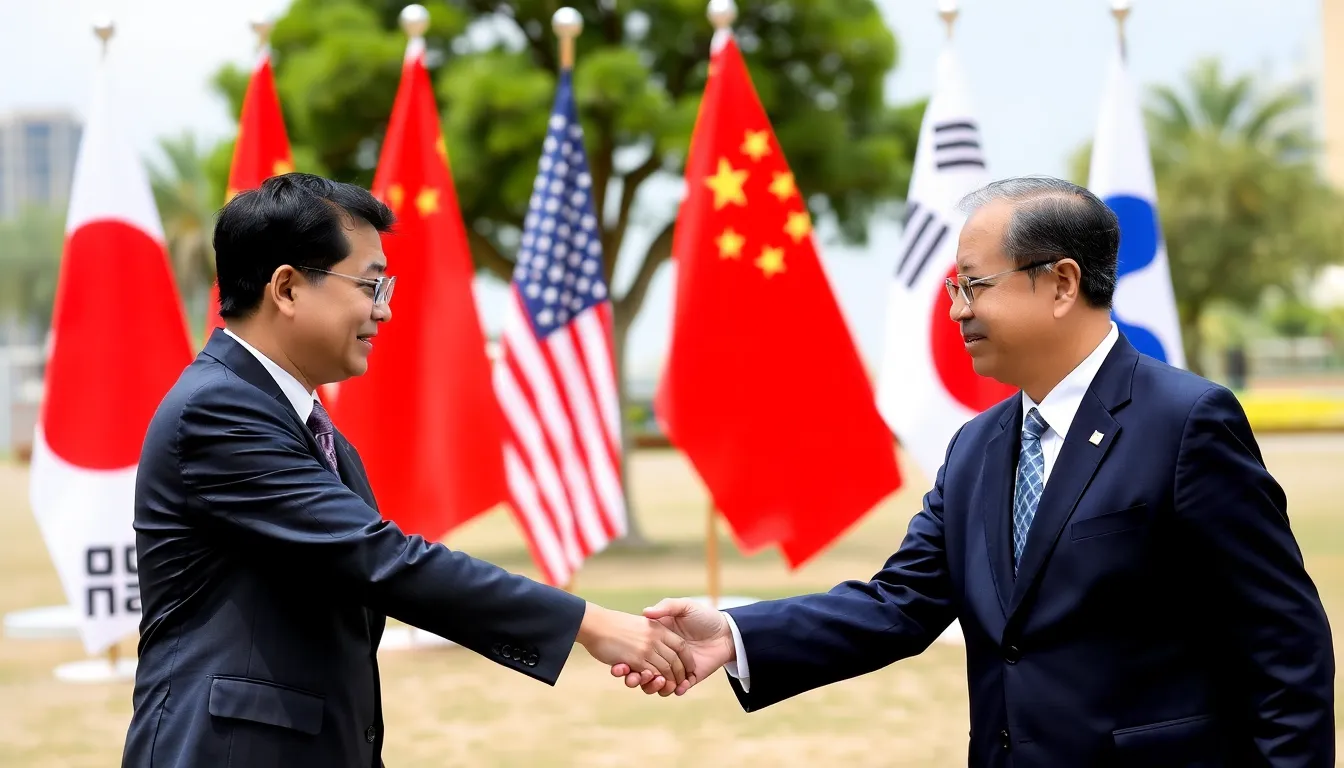
One of the most affected groups includes multinational corporations that have relied on stable trade relations with both the U.S. and China. Industries such as technology, manufacturing, and agriculture are particularly vulnerable. As U.S. allies explore closer ties with China, companies may face increased competition from Chinese firms and altered supply chains.
- Short-term impacts: Businesses may experience immediate disruptions in trade agreements, leading to increased costs and uncertainty.
- Mid-term impacts: Potential shifts in investment patterns could lead to a reallocation of resources toward regions more favorable to China.
Regions such as Southeast Asia and Europe are also witnessing a shift in their political alliances. Countries may be incentivized to strengthen ties with China to counterbalance U.S. influence, which could lead to a more fragmented global political landscape. This realignment may foster new economic partnerships, but it also poses risks of geopolitical tensions.
While the risks are evident, there are also opportunities for innovation and collaboration. As U.S. allies engage with China, there could be increased investment in green technologies and infrastructure projects. This shift may create new markets for businesses willing to adapt and innovate in response to the evolving landscape.
A: Trump’s unpredictable actions have led to a reevaluation of US foreign policy, pushing allies to reconsider their positions and alliances. A: Many US allies see China as a stable partner for trade and investment, especially in light of the uncertainties created by US policies. A: The long-term implications could include a weakened US influence globally and a stronger, more unified bloc of countries aligned with China. A: Yes, countries like Australia and Canada have shown signs of strengthening ties with China, especially in trade agreements. A: A shift towards China could lead to new trade alliances and potentially alter existing trade routes and agreements.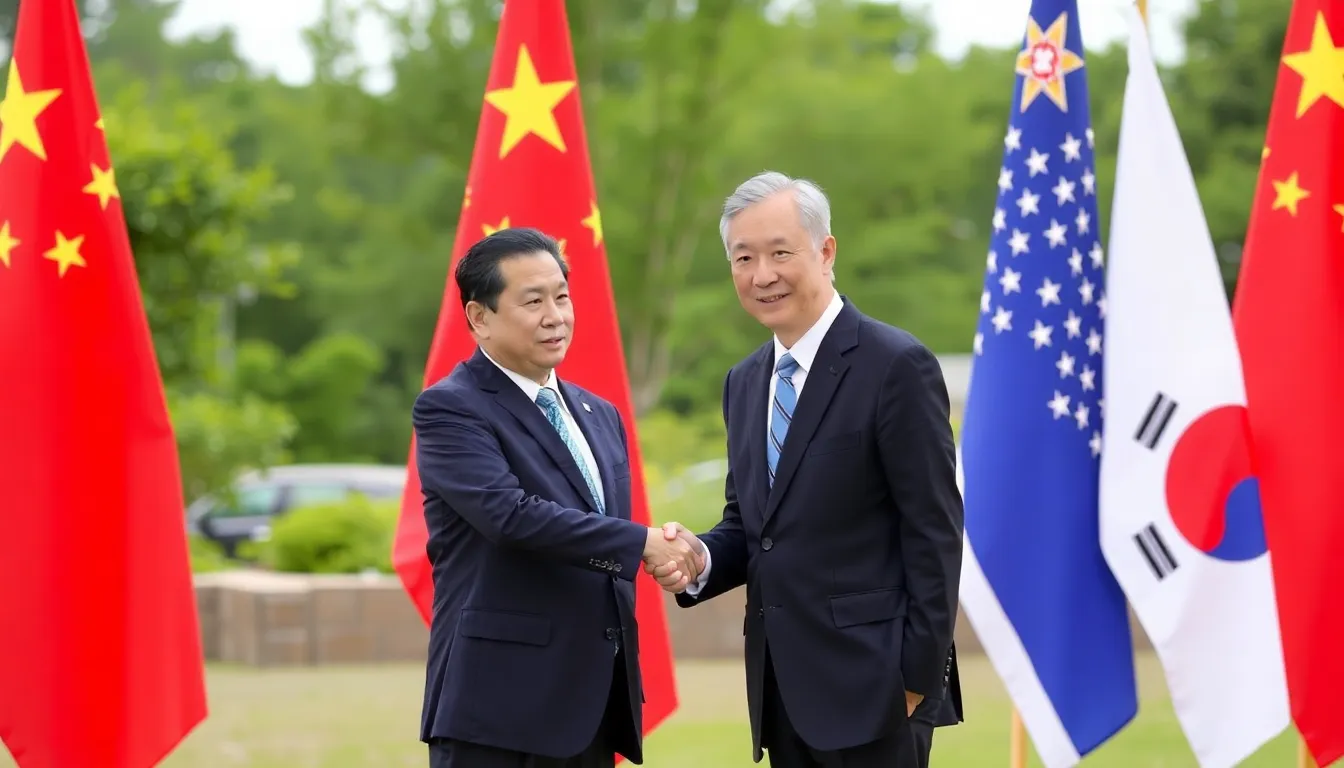
Frequently asked questions about US-China relations
Key takeaways and future outlook on US-China ties
The shifting dynamics in US-China relations, particularly in the context of Trump’s approach, reveal a complex landscape where traditional alliances are being tested. As US allies reassess their geopolitical strategies, the growing influence of China presents both challenges and opportunities for global governance and economic collaboration. The implications of these developments are significant, suggesting a potential realignment in international partnerships.
Looking ahead, it is essential to monitor how these changes will shape regional stability and economic policies. The responses of key players in the Asia-Pacific region will be crucial in determining the future balance of power and the nature of US-China competition.
- Increased collaboration among US allies: Countries may seek deeper ties with Beijing as they navigate the uncertainties of US foreign policy.
- China’s role in global governance: Expect China to position itself as a leader in international organizations, potentially reshaping global norms.
- Economic dependencies: Watch for growing economic interdependencies that could complicate US efforts to isolate China.
- Regional security dynamics: The security landscape in Asia may shift, with countries recalibrating their defense strategies in response to perceived threats.
- Impact on trade agreements: Future trade negotiations may be influenced by the changing allegiances and economic priorities of US allies.