


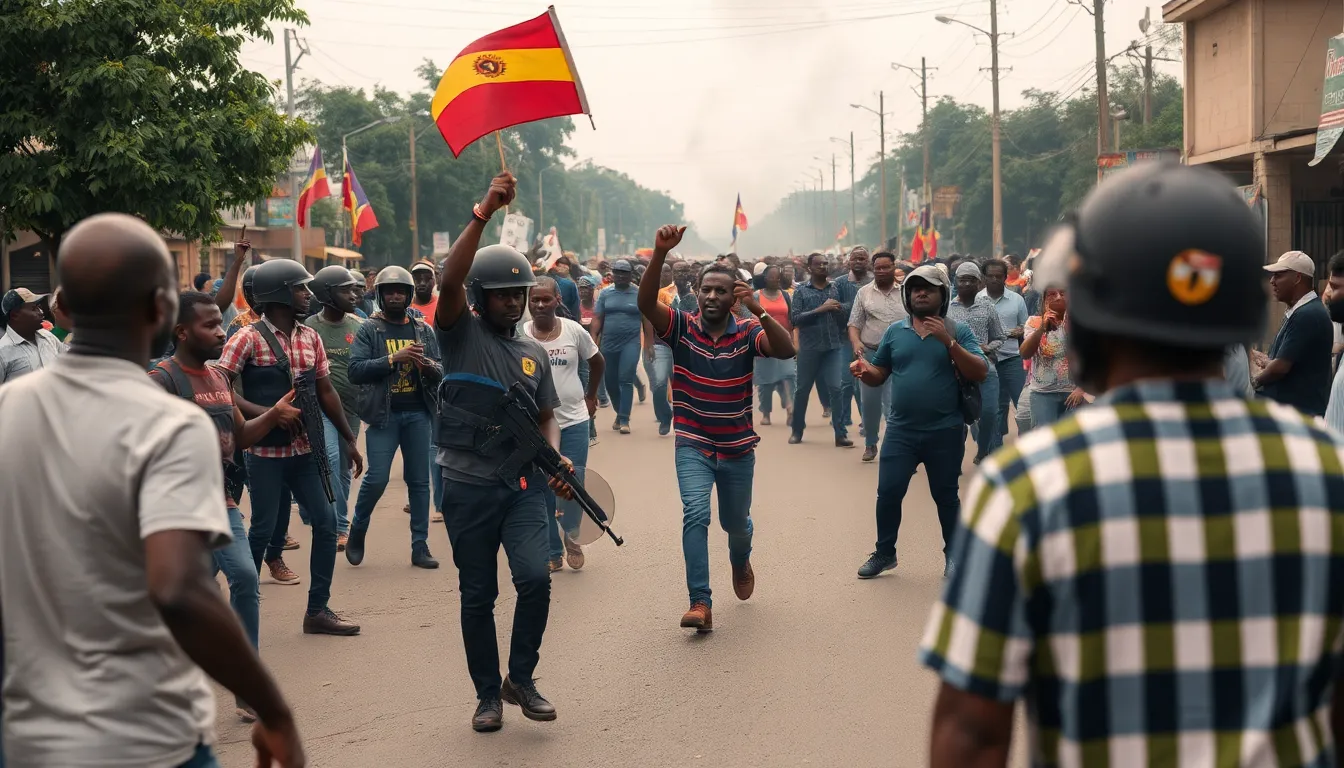
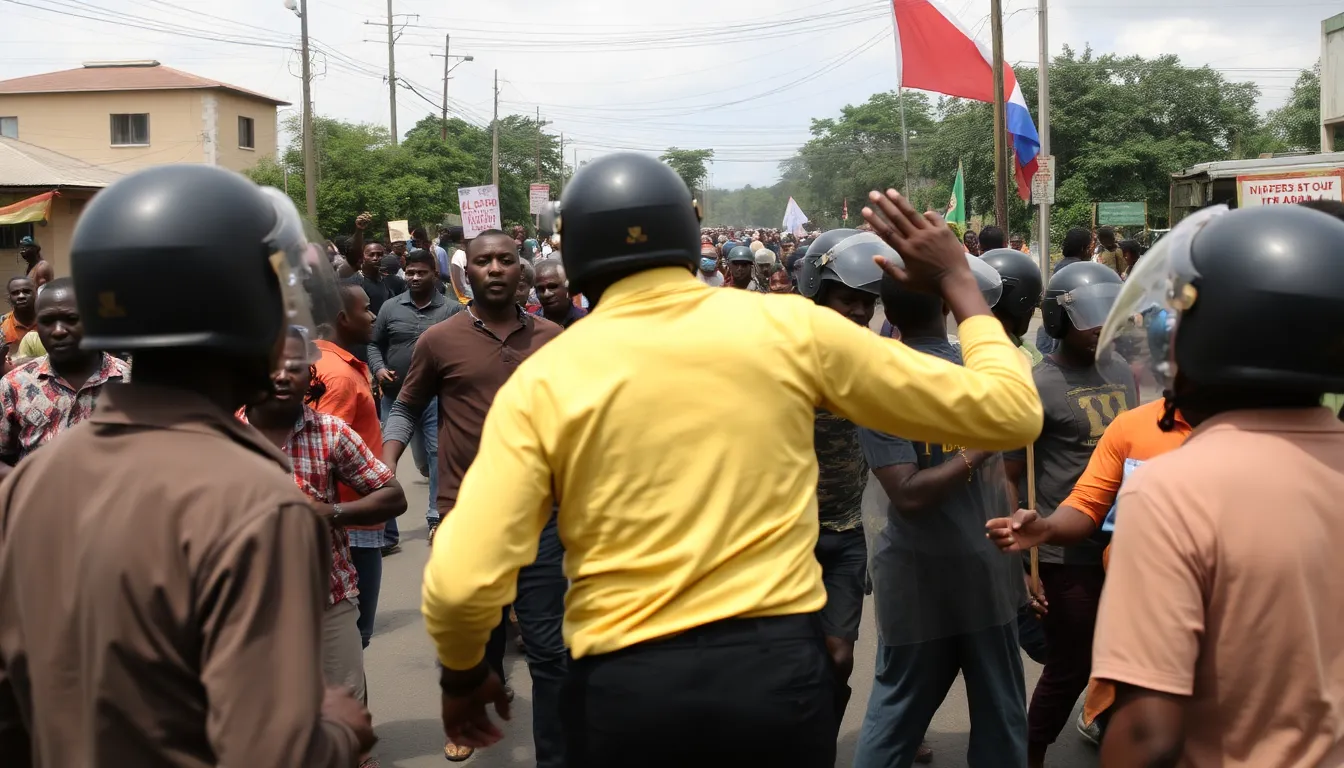
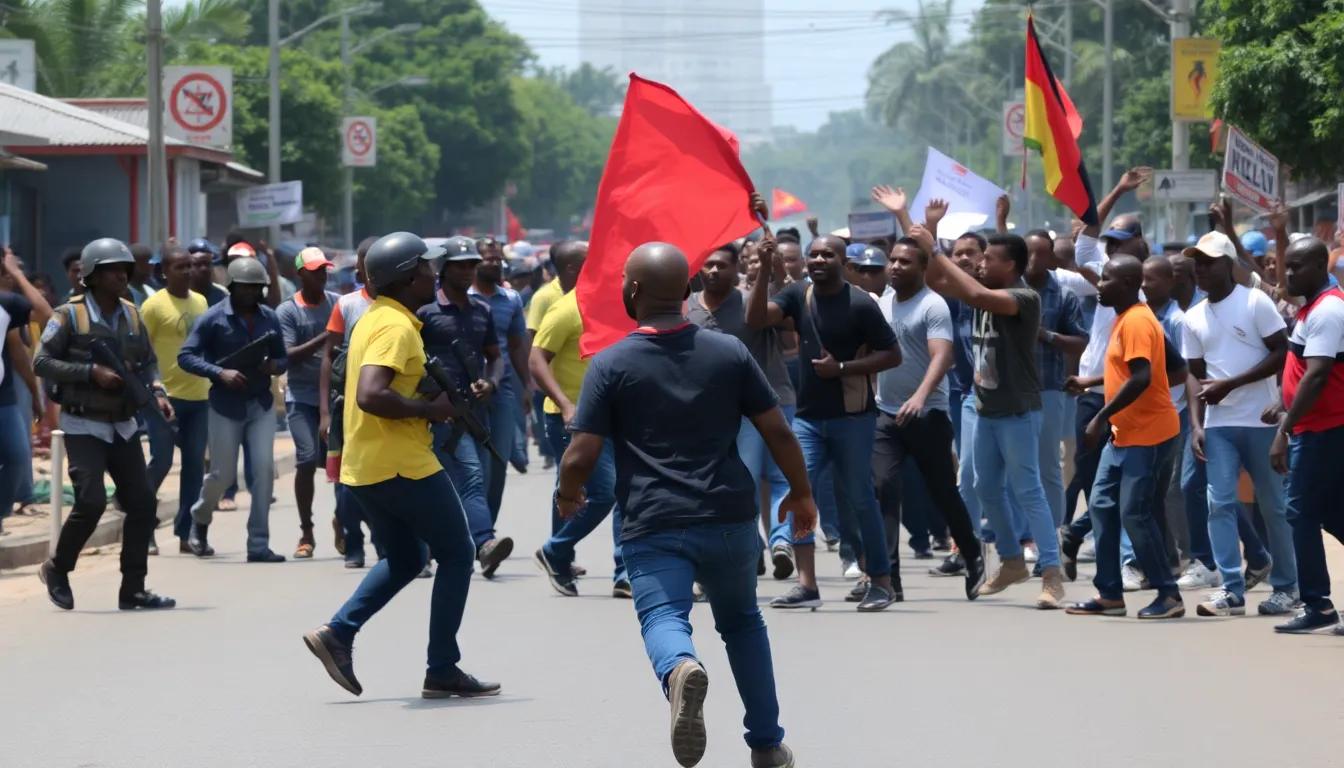
In the aftermath of the elections, the country witnessed clashes between security forces and opposition supporters, resulting in multiple fatalities and injuries. Reports indicate that at least 22 people were killed during the unrest, prompting widespread condemnation from human rights organizations and the international community.
The Tanzanian government has since issued a report claiming that “outside forces” were responsible for inciting the violence, a narrative that has been met with skepticism by opposition leaders and observers. Critics argue that the government’s stance aims to deflect blame and suppress dissent, rather than address the underlying issues of electoral integrity and political repression.
This situation has raised concerns about the future of democracy in Tanzania, as opposition parties continue to face significant challenges in voicing their grievances. The events underscore the delicate balance between maintaining order and respecting the rights of citizens to participate freely in the political process.
Exploring the background of Tanzania’s political landscape
Tanzania, a country located in East Africa, has a rich and complex political history that has shaped its current landscape. Since gaining independence from British colonial rule in 1961, Tanzania has experienced a series of political transformations, including the establishment of a one-party state under the leadership of Julius Nyerere. Nyerere’s policies of Ujamaa, or African socialism, aimed to unify the nation but also led to significant economic challenges and political repression.
In the 1990s, Tanzania transitioned to a multi-party system, allowing for greater political competition. However, this shift did not eliminate the underlying tensions within the country. The ruling party, Chama Cha Mapinduzi (CCM), has maintained a strong grip on power, often facing accusations of electoral fraud and suppression of dissent. The 2015 elections marked a significant turning point, as opposition leader Edward Lowassa, who had defected from the CCM, posed a serious challenge, leading to increased political polarization.
Recent Election Violence and Its Causes
The 2020 general elections were marred by violence and allegations of irregularities, resulting in a crackdown on opposition parties and their supporters. The aftermath of the elections saw heightened tensions, with reports of extrajudicial killings and arrests of dissenters. The recent report blaming ‘outside forces’ for the violence reflects a narrative that seeks to deflect responsibility from domestic political dynamics. This perspective is often used by the government to rally nationalist sentiments while diverting attention from internal issues.
Economically, Tanzania has been on a growth trajectory, yet this growth has not been equitably distributed, leading to social discontent. The youth, who make up a significant portion of the population, are increasingly frustrated with the lack of opportunities and political representation. This demographic factor plays a crucial role in the ongoing unrest, as young people are often at the forefront of protests and calls for political change.
Understanding the historical context of Tanzania’s political environment is essential to grasp the complexities of its current situation. The interplay of historical grievances, economic disparities, and political repression continues to fuel a volatile atmosphere, where accusations of external interference serve to complicate an already intricate narrative of governance and national identity.
Analyzing the stakeholders involved in the election violence
The recent report from Tanzania attributing the deadly election violence to ‘outside forces’ highlights a complex web of stakeholders with varying interests. The main actors include the Tanzanian government, opposition parties, international observers, and civil society organizations. Each of these entities plays a critical role in shaping the political landscape and addressing the aftermath of the violence.
The Tanzanian government, led by the ruling party, has a vested interest in maintaining power and control over the political narrative. By blaming external influences, the government seeks to deflect responsibility and consolidate its position against both domestic and international criticism. This approach may serve to rally nationalistic sentiments among supporters while undermining the credibility of opposition claims.
Opposition parties, on the other hand, are motivated by the need to challenge the ruling party’s authority and advocate for electoral reforms. They argue that the violence was a result of state-sponsored actions rather than foreign interference. This perspective is essential for rallying public support and legitimizing their calls for accountability and transparency in future elections.
- International Observers: These entities are crucial for assessing the legitimacy of the electoral process. Their findings can influence international relations and aid to Tanzania.
- Civil Society Organizations: These groups aim to promote democracy and human rights, often acting as watchdogs to hold the government accountable for election-related violence.
- Foreign Governments: Various nations may have interests in Tanzania’s stability and democracy, impacting their diplomatic relations and economic support based on the election’s outcome.
Key issues at play include the legal ramifications of the violence, potential economic sanctions, and the broader implications for Tanzania’s political stability. The narrative surrounding foreign interference complicates international diplomatic efforts and may affect foreign investment, as potential investors seek stable environments for their operations.
Assessing the impact on citizens and the political climate
The recent report attributing the deadly election violence in Tanzania to ‘outside forces’ has significant implications for various groups and industries within the country. Citizens, particularly those in politically volatile regions, are directly affected as they navigate an environment marked by fear and uncertainty. The political landscape is also shaped by these events, influencing voter behavior and trust in governmental institutions.
In the short term, daily life for many Tanzanians is likely to be disrupted. Increased security measures may be implemented, leading to restrictions on movement and gatherings, which can affect local businesses and community interactions. Key industries such as tourism and hospitality may experience a decline in visitors, impacting revenue and employment opportunities.
Mid-term impacts could include shifts in policy as the government responds to the violence and its causes. There may be increased pressure for reforms in electoral processes and greater accountability for security forces. However, this could also lead to heightened tensions between the government and opposition groups, further polarizing the political environment.
- Risks: Escalation of violence, loss of public trust in electoral systems, and economic downturns in affected sectors.
- Opportunities: Potential for political reforms, increased international attention and support, and community resilience initiatives.
Overall, the ramifications of the election violence extend beyond immediate safety concerns, affecting the socio-economic fabric of Tanzanian society and presenting both challenges and opportunities for its future. The response from both citizens and leadership will be crucial in determining the path forward.
A: The report suggests that outside forces, including foreign entities, have played a significant role in inciting violence during the elections. A: The government has expressed skepticism regarding the findings, emphasizing internal issues rather than external influences. A: The violence could lead to increased political instability, affecting both local governance and international relations. A: Citizens are divided, with some supporting the report’s claims while others believe it undermines local accountability. A: Yes, various civil society organizations are calling for investigations and accountability measures to address the violence.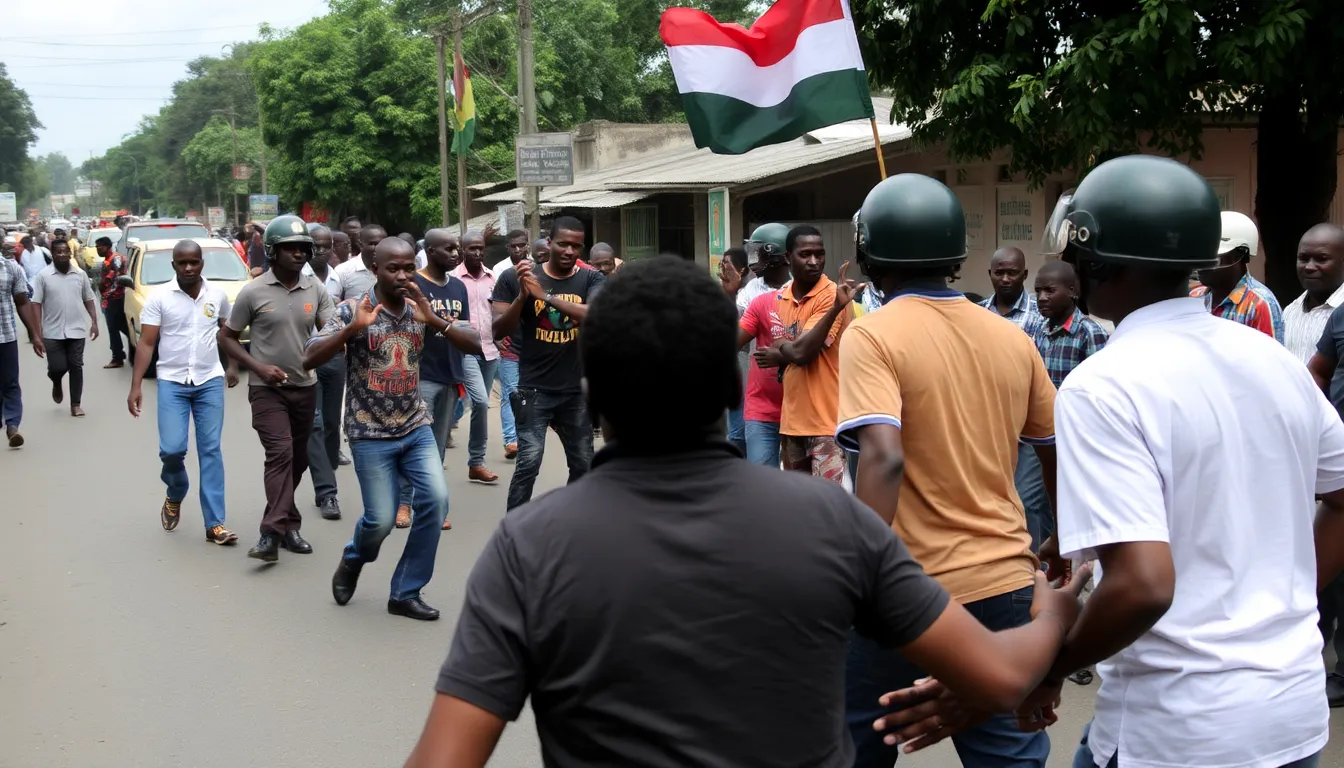
Frequently asked questions about the election violence report
Key takeaways and future outlook on Tanzania’s political situation
The recent report attributing the deadly election violence in Tanzania to ‘outside forces’ highlights the complex interplay of domestic and international influences on the country’s political landscape. As tensions remain high, it is crucial to monitor how these allegations will shape both internal politics and international relations moving forward.
Looking ahead, the implications of this report suggest a potential shift in how the Tanzanian government addresses dissent and the role of external actors in its political affairs. Observers should remain vigilant regarding the government’s response and the broader impact on civil society and electoral integrity.
- Increased scrutiny of foreign involvement in Tanzanian politics may lead to heightened diplomatic tensions.
- The government’s narrative of external blame could impact its domestic legitimacy and public trust.
- Potential for intensified crackdowns on opposition groups as the government seeks to consolidate power.
- Watch for shifts in international aid and investment as global actors respond to Tanzania’s political climate.
- Continued unrest could provoke a reevaluation of electoral processes and reforms in the lead-up to future elections.