


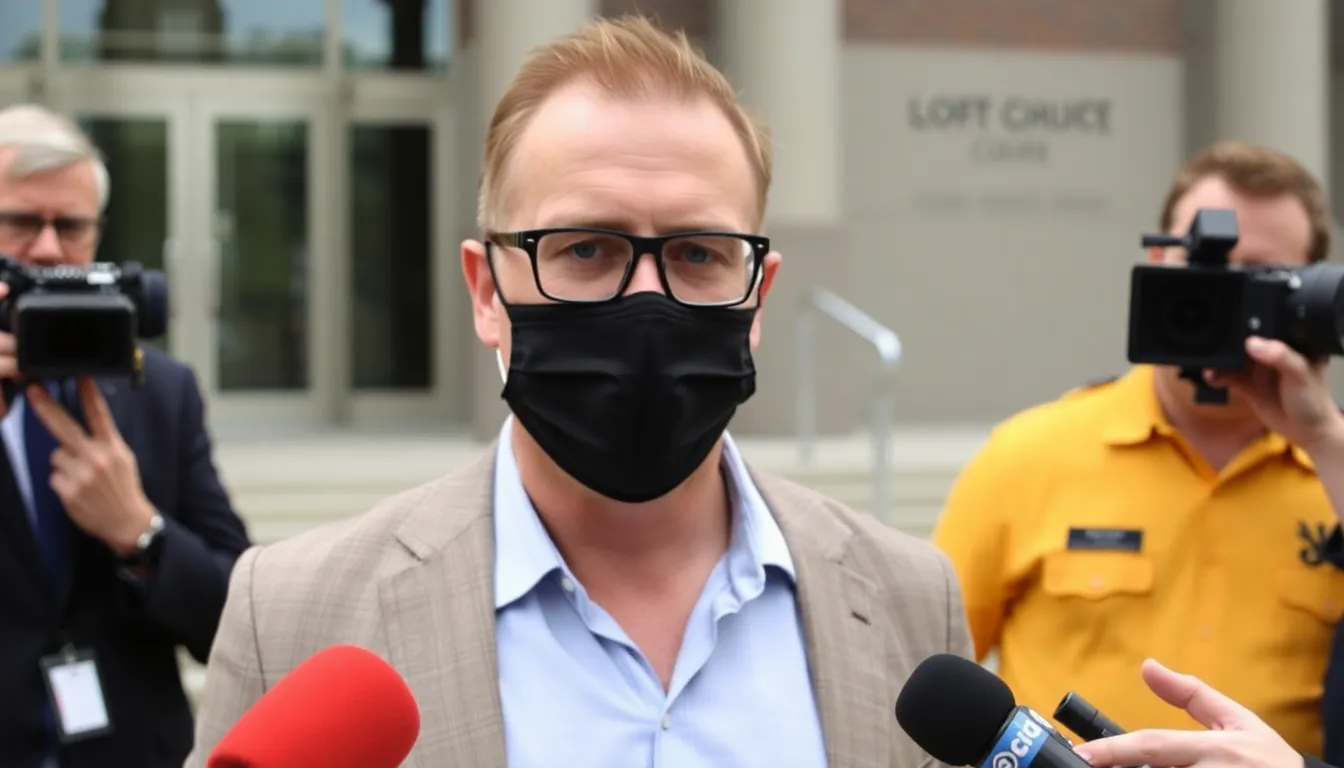
The accused, whose identity has not been disclosed, faced multiple charges, including the use of digital manipulation to create explicit images without the consent of the individuals depicted. This case has drawn widespread attention as it highlights the growing concerns surrounding deepfake technology, which has the potential to misuse personal images and violate privacy rights. For further insights into similar legal cases, you can read about a YouTuber arrested for pepper-spraying incidents amid lawsuit.
Legal experts and advocates for digital rights emphasize the importance of this case in setting a precedent for future rulings on similar matters. The increasing accessibility of deepfake technology raises questions about accountability and the need for regulations to protect individuals from such violations. The outcome of this case may influence how laws evolve to address these emerging threats.
As society grapples with the implications of artificial intelligence and digital media, this guilty plea serves as a reminder of the urgent need for informed discussions about consent and the ethical use of technology. The case is expected to resonate beyond Australia, prompting international dialogue on the legal frameworks necessary to combat the misuse of deepfake technology.
Understanding the rise of deepfake technology and its implications
The advent of deepfake technology can be traced back to advancements in artificial intelligence and machine learning, particularly in the realm of image and video processing. Initially developed for benign purposes such as film production and gaming, deepfake technology has rapidly evolved, leading to both innovative applications and significant ethical concerns. The ability to create hyper-realistic videos where individuals appear to say or do things they never actually did has sparked intense debates about consent, privacy, and the potential for misuse.

In recent years, the proliferation of deepfake content has been particularly alarming in the context of non-consensual pornography. Victims, often women, find themselves targeted without their knowledge or consent, leading to severe emotional distress and reputational damage. This misuse of technology has prompted calls for legal reforms and increased awareness regarding digital rights and personal privacy. Such discussions are vital as public interest rises, much like the case of China Evergrande’s billionaire boss pleading guilty to fraud.
Key Milestones in the Deepfake Debate
Several key events have marked the evolution of the deepfake debate. In 2018, the release of a deepfake tool that allowed users to swap faces in videos brought the technology into the mainstream, prompting immediate concerns from lawmakers and advocacy groups. As deepfake incidents grew in number, various platforms began implementing policies to combat the spread of non-consensual content. In 2020, the United States Congress introduced legislation aimed at addressing deepfake-related crimes, setting a precedent for other nations to follow.
Australia’s legal landscape has also been adapting to the challenges posed by deepfake technology. The recent case of an Australian man pleading guilty to creating deepfake pornography represents a significant moment in the legal fight against digital exploitation. This landmark case not only highlights the dangers of deepfake technology but also emphasizes the urgent need for comprehensive laws that protect individuals from such violations while balancing freedom of expression in the digital age.
Key stakeholders and the major issues surrounding deepfake pornography
The emergence of deepfake technology has raised significant concerns across various sectors, particularly in the realm of pornography. This landmark case involving an Australian individual who pleaded guilty to creating deepfake porn highlights the complexities of this issue. Key stakeholders include the individuals depicted in deepfakes, technology companies, legal authorities, and advocacy groups.
Victims of deepfake pornography are often at the forefront of this issue, as their images can be manipulated without consent, leading to severe emotional and reputational harm. These individuals have a vested interest in the legal repercussions faced by creators of such content, seeking justice and protection from further exploitation.

Technology companies, particularly those involved in artificial intelligence and image processing, also play a critical role. Their interests lie in balancing innovation with ethical considerations. As deepfake technology becomes more accessible, these companies are pressured to develop solutions that can prevent misuse while promoting legitimate applications of their technologies.
Legal authorities face the challenge of adapting existing laws to address the unique aspects of deepfake pornography. This includes defining consent in the digital age and establishing penalties for offenders. The intersection of privacy rights, freedom of expression, and the potential for harm creates a complex legal landscape that needs careful navigation. As we continue to explore these themes, it’s important to consider the implications for technological advancements, similar to the anticipated pricing strategy for digital games in the Nintendo Switch 2.
- Emotional and reputational harm: Victims often suffer from significant psychological distress and damage to their personal lives.
- Technological innovation vs. ethical responsibility: Companies must find a balance between advancing technology and preventing its misuse.
- Legal adaptation: Existing laws may not adequately cover the nuances of deepfake pornography, necessitating new legislation.
- Public awareness and education: There is a need for greater awareness about the implications of deepfake technology among the general public.
- Advocacy and support groups: These organizations are crucial in providing resources and support for victims and pushing for stronger legal protections.
The impact of this case on victims and the broader community
This landmark case involving an Australian man pleading guilty to creating deepfake pornography has significant implications for various groups and industries. Victims of such deepfake content, often women, face severe emotional and psychological distress. The repercussions extend beyond individual victims to affect societal attitudes toward consent and privacy.
In the short term, this case raises awareness about the dangers of deepfake technology, prompting discussions in educational institutions and workplaces about digital ethics and the importance of consent. Businesses in the tech industry may feel pressure to develop better detection tools for deepfakes to protect users from similar abuses.
Mid-term impacts could see changes in policy and legislation surrounding digital content creation and distribution. Governments may be prompted to enact stricter laws against the creation and sharing of non-consensual deepfake material, which could lead to increased legal protections for individuals. This could also influence how social media platforms regulate user-generated content.
- Victims: Increased psychological trauma and social stigma.
- Tech Industry: Greater demand for deepfake detection technologies.
- Legislation: Potential for new laws addressing digital privacy and consent.
- Social Media Platforms: Pressure to implement stricter content moderation policies.
While the risks are substantial, there are also opportunities for innovation and collaboration. Companies specializing in cybersecurity and artificial intelligence may find new avenues for growth as they develop solutions to combat deepfake threats. Additionally, educational programs focused on media literacy could empower individuals to navigate digital content more responsibly.
A: Deepfake pornography involves the use of artificial intelligence to create realistic but fake images or videos of individuals in sexual contexts without their consent. A: The legal consequences can vary by jurisdiction, but they may include criminal charges, fines, and imprisonment, especially if the content violates privacy laws. A: This case sets a precedent for legal accountability, potentially providing victims with avenues for justice and raising awareness about the harms of such technology. A: Various governments and organizations are developing legislation and technological solutions to detect and prevent the misuse of deepfake technology. A: While it can be challenging to remove deepfake content once it is online, victims can seek legal action and utilize platforms’ reporting mechanisms to have it taken down.
Frequently asked questions about deepfake pornography and legal implications
Key takeaways and future outlook on deepfake legislation
The recent case of an Australian man pleading guilty to creating deepfake pornography highlights the urgent need for comprehensive legislation addressing the misuse of synthetic media. As technology continues to evolve, the potential for deepfakes to infringe on personal privacy and consent becomes increasingly concerning. This landmark ruling may set a precedent for how similar cases are handled globally, prompting lawmakers to take action against the exploitation of deepfake technology.
As society grapples with the implications of deepfake content, it is crucial to monitor the development of legal frameworks that protect individuals while balancing the rights of creators and innovators. The outcomes of this case may influence public perception and regulatory measures surrounding digital content creation, leading to a more informed discourse on ethical boundaries in technology.
- Increased Legal Scrutiny: Expect more jurisdictions to consider or implement laws specifically targeting the creation and distribution of non-consensual deepfake content.
- Public Awareness Campaigns: There may be a rise in initiatives aimed at educating the public about the risks associated with deepfakes and how to identify them.
- Technological Countermeasures: Innovations in detection technology could emerge as a response to the growing prevalence of deepfakes, enhancing digital security measures.
- Impact on Creative Industries: The entertainment and media sectors may face new challenges and opportunities as they navigate the ethical implications of synthetic media.
- Global Collaboration: Countries may begin to collaborate on international standards and agreements to combat the misuse of deepfake technology.