


The fraud case revolves around allegations that Hui and other executives misled investors about the company’s financial health, contributing to a crisis that has affected countless stakeholders, including homeowners and creditors. For a deeper understanding of the implications for the industry, see the article on British Steel’s nationalisation calls.
This legal outcome is particularly significant as it highlights the increasing scrutiny of corporate governance in China, especially within the real estate sector, which has seen a wave of defaults and financial distress. The implications of Hui’s guilty plea could extend beyond Evergrande, potentially impacting investor confidence across the industry.
As the case unfolds, it underscores the challenges facing China’s economy, where real estate plays a crucial role. Analysts are closely monitoring the situation, as it may influence future regulatory measures and the overall recovery trajectory of the property market in the coming months.
Background on China Evergrande and its financial troubles
China Evergrande Group, once the country’s largest property developer, has faced severe financial difficulties since 2021, triggering a crisis that reverberated throughout the global real estate market. Founded in 1996 by billionaire Hui Ka Yan, the company rapidly expanded by leveraging debt to finance ambitious projects across China. At its peak, Evergrande was not only a leader in the real estate sector but also a significant player in various industries, including electric vehicles and healthcare.

The roots of Evergrande’s troubles can be traced back to China’s broader economic policies and the real estate market’s rapid growth. Over the years, the Chinese government encouraged property development as a means to stimulate economic growth. However, by the late 2010s, concerns about excessive borrowing and unsustainable debt levels began to surface. The government implemented new regulations aimed at curbing the debt-fueled growth of property developers, which significantly impacted Evergrande’s ability to finance its operations.
In 2021, Evergrande’s financial troubles came to a head when it defaulted on its debt obligations, amounting to over $300 billion. This default not only threatened the company’s survival but also raised fears of a broader economic fallout, as many other developers and financial institutions were tied to Evergrande’s fate. The situation prompted widespread protests from homebuyers and investors, demanding the completion of unfinished projects and the return of their investments.
The Legal and Regulatory Response
In response to the crisis, the Chinese government intervened to stabilize the situation, implementing measures to protect homebuyers and manage the fallout in the real estate sector. However, the legal implications of Evergrande’s financial practices have come under scrutiny. Hui Ka Yan’s recent guilty plea to fraud marks a significant development in the ongoing saga, highlighting the legal accountability that accompanies corporate mismanagement in China. This case serves as a cautionary tale about the risks of unchecked expansion and the consequences of operating in a heavily regulated environment.
Key stakeholders and issues surrounding the fraud case
The recent guilty plea by China Evergrande’s billionaire founder, Hui Ka Yan, has drawn significant attention from various stakeholders, each with their own interests and concerns. The case highlights the complex interplay between corporate governance, regulatory oversight, and the broader economic landscape in China.
One of the primary stakeholders is the Chinese government, which has a vested interest in maintaining stability in the real estate sector and the overall economy. The Evergrande crisis has raised alarms about potential systemic risks, prompting the government to implement measures aimed at curbing excessive debt and ensuring compliance with regulations. The government’s response will likely influence future regulations and the treatment of other companies in financial distress.
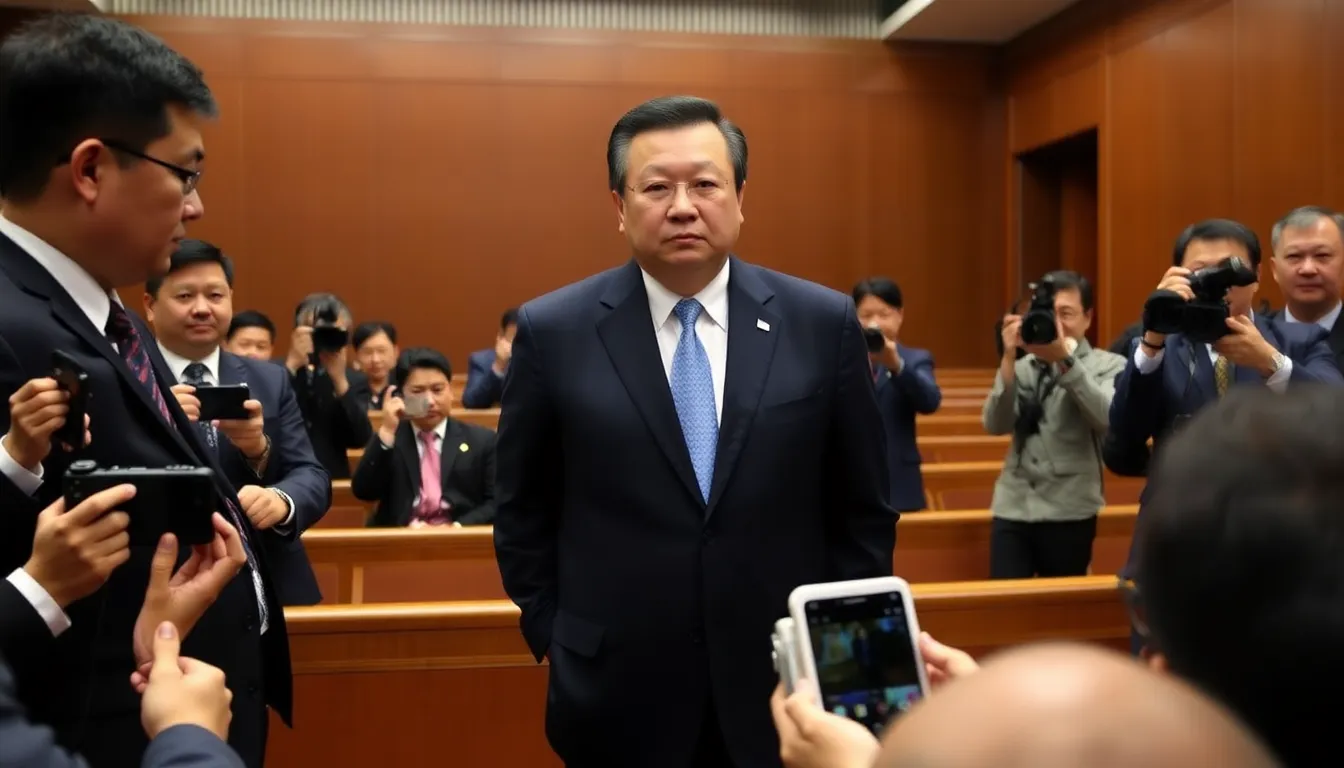
Investors and creditors of Evergrande represent another critical group impacted by the fraud case. Many stakeholders have suffered significant financial losses, leading to a loss of confidence in the real estate market. The resolution of Hui’s case may affect their ability to recover investments and could set a precedent for how similar cases are handled in the future.
- Corporate Governance Issues: The case raises questions about accountability within large corporations and the effectiveness of internal controls.
- Legal Ramifications: Hui’s guilty plea may lead to stricter enforcement of laws governing corporate conduct, affecting future business operations.
- Economic Impact: The outcome of this case could influence investor sentiment and the stability of the real estate market in China.
- Public Trust: The case may erode public trust in both the corporate sector and regulatory bodies, impacting future investments.
In summary, the implications of Hui Ka Yan’s guilty plea extend beyond the individual case, touching on broader themes of corporate ethics, regulatory frameworks, and economic stability in China. Stakeholders will be closely monitoring the developments as they unfold, similar to how Idaho’s service cuts have impacted public trust.
Impact of the guilty plea on investors and the real estate market
The guilty plea of China Evergrande’s billionaire boss has sent shockwaves through various sectors, primarily impacting investors, the real estate market, and the broader Chinese economy. As the company faces increased scrutiny, stakeholders including shareholders, creditors, and potential homebuyers are left grappling with uncertainty regarding the future of Evergrande and its extensive debt obligations, much like what we have seen in the recent developments surrounding Carrick at Man Utd.
In the short term, the immediate effects are likely to manifest in heightened volatility in the stock market, particularly for companies within the real estate sector. Investors may experience a loss of confidence, leading to a sell-off of shares in Evergrande and other property developers. The ripple effect could result in a tightening of credit conditions, making it more challenging for real estate firms to secure financing, thus stalling ongoing projects.
Regions heavily dependent on real estate development, such as Guangdong province, may also feel the brunt of this crisis. With Evergrande’s significant footprint in these areas, local economies could suffer from reduced construction activity, leading to job losses and decreased consumer spending. Additionally, potential homebuyers may hesitate to invest in new properties, fearing a further decline in market stability.
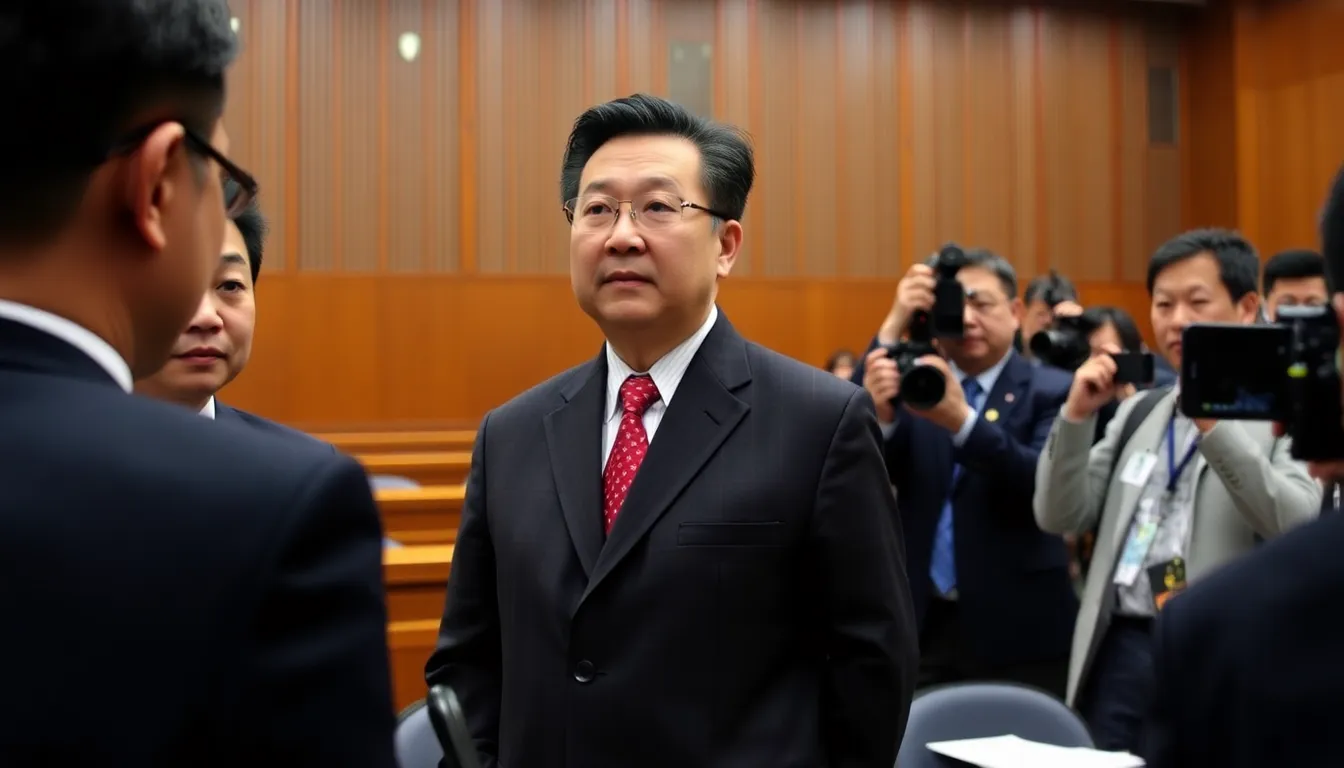
- Risks: Increased market volatility, reduced consumer confidence, and potential job losses in real estate.
- Opportunities: Potential for market correction, increased demand for affordable housing, and investment in alternative sectors.
In the mid-term, the implications could extend to policy adjustments as the Chinese government may need to intervene to stabilize the market. This could include measures to support distressed developers or implement stricter regulations to prevent similar situations in the future. Such actions might create a more resilient real estate market but could also lead to increased government oversight and intervention in business operations.
Ultimately, while the guilty plea presents significant risks to investors and the real estate market, it also opens avenues for potential opportunities. Investors might find value in distressed assets or companies that emerge as more stable alternatives, while policymakers could reshape the regulatory landscape to foster a more sustainable real estate environment.
A: The billionaire faced multiple charges of fraud related to financial mismanagement and misleading investors about the company’s financial health. A: The guilty plea could lead to increased scrutiny from regulators and may hinder the company’s ability to secure funding, affecting its ongoing projects. A: Investors may face significant losses as the company’s stock value could decline further, and there may be legal repercussions for those involved. A: Yes, this case reflects broader issues within China’s real estate market, including high debt levels and regulatory challenges. A: The Chinese government is likely to implement stricter regulations to prevent similar cases and stabilize the real estate market.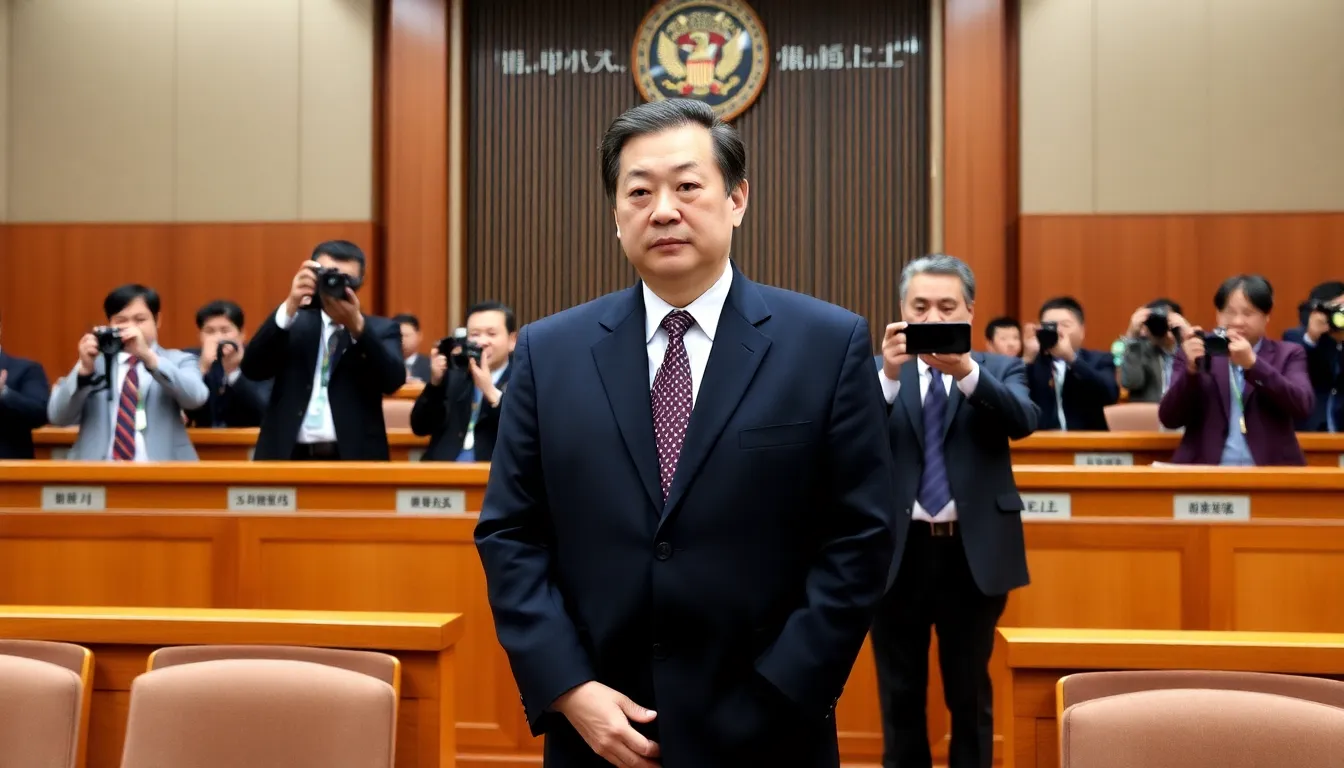
Frequently asked questions about the fraud case
Key takeaways and outlook on the future of China Evergrande
The guilty plea of China Evergrande’s billionaire boss marks a significant turning point for the company, which has been at the center of China’s real estate crisis. This development not only highlights the legal ramifications for corporate leaders in the sector but also raises questions about the future of the company and the broader implications for the Chinese economy. As Evergrande navigates its financial challenges, stakeholders will need to closely monitor the potential ripple effects on the real estate market and investor confidence.
Moving forward, the situation presents both challenges and opportunities for investors and policymakers. The company’s restructuring efforts will be crucial in determining its viability, while the legal outcomes could set precedents for corporate governance in China.
- Investors should closely observe Evergrande’s restructuring plan and its ability to meet debt obligations.
- Watch for regulatory changes that may arise in response to the ongoing crisis in the real estate sector.
- Consider the potential impact on housing prices and consumer sentiment in China as the situation unfolds.
- Keep an eye on how this case influences corporate governance practices and accountability among Chinese conglomerates.
- Evaluate the broader economic implications, particularly concerning foreign investment in China’s real estate market.