


The removal of the cap has sparked discussions among shareholders and analysts regarding the implications for corporate governance and executive compensation. Critics argue that this move may signal a prioritization of luxury travel over fiscal responsibility, especially in a period where many companies are tightening budgets. For more on corporate governance, see this article.
Starbucks’ board has justified the decision by stating that unrestricted access to the jet is essential for facilitating high-level meetings and maintaining productivity. However, the timing of this announcement coincides with ongoing economic challenges, raising questions about the appropriateness of such benefits for executives.
As the company navigates these changes, stakeholders are closely monitoring how this policy shift will impact public perception and employee morale. The decision could influence not only investor confidence but also the overall culture within the organization.
The decision comes amid ongoing discussions about corporate spending and accountability
Starbucks’ recent decision to remove the $250,000 cap on its CEO’s use of the company jet has reignited debates surrounding corporate governance and financial responsibility. This move comes at a time when many corporations are under scrutiny for their spending practices, especially in light of economic pressures faced by consumers and employees alike. The backdrop of this change is a growing call for transparency in how companies allocate resources, particularly when it comes to executive perks.
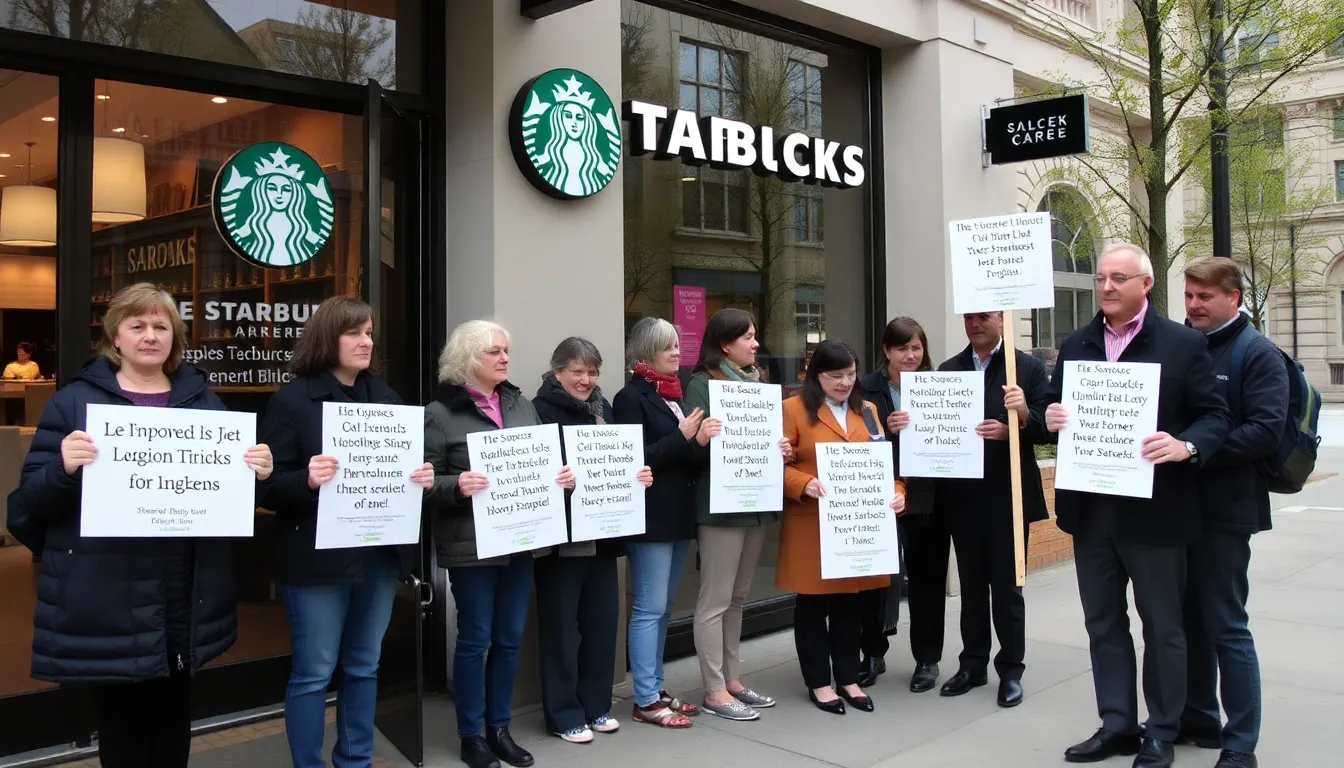
Historically, the use of corporate jets by executives has been a contentious issue. In the early 2000s, several high-profile cases of corporate misuse of jets emerged, leading to public outcry and legislative scrutiny. Companies like Enron and Lehman Brothers faced backlash not only for their financial mismanagement but also for the lavish lifestyles of their executives, which included private jet travel. These events prompted many organizations to implement stricter policies regarding executive travel and perks, making it a pertinent topic in discussions about corporate responsibility.
The economic landscape has also played a significant role in shaping corporate policies. With the rise of income inequality and the impact of the COVID-19 pandemic on the workforce, there is a heightened awareness of how corporate decisions affect employees and the broader community. As companies strive to maintain profitability, the contrast between executive benefits and employee compensation has become increasingly pronounced, leading to calls for more equitable practices.
The Role of Shareholder Activism
Shareholder activism has emerged as a powerful force in influencing corporate governance. Investors are increasingly demanding that companies prioritize accountability and transparency in their operations. This trend has led to a series of shareholder proposals aimed at curbing excessive executive compensation and ensuring that corporate spending aligns with shareholder interests. Starbucks’ decision to lift the cap may reflect an attempt to balance the demands of investors with the need to attract and retain top executive talent in a competitive market, similar to the discussions happening in places like Wordle.
As the conversation around corporate responsibility continues to evolve, Starbucks’ decision may set a precedent for other companies grappling with similar issues. The implications of this move will likely be closely monitored by both investors and the public, as it raises fundamental questions about the values that guide corporate America in an era of heightened scrutiny.
This change raises concerns among stakeholders regarding financial transparency and ethical practices
The recent decision by Starbucks to eliminate the $250,000 cap on the use of company jets by its executives has sparked a significant debate among various stakeholders. Key actors in this scenario include Starbucks’ management, shareholders, employees, customers, and regulatory bodies. Each group has distinct interests that are impacted by this policy change.
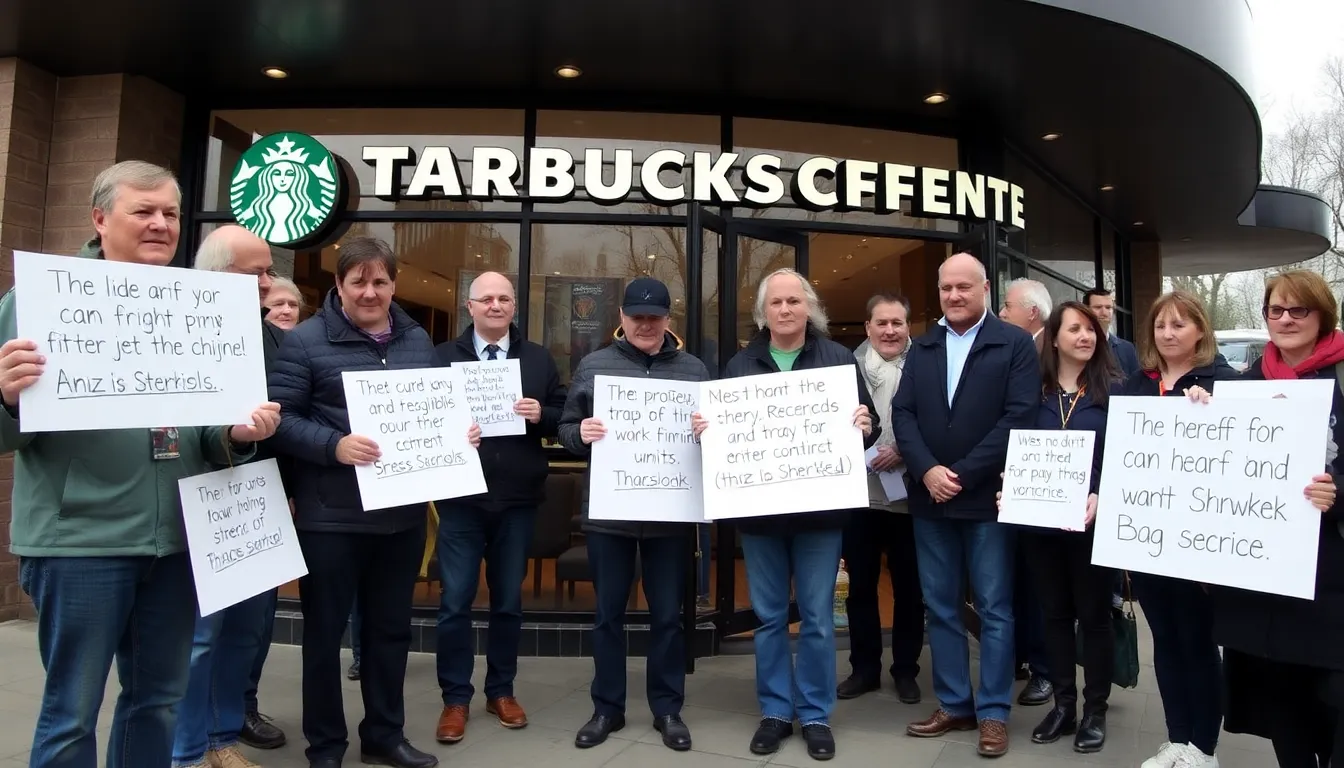
For Starbucks’ management, the removal of the cap may be seen as a way to enhance operational flexibility and facilitate business activities that require executive travel. However, shareholders may view this move with skepticism, as it raises questions about financial stewardship and the potential for misuse of company resources. Employees, on the other hand, might feel a sense of discontent if they perceive that executive privileges are being prioritized over their own compensation and benefits.
Legal and economic issues also come into play, particularly regarding corporate governance and ethical practices. The decision could lead to scrutiny from regulatory bodies concerned with corporate accountability. Additionally, the potential backlash from consumers could affect Starbucks’ brand reputation, especially in an era where transparency and corporate responsibility are increasingly valued.
- Financial Transparency: Stakeholders may demand clearer disclosures regarding executive travel expenses and their justification.
- Ethical Practices: The change could be perceived as a sign of privilege, leading to concerns about fairness within the company.
- Shareholder Reactions: Investors may push for policies that ensure responsible spending and accountability.
- Employee Morale: The perception of inequity in resource allocation could lead to decreased employee satisfaction and engagement.
- Consumer Perception: Customers may react negatively if they believe that the company’s priorities do not align with their values.
As these stakeholders navigate the implications of this policy change, it will be crucial for Starbucks to address the concerns raised and foster an environment of transparency and ethical governance to maintain trust and support from all parties involved.
The removal of the cap could affect investor confidence and public perception of the brand
The decision by Starbucks to eliminate the $250,000 cap on the use of its company jet could have significant implications for various stakeholders, including investors, employees, and customers. This move may signal a shift in corporate governance and spending priorities, which can influence how the brand is perceived in the marketplace.
Investors might react with mixed feelings. On one hand, the increased flexibility for executive travel could be seen as a way to enhance productivity and strategic decision-making. On the other hand, it could raise concerns about excessive spending and lack of accountability, potentially impacting stock prices in the short term.
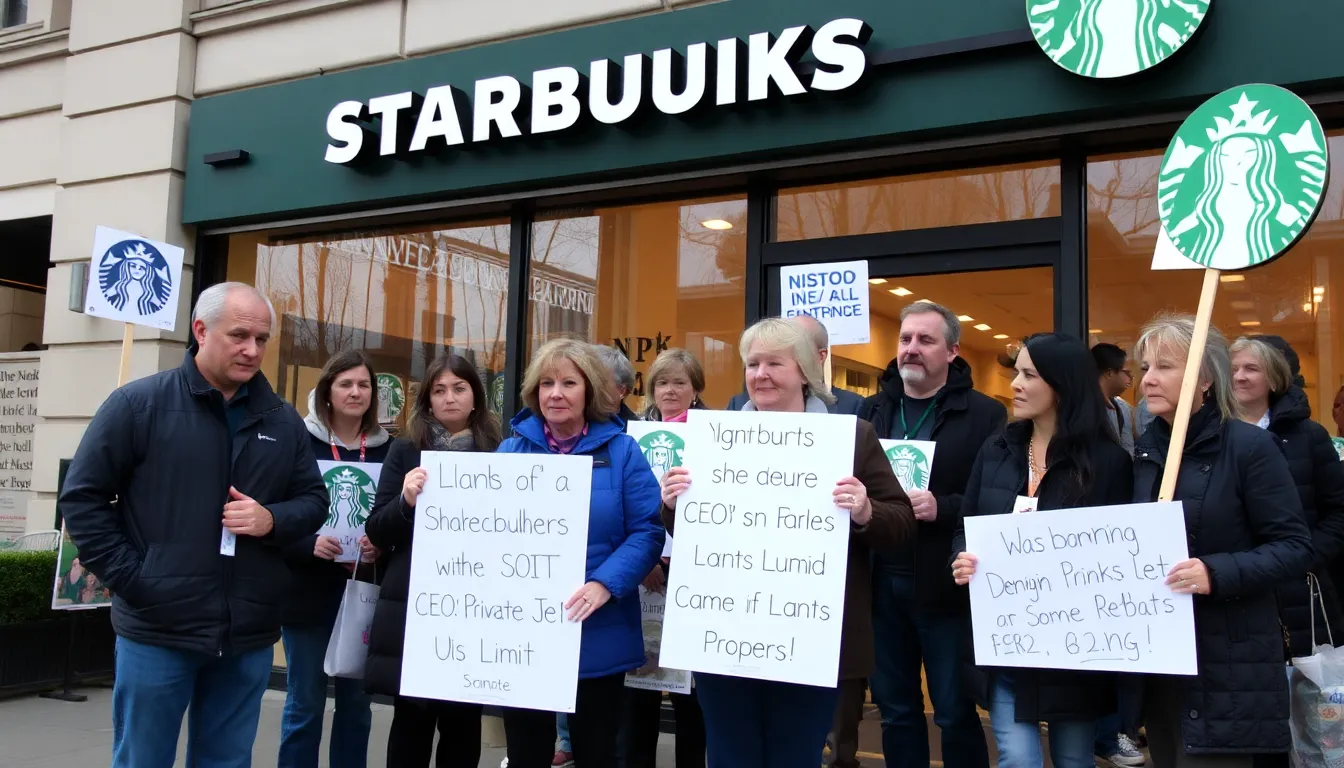
For employees, particularly those in management positions, the change could create both opportunities and challenges. Increased travel for top executives might lead to enhanced networking and partnership opportunities, but it could also foster a sense of inequality among staff if not communicated effectively. This disparity may affect morale and workplace culture.
Customers and the general public may also be affected by this decision. Starbucks has built its brand around social responsibility and community engagement, and any perceived extravagance could lead to backlash. This could impact customer loyalty and brand reputation, especially among younger consumers who prioritize corporate ethics.
- Short-term impacts: Potential decline in investor confidence and public scrutiny.
- Mid-term impacts: Possible changes in corporate governance policies and employee morale.
- Risks: Damage to brand reputation and customer loyalty.
- Opportunities: Enhanced executive networking and strategic growth initiatives.
Regional implications may also arise, particularly in areas where Starbucks has a strong presence. Communities may react differently based on local economic conditions and cultural values, which could influence the company’s initiatives and overall market strategy.
A: Starbucks removed the cap to provide greater flexibility for its executives, allowing them to travel as needed for business purposes. A: Shareholders may be concerned about increased spending and lack of oversight, which could affect their confidence in the company’s financial management. A: Critics may argue that removing the cap reflects poor corporate governance and could lead to excessive spending on executive perks. A: Public reaction has been mixed, with some expressing concern over corporate accountability and others supporting the need for executive flexibility.
Frequently asked questions about the removal of the jet usage cap
The implications of this decision for Starbucks and its future governance
The removal of the $250,000 cap on the use of the company jet by Starbucks’ CEO raises significant questions about corporate governance and accountability. This decision may reflect a shift in how the company prioritizes executive mobility versus shareholder interests. As Starbucks navigates this change, it will be crucial to monitor how it impacts the company’s financial health and public perception.
Stakeholders will be keenly observing whether this move leads to increased scrutiny of executive compensation and benefits. Additionally, the broader implications for corporate governance practices may prompt other companies to reevaluate their policies regarding executive travel and perks, potentially influencing industry standards.
- Investors may demand greater transparency regarding executive travel expenses and their justification.
- Increased public scrutiny could lead to reputational risks if the perceived value of such perks does not align with company performance.
- Other corporations might follow suit or push back against similar changes, influencing the overall landscape of executive benefits.
- This decision could affect employee morale and public sentiment, particularly if it is seen as prioritizing executives over frontline workers.
- Future governance discussions may center around balancing executive privileges with fiscal responsibility and ethical considerations.