


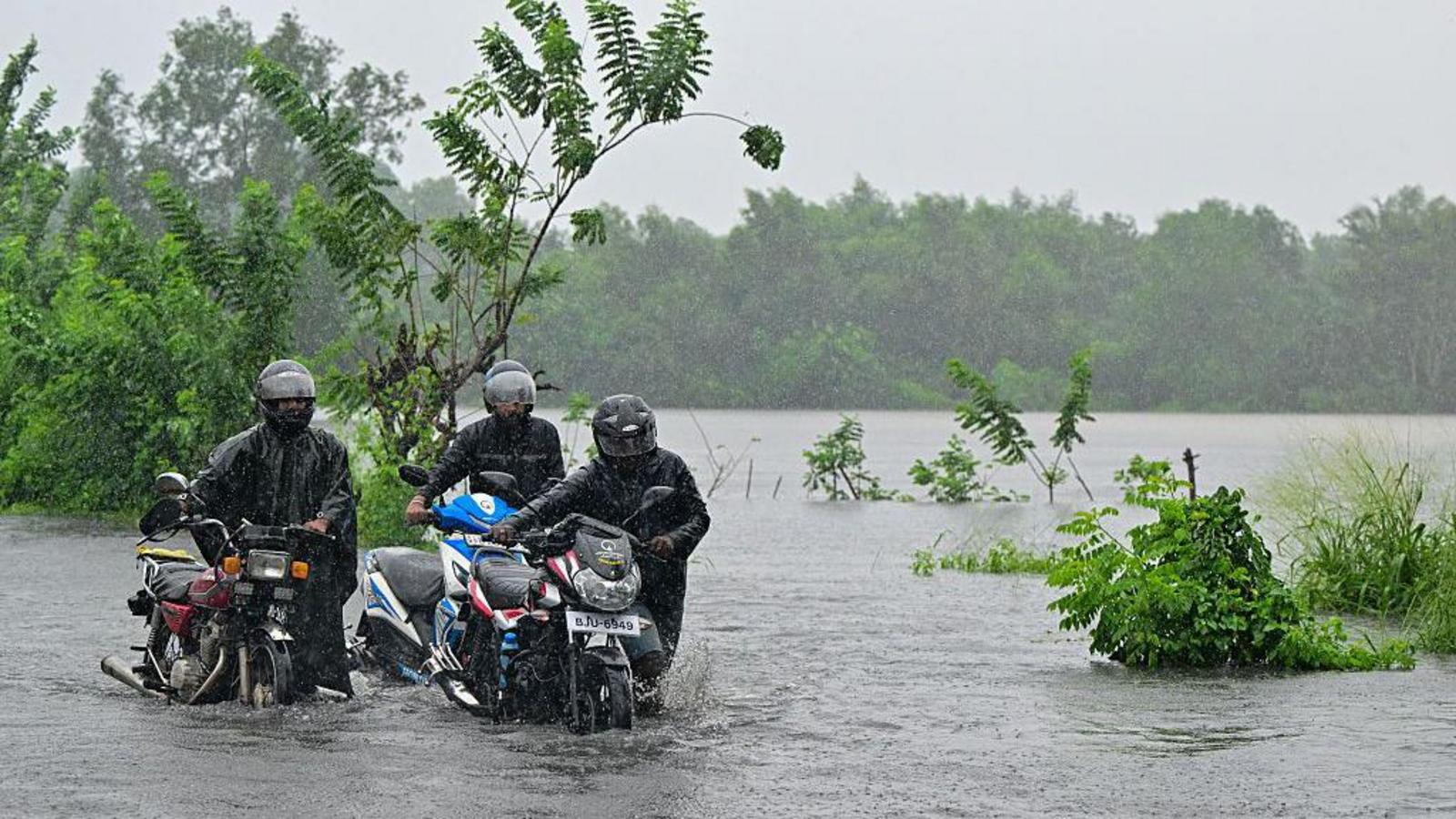
Authorities reported that the worst-hit areas include the western and southern provinces, where rivers overflowed their banks, inundating homes and agricultural land. Rescue operations are currently underway, with military personnel deployed to assist in evacuations and provide relief to affected communities.
The Sri Lankan government has declared a state of emergency in the most severely impacted districts, enabling quicker mobilization of resources and aid. This prompt response comes as international organizations, such as the Red Cross, are also stepping in, offering support to local agencies working tirelessly to address the immediate needs of those affected.
This natural disaster highlights the increasing vulnerability of the region to extreme weather patterns, which have been exacerbated by climate change. As the country faces recovery challenges, the long-term implications for food security and infrastructure resilience remain a pressing concern for both local and national authorities.
Understanding the factors contributing to the flooding in Sri Lanka
Sri Lanka has a long history of experiencing severe weather patterns, particularly during the monsoon seasons. The country is situated near the equator and is subject to the influence of both the southwest and northeast monsoons, which can result in heavy rainfall and subsequent flooding. Over the years, these seasonal rains have caused significant damage to infrastructure, agriculture, and communities, highlighting the vulnerability of the island nation to natural disasters.
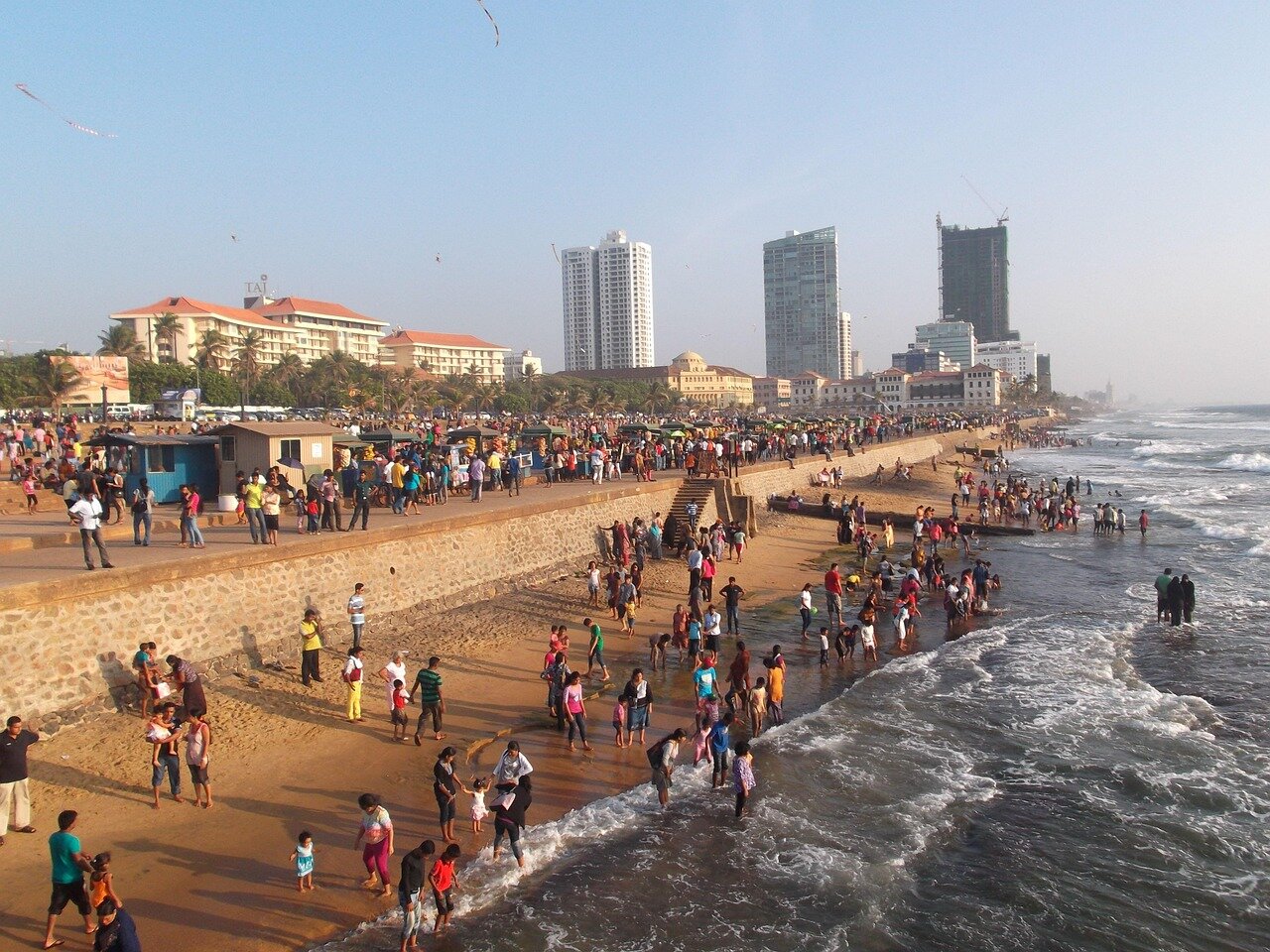
In addition to natural factors, human activities have exacerbated the flooding situation. Deforestation, urbanization, and poor land management practices have led to increased runoff and reduced the land’s ability to absorb rainfall. This rapid development is particularly concerning in cities like Colombo, where the urbanization has further strained drainage systems, making them ill-equipped to handle the volume of water during heavy rains.
Historical Precedents
Historically, Sri Lanka has faced several catastrophic floods, with notable incidents occurring in 1989, 2003, and 2016. Each of these events resulted in significant loss of life and property, prompting discussions about disaster preparedness and response strategies. The 2016 floods, for instance, led to the establishment of more robust early warning systems and emergency response protocols. However, the implementation of these measures has been inconsistent, leaving communities vulnerable to the impacts of severe weather.
The political landscape also plays a crucial role in the management of flooding in Sri Lanka. Political instability and governance issues have often hindered effective disaster management policies. In recent years, the focus on economic development has sometimes overshadowed the need for sustainable environmental practices, contributing to the ongoing challenges faced by the nation in mitigating flood risks.

Key stakeholders and their roles in the flood response
The severe floods in Sri Lanka, which have resulted in the tragic loss of at least 56 lives, involve a complex web of stakeholders, each with their own interests and responsibilities. Understanding their roles is crucial for a comprehensive analysis of the ongoing crisis, akin to the discussions surrounding strategies for disaster preparedness seen in historical incidents.
The Sri Lankan government plays a central role in coordinating the disaster response. Their primary interest lies in ensuring public safety and restoring normalcy. However, the government’s capacity to respond effectively is often challenged by limited resources and infrastructure. Local authorities are tasked with implementing government directives on the ground, but they may face difficulties due to inadequate training and equipment.
Humanitarian organizations, such as the Red Cross and various NGOs, are vital in providing immediate relief and support to affected populations. Their interests include delivering aid, ensuring access to clean water, and facilitating shelter for displaced individuals. While their efforts are essential, they often encounter bureaucratic hurdles and lack of coordination with government agencies, which can hinder timely assistance.
Affected communities themselves are critical stakeholders in this situation. Their immediate needs include food, medical care, and psychological support. However, they may also experience conflicts over resource allocation, particularly in densely populated areas where competition for aid can lead to tensions. Furthermore, the long-term recovery process will require community involvement to rebuild and enhance resilience against future disasters.

- Government: Focused on coordinating response and restoring order.
- Local Authorities: Implementing government directives but facing resource challenges.
- Humanitarian Organizations: Providing relief and support, navigating bureaucratic obstacles.
- Affected Communities: Seeking immediate aid while managing resource competition.
- International Community: Monitoring the situation and potentially offering support, influenced by geopolitical interests.
The impact of the floods on communities and infrastructure
The severe floods in Sri Lanka have left at least 56 people dead, affecting numerous communities across the nation. The most impacted regions include the Western and Southern provinces, where heavy rainfall has led to significant waterlogging and destruction of homes. Vulnerable populations, including low-income families and those living in informal settlements, are particularly at risk as their living conditions are often inadequate to withstand such natural disasters.
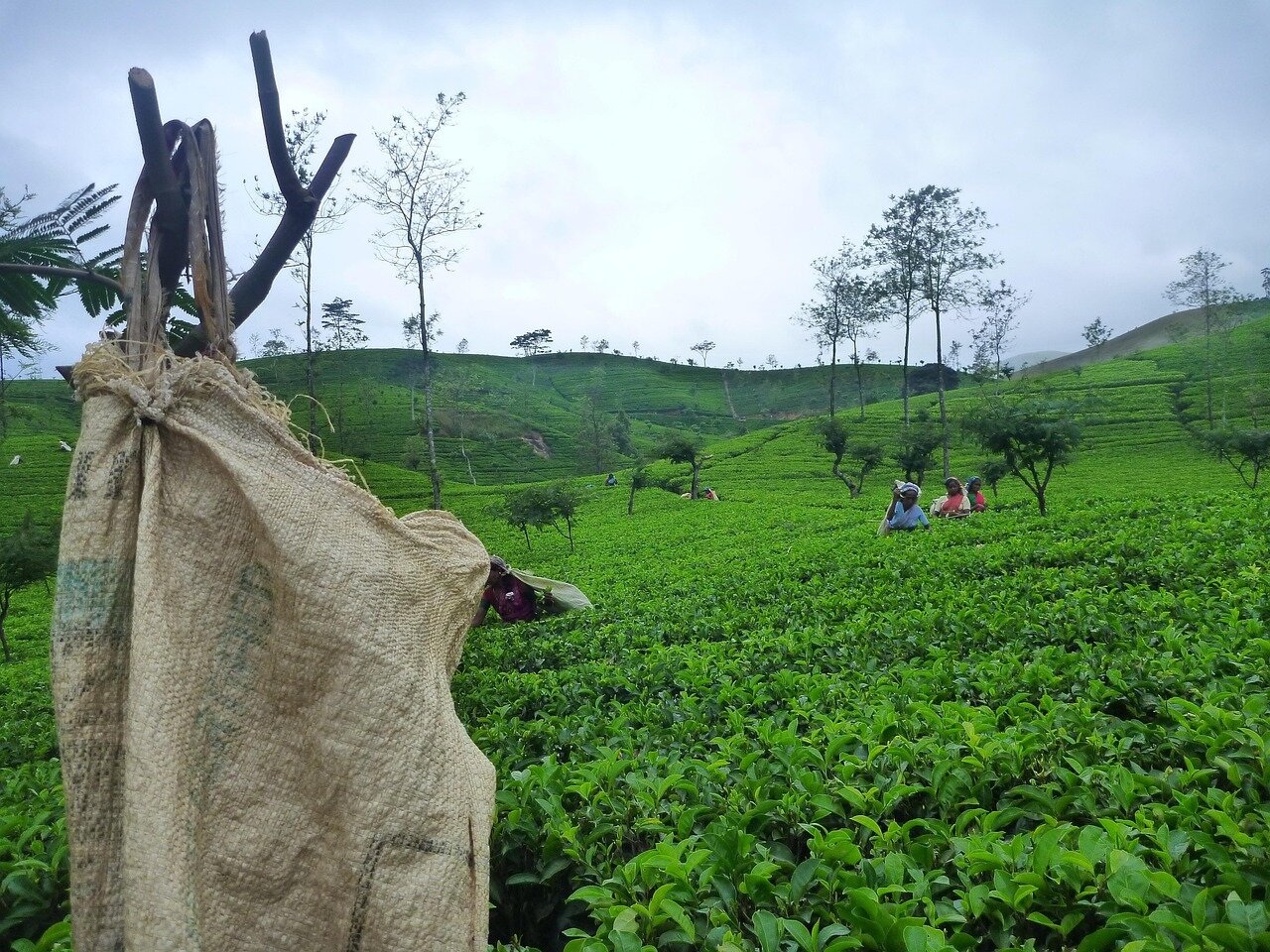
Industries such as agriculture and tourism are facing immediate challenges due to the flooding. The agricultural sector, which is vital for Sri Lanka’s economy, is experiencing crop losses and damage to farmland, threatening food security and livelihoods. Meanwhile, the tourism industry, which has been recovering from previous setbacks, may see a decline in visitors as travel advisories are issued and infrastructure, such as roads and hotels, suffer damage.
In the short term, daily life for affected communities is severely disrupted. Access to clean water, sanitation, and healthcare services is compromised, leading to potential health risks such as waterborne diseases. Schools may also be closed, impacting children’s education and further exacerbating social inequalities.
- Disruption of essential services and infrastructure
- Increased health risks due to unsanitary conditions
- Economic strain on local businesses and agriculture
In the mid-term, the government may need to implement policies focused on disaster recovery and infrastructure rebuilding. This could lead to opportunities for investment in resilient infrastructure and improved disaster preparedness strategies. While the immediate aftermath of the floods presents significant challenges, it also opens a dialogue on enhancing community resilience and adapting to climate change, potentially leading to long-term benefits for the affected regions.
A: The floods were primarily caused by heavy monsoon rains, which overwhelmed drainage systems and led to widespread waterlogging in various regions. A: Local and national authorities are mobilizing rescue teams, providing emergency relief supplies, and assessing the damage to plan recovery efforts. A: Areas in the southern and western provinces of Sri Lanka have experienced the worst flooding, with many homes and roads submerged. A: Individuals can contribute by donating to reputable organizations involved in disaster relief and providing essential supplies to affected communities. A: The floods may lead to long-term economic challenges, including damage to agriculture and infrastructure, requiring sustained recovery efforts.
Frequently asked questions about the floods in Sri Lanka
Looking ahead: recovery efforts and future implications
The devastating floods in Sri Lanka have highlighted the urgent need for improved infrastructure and disaster preparedness. As the nation grapples with the immediate aftermath, attention must also turn to long-term strategies that can mitigate the impact of such natural disasters in the future. The loss of life and widespread destruction serve as a stark reminder of the vulnerabilities faced by communities in flood-prone areas.
In the coming weeks, recovery efforts will be critical not only for restoring normalcy but also for ensuring that lessons learned from this tragedy lead to more resilient systems. Stakeholders must prioritize collaboration between government agencies, NGOs, and local communities to effectively address the challenges posed by climate change and urban development.
- Infrastructure investment: There is a pressing need for enhanced drainage systems and flood barriers to protect vulnerable regions.
- Community preparedness: Engaging local populations in disaster response training can empower them to act swiftly during emergencies.
- Environmental considerations: Sustainable land use practices should be promoted to reduce the risk of flooding in the future.
- Policy reform: Government policies must be reevaluated to ensure they prioritize disaster risk reduction and climate adaptation strategies.
- International support: Collaboration with international organizations can provide crucial resources and expertise for recovery and resilience building.