



Andy and Barbara Muschietti, known for their work in the horror genre, have turned their attention to this pressing issue with their new documentary. Titled ‘Norita’, the film delves into the real-life stories of individuals who have gone missing in Argentina, highlighting the emotional and social impact on families and communities. By focusing on these narratives, the Muschiettis aim to shed light on the ongoing struggle for justice and accountability.
The documentary is particularly timely, as it coincides with recent reports from human rights organizations indicating an increase in cases of forced disappearances. According to the Argentine Forensic Anthropology Team, an estimated 1,200 people were reported missing between 2015 and 2020, with many cases remaining unresolved. This alarming trend underscores the need for greater awareness and action from both the government and civil society.
As the Muschiettis explore these themes in ‘Norita’, they contribute to a broader conversation about the importance of memory and truth in healing societal wounds. The film not only aims to document these tragic events but also serves as a call to action for audiences to engage with the ongoing fight for human rights in Argentina. With the release of the documentary, the hope is to inspire a renewed commitment to addressing the root causes of disappearances and ensuring that such injustices are not forgotten.
Understanding the historical context of disappearances in Argentina
The phenomenon of disappearances in Argentina is deeply rooted in the country’s tumultuous political history, particularly during the late 20th century. The most notorious period was the Dirty War (1976-1983), when the military dictatorship targeted suspected dissidents, leftists, and anyone perceived as a threat to the regime. This resulted in the enforced disappearance of an estimated 30,000 people, many of whom were never seen again, leaving families in a state of perpetual uncertainty and grief.
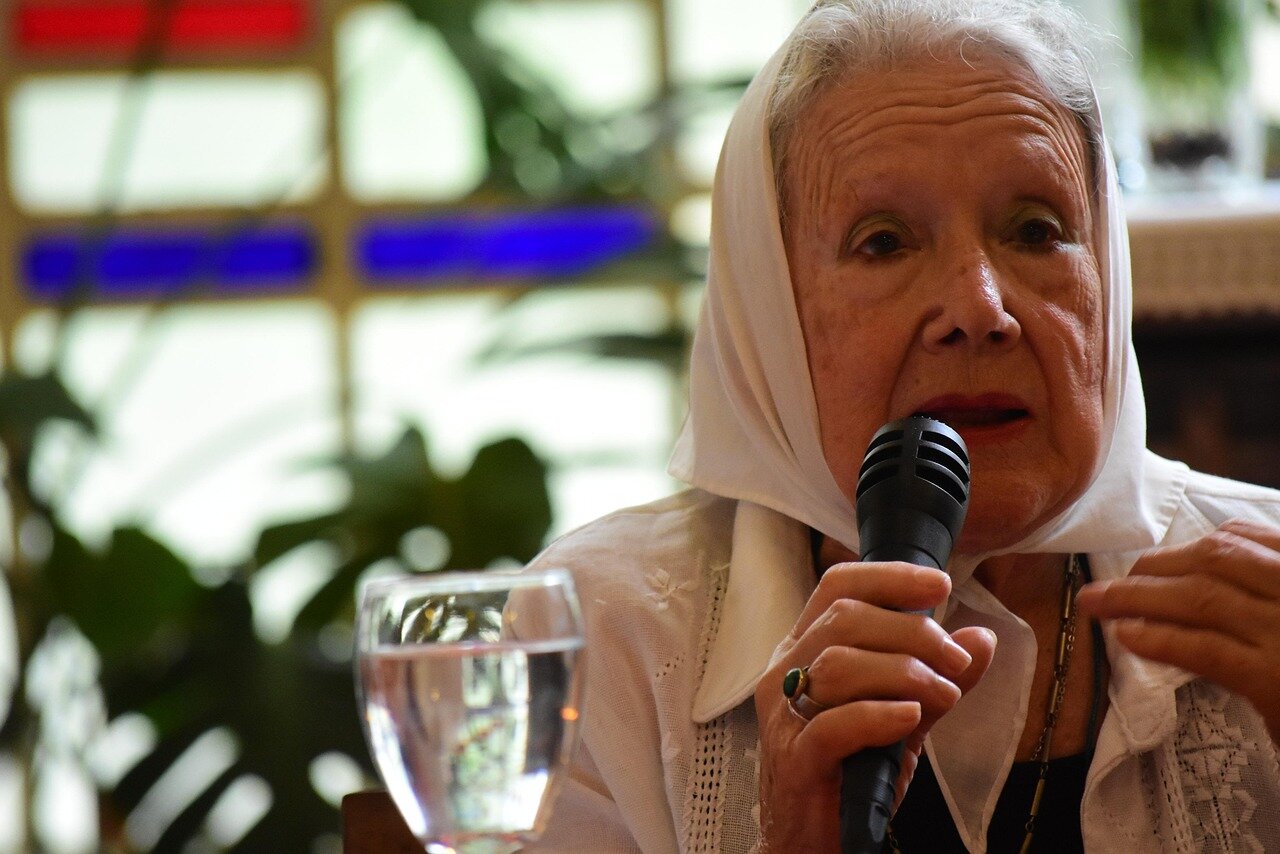
The military junta justified these actions under the guise of national security, claiming they were eradicating terrorism. However, the reality was a systematic campaign of repression, where state-sponsored violence was used to silence opposition. This dark chapter in Argentina’s history has had lasting effects on its society, politics, and collective memory, shaping the narrative around human rights and justice in the country.
In the aftermath of the dictatorship, Argentina faced the challenge of addressing the legacy of these disappearances. The establishment of the Nunca Más (Never Again) report by the National Commission on the Disappearance of Persons (CONADEP) in 1984 was a significant milestone. This report documented human rights abuses and helped to raise awareness both nationally and internationally, yet many families still seek justice, with numerous cases remaining unresolved.
The role of cultural memory
Cultural memory plays a crucial role in how Argentina grapples with its past. Artists, filmmakers, and writers have sought to keep the memory of the disappeared alive, often using their work to explore themes of loss, trauma, and resilience. Documentaries like ‘Norita’ serve not only as a means of storytelling but also as a platform for advocacy, pushing for recognition and justice for the victims and their families.
Key stakeholders involved in the narrative of Norita
The documentary ‘Norita’, created by Andy and Barbara Muschietti, delves into the real-world issue of disappearances in Argentina, a country with a complex history regarding human rights and state violence. The key stakeholders in this narrative include the Muschietti siblings, the families of the disappeared, human rights organizations, and the Argentine government.
Andy and Barbara Muschietti, as the creators, have a vested interest in shedding light on the personal stories behind the disappearances. Their artistic vision aims to raise awareness and provoke discussions around the social injustices faced by the victims and their families. By focusing on Norita, a specific case, they hope to humanize the statistics surrounding disappearances and engage a global audience.
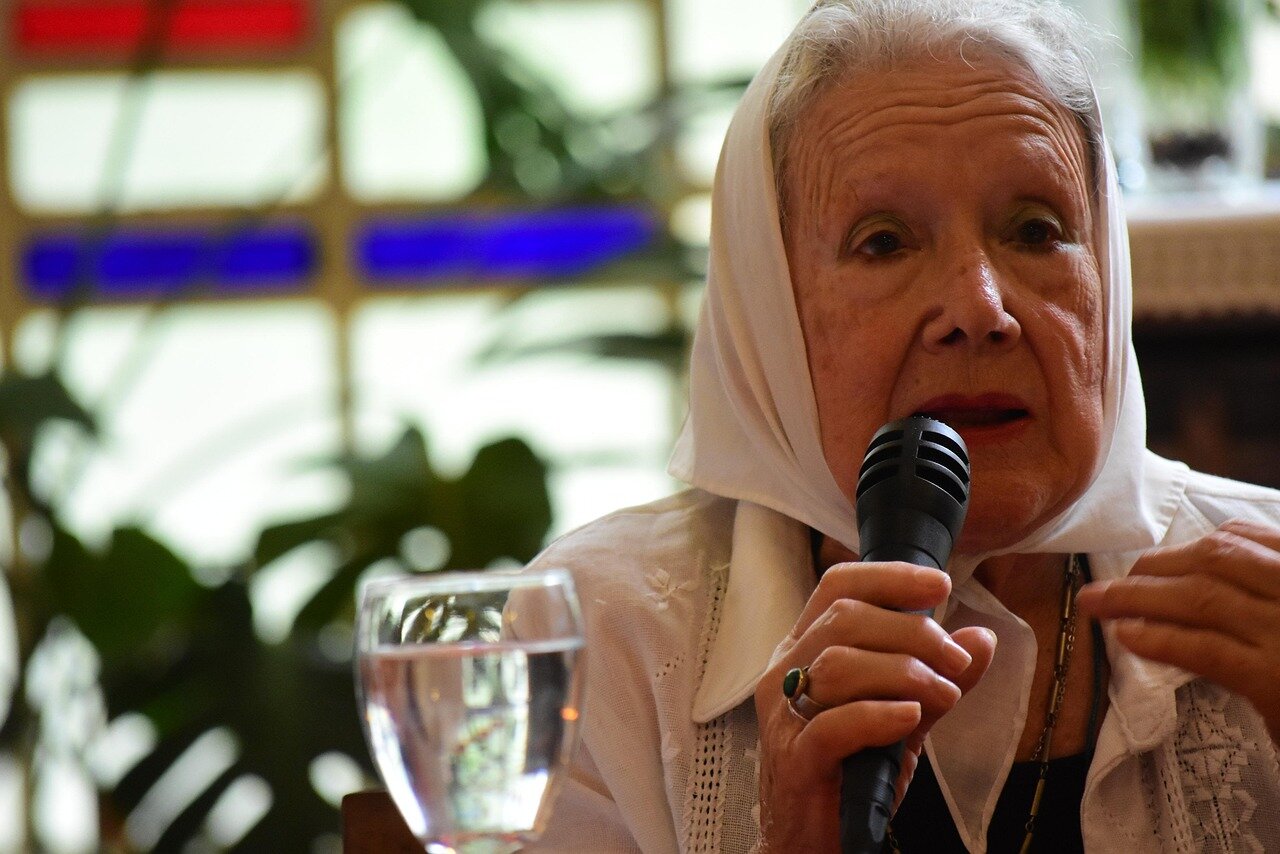
The families of the disappeared are crucial stakeholders, as they seek justice and acknowledgment for their loved ones. Their interests revolve around finding closure and truth, as well as advocating for governmental accountability. Many families have been fighting for decades to uncover the fate of their relatives, and their stories contribute to a larger narrative of resilience and struggle against systemic oppression.
Human rights organizations, both local and international, play a significant role in the discourse surrounding disappearances in Argentina. These organizations often provide support to families, document cases, and push for legal reforms. Their interests align with promoting human rights, ensuring that such violations do not recur, and holding perpetrators accountable.
On the other hand, the Argentine government faces scrutiny regarding its historical and ongoing handling of human rights issues. The state must balance its efforts to address past injustices with contemporary political realities. Key issues include the legal framework for investigating disappearances, the allocation of resources for human rights initiatives, and the potential for political backlash from acknowledging state complicity in past crimes.
- Human rights advocacy and accountability are at the forefront of the families’ demands.
- The Muschietti siblings aim to create a powerful narrative that resonates with a global audience.
- Human rights organizations work to document cases and support families in their quest for justice.
- The Argentine government navigates the complexities of historical accountability versus current political stability.
- The documentary serves as a medium to raise awareness and inspire action regarding ongoing human rights issues.
The impact of Norita on public awareness and discourse
The documentary ‘Norita,’ created by Andy and Barbara Muschietti, shines a light on the pressing issue of real-world disappearances in Argentina, a topic that resonates deeply with various groups, including families of the disappeared, human rights organizations, and the general public. This exploration not only raises awareness but also prompts discussions on broader societal implications surrounding safety and justice.
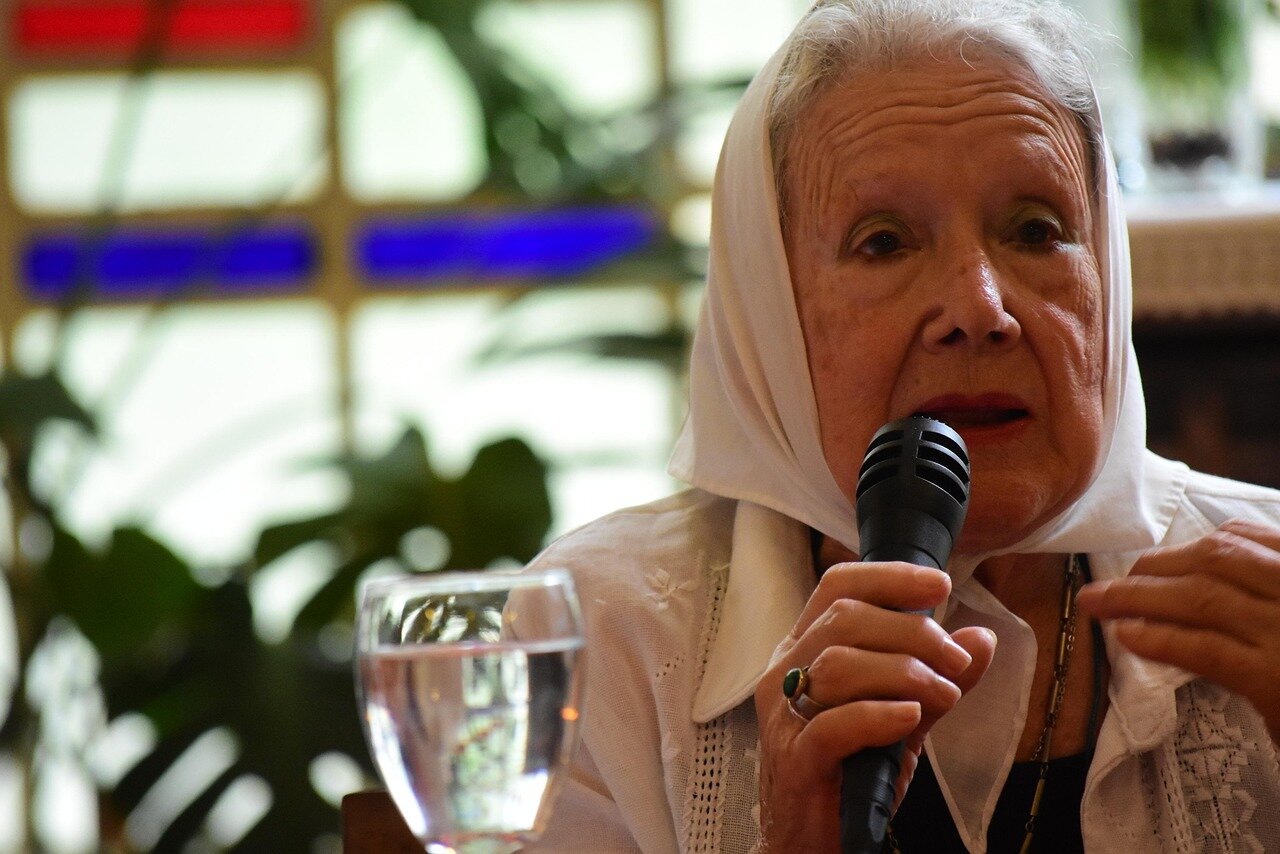
In the short term, the documentary is likely to increase public engagement and activism surrounding missing persons cases. Families affected by disappearances may find a renewed sense of community and support, while human rights organizations could see a surge in volunteerism and donations aimed at addressing these issues. Furthermore, local media outlets may focus more on these stories, amplifying voices that have long been silenced.
Mid-term impacts could include policy changes aimed at enhancing the investigation of disappearances and improving support systems for affected families. Policymakers may feel pressured to allocate more resources towards law enforcement training and community outreach programs. This could lead to a more proactive approach in addressing the root causes of disappearances and ensuring accountability.
- Increased public awareness: The documentary can lead to greater societal acknowledgment of the issue.
- Policy advocacy: It may inspire legislative efforts to strengthen protections and investigations.
- Community support: Families and organizations may unite for collective action and healing.
- Media focus: A potential rise in coverage of missing persons cases could keep the issue in public discourse.
While there are risks associated with heightened public scrutiny, such as potential backlash against authorities or the re-traumatization of families, the opportunities for change and healing are significant. By fostering dialogue and collaboration, ‘Norita’ could catalyze a movement towards justice and accountability in Argentina and beyond.
A: Norita focuses on the real-life disappearances of individuals in Argentina, exploring the social and emotional ramifications of these events. A: The Muschietti siblings approach the subject with sensitivity, aiming to highlight personal stories while raising awareness about the ongoing issue. A: Their passion for storytelling and a desire to shed light on real-world issues, particularly those affecting their home country, inspired them to create Norita. A: Norita has been well-received, prompting discussions about disappearances and the need for justice in Argentina. A: Yes, the documentary features interviews with families of the disappeared and activists working towards justice.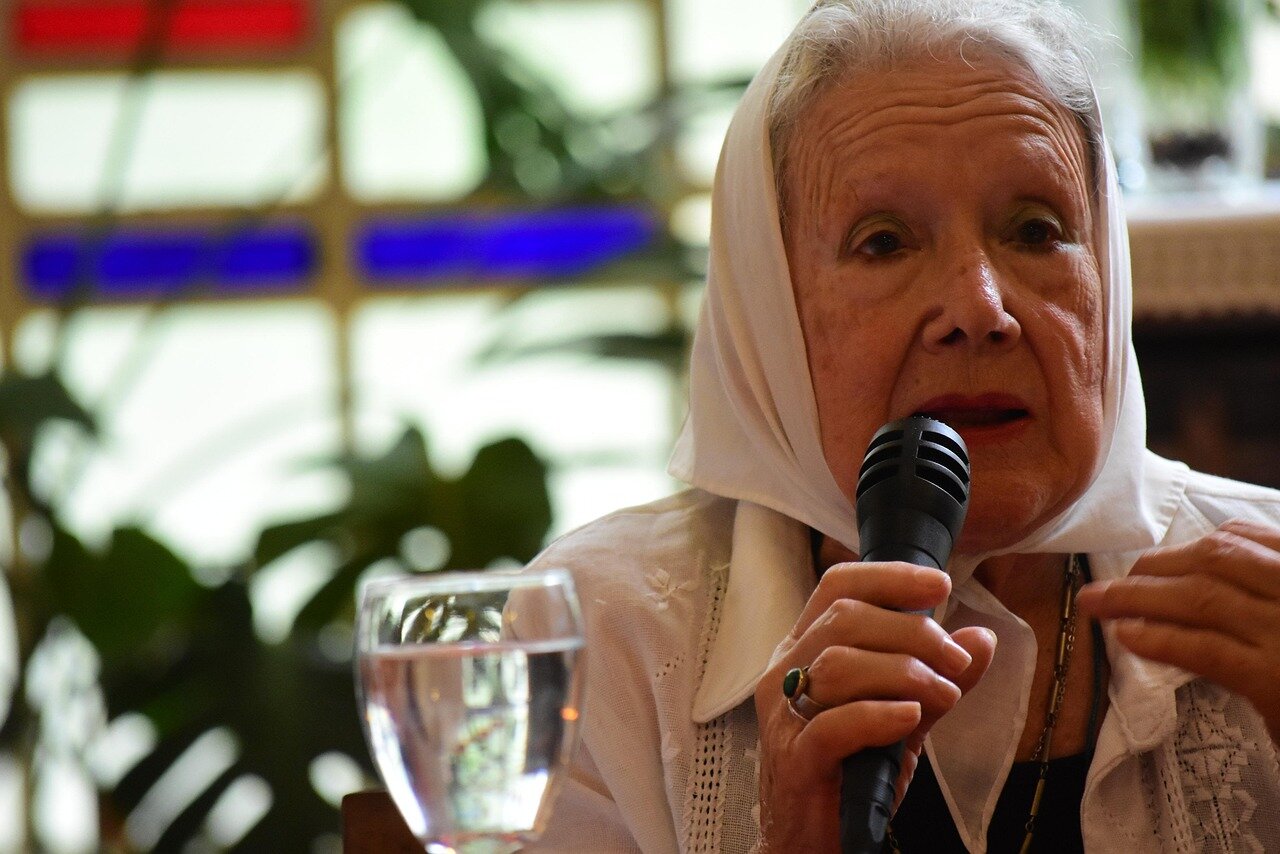
Frequently asked questions about Norita and its themes
Insights and future implications of the documentary Norita
The documentary ‘Norita’ by Andy and Barbara Muschietti delves into the haunting reality of disappearances in Argentina, a theme that resonates deeply with the country’s tumultuous history. By intertwining personal narratives with broader social issues, the film not only sheds light on individual stories but also highlights systemic failures and the ongoing struggle for justice. This exploration prompts viewers to reflect on the implications of such disappearances, urging a collective responsibility to confront and address these injustices.
As the creators draw parallels between fictional narratives and real-world issues, audiences are left to consider how art can serve as a catalyst for change. The documentary encourages a deeper understanding of the historical context surrounding disappearances, fostering empathy and awareness that may inspire action. Looking ahead, it is crucial to monitor how such narratives influence public discourse and policy regarding human rights and social justice.
- The documentary may spark increased advocacy for human rights organizations focused on resolving cases of disappearances.
- Viewers are likely to engage more critically with media representations of real-world issues, prompting discussions about ethical storytelling.
- Future projects by the Muschiettis could continue to blend fiction with reality, potentially addressing other pressing social issues.
- The film may lead to renewed interest in Argentina’s historical context, influencing educational programs and public awareness campaigns.
- As audiences become more aware of these narratives, there may be a shift in how society approaches the topic of justice for victims of disappearances.