


The conversation took place at an event celebrating cinema and its impact on culture, where both directors emphasized the importance of movie theaters in delivering authentic experiences. Lee, known for his advocacy of independent and meaningful films, underscored the necessity for studios to invest in unique narratives that reflect a variety of voices, much like the discussion detailed in Kevin O’Leary’s insights.
Michael B. Jordan, an actor and producer, also joined the discussion, reinforcing the idea that cinema should not only entertain but also provoke thought and inspire change. The trio’s dialogue comes at a time when the film industry is grappling with the balance between profitability and artistic integrity, especially in the wake of the pandemic’s impact on theaters.
As audiences increasingly seek diverse content, the rejection of projects like ‘Sinners’ raises questions about the future of storytelling in Hollywood. This moment serves as a call to action for industry leaders to reconsider their priorities and support innovative filmmakers who challenge the status quo.
The significance of cinema in the current film industry
Cinema has long been a powerful medium for storytelling, reflecting societal values and cultural shifts. In recent years, however, the film industry has faced significant challenges, particularly with the rise of streaming platforms that have transformed how audiences consume content. This shift has raised questions about the future of traditional movie theaters and the theatrical experience, as filmmakers like Spike Lee and Ryan Coogler advocate for the importance of cinema in its original form.
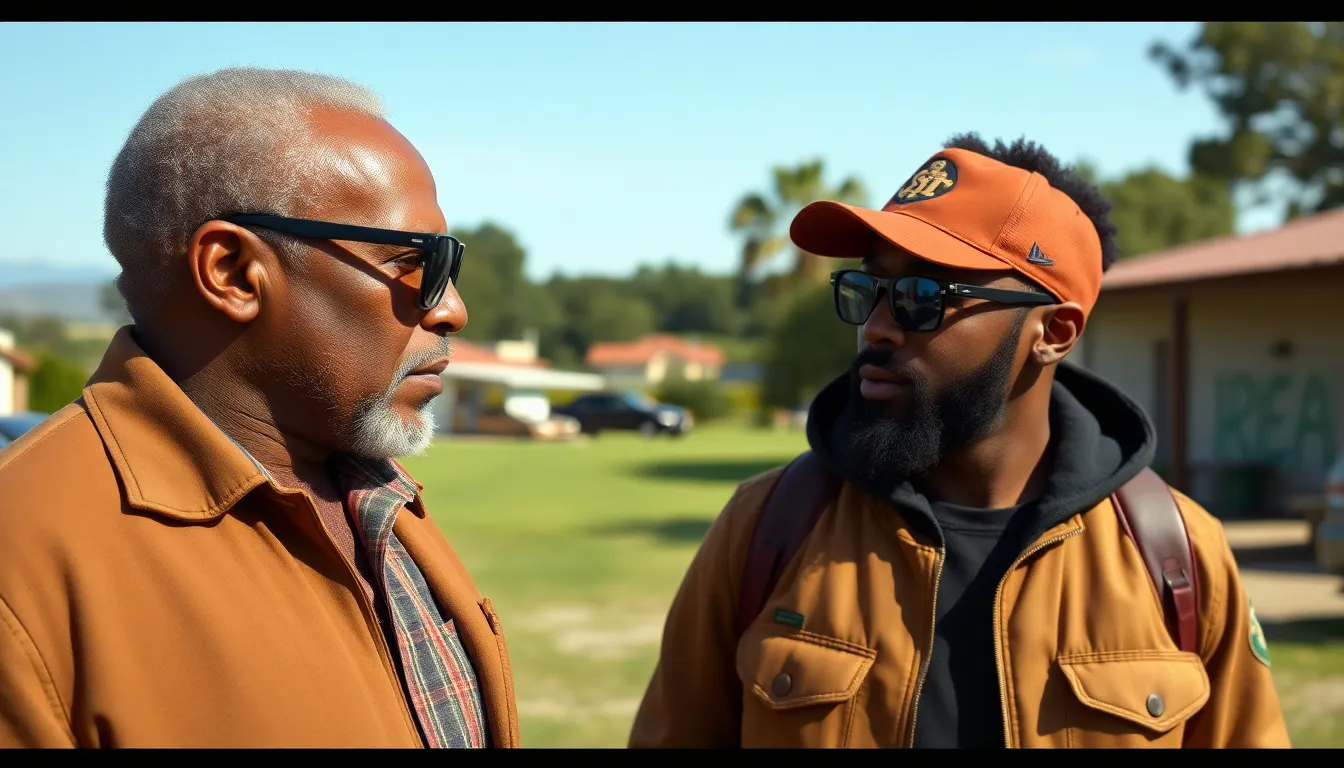
Historically, the film industry has undergone various transformations, from the advent of sound in the late 1920s to the introduction of color and digital filmmaking. Each innovation has shaped audience expectations and industry standards. However, the emergence of streaming services such as Netflix and Disney+ has disrupted the traditional distribution model, leading to a decline in box office revenues and a reevaluation of how films are produced and released.
In response to these changes, filmmakers have begun to voice their concerns about the diminishing role of theaters in the cinematic experience. Spike Lee, a prominent advocate for the art of filmmaking, has emphasized the need for studios to support theatrical releases, particularly for projects that celebrate diverse voices and stories, resonating with the themes explored at the Variety Entertainment Summit.
The impact of economic factors on film production
The economic landscape of the film industry plays a crucial role in determining which projects receive funding and support. With studios increasingly prioritizing blockbuster franchises and high-return investments, smaller, more innovative films often struggle to find backing. This trend has led to a homogenization of content, where unique narratives are sidelined in favor of proven formulas. As filmmakers like Lee and Coogler continue to champion the importance of diverse storytelling, they also confront the economic realities that threaten the viability of such projects.
As the conversation around cinema and its future evolves, it is clear that the advocacy for movie theaters and diverse narratives is more critical than ever. The dialogue initiated by influential filmmakers serves as a reminder of the rich history of cinema and the importance of preserving its unique cultural significance in the face of an ever-changing industry landscape.
Exploring the implications of studio rejections on filmmakers
The recent dialogue between Spike Lee and Ryan Coogler sheds light on a significant issue within the film industry: the reasons behind studio rejections of promising projects like ‘Sinners’. This discussion not only highlights the creative aspirations of filmmakers but also raises questions about the underlying motivations of studios and their impact on the cinematic landscape.
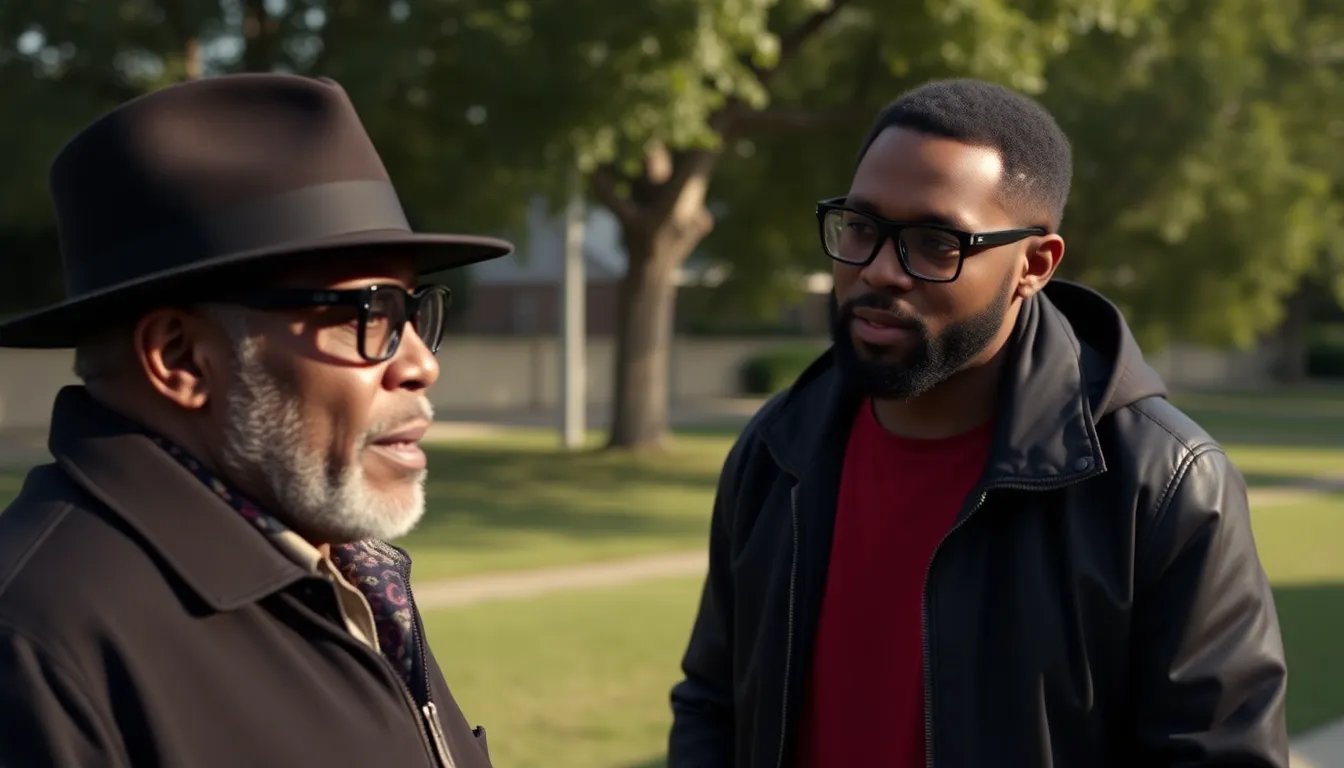
At the heart of this conversation are key stakeholders, including filmmakers, production studios, audiences, and distributors. Filmmakers like Lee and Coogler are driven by a desire to tell compelling stories that resonate with audiences. However, studios often prioritize financial viability and market trends over artistic merit, leading to potential conflicts. This dynamic can stifle innovation and limit the diversity of narratives presented in theaters.
Moreover, the economic implications of studio decisions are significant. When studios reject projects, they not only affect the individual filmmakers but also the broader ecosystem of the film industry, including actors, crew members, and local economies reliant on film production. The tension between artistic expression and commercial interests raises critical questions about the future of cinema and the role of studios in shaping it.
- Financial Considerations: Studios may reject projects based on perceived financial risks, impacting the diversity of stories told.
- Artistic Integrity: Filmmakers advocate for creative freedom, which can clash with studio demands for marketability.
- Audience Expectations: Studios often cater to mainstream tastes, potentially sidelining unique narratives that could attract niche audiences.
- Impact on Local Economies: Rejections can hinder economic growth in regions that benefit from film production.
- Future of Cinema: The ongoing dialogue between creators and studios will shape the evolution of cinematic storytelling.
As Lee and Coogler continue to champion the importance of cinema, their insights encourage a reevaluation of how studios approach filmmaking. The industry must find a balance between commercial success and supporting innovative storytelling to ensure a vibrant future for cinema as an art form, similar to the way Netflix approaches content.
How these decisions affect movie theaters and audiences
The recent discussion between Spike Lee and Ryan Coogler regarding the rejection of the film ‘Sinners’ highlights the broader implications for various stakeholders in the film industry. The decisions made by studios not only impact filmmakers but also resonate throughout the entire ecosystem of movie theaters, audiences, and related businesses.
Key groups affected include:

- Filmmakers and creatives who seek opportunities to showcase their work.
- Movie theaters that rely on diverse content to attract audiences.
- Film industry workers, including crew members and marketing professionals.
- Audiences who crave innovative storytelling and cinematic experiences.
In the short term, the rejection of projects like ‘Sinners’ can lead to a lack of variety in film offerings, potentially diminishing the appeal of movie theaters. This could result in decreased ticket sales and further financial strain on theaters still recovering from the pandemic. Additionally, filmmakers may become discouraged, leading to fewer original projects being pitched to studios.
However, in the mid-term, there is an opportunity for independent filmmakers to fill the void left by major studios. As audiences seek unique narratives, smaller production companies may rise to prominence, creating a more diverse film landscape. This shift could encourage theaters to adapt their programming strategies, incorporating more independent films and fostering a stronger connection with local communities.
While the risks of diminished content and audience disengagement are significant, the potential for revitalization within the film industry remains. By championing cinema and advocating for varied storytelling, figures like Spike Lee and Ryan Coogler could inspire a new wave of creativity that benefits filmmakers, theaters, and audiences alike.
A: The main topic revolved around the rejection of the film ‘Sinners’ by studios and the broader implications for cinema and filmmakers. A: Studios often reject films based on perceived commercial viability, which can overlook the artistic value and cultural significance of the projects. A: The rejection of diverse films can lead to a lack of variety in theaters, ultimately affecting audience engagement and box office performance. A: Both filmmakers express a strong belief in the importance of cinema as an art form and advocate for more support for diverse storytelling in the industry.
Frequently asked questions about the discussion
Key takeaways on the future of cinema advocacy
The conversation between Spike Lee and Ryan Coogler highlights the ongoing struggle for authentic storytelling in an industry that often prioritizes commercial viability over artistic expression. Their reflections on the rejection of Coogler’s project, ‘Sinners’, underscore a broader concern about how studios are navigating the balance between innovation and profitability. As both filmmakers champion the importance of movie theaters, their dialogue serves as a reminder of the vital role that cinema plays in culture and community.
Looking ahead, the advocacy for diverse narratives and the preservation of cinematic experiences in theaters will likely shape the future landscape of the film industry. As filmmakers like Lee and Coogler continue to challenge the status quo, audiences can expect a push for more inclusive storytelling that reflects a variety of perspectives.
- The rejection of innovative projects may lead to a more grassroots movement among filmmakers to create and distribute films independently.
- Increased collaboration between established filmmakers and emerging voices can foster a richer cinematic landscape.
- As audiences advocate for diverse narratives, studios may be compelled to rethink their approach to project selection and development.
- The ongoing support for theaters will remain crucial, as they provide a communal space for experiencing films that resonate deeply with viewers.
- Future discussions around cinema will likely focus on the balance between artistic integrity and commercial interests, influencing production strategies.