


With electricity prices soaring, many homeowners are turning to solar energy as a cost-effective alternative. Reports show that, on average, households can save between $10,000 to $30,000 over the lifespan of a solar system, depending on local energy rates. This trend reflects a growing interest in sustainable energy solutions.
Furthermore, government initiatives and tax credits are playing a crucial role in this trend. The Inflation Reduction Act, enacted in August 2022, offers a 30% tax credit for solar installations, making it more accessible for consumers. As a result, many consumers are seizing the opportunity to invest in solar technology, viewing it as a long-term savings strategy.
Industry experts predict that this trend will continue to grow, especially as more people prioritize energy independence and sustainability. With advancements in solar technology and storage solutions, the potential for solar energy to meet household needs is becoming increasingly viable, reinforcing the shift towards renewable energy sources.
Understanding the background of solar energy adoption
The rise in solar panel sales can be traced back to a convergence of historical, political, economic, and social factors. Over the last few decades, concerns regarding climate change and environmental degradation have prompted a shift towards renewable energy sources. The global push for sustainable energy solutions has led to significant advancements in solar technology, making it more accessible and affordable for the average consumer.
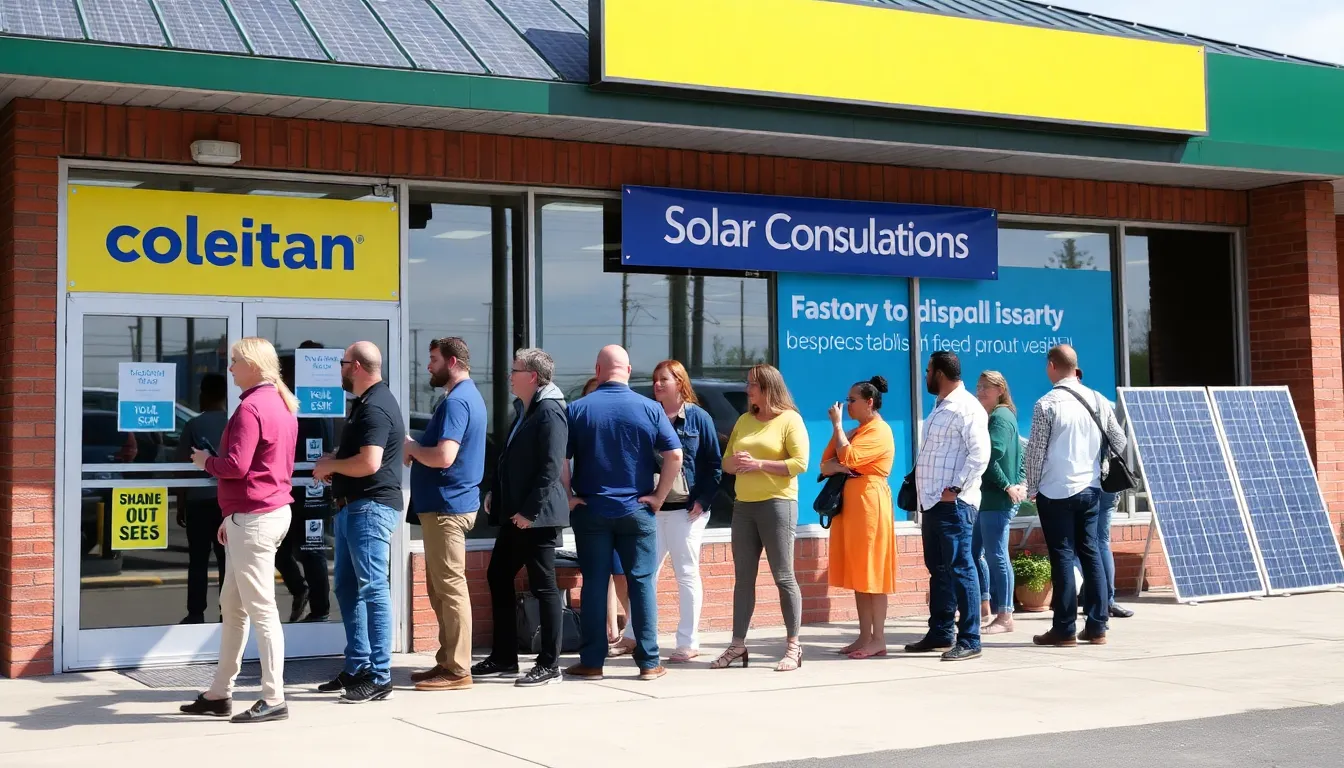
Politically, many governments have implemented policies and incentives to promote renewable energy adoption. Tax credits, rebates, and net metering programs have emerged as powerful tools to encourage homeowners to invest in solar panels. These initiatives have not only made solar energy more financially attractive but have also aligned with broader goals of reducing carbon emissions and transitioning to a sustainable energy economy.
Economically, the cost of solar technology has plummeted over the past decade due to advancements in manufacturing processes and economies of scale. As a result, the initial investment required for solar panel installation has decreased significantly, making it a viable option for more households. The increasing price of traditional energy sources, coupled with the desire for energy independence, has further fueled interest in solar energy as a cost-saving alternative, as detailed in our article on fuel prices influencing energy choices.
Key Milestones in Solar Energy Development
Several key milestones have marked the evolution of solar energy. In the 1970s, the oil crisis sparked initial interest in alternative energy sources, leading to early solar research and development. The 2000s saw a surge in investment and innovation, particularly in photovoltaic technology, which enabled greater efficiency and lower costs. More recently, the global pandemic highlighted the importance of energy resilience, driving further demand for solar solutions as people sought to reduce their monthly expenses and enhance their energy security.
Key stakeholders and issues influencing solar panel sales
The rise in solar panel sales has attracted the attention of various stakeholders, each with distinct interests and motivations. These stakeholders include consumers, solar manufacturers, government entities, and environmental organizations. Understanding their roles and the conflicts that may arise is crucial to comprehending the dynamics of the solar market.
Consumers are primarily motivated by the desire to reduce energy costs and increase energy independence. As electricity prices continue to rise, many households and businesses are looking for sustainable alternatives. However, the initial investment for solar panels can be a barrier, leading to a demand for financial incentives and subsidies from the government.
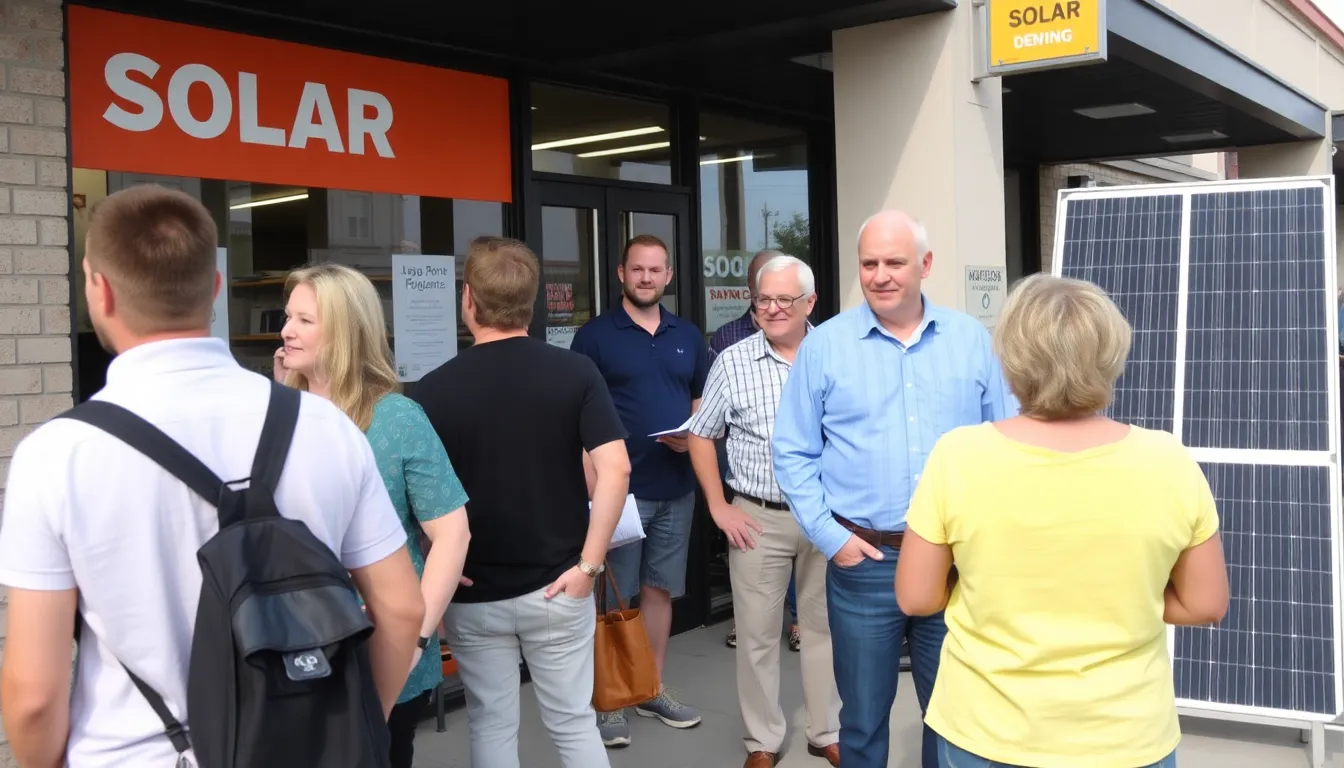
Solar manufacturers and installers play a pivotal role in the market as they provide the technology and services needed for solar adoption. Their interest lies in expanding market share and ensuring profitability. However, they face challenges such as fluctuating material costs and competition from both domestic and international players. This competition can drive innovation but may also lead to trade-offs in quality and service.
Government entities are significant stakeholders due to their ability to influence the solar market through policy and regulation. They aim to promote renewable energy to meet environmental goals and reduce carbon emissions. However, the balance between incentivizing solar adoption and managing public funds can lead to conflicts. For example, while subsidies can encourage adoption, they may also strain government budgets.
- Consumer interests: Cost savings, energy independence, and environmental concerns.
- Manufacturer challenges: Material costs, competition, and the need for innovation.
- Government policies: Balancing incentives with budget constraints and environmental goals.
- Environmental organizations: Advocacy for sustainable practices and renewable energy adoption.
- Economic factors: Market fluctuations and the impact of global supply chains on solar technology.
The impact of rising solar panel sales on consumers and the market
The surge in solar panel sales is primarily affecting homeowners and businesses looking to reduce energy costs. Many consumers are motivated by the potential savings on utility bills, which can be significant in areas with high electricity rates. This trend is particularly pronounced in regions with abundant sunlight, such as the Southwest United States, where solar energy can be harnessed most effectively.
In the short term, households adopting solar panels may experience immediate financial relief as their reliance on traditional energy sources decreases. This shift can lead to a decrease in demand for fossil fuels, prompting energy companies to adapt their business models. Additionally, the increased demand for solar panels is benefiting manufacturers and installers, creating jobs and stimulating local economies.

Mid-term impacts may include changes in public policy as governments recognize the need to support renewable energy initiatives. This could lead to increased incentives for solar adoption, such as tax credits or rebates, further driving sales. However, there are risks associated with this rapid growth, including supply chain disruptions and potential market saturation, which could impact prices and availability.
- Consumer savings: Lower energy bills for households and businesses.
- Job creation: Growth in the solar installation and manufacturing sectors.
- Policy shifts: Potential for new regulations and incentives promoting renewable energy.
- Market risks: Possible oversupply and fluctuating prices affecting long-term profitability.
While the rise in solar panel sales presents numerous opportunities for consumers and the market, careful navigation of the associated risks will be essential for sustainable growth in the renewable energy sector.
A: The primary reasons include increasing energy costs, government incentives, and a growing awareness of environmental issues. Consumers are looking for long-term savings and sustainable energy solutions. A: Homeowners can save significantly on their electricity bills, with estimates suggesting savings of 20-50% depending on location and energy usage. Additionally, many states offer tax credits and rebates. A: Yes, solar panels can provide substantial savings over time, especially with decreasing installation costs and increasing energy prices. The return on investment can be realized within a few years. A: Consumers should consider their energy needs, roof space, local regulations, and available incentives. It’s also important to research different solar providers and their offerings. A: Installing solar panels can increase a home’s value, as many buyers are looking for energy-efficient features. Studies show that homes with solar installations often sell for more than those without.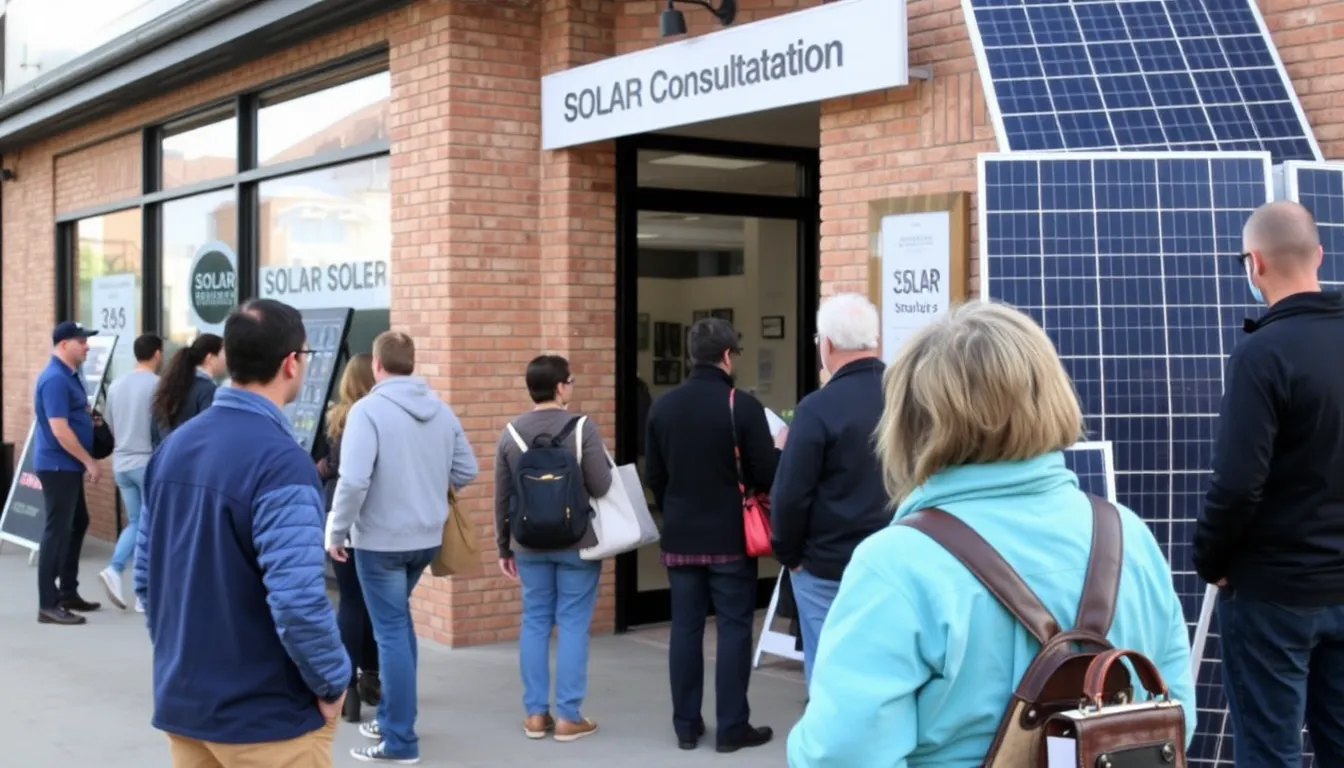
Frequently asked questions about solar panel sales
Future outlook on solar energy and consumer trends
The increasing demand for solar panels reflects a significant shift in consumer behavior driven by economic considerations. As energy prices continue to rise, more individuals and businesses are recognizing the long-term savings potential of solar energy. This trend not only highlights a growing awareness of renewable energy benefits but also suggests a broader acceptance of sustainable practices in daily life.
Looking ahead, the solar industry is poised for continued growth as technological advancements and supportive policies further enhance affordability and accessibility. Consumers are likely to prioritize energy independence and cost savings, prompting a surge in solar adoption across various demographics.
- Watch for advancements in solar technology that could lower installation costs and improve efficiency.
- Monitor government incentives and policies that may impact consumer decisions regarding solar investments.
- Consider the potential for increased competition among solar providers, which could lead to better pricing and service options for consumers.
- Be aware of the growing trend of community solar projects, which may offer renewable energy access to those unable to install panels on their properties.
- Keep an eye on consumer education initiatives that aim to inform the public about the financial and environmental benefits of solar energy.