


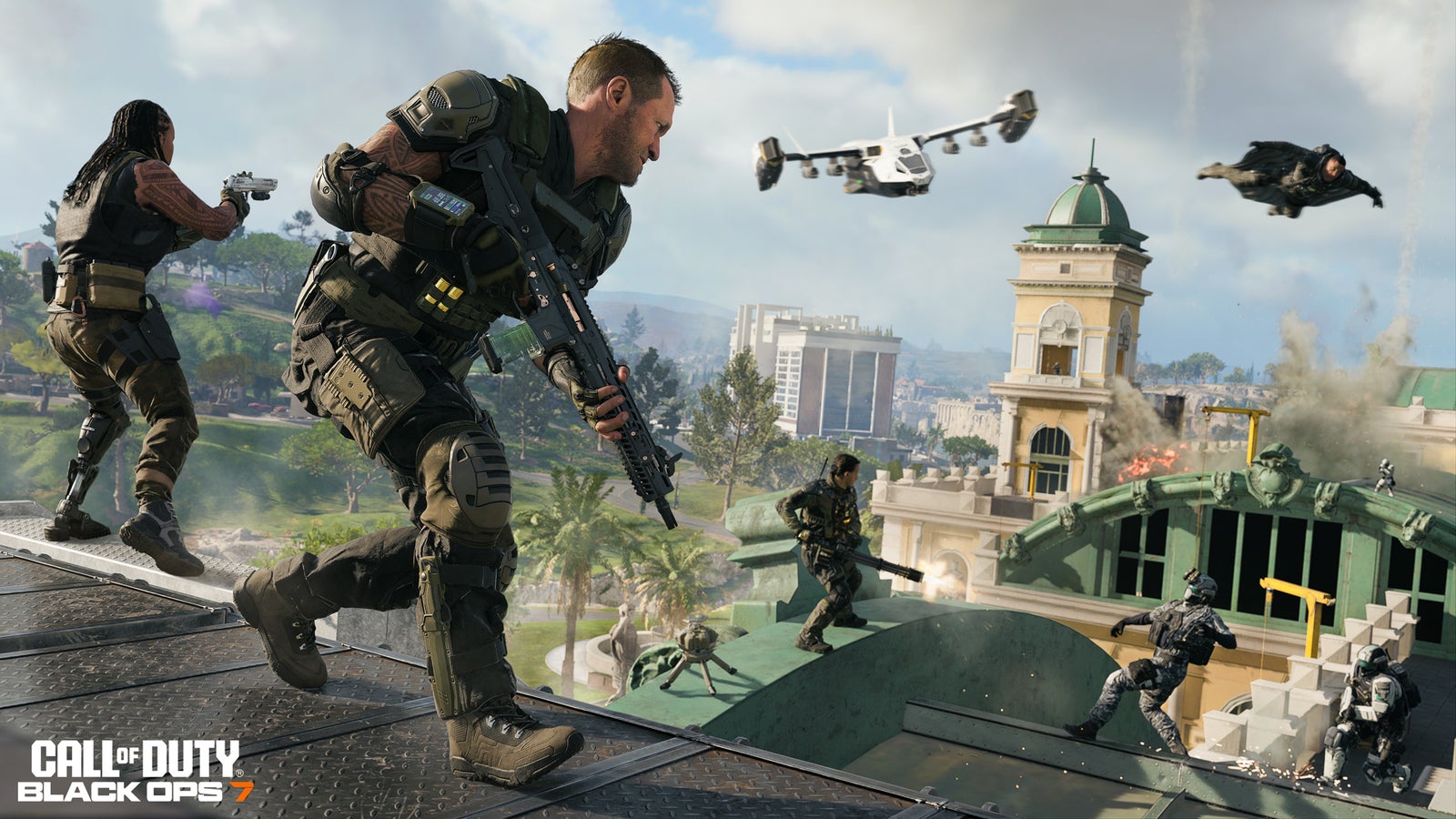
This decision reflects a growing trend in the gaming industry, where developers are increasingly prioritizing multiplayer experiences over single-player narratives. By enabling players to skip the campaign, the developers aim to cater to the preferences of a community that often favors competitive play and quick action. For more insights on optimal gaming strategies, check out the Best Black Ops 7 settings in 2025 for optimal gaming experience. This shift could potentially reshape how future titles in the series are developed.
Notably, the introduction of the mech battle aligns with the franchise’s long-standing tradition of incorporating advanced technology and warfare into its gameplay. Players can expect a dynamic combat environment, where strategy and teamwork will be essential for overcoming this new challenge. As fans eagerly await the official release, discussions around this innovative feature are already generating significant buzz within the gaming community.
As the launch date approaches, it remains to be seen how this change will impact player engagement and the overall reception of the game. This move could set a precedent for future titles in the series and influence other developers to explore similar gameplay options. With the gaming community closely watching, Black Ops 7’s Season One is poised to make a notable impact on the franchise’s evolution.
The evolution of Call of Duty campaigns and gameplay
The Call of Duty franchise, launched in 2003, has undergone significant transformations in its approach to gameplay and storytelling. Initially, the series focused heavily on immersive single-player campaigns, often set against the backdrop of World War II. As the gaming landscape evolved, so did the franchise, transitioning into modern warfare scenarios and later exploring futuristic themes. This evolution reflects broader trends in the gaming industry, where multiplayer experiences increasingly dominate player engagement.

In recent years, the importance of campaign modes has diminished, with titles like Call of Duty: Warzone prioritizing battle royale gameplay. The shift towards multiplayer formats has been driven by both player preferences and the lucrative nature of online gaming, which encourages ongoing engagement through seasonal content and competitive play. This shift has prompted developers to rethink how they structure their games, leading to innovations like the introduction of optional campaign experiences.
Key milestones in Call of Duty’s development
Several key milestones mark the evolution of Call of Duty’s gameplay. The release of Call of Duty 4: Modern Warfare in 2007 was pivotal, as it not only modernized the series but also introduced a robust multiplayer component that set new standards. Subsequent titles, including Call of Duty: Black Ops and Call of Duty: Modern Warfare (2019), further emphasized multiplayer while maintaining a narrative-driven campaign, albeit with varying degrees of success.
The decision to allow players to skip the campaign in Call of Duty: Black Ops 7 Season One signifies a culmination of these trends. By enabling players to bypass traditional storytelling elements and engage directly with new gameplay mechanics such as battling a giant mech, developers are catering to a demographic that increasingly favors immediate, action-oriented experiences over lengthy narratives. This shift not only reflects changing player expectations but also highlights the ongoing evolution of the franchise in a competitive gaming market, similar to the advancements seen in Agentic A.I. technology.
As the gaming community continues to embrace diverse play styles, the Call of Duty franchise is likely to adapt further, exploring innovative ways to integrate narrative and gameplay while responding to the preferences of its audience. The introduction of giant mechs as a gameplay feature represents a bold step in this direction, inviting players to engage with the game in a more dynamic and less conventional manner.
Key stakeholders and their perspectives on the new feature
The announcement that ‘Call of Duty: Black Ops 7 Season One’ will allow players to skip the campaign and engage in battles against a giant mech has sparked a variety of reactions from different stakeholders. Each group has its own interests and concerns regarding this new feature, reminiscent of how the gaming community remembers Richard Burns and his WRC Journey and their varied preferences.

One of the primary stakeholders is Activision Blizzard, the game’s publisher. Their main interest lies in maximizing player engagement and retention. By introducing the option to bypass the campaign, they aim to appeal to a broader audience, particularly those who prefer fast-paced multiplayer experiences. However, this shift could lead to a decline in narrative-driven gameplay, which has traditionally been a strong selling point for the franchise.
Players represent another crucial stakeholder group. Their interests vary widely; casual gamers may welcome the ability to skip the campaign as a way to dive straight into action, while hardcore fans may feel that this undermines the storytelling aspect of the game. The introduction of a giant mech battle may also attract a different demographic, possibly increasing the player base but alienating those who value the campaign’s narrative depth.
Game developers at Activision also have a vested interest in how this feature is perceived. They may face challenges in balancing the gameplay experience, ensuring that the mech battles are engaging and well-integrated into the overall game. This could lead to potential conflicts between creative vision and commercial pressures, as the developers strive to meet both player expectations and corporate goals.
Additionally, regulatory bodies may become involved if the game’s new features raise concerns about content appropriateness or impact on younger audiences. The game industry is often scrutinized for its content, and any perceived shift towards more aggressive gameplay could spark debates about violence in video games, leading to potential legal or economic implications.
- Activision Blizzard aims to increase player engagement and broaden the audience.
- Players are divided on the value of skipping the campaign versus enjoying narrative elements.
- Developers face the challenge of balancing gameplay mechanics with creative storytelling.
- Regulatory bodies may scrutinize the game’s content and its effects on players.
- Potential economic implications could arise from shifts in player demographics and purchasing behavior.

Implications for players and the gaming market
The decision to allow players to skip the campaign in ‘Call of Duty: Black Ops 7 Season One’ and instead engage in combat against a giant mech will have significant implications for various groups, including gamers, game developers, and the broader gaming industry. This shift caters to a growing audience that prefers multiplayer experiences over traditional single-player narratives, reflecting changing player preferences.
In the short term, players who favor fast-paced action and competitive gameplay may find this new feature appealing, potentially increasing engagement and player retention. The gaming market could see a boost in sales as more individuals are drawn to the title, particularly those who may have previously overlooked the campaign mode. Additionally, this shift can attract casual gamers who prefer quick, action-oriented gameplay.
However, this change also presents risks, particularly for players who enjoy the storytelling aspect of campaigns. Long-time fans of the franchise may feel alienated by the reduced focus on narrative, which could lead to dissatisfaction and negative feedback. Game developers may need to balance these competing interests to maintain a loyal fanbase while attracting new players.
- Short-term impacts: Increased player engagement and sales growth.
- Mid-term impacts: Potential shifts in game development strategies towards multiplayer-focused content.
- Risks: Alienation of traditional players and potential backlash against the franchise.
- Opportunities: Expansion of the player base and exploration of new gameplay mechanics.
Regions with a high concentration of gaming communities, such as North America and Europe, may see a surge in discussions and events centered around this new gameplay style. As the industry adapts to these changes, game developers will likely explore innovative ways to integrate both campaign narratives and multiplayer experiences, potentially leading to a more diverse gaming landscape.
A: Yes, players who opt to skip the campaign can still access it later if they wish to experience the storyline. A: Fighting the giant mech offers a unique and action-packed experience that focuses on intense gameplay rather than narrative. A: The storyline remains intact, but players can choose to engage with it at their own pace. A: The mech battle introduces new mechanics and challenges that differ significantly from standard campaign missions. A: Yes, players can earn unique rewards and upgrades by successfully defeating the mech.
Frequently asked questions about the new feature
Looking ahead at the future of Call of Duty gameplay
The decision to allow players to skip the campaign in ‘Call of Duty: Black Ops 7 Season One’ marks a significant shift in the franchise’s approach to single-player content. This move not only caters to the growing demand for multiplayer experiences but also reflects a broader trend in gaming where instant action and competitive play take precedence over traditional storytelling. As players engage in battles against a giant mech, the dynamics of gameplay will likely evolve, emphasizing tactical teamwork and rapid engagement over narrative depth.
As this new season unfolds, it will be crucial to observe how this change affects player engagement and community interaction. The integration of large-scale mech battles could redefine strategic approaches within the game, potentially attracting a new audience while challenging existing players to adapt to new mechanics and gameplay styles.
- The shift towards multiplayer-focused gameplay may lead to a decline in interest for future single-player campaigns.
- Players may experience a more dynamic and fast-paced environment, necessitating new strategies for team coordination.
- The introduction of mechs could inspire a wave of innovative gameplay mechanics and weaponry in future updates.
- Monitoring player feedback will be essential to gauge the success of this new direction and its impact on the franchise’s identity.
- Potential collaborations or events could emerge, enhancing the multiplayer experience and fostering community engagement.