


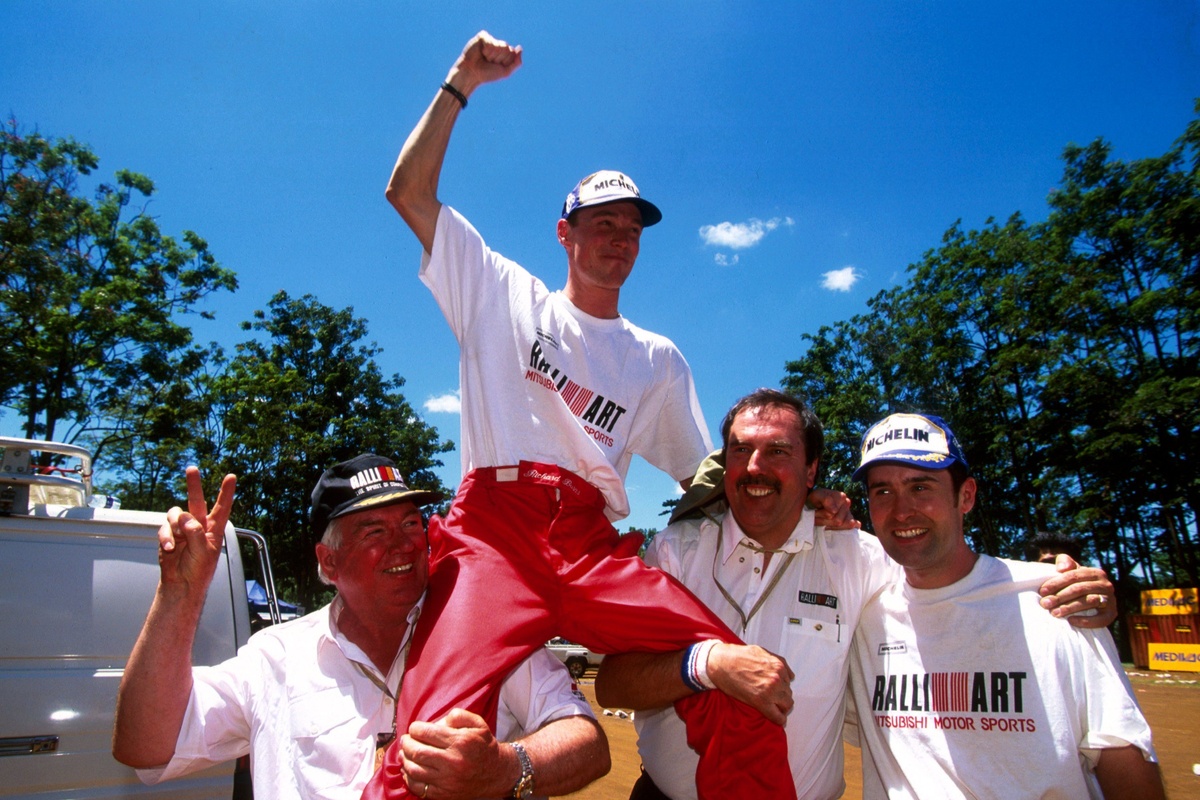
Currently, the WRC is witnessing a resurgence in popularity, with new technology and electric vehicles being integrated into the sport. The 2023 season has seen a competitive field, with drivers from various countries vying for the championship title. The introduction of hybrid technology has increased interest among fans and manufacturers alike, echoing the innovative spirit that Burns embodied during his career.
In recent years, tributes to Burns have highlighted his contributions to rallying, including events dedicated to his memory and the establishment of the Richard Burns Foundation. These initiatives aim to support individuals affected by brain injuries, further extending his legacy beyond the rally stage. As the sport progresses, Burns’ influence continues to resonate, reminding fans and newcomers alike of the passion and dedication required to succeed in rallying.
Moreover, the current crop of drivers often cite Burns as an inspiration, reflecting on how his techniques and mental approach have shaped their own careers. The ongoing dialogue about his achievements serves to keep his spirit alive in the competitive landscape of rallying. As the WRC looks to the future, Richard Burns’ legacy remains a cornerstone of the sport’s rich history.
Recommended Articles
- Understanding Agentic A.I. and Its Role in Flight Booking
- Boro aim to rein in soaring Sky Blues as top two meet
- Former Star Fox Developer Announces Spiritual Successor Game
- Primitive War review offers a unique blend of action and absurdity
- Exploring the Brain's Understanding of Internal Body Signals
- Understanding Agentic A.I. and Its Role in Flight Booking
- Boro aim to rein in soaring Sky Blues as top two meet
- Former Star Fox Developer Announces Spiritual Successor Game
- Primitive War review offers a unique blend of action and absurdity
- Exploring the Brain's Understanding of Internal Body Signals
Understanding the background of Richard Burns in WRC
Richard Burns, a name synonymous with rallying excellence, emerged as a beacon in the World Rally Championship (WRC) during a transformative era for the sport. Born in 1971 in England, Burns displayed an early passion for motorsport, which eventually led him to compete in various rally events. His journey into the WRC began in the 1990s, a time when the championship was gaining immense popularity and evolving with new technologies and competitive formats.

Throughout the 1990s, the WRC witnessed a surge in interest, driven by the introduction of manufacturers like Subaru and Toyota, which brought significant resources and innovation to the sport. Burns’ breakthrough came in 1998 when he secured his first WRC victory at the Rally of Great Britain, marking a pivotal moment in his career. This victory not only elevated his profile but also showcased his potential as a serious contender in a field dominated by established stars.
The Rise to Prominence
As the new millennium approached, Burns continued to hone his skills and adapt to the competitive landscape of the WRC. His partnership with the Subaru World Rally Team proved fruitful, leading to a series of strong performances. In 2001, Burns achieved a significant milestone by winning the WRC Drivers’ Championship, becoming the first Englishman to do so. This victory was not just a personal triumph; it symbolized a shift in the sport, highlighting the emergence of British talent in a predominantly international arena.
However, Burns’ career was not without its challenges. In the years following his championship win, he faced fierce competition from drivers like Sébastien Loeb and Colin McRae, who were reshaping the dynamics of the WRC. Despite these challenges, Burns remained a beloved figure, known for his sportsmanship and determination, which endeared him to fans and fellow competitors alike.
Tragically, Burns’ life was cut short when he passed away in 2005 after a battle with brain cancer. His legacy, however, endures in the annals of rally history. The impact of his achievements continues to inspire new generations of drivers and rally enthusiasts, ensuring that the spirit of Richard Burns remains a vital part of the WRC narrative.
Key issues surrounding Richard Burns’ career and contributions
Richard Burns, a celebrated figure in the World Rally Championship (WRC), left a significant mark on the sport, not only through his driving prowess but also through the relationships he built within the motorsport community. His career was shaped by various stakeholders, including rally teams, sponsors, and fans, each with their own interests and expectations. Understanding these dynamics is crucial to appreciating his legacy.

The primary stakeholders in Burns’ career included his team, Subaru World Rally Team, which had a vested interest in his performance as it directly influenced their brand image and financial backing. Additionally, sponsors like Castrol and other automotive brands sought to leverage Burns’ popularity to enhance their visibility in a competitive market. This created a symbiotic relationship where Burns’ success translated into commercial benefits for these companies.
However, the pressure to perform also led to conflicts, particularly in balancing personal ambition with team expectations. Burns faced the challenge of maintaining his individuality as a driver while adhering to the strategic goals of the team. This often resulted in trade-offs between personal style and team strategy, particularly during critical races where team orders could dictate the outcome.
- Health Issues: Burns’ battle with cancer later in his life raised awareness about the challenges athletes face beyond their sport, impacting his relationships with sponsors and fans.
- Media Representation: Coverage of Burns’ career often focused on his triumphs, but it also highlighted the pressures athletes face, shaping public perception and influencing sponsorship deals.
- Legacy and Recognition: The ongoing discussions about Burns’ contributions to the WRC illustrate the conflict between historical acknowledgment and the evolving nature of motorsport, as newer drivers emerge.
Legal and economic issues also played a role in Burns’ career, particularly concerning contracts and sponsorship agreements. The competitive nature of the WRC meant that teams were constantly seeking to secure the best drivers, leading to negotiations that could impact a driver’s career trajectory. These contracts often included clauses that affected both financial remuneration and performance expectations, which could create additional pressure on drivers like Burns.
The impact of Richard Burns on fans and the rally community
Richard Burns, a legendary figure in the World Rally Championship (WRC), left an indelible mark on fans and the rally community. His untimely passing in 2005 created a void that is still felt today. The rallying world, including drivers, teams, and fans, continues to be influenced by his legacy, which impacts various groups and industries.
In the short term, fans of rallying experience a resurgence of nostalgia, often leading to increased interest in historical events and tributes to Burns. This can result in a spike in attendance at rally events and increased merchandise sales, as fans seek to celebrate his achievements. Additionally, rally teams may see a boost in sponsorship opportunities as they leverage Burns’ legacy to attract new partners who want to associate with his iconic status.

In the mid-term, the impact on the rally community may extend to the development of new talent. Young drivers inspired by Burns may pursue careers in rallying, leading to a fresh influx of competitors in the sport. This could also influence rally schools and training programs, which may see increased enrollment as aspiring drivers look to emulate Burns’ success.
- Increased fan engagement: More events and tributes celebrating Burns’ legacy.
- Sponsorship opportunities: Rally teams attracting new sponsors through Burns’ influence.
- Talent development: New drivers inspired to enter the sport, enriching the competitive landscape.
However, there are risks associated with this renewed focus on the past. The rally community may struggle to balance honoring Burns’ legacy while promoting current drivers and innovations in the sport. Additionally, there is a potential for commercialization that could overshadow the core values of rallying, leading to a disconnect between the sport’s heritage and its future.
A: Richard Burns won the World Rally Championship in 2001, becoming the first British driver to do so. His skill and determination made him a beloved figure in the sport. A: Burns inspired many young drivers and fans with his passion for rallying. His legacy continues to motivate new generations in the sport. A: Throughout his career, Burns faced various challenges, including fierce competition and health issues. Despite these obstacles, he remained a top contender. A: Fans remember Richard Burns for his exceptional driving talent, sportsmanship, and his contributions to the rallying community, which left a lasting impact. A: After retiring from competitive rallying, Burns focused on promoting the sport and faced health challenges until his passing in 2005.
Frequently asked questions about Richard Burns
Key takeaways and future outlook on Richard Burns’ legacy
Richard Burns’ remarkable journey through the World Rally Championship (WRC) serves as a profound reminder of the resilience and determination required to excel in motorsport. His ability to navigate the challenges of the sport not only brought him personal success but also left a lasting impact on the rally community. As we reflect on his legacy, it is essential to consider how his experiences can inform the future of rallying and inspire upcoming generations of drivers.
The evolution of technology, the increasing focus on sustainability, and the growing popularity of rallying as a spectator sport are factors that can shape the next chapter of this thrilling discipline. Burns’ approach to racing, marked by strategic thinking and adaptability, offers valuable lessons for both current and aspiring drivers.
- Embrace innovation: The integration of advanced technology in rally cars can enhance performance and safety, echoing Burns’ willingness to adapt to new methods.
- Focus on mental resilience: The psychological aspects of racing, as demonstrated by Burns, highlight the importance of mental strength in overcoming obstacles.
- Encourage youth participation: Engaging younger audiences and fostering new talent can ensure the continued growth of the sport, much like Burns’ influence on aspiring drivers.
- Promote sustainability: As the automotive industry shifts towards greener alternatives, rallying can lead the way in adopting eco-friendly practices while maintaining excitement.
- Celebrate diversity in rallying: Recognizing and embracing diverse backgrounds in the sport can enrich the rallying community and inspire a broader fan base.