


Dr. Azmi, a prominent figure in Malaysian academia known for her critical views on governance, was scheduled to attend an academic conference in Singapore. The Singaporean authorities did not provide specific reasons for her denial of entry, which has sparked discussions about the implications of such actions on scholarly exchange and collaboration in the region.
The incident comes amidst ongoing tensions between the two nations, particularly regarding issues of freedom of expression and political discourse. Critics argue that Singapore’s decision reflects a broader trend of restricting dissenting voices, which could hinder collaborative efforts in research and education.
As both countries navigate their complex relationship, this incident highlights the delicate balance between national security concerns and the importance of fostering an open academic environment. The response from Malaysian officials and the academic community will likely shape future interactions between the two nations.
Understanding the background of the entry denial
The recent denial of entry to a Malaysian scholar by Singaporean authorities has reignited discussions about the complex relationship between the two neighboring countries. This incident is not an isolated event but is rooted in a history marked by political tensions, territorial disputes, and differing national interests. Singapore and Malaysia share a tumultuous past that dates back to their separation in 1965, which has often influenced bilateral relations.
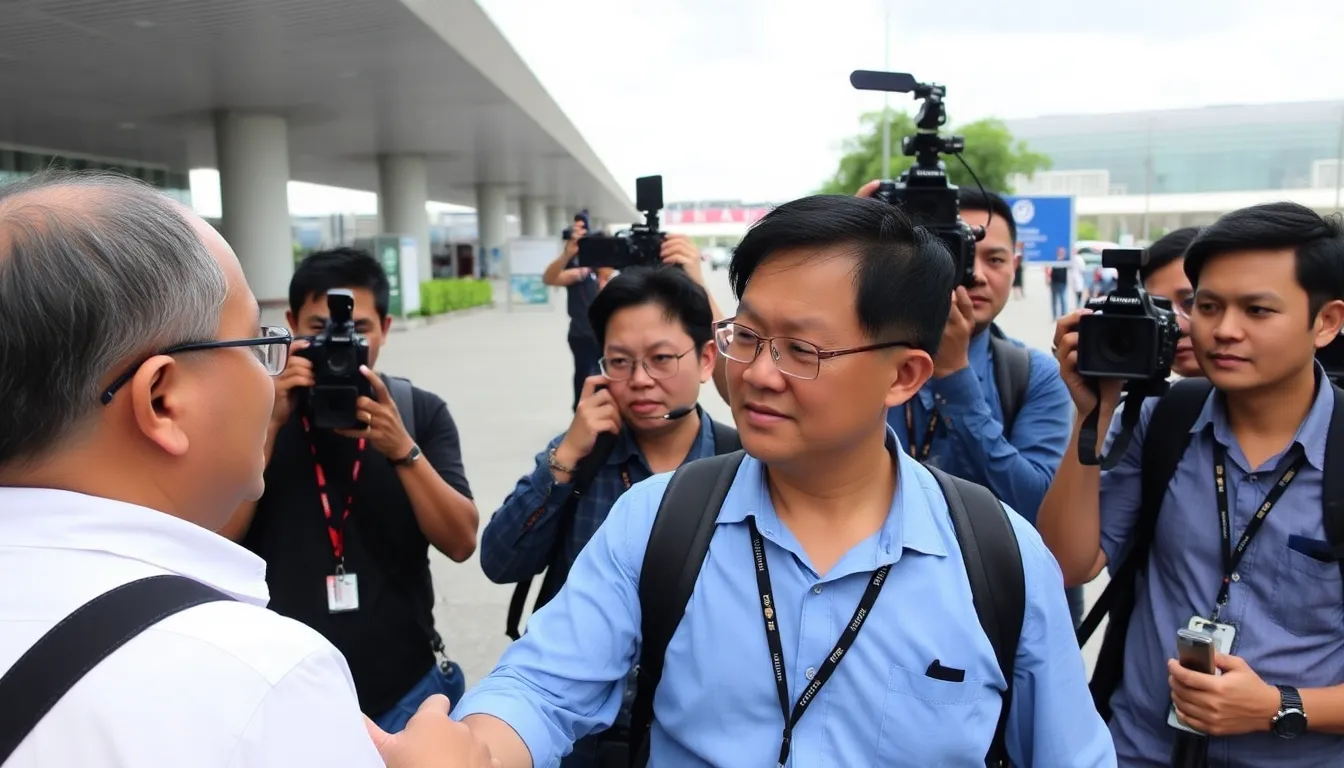
Historically, both nations have experienced periods of cooperation and conflict. The formation of Malaysia in 1963, which included Singapore, was short-lived, leading to Singapore’s expulsion two years later. Since then, issues such as water agreements, airspace management, and land disputes have frequently strained ties. The political climate in both countries often reflects these historical grievances, with nationalist sentiments occasionally flaring up, impacting how each nation perceives the other.
Recent Developments
In recent years, incidents involving scholars and activists have become focal points in the narrative of Singapore-Malaysia relations. The Singaporean government has been known to exercise stringent immigration controls, particularly concerning individuals deemed a threat to national security or public order. The classification of the Malaysian scholar as an ‘undesirable visitor’ underscores Singapore’s commitment to maintaining a strict immigration policy, especially in contexts involving political dissent or criticism.
Moreover, the rise of social media and digital platforms has amplified the voices of individuals who challenge governmental narratives, leading to increased scrutiny of scholars and activists. This environment has made it more likely for governments to react defensively to perceived threats, resulting in actions such as the denial of entry to individuals who may hold controversial views or affiliations.
As Singapore continues to navigate its identity and security in a rapidly changing geopolitical landscape, the implications of denying entry to foreign scholars will likely resonate beyond immediate diplomatic relations, affecting perceptions of academic freedom and international collaboration in the region.
Examining the implications for academic freedom and bilateral ties
The recent decision by Singapore to deny entry to a Malaysian scholar has raised significant concerns regarding academic freedom within the region. This incident highlights the delicate balance between national security interests and the pursuit of knowledge and scholarly exchange. The scholar, whose work may challenge established narratives, has been labeled an “undesirable visitor,” a classification that reflects broader tensions in Singapore’s approach to dissent and critique.
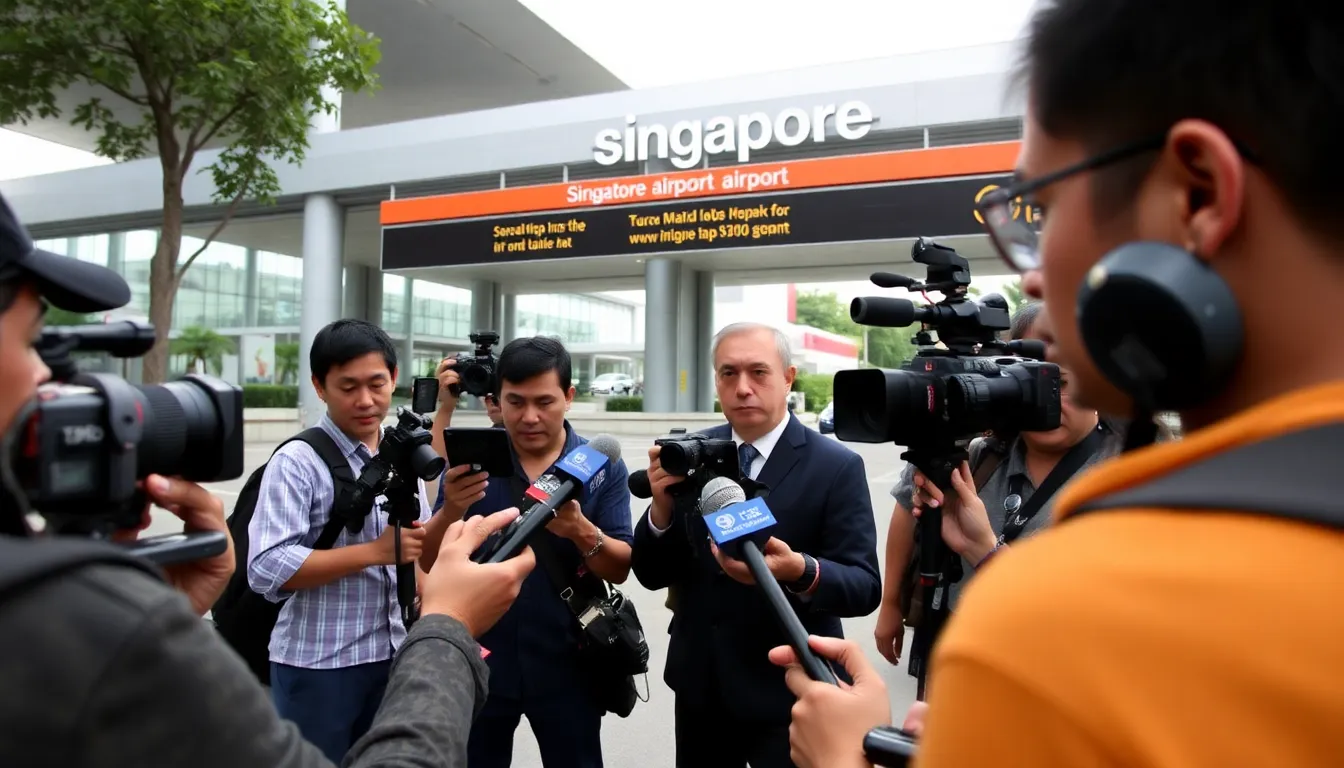
Key stakeholders in this scenario include the Singaporean government, which prioritizes stability and security, and the Malaysian academic community, which advocates for open discourse and the free flow of ideas. The implications of this incident extend beyond individual rights, affecting bilateral relations between Singapore and Malaysia, two nations that share deep historical and cultural ties.
Several key issues arise from this situation:
- Academic Freedom: The denial of entry raises questions about the extent to which scholars can engage in critical discourse without facing repercussions.
- Bilateral Relations: This incident could strain diplomatic ties, as Malaysia may view Singapore’s actions as an infringement on the freedom of its citizens.
- Legal Framework: The legal justifications for labeling individuals as “undesirable” may prompt discussions about transparency and the rule of law in immigration policies.
- Public Perception: How this event is perceived by the public in both countries could influence future academic collaborations and exchanges.
Furthermore, the economic implications of strained bilateral relations cannot be overlooked. Both countries benefit from robust trade and investment ties, and any deterioration in diplomatic relations may have ripple effects across various sectors. As stakeholders navigate these complexities, the need for dialogue and mutual understanding becomes increasingly crucial in maintaining a cooperative regional environment.
Potential effects on scholars and academic collaboration
The recent decision by Singapore to deny entry to a Malaysian scholar has raised significant concerns among academic communities in both countries. Scholars, researchers, and students who rely on cross-border collaboration for knowledge exchange may find their opportunities limited. This incident could create a chilling effect on academic freedom, particularly for those involved in sensitive or controversial topics.
In the short term, the immediate impact will be felt by individuals who were scheduled to participate in conferences, workshops, or collaborative research projects. The inability to attend these events may hinder the progress of ongoing research and disrupt established partnerships. Furthermore, universities and research institutions may face challenges in attracting international talent, as potential candidates might reconsider their options in light of such incidents.
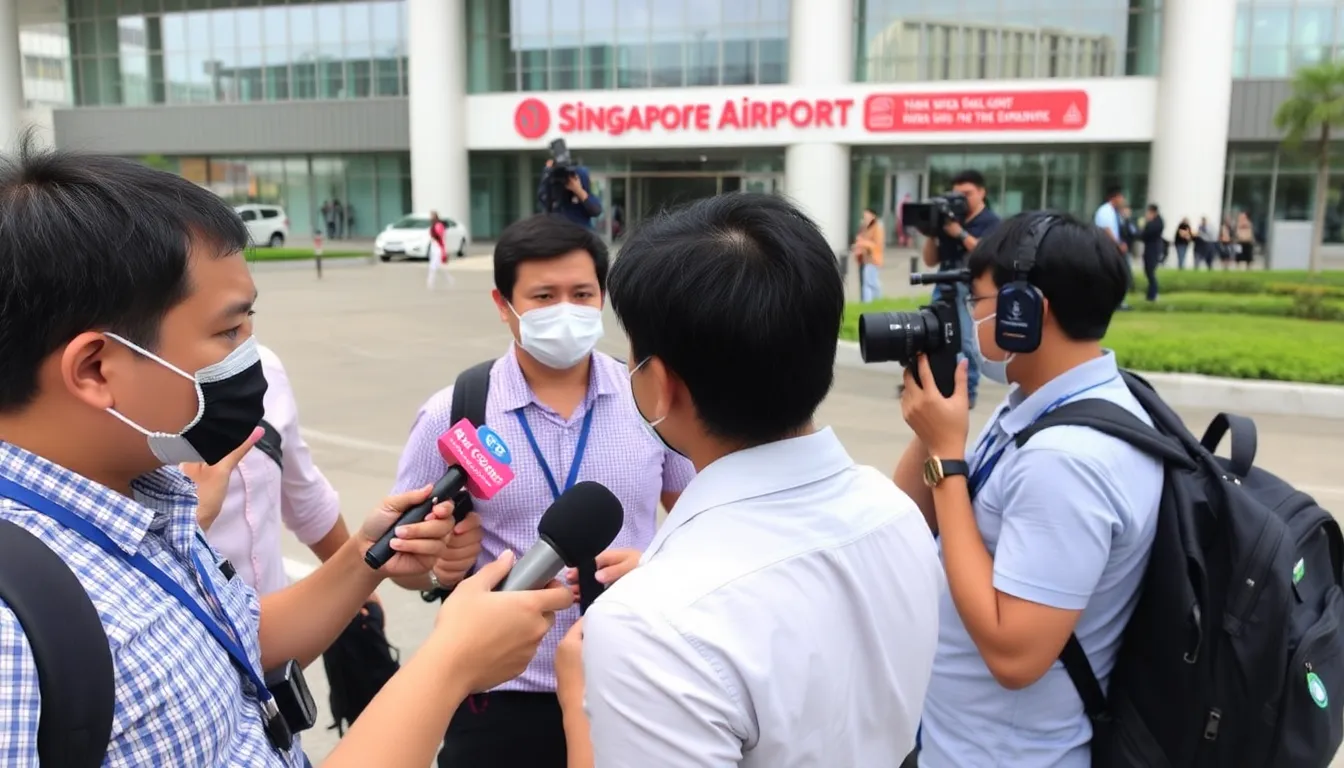
In the mid-term, the implications extend beyond individual scholars to the broader academic landscape. Institutions may need to reassess their policies regarding international collaboration, potentially leading to stricter vetting processes for visiting scholars. This could slow down the pace of innovation and diminish the global competitiveness of Singaporean and Malaysian educational systems.
- Impact on daily life: Reduced access to diverse academic perspectives may limit students’ learning experiences.
- Business implications: Industries reliant on research and development may face delays in project timelines due to disrupted collaborations.
- Policy shifts: Governments may implement new regulations affecting the movement of scholars across borders.
- Potential opportunities: Increased focus on local talent development and domestic research initiatives could emerge as a response.
While the risks are significant, there may also be opportunities for local institutions to strengthen their programs and foster homegrown talent. This could lead to increased investment in local research initiatives and a renewed focus on developing a robust academic environment within Singapore and Malaysia.
A: The scholar was labeled as an undesirable visitor due to her previous political activities and statements that the Singaporean government deemed controversial. A: This incident raises concerns about academic freedom and could potentially strain relations between Singapore and Malaysia. A: The Malaysian government has expressed disappointment and is likely to address this issue through diplomatic channels. A: Being labeled as an undesirable visitor means that the individual is not allowed to enter the country, often due to security or political reasons. A: Yes, this incident may create apprehension among other scholars or individuals with similar backgrounds considering travel to Singapore.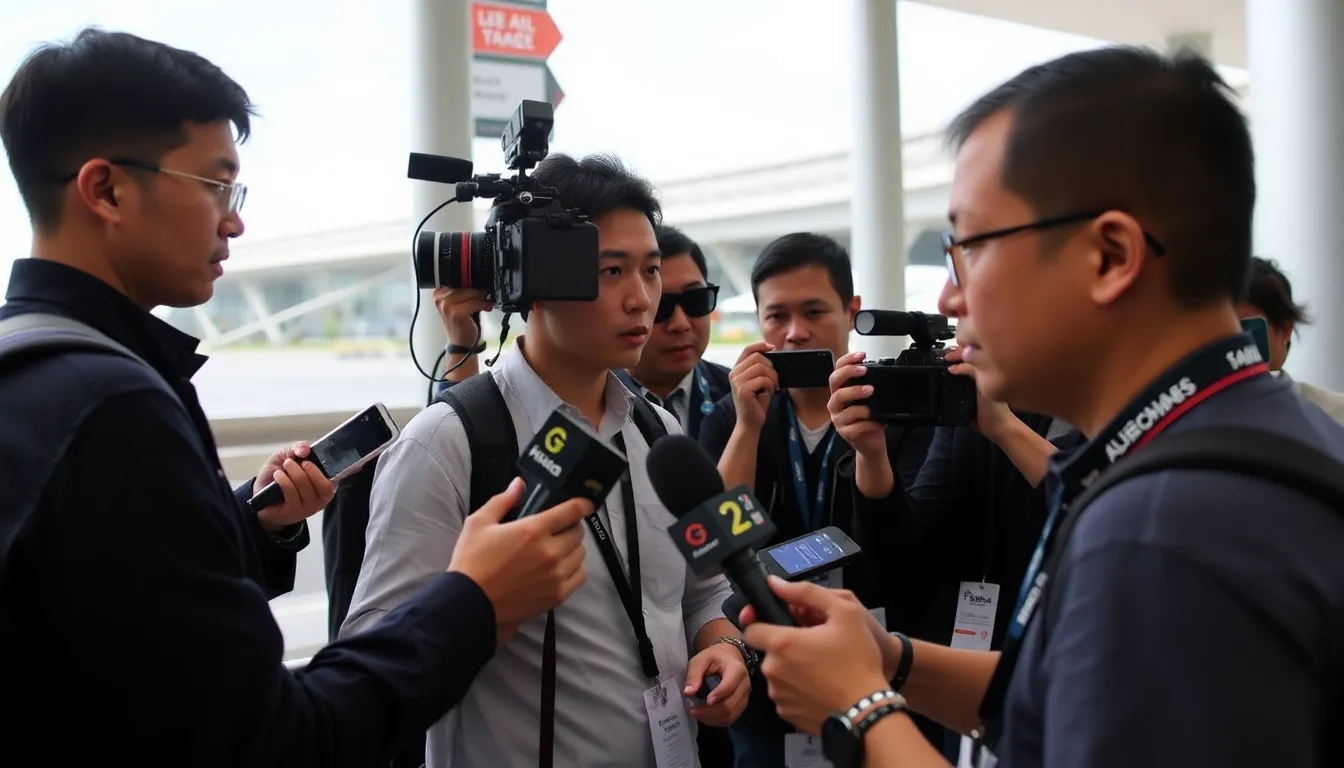
Frequently asked questions about the entry denial
Key takeaways and future implications of the incident
The recent denial of entry to a Malaysian scholar by Singaporean authorities highlights ongoing tensions between the two nations, particularly in the realm of academic freedom and bilateral relations. This incident raises questions about the criteria for deeming individuals as ‘undesirable’ and the broader implications for scholars and activists seeking to engage in cross-border discourse.
As both countries navigate their complex relationship, it will be crucial to monitor how such incidents affect public perception, academic collaboration, and diplomatic dialogue. The implications extend beyond this single case, potentially influencing future interactions and policies regarding freedom of movement and expression in the region.
- The incident may lead to increased scrutiny of entry policies for scholars and activists in Singapore and Malaysia.
- It could spark discussions on academic freedom and the role of governments in regulating intellectual exchange.
- Observers should watch for potential retaliatory measures or diplomatic statements from both governments in response to the incident.
- This situation may encourage other scholars to reassess their travel plans and collaborations in the region.
- Long-term implications could include shifts in public opinion regarding governmental transparency and freedom of speech in both countries.