


The Colombian singer, known for her previous World Cup hits, including “Waka Waka (This Time for Africa)” for the 2010 tournament, has a history of captivating global audiences with her music. Fans are eager to see how her new track will resonate with the themes of unity and celebration that are central to the World Cup experience.
Shakira’s involvement in the World Cup is significant not only for her artistic contributions but also for her influence in promoting the event on a global stage. Her announcement has sparked discussions on social media, with fans expressing their anticipation for both the song and the tournament itself.
The 2026 World Cup marks a historic occasion as it will be the first time the tournament is hosted by three nations. Shakira’s song is expected to play a vital role in the event’s marketing and cultural outreach, potentially reaching millions of viewers worldwide.
The significance of music in World Cup history
From the anthemic “We Are One (Ole Ola)” by Pitbull featuring Jennifer Lopez for the 2014 World Cup in Brazil to Shakira’s iconic “Waka Waka (This Time for Africa)” for the 2010 tournament, these songs have become synonymous with the events themselves, encapsulating the spirit of the games while promoting a sense of global camaraderie.
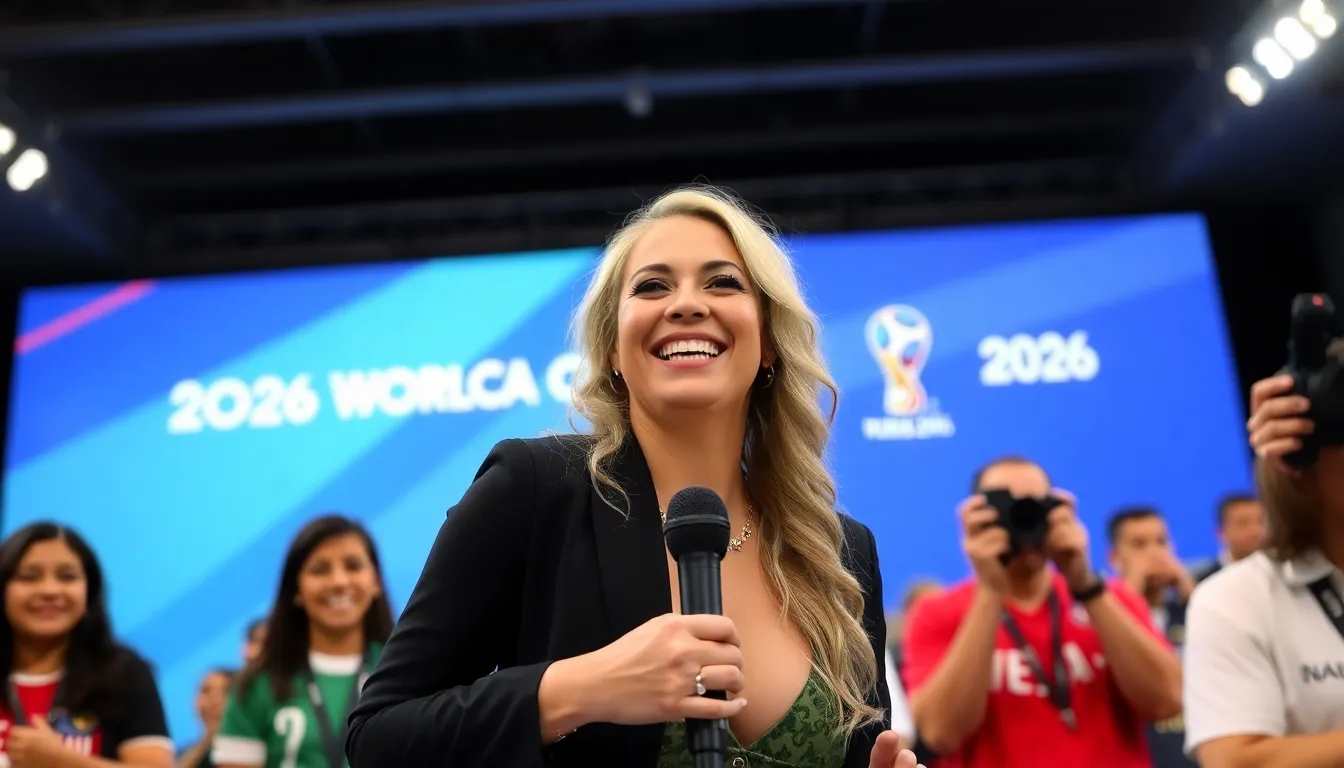
Historically, the World Cup has embraced music as a way to enhance the overall experience for fans. The tradition of official songs began in the 1960s, with the first being “The World Cup” by the Italian singer Nilla Pizzi for the 1962 tournament in Chile. Since then, each World Cup has featured a signature song that resonates with the host nation’s culture, often performed by popular artists. This practice not only boosts the event’s visibility but also provides an opportunity for artists to reach international audiences.
Shakira’s Impact on World Cup Music
Shakira’s contributions to World Cup music have been particularly noteworthy. Her 2010 hit “Waka Waka” became a global phenomenon, topping charts in multiple countries and selling millions of copies. The song’s infectious rhythm and uplifting message captured the essence of the tournament and solidified her status as a cultural ambassador for the event. Following this success, Shakira returned for the 2014 World Cup with “La La La (Brazil 2014),” further establishing her connection to the World Cup legacy.
As excitement builds for this historic event, Shakira’s unveiling of the official song promises to evoke nostalgia while introducing a new anthem that will accompany fans throughout the tournament, showcasing her ability to blend diverse musical styles, much like her previous works discussed in her past contributions.
Exploring the impact of Shakira’s music on global events
Shakira’s announcement of the official song for the World Cup 2026 has drawn attention from various stakeholders, including fans, music industry professionals, sports organizations, and governments. Each of these actors has distinct interests that intersect with Shakira’s artistic expression and the global platform provided by the World Cup.
Fans around the world are eager to embrace the cultural significance of Shakira’s music, which often blends diverse musical styles and themes of unity. Her previous World Cup songs have been celebrated for their ability to capture the spirit of the event, making her an ideal choice for this role. The anticipation surrounding her new release highlights the emotional investment that fans have in both her music and the tournament itself.
On the organizational front, FIFA, the governing body of international football, has a vested interest in ensuring that the World Cup maintains its reputation as a global spectacle. The choice of Shakira as the artist behind the official song serves to enhance the event’s appeal, potentially boosting ticket sales, viewership, and sponsorship opportunities. However, this also raises questions about the commercialization of sporting events and the balance between artistic integrity and corporate interests.
In addition to the economic implications, there are legal considerations surrounding copyright and licensing. Shakira’s song will likely involve negotiations over rights and royalties, impacting not only her earnings but also the financial landscape for other artists. This situation illustrates the complexities of the music industry, where collaboration and competition often coexist.
- Fan engagement and emotional connection to Shakira’s music.
- FIFA’s goals for commercialization and global reach.
- Legal issues regarding copyright and artist compensation.
- Potential conflicts between artistic expression and corporate interests.
- The role of music in shaping cultural narratives around global events.
How Shakira’s song will resonate with fans and players
Shakira’s official World Cup 2026 song is set to impact various groups, including fans, players, and the music industry. The excitement surrounding the tournament will amplify the song’s reach, creating a cultural phenomenon that unites millions across the globe. Fans from different countries will connect through the shared experience of music and sport, fostering a sense of community and pride.
The music industry will also feel the effects, as Shakira’s song is likely to drive increased sales and streaming across platforms. Major record labels and streaming services will benefit from the heightened interest in World Cup-related content, leading to collaborations and promotions that capitalize on the event’s popularity. This could also inspire other artists to create songs tied to the tournament, further boosting the industry.
In terms of short-term impacts, local businesses in host cities may experience a surge in activity as fans flock to events and venues to celebrate the World Cup. Restaurants, bars, and merchandise vendors will likely see increased foot traffic and sales. However, there are risks associated with this influx, such as potential overcrowding and the strain on local infrastructure.
- Opportunities for local businesses: Increased sales and tourism during the tournament.
- Risks of overcrowding: Strain on public services and infrastructure in host cities.
- Global cultural exchange: Enhanced connections between diverse fan bases through music.
In the mid-term, the song’s success could influence future sporting events and marketing strategies. Brands may seek to align themselves with Shakira’s image, leading to new sponsorship deals and advertising campaigns that resonate with the global audience. Additionally, the song’s legacy could inspire future collaborations between athletes and musicians, creating a lasting impact on how sports and entertainment intersect.
A: The title of Shakira’s song for the World Cup 2026 has not been officially announced yet. A: The release date for Shakira’s World Cup song is expected to be announced closer to the tournament date. A: Yes, Shakira has performed at previous World Cups, including the 2010 and 2014 tournaments. A: While specific themes are not confirmed, Shakira’s previous World Cup songs often celebrate unity, passion, and the spirit of football. A: It is likely that there will be a music video released alongside the song, as has been the case with her previous World Cup tracks.
Frequently asked questions about Shakira’s World Cup song
Looking ahead to the World Cup and Shakira’s role
As the excitement builds for the World Cup 2026, Shakira’s involvement as the artist behind the official song signifies not only her enduring popularity but also the cultural significance of music in global sporting events. Her previous contributions to World Cup anthems have set a high standard, and this latest release is expected to resonate with fans worldwide, bridging cultures and enhancing the tournament’s festive atmosphere.
Fans and stakeholders alike should monitor how Shakira’s song influences engagement leading up to the tournament. The integration of music and sport can enhance fan experiences and create a sense of unity, making it essential for brands and sponsors to align their marketing strategies with the cultural moments that arise from such collaborations.
- Emotional Connection: Shakira’s song is likely to evoke strong emotions, fostering a deeper connection among fans and enhancing their overall World Cup experience.
- Brand Opportunities: Companies can leverage the song’s popularity to create campaigns that resonate with audiences during the tournament.
- Cultural Impact: The song may serve as a unifying anthem, highlighting the diverse cultures represented at the World Cup.
- Social Media Engagement: Expect increased social media activity as fans share their experiences and reactions to the song, creating buzz around the event.
- Legacy of Collaboration: Shakira’s role may pave the way for future collaborations between artists and sporting events, setting a precedent for how music can enhance global sports.